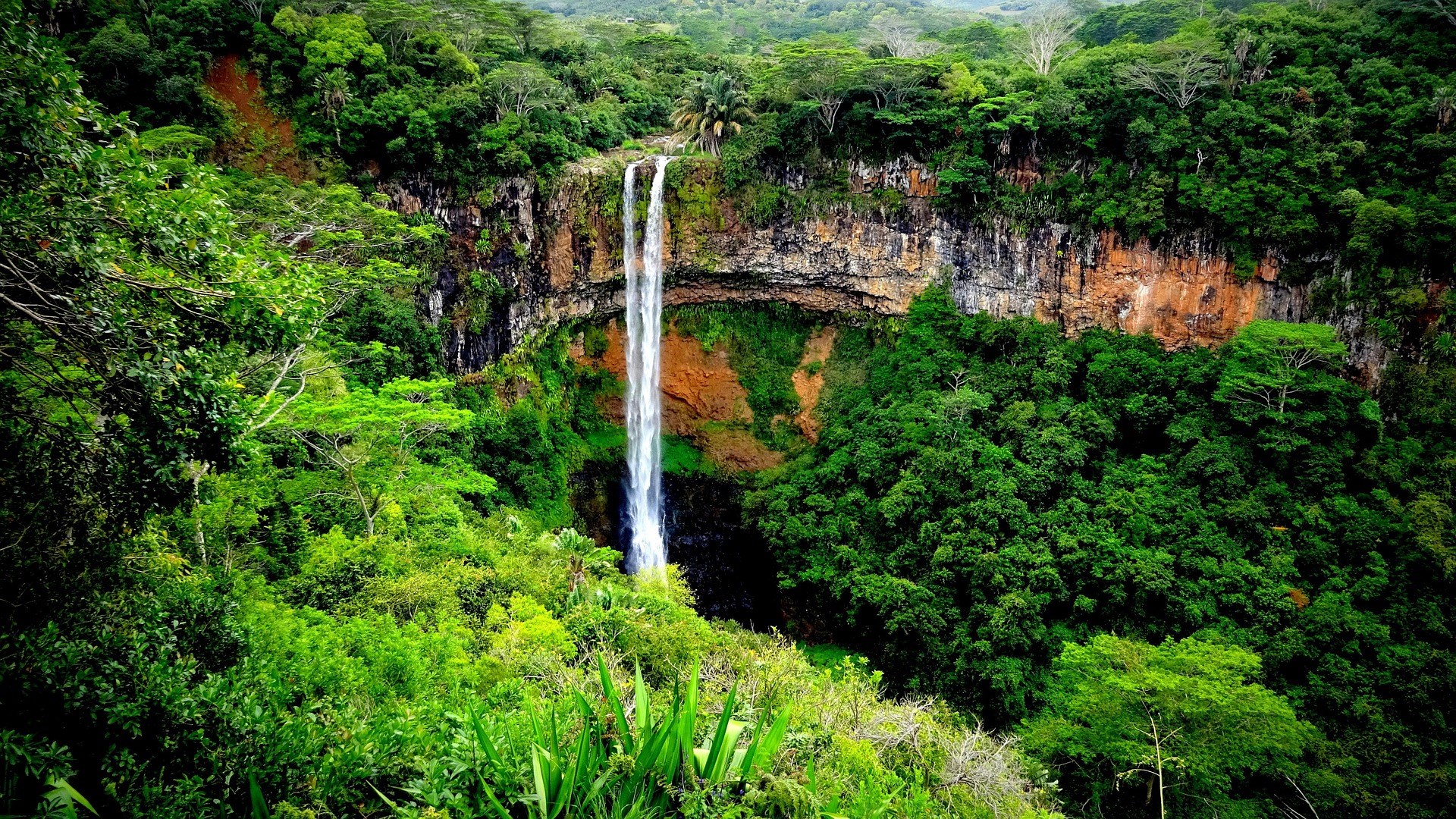
Chamarel
Chamarel is a mountain village in southwestern Mauritius, surrounded by forested slopes, volcanic terrain, and agricultural land. Its elevated position gives the area a cooler, wetter setting than much of the coast, while its location near Black River Gorges National Park places it within one of the island’s main protected landscapes.
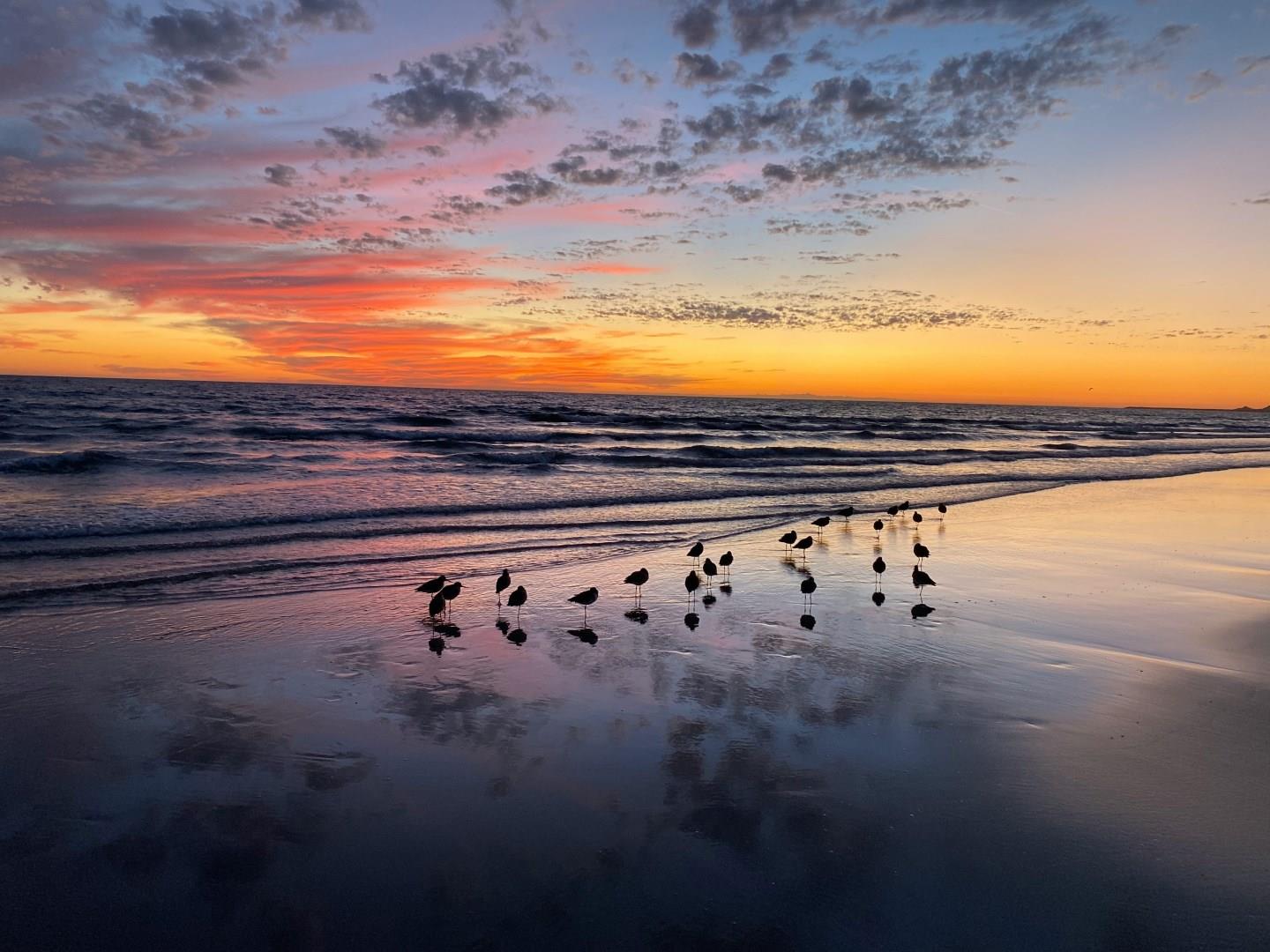
Puerto Penasco
Puerto Peñasco, also known as Rocky Point, rests along the warm waters of the Sea of Cortez in northern Sonora, Mexico. Along its shoreline, Sandy Beach draws visitors with long stretches of walkable sand and calm water, while Playa Hermosa and Playa Mirador offer quieter spots where tide pools appear as the sea pulls back. Boat rides to Bird Island, also known as Isla San Jorge, provide a rare chance to see large colonies of sea lions resting on rocky ledges.
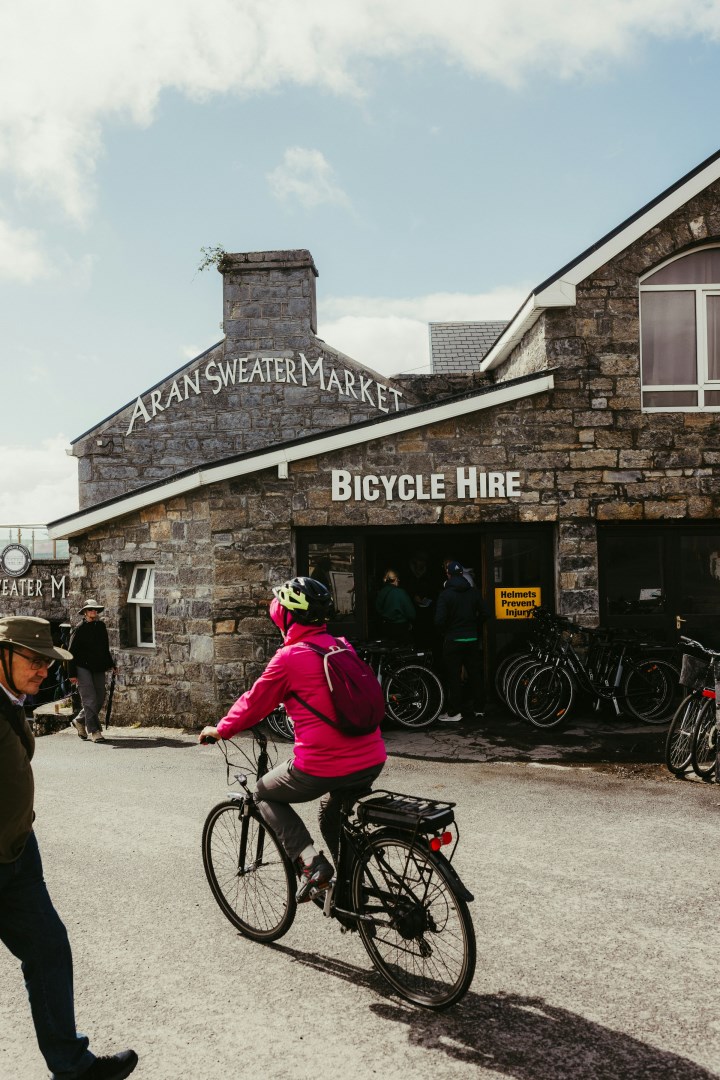
Aran Islands
The Aran Islands lie at the mouth of Galway Bay on Ireland’s west coast and comprise three inhabited islands: Inis Mór, Inis Meáin, and Inis Oírr. Their landscapes are defined by limestone terraces, stone walls, small fields, sea cliffs, and exposed coastal ground shaped by Atlantic weather. The islands are known for their distinctive dry-stone walls, which divide much of the farmland into small plots.
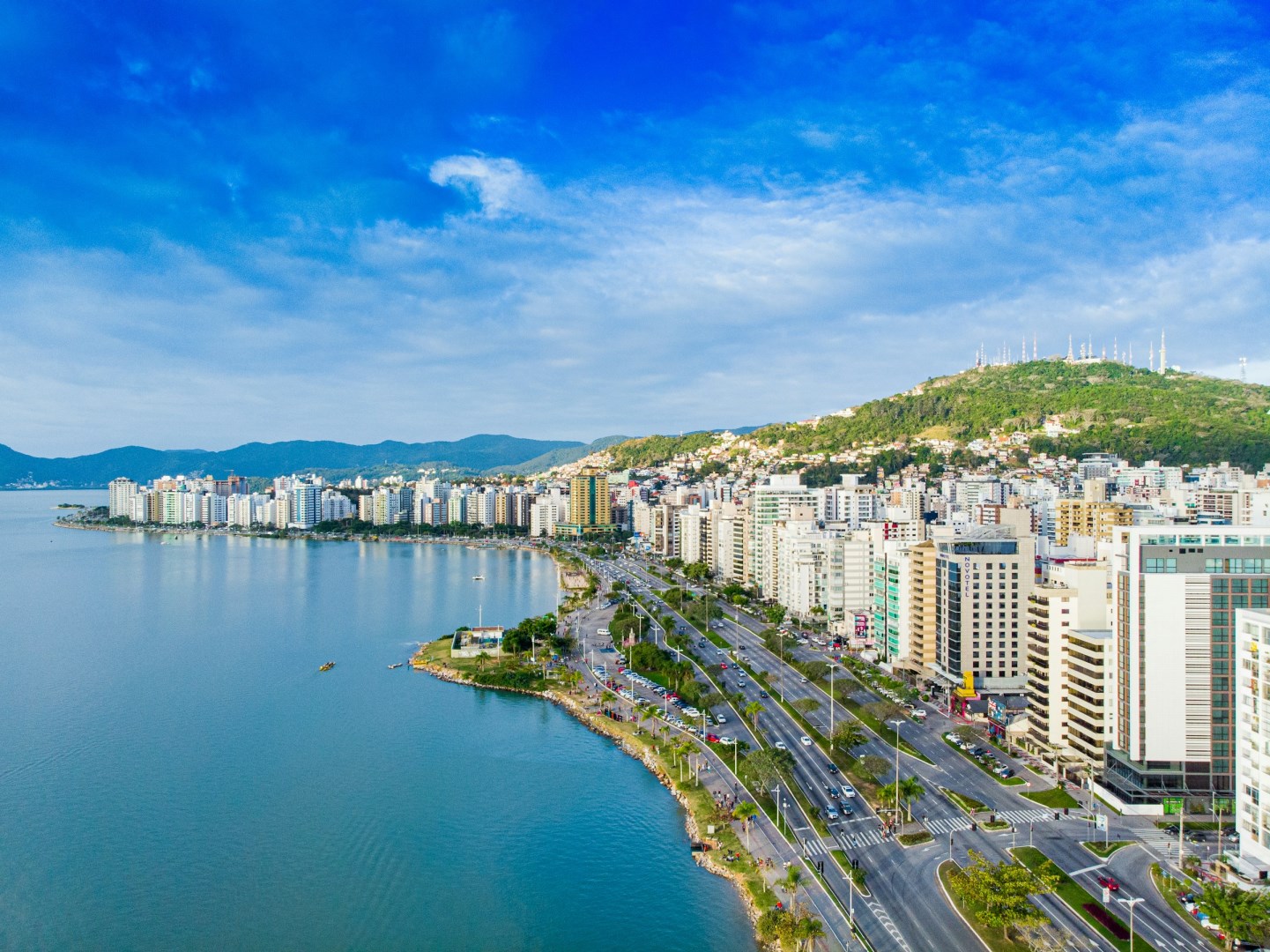
Florianópolis
Florianópolis is the capital of Santa Catarina and occupies most of Santa Catarina Island, with another part of the city on the mainland. Known locally as Floripa, it is shaped by a long coastline of beaches, lagoons, dunes, forests, and rocky hills. The island has more than 40 beaches, ranging from open Atlantic shores to sheltered bays and calm waters. Lagoa da Conceição lies near the center of the island and connects several distinct areas of the city.
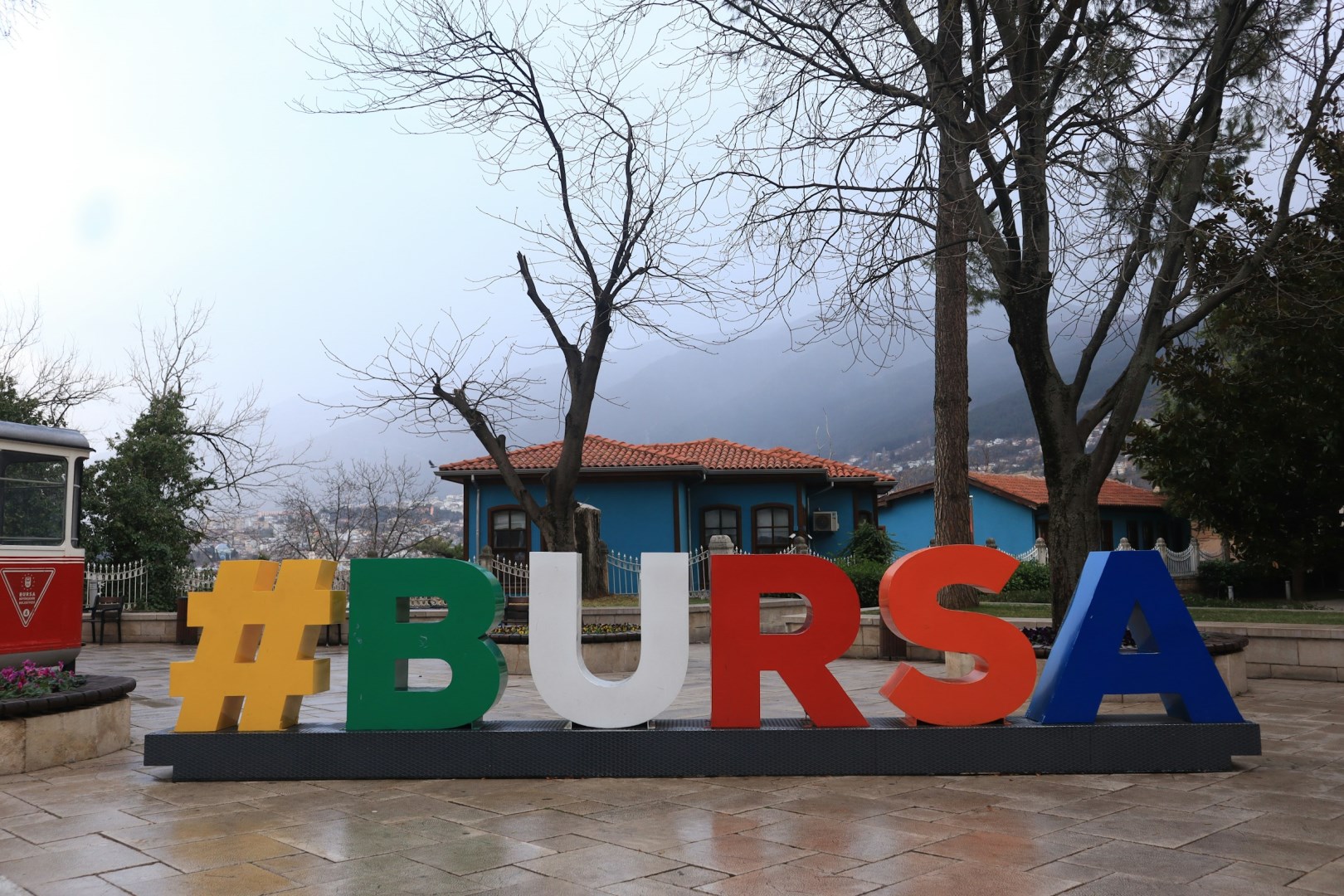
Bursa
Famous for its thermal baths and spas, it is said that the town was founded by Hannibal. It was originally called Prusa after Prusias I, king of Bithynia.