Dover
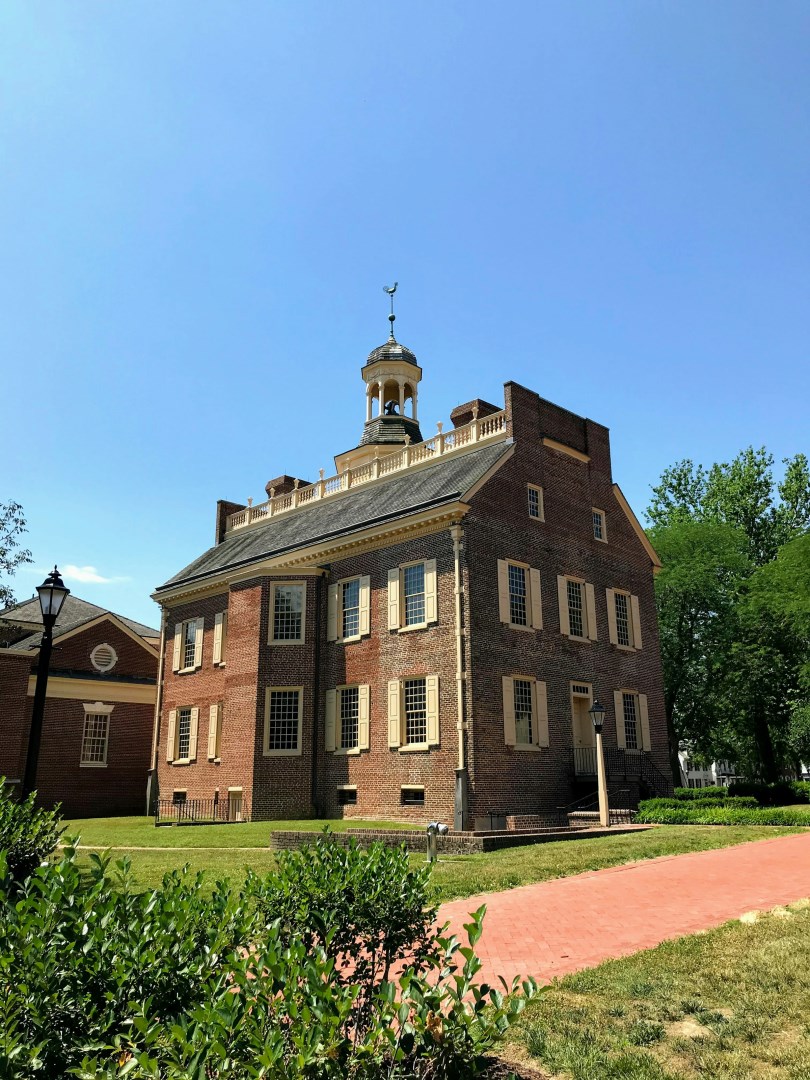
Dover, the capital of Delaware, is a charming city that blends rich American history with vibrant modern culture. A must-visit for history buffs is the First State Heritage Park, often called "Delaware's first urban park." This park connects many of Dover's historic landmarks, including Legislative Hall, the state's Capitol building, where you can explore Delaware's political past.
Perugia
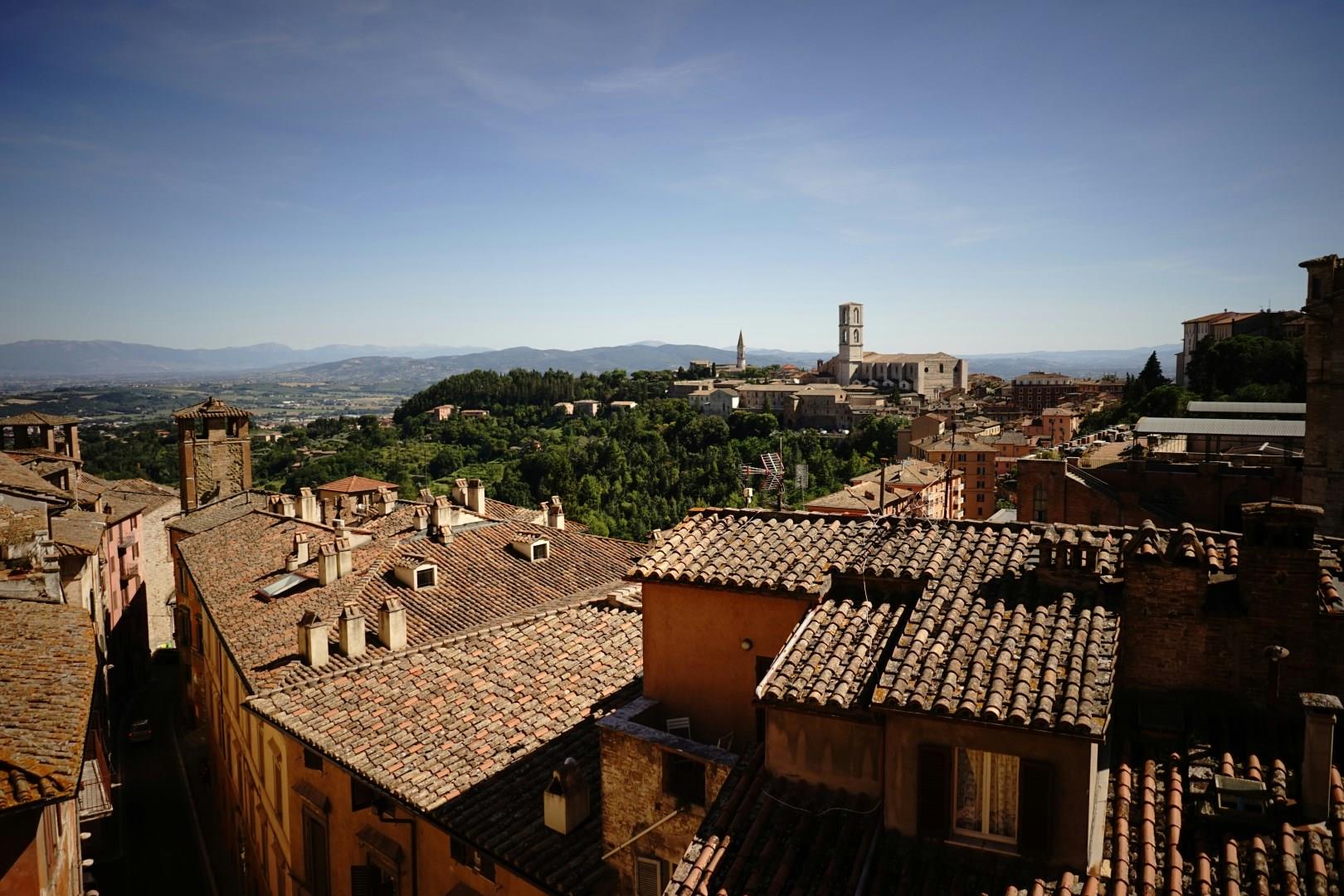
Perugia, the capital of Italy’s Umbria region, is a city built across hills and centuries. Originally settled by the Etruscans more than 2,500 years ago, it still holds remnants of their civilization, including one of the largest surviving Etruscan arches in Italy named Arco Etrusco, which greets visitors at the city’s entrance. Walking through the narrow streets of the historic center reveals layers of Roman, medieval, and Renaissance architecture, all woven together within ancient stone walls.
Cebu
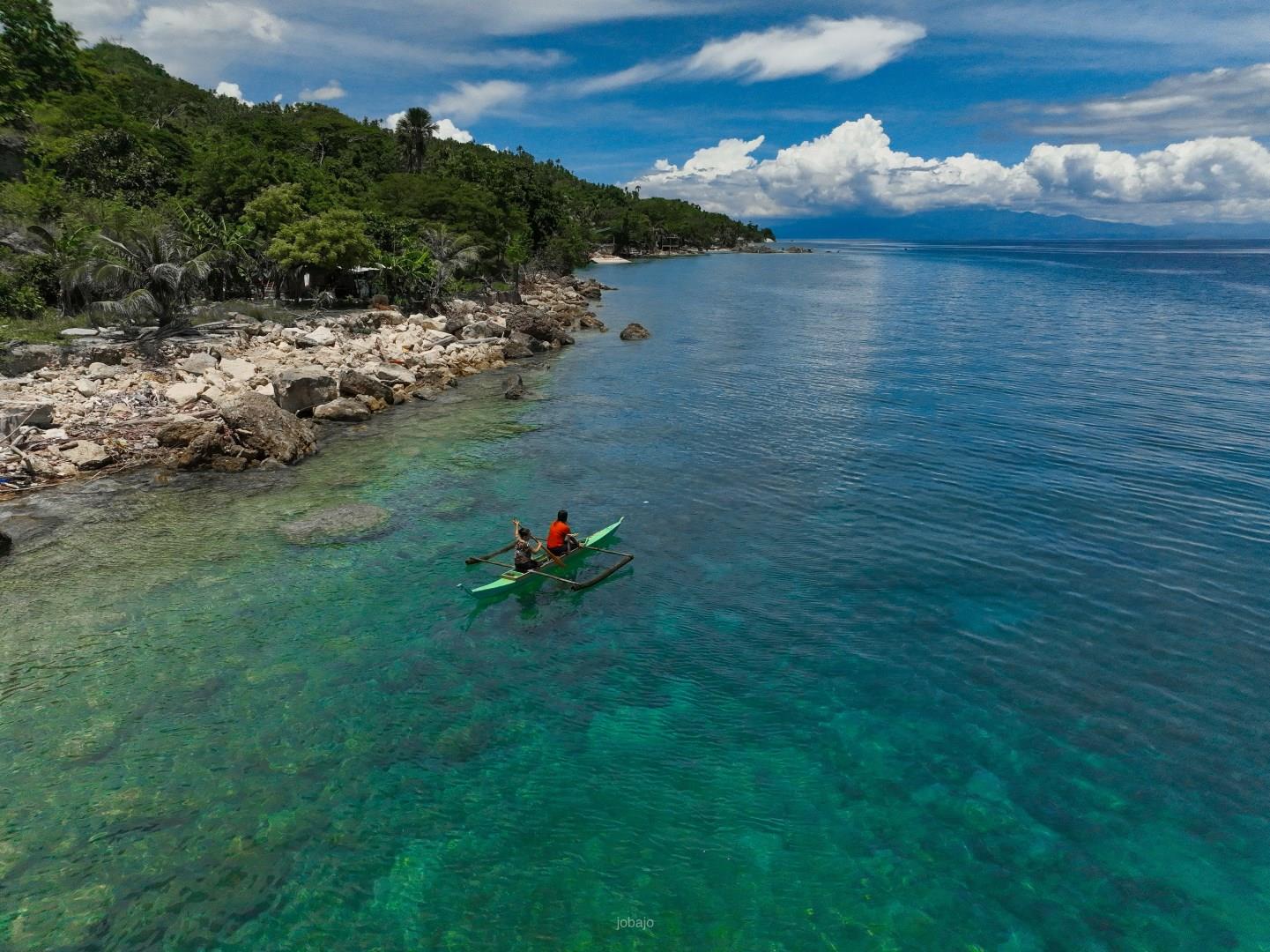
Cebu sits at the center of the central Philippines, shaped by seafaring trade and early colonial contact. It was here that Spanish rule first took hold in the 16th century, leaving a legacy visible in churches, street patterns, and long-standing ties to Catholic tradition.
Periyar
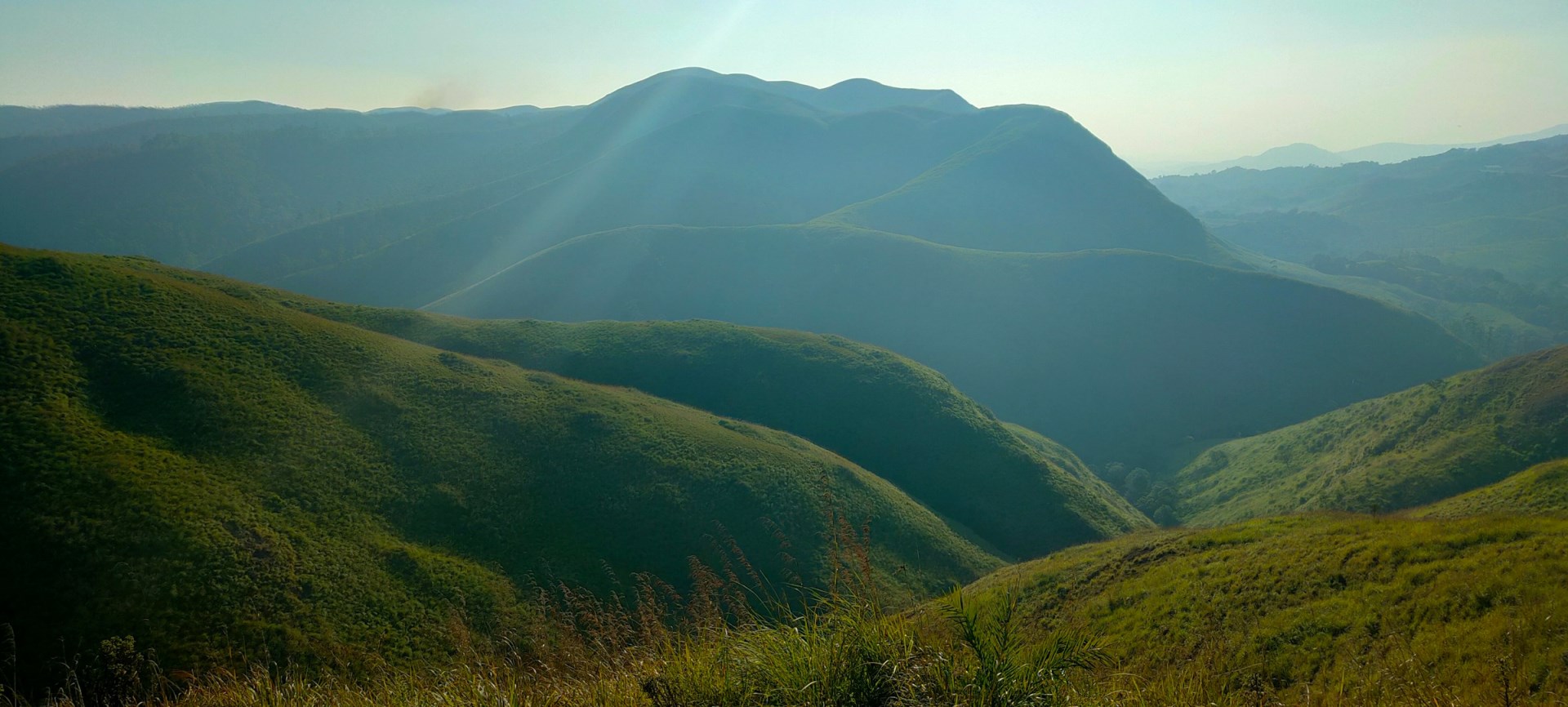
Periyar is a forested highland destination in Kerala’s Idukki district, centered on the Periyar Tiger Reserve and the town of Thekkady. Set within the Western Ghats, the region combines wooded hills, evergreen forests, grasslands, streams, and the large Periyar Lake. The tiger reserve covers about 925 square kilometres and supports an extensive range of wildlife. Its landscape is particularly associated with Asian elephants, Bengal tigers, gaur, sambar deer, wild dogs, and rich birdlife.
Freudenberg
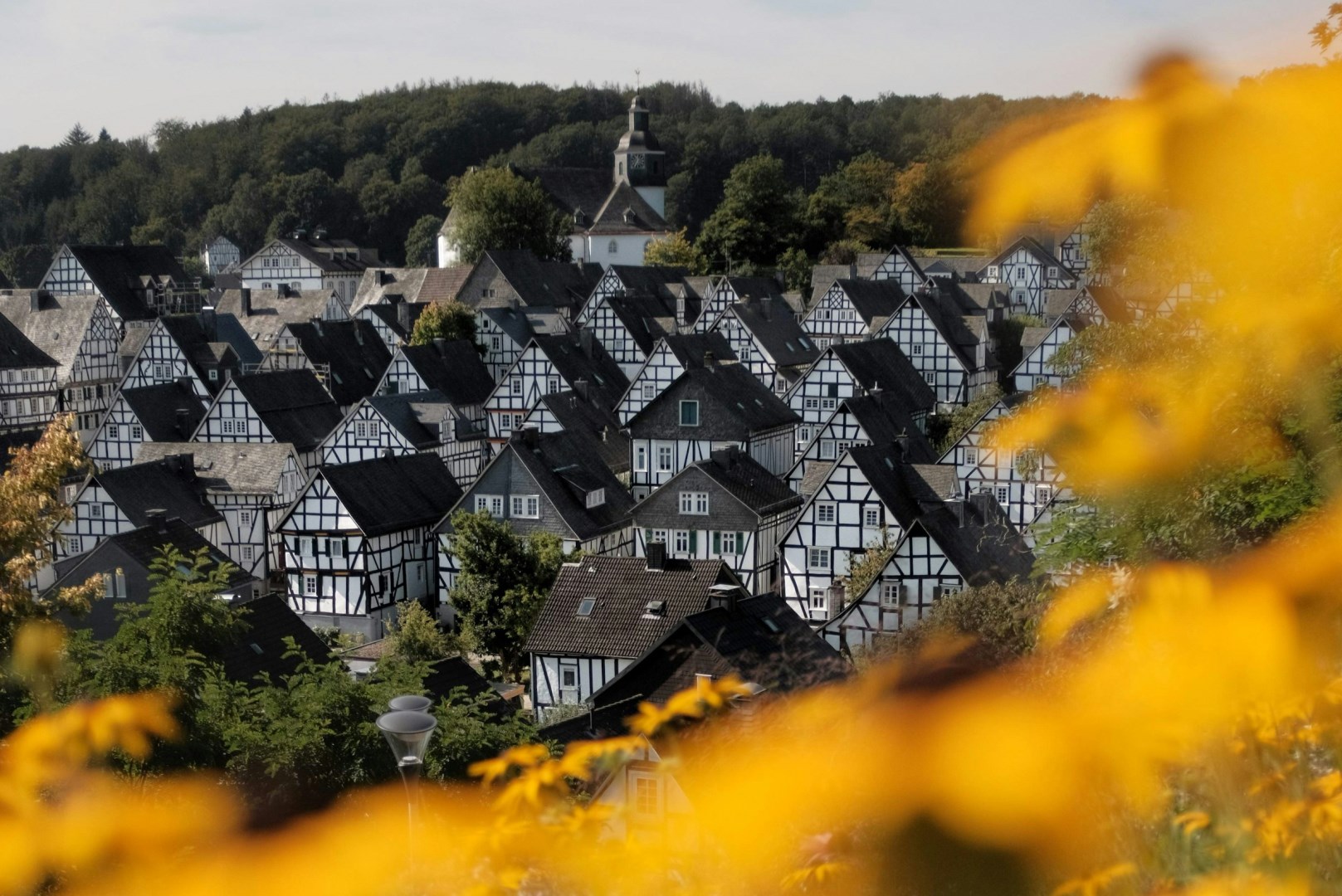
Freudenberg is a small medieval town in Germany. The "Alter Flecken" is Freudenberg's downtown area, built wholly of half-timbered houses that give the town a fairytale appearance. An open-air stage with roofed grandstand, the town museum housing a 1904 steam engine, and annual Oktoberfest celebrations are the town's most popular attractions.