Dawes Glacier
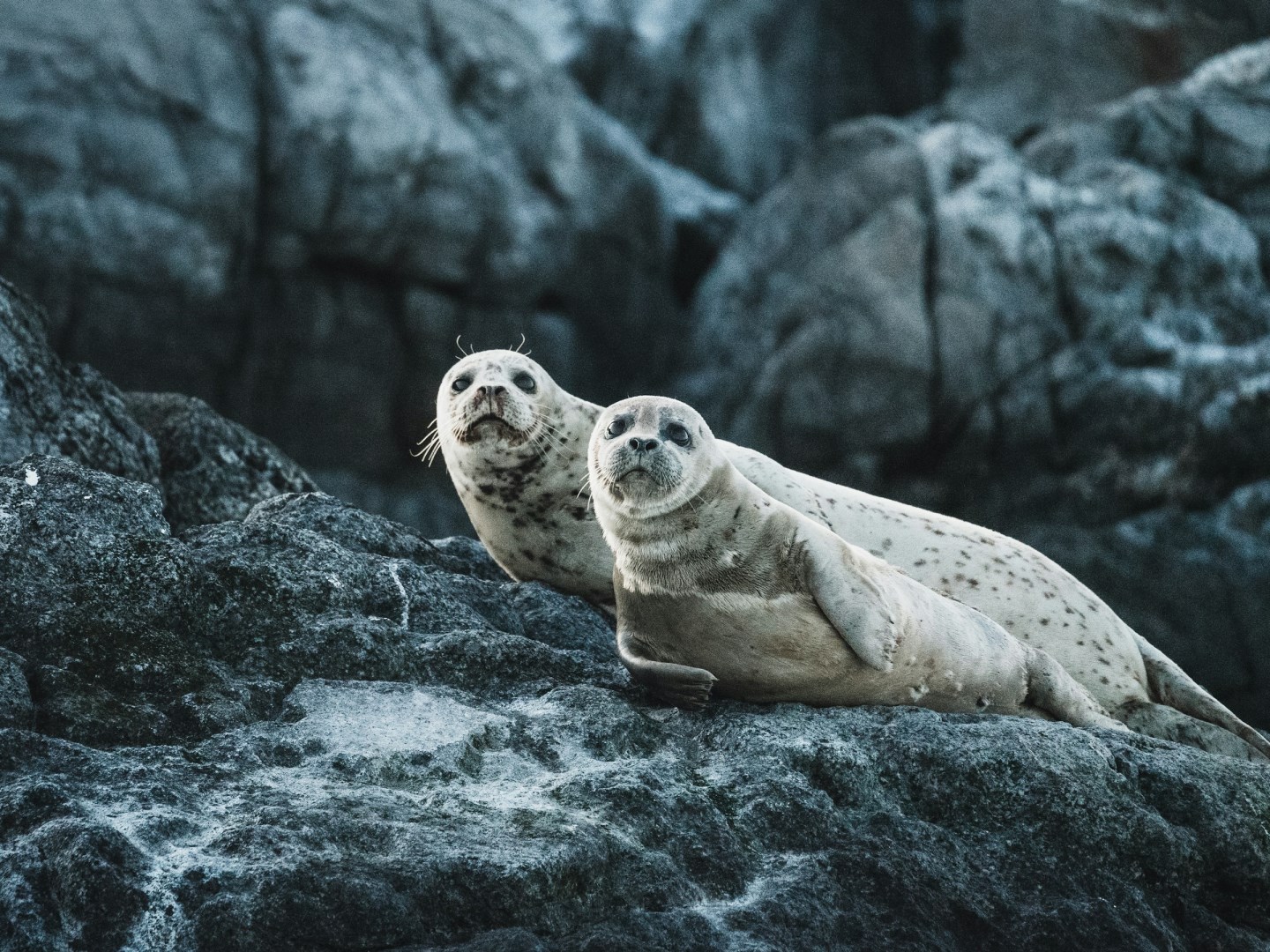
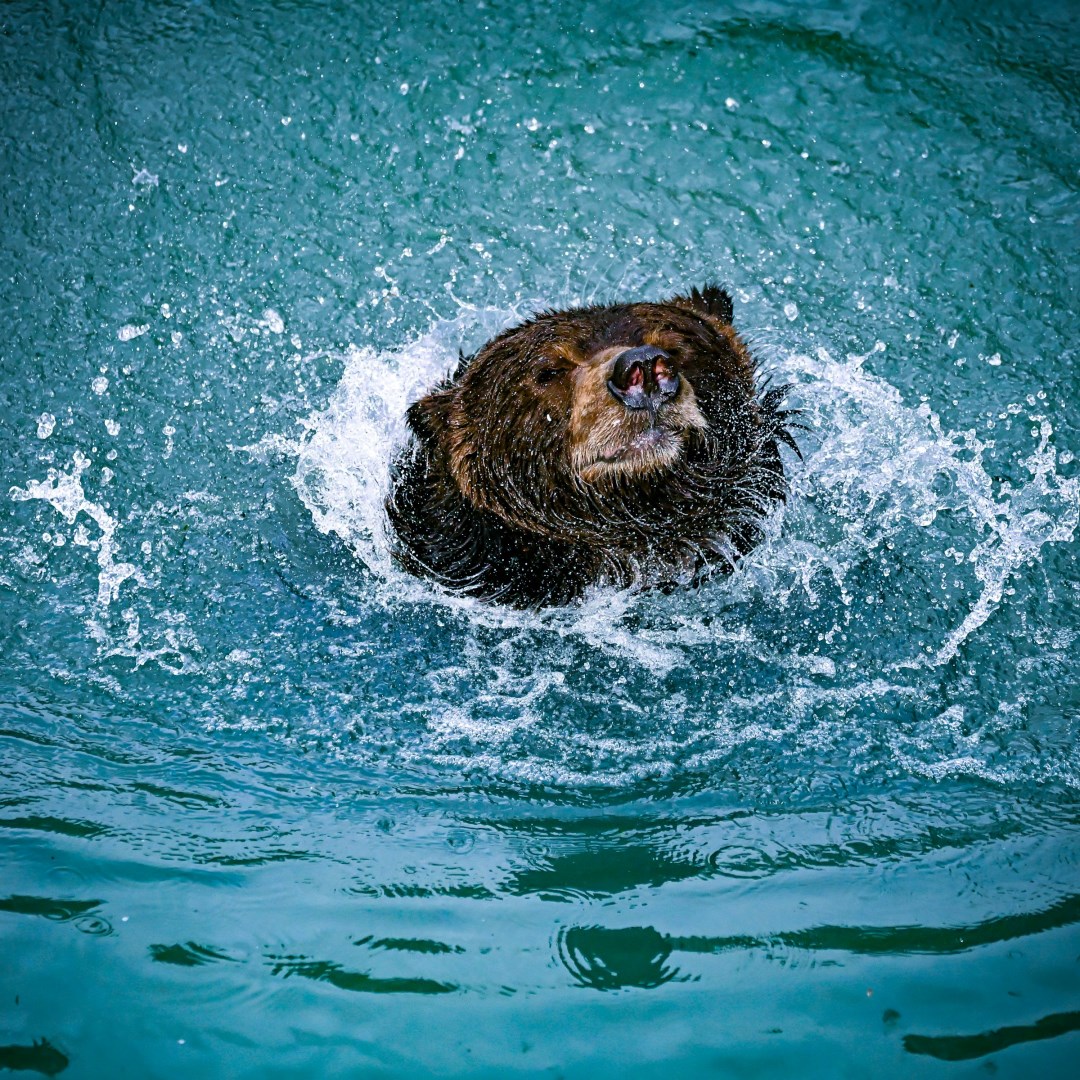
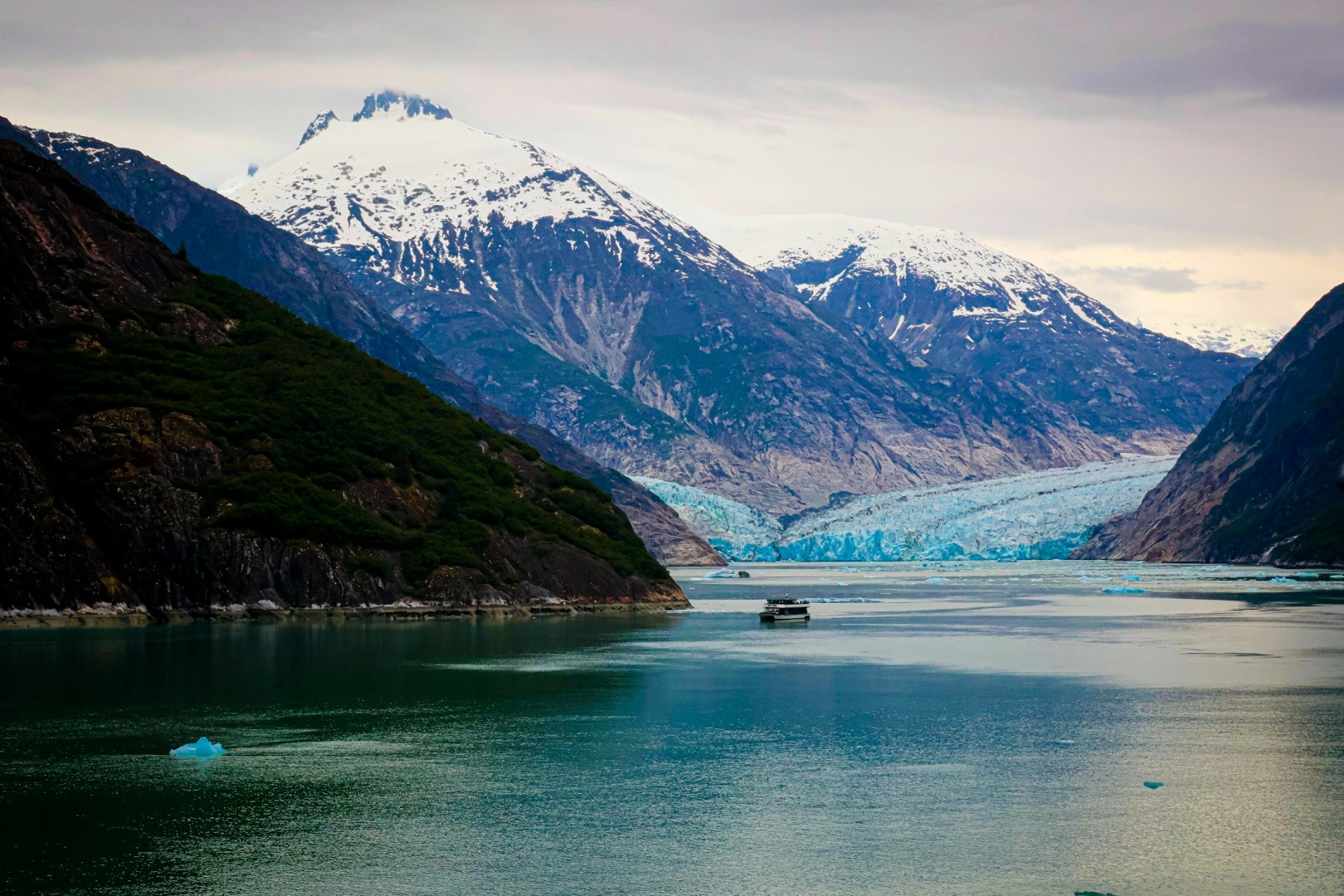
Dawes Glacier is a tidewater glacier in Endicott Arm, a deep fjord branching from the waters of southeastern Alaska’s Tracy Arm-Fords Terror Wilderness. The glacier descends from the Coast Mountains toward the head of the fjord, where ice meets seawater at a broad calving face. Towering mountains, steep cliffs, waterfalls, and dense coastal forest surround the fjord, creating a dramatic setting that is best experienced from the water.
Hope Bay
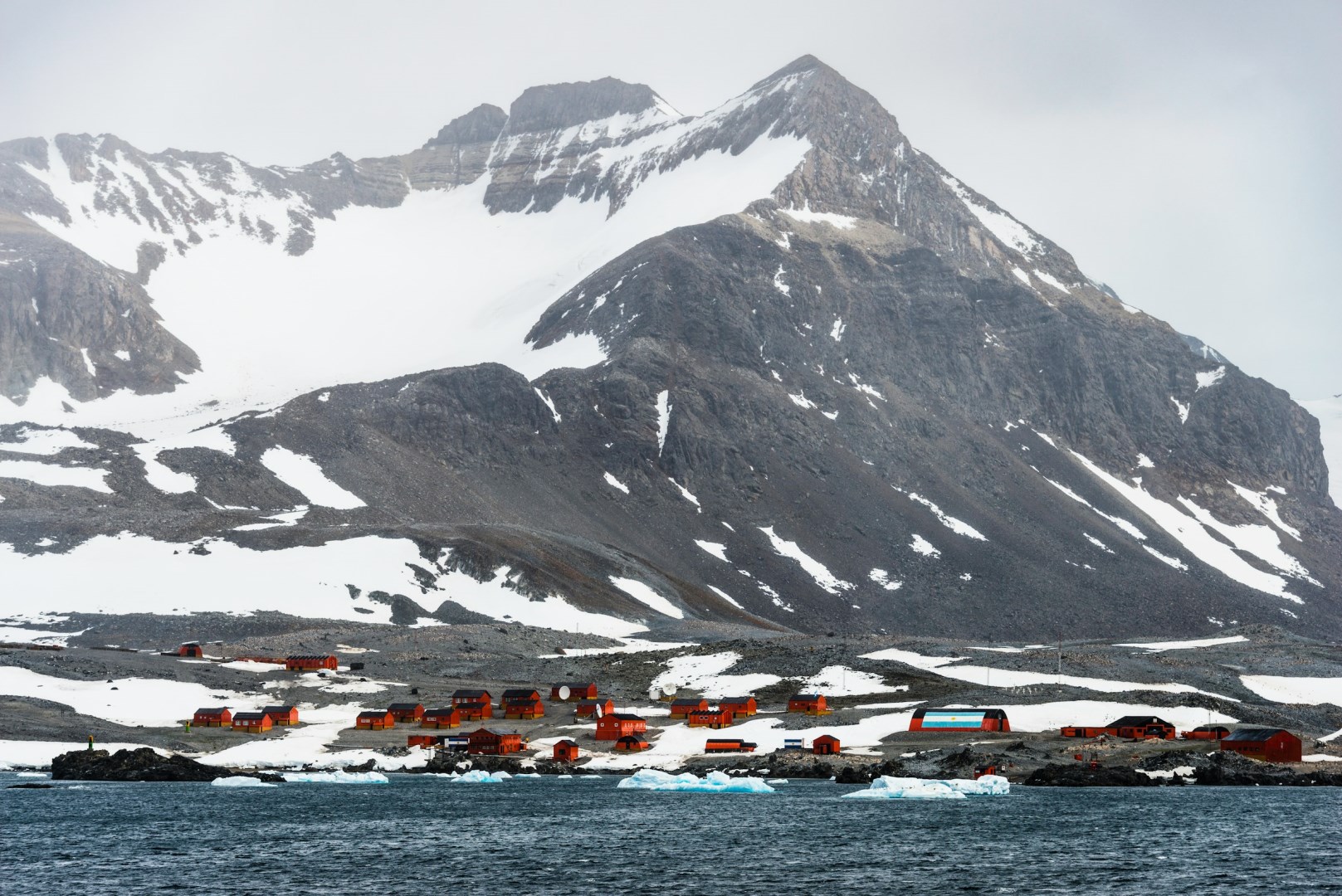
The bay’s environment supports a variety of Antarctic wildlife. Gentoo penguins breed around the shoreline, while skuas and other seabirds can be seen near the colony. Weddell seals and Antarctic fur seals may also occur in the area, particularly around beaches and sea ice. Mount Flora and the surrounding slopes provide a striking backdrop, with exposed rock contrasting against snowfields and glaciers.
Paxi
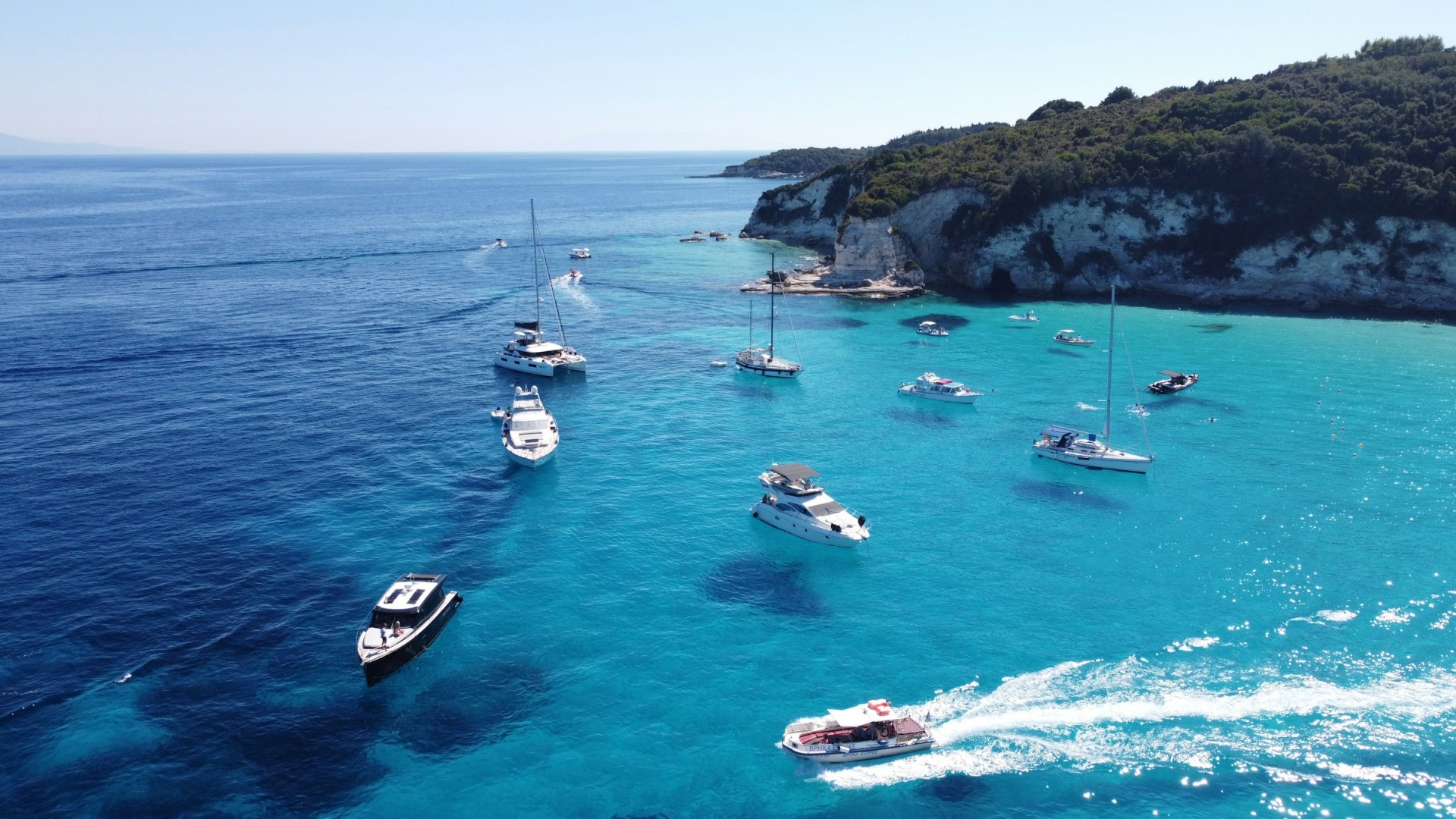
Paxi, also known as Paxos, is a small Ionian island south of Corfu, known for dense olive groves, sheltered harbours, limestone cliffs, and clear coastal waters. The island’s main settlement, Gaios, surrounds a protected harbour formed by the islets of Agios Nikolaos and Panagia, while Lakka and Loggos provide two smaller waterfront villages.
Saint-Gilles les Bains
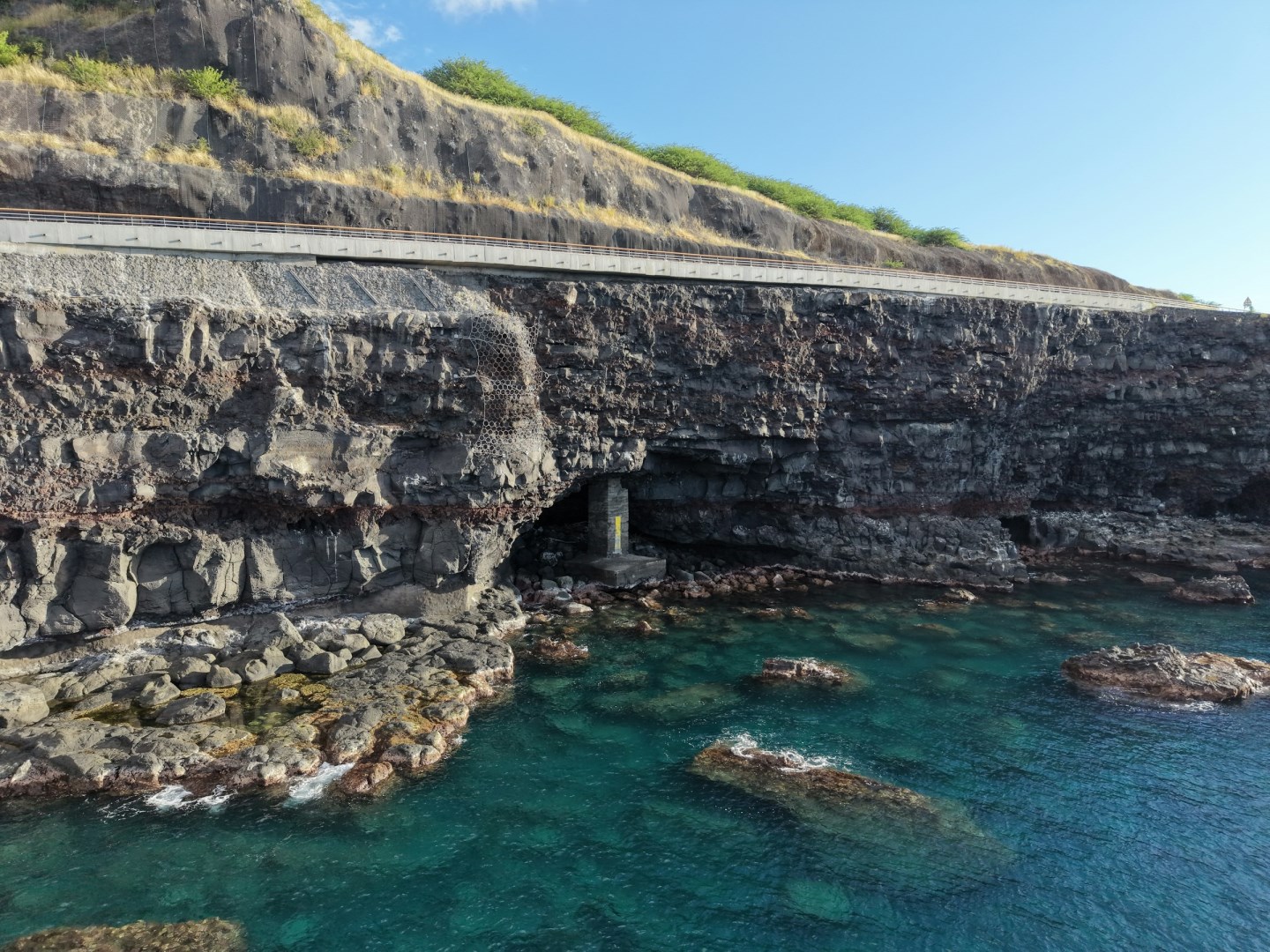
Saint-Gilles-les-Bains is a coastal town on the western side of Réunion, a French island in the southwestern Indian Ocean.
Abu Simbel
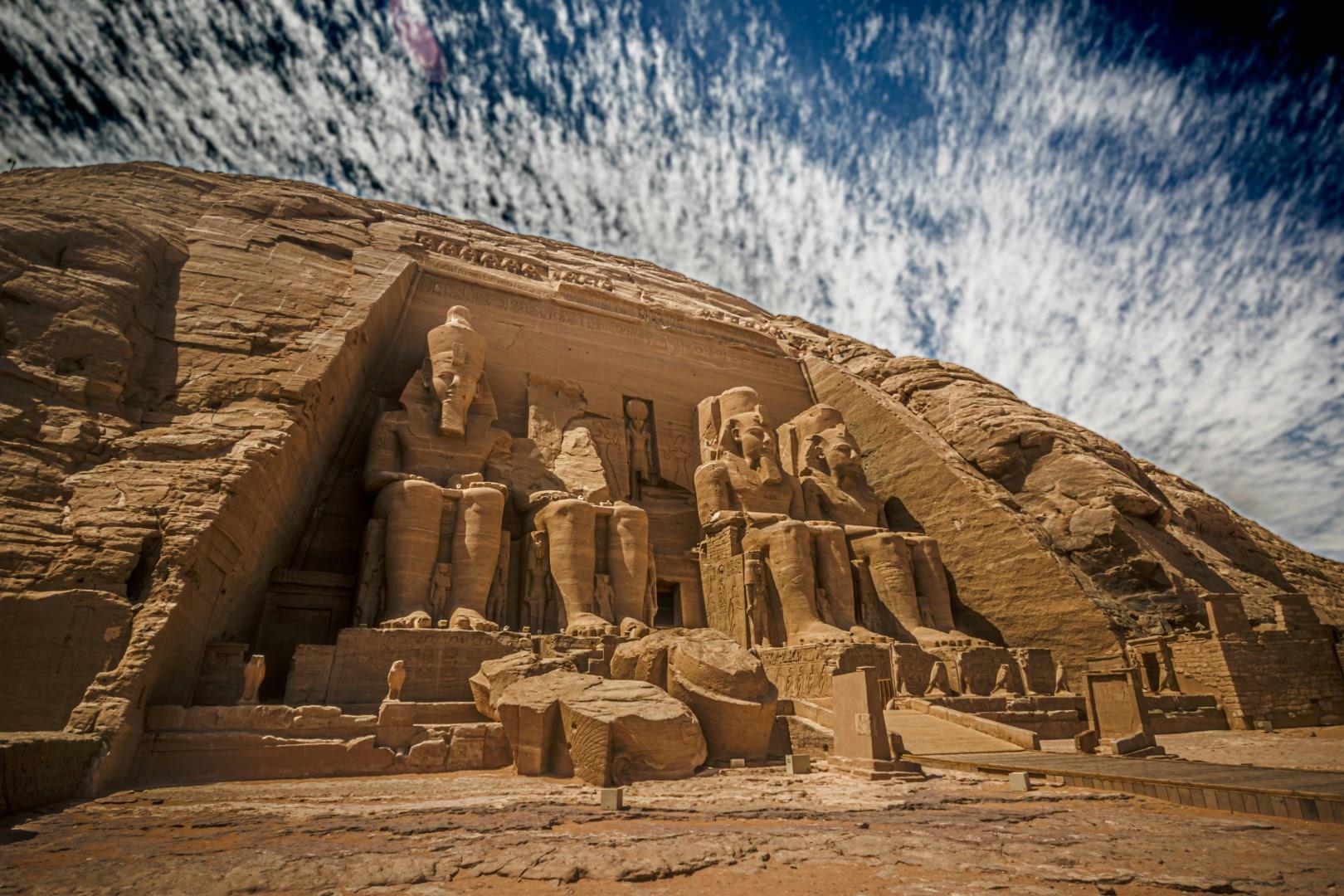
Abu Simbel, in southern Egypt near the border with Sudan, is one of the most awe-inspiring archaeological sites of the ancient world. Built during the reign of Pharaoh Ramses II in the 13th century BCE, the twin temples were carved directly into the sandstone cliffs overlooking the Nile. The Great Temple, with its four colossal statues of Ramses II seated at the entrance, was designed not only to honor the pharaoh but also to project his power to neighboring Nubia.