Coffee Axis
Nestled in the heart of the Andean mountains, Colombia's Coffee Region, or “Eje Cafetero,” is a lush tapestry of rolling hills, fertile valleys, and towering wax palms. This UNESCO World Heritage-listed landscape is more than just the epicenter of Colombia's coffee production—it is an invitation to explore a culture steeped in tradition, warmth, and a deep appreciation for the natural world.
Elafonisi
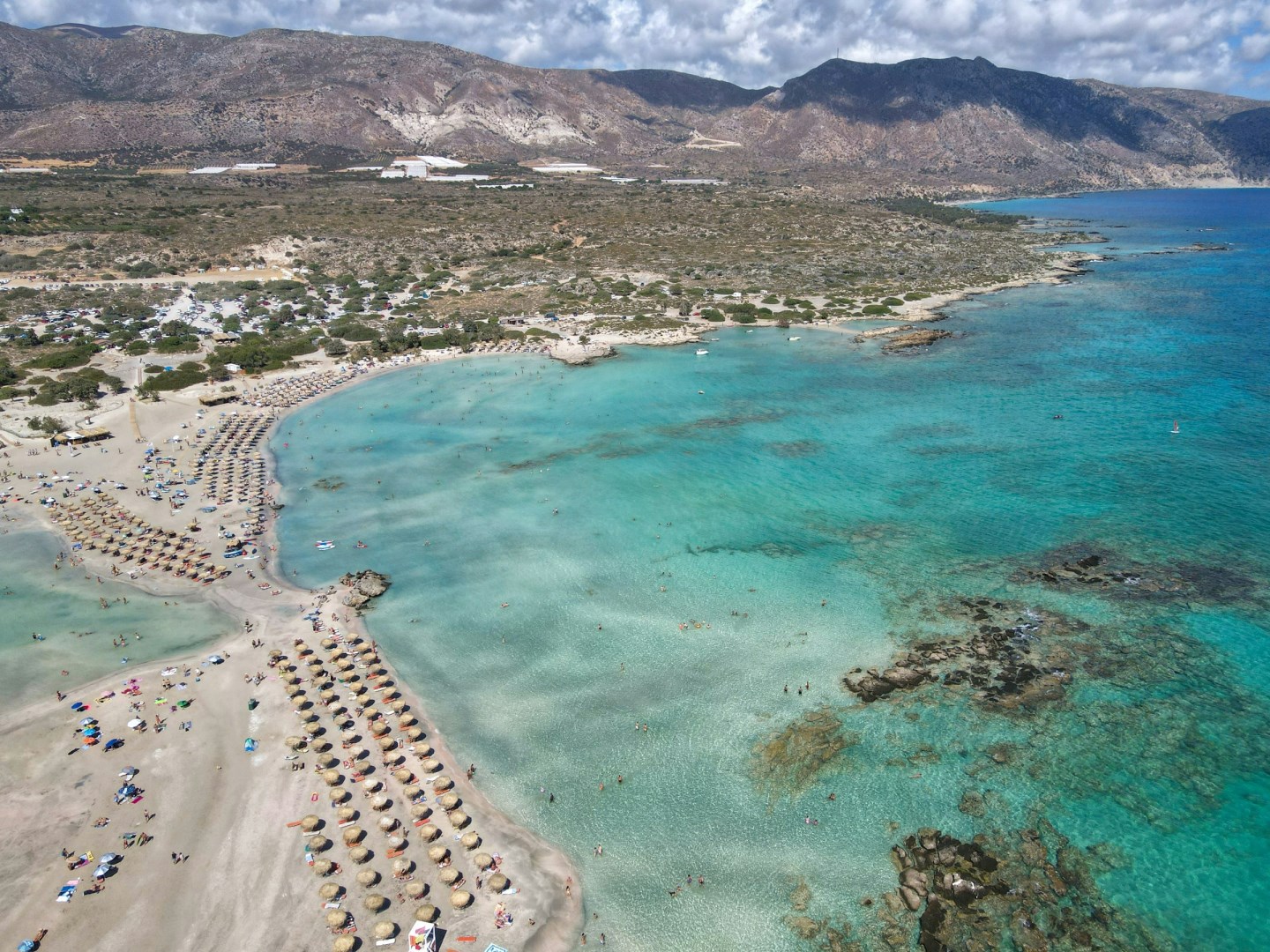
Elafonisi is a coastal area in southwestern Crete, known for a shallow lagoon, pale sand mixed with pink shell fragments, and a narrow sandy crossing to a small offshore island. The beach lies within a protected Natura 2000 landscape that supports sea lilies, rare plants, seabirds, and other wildlife.
Morro Bay
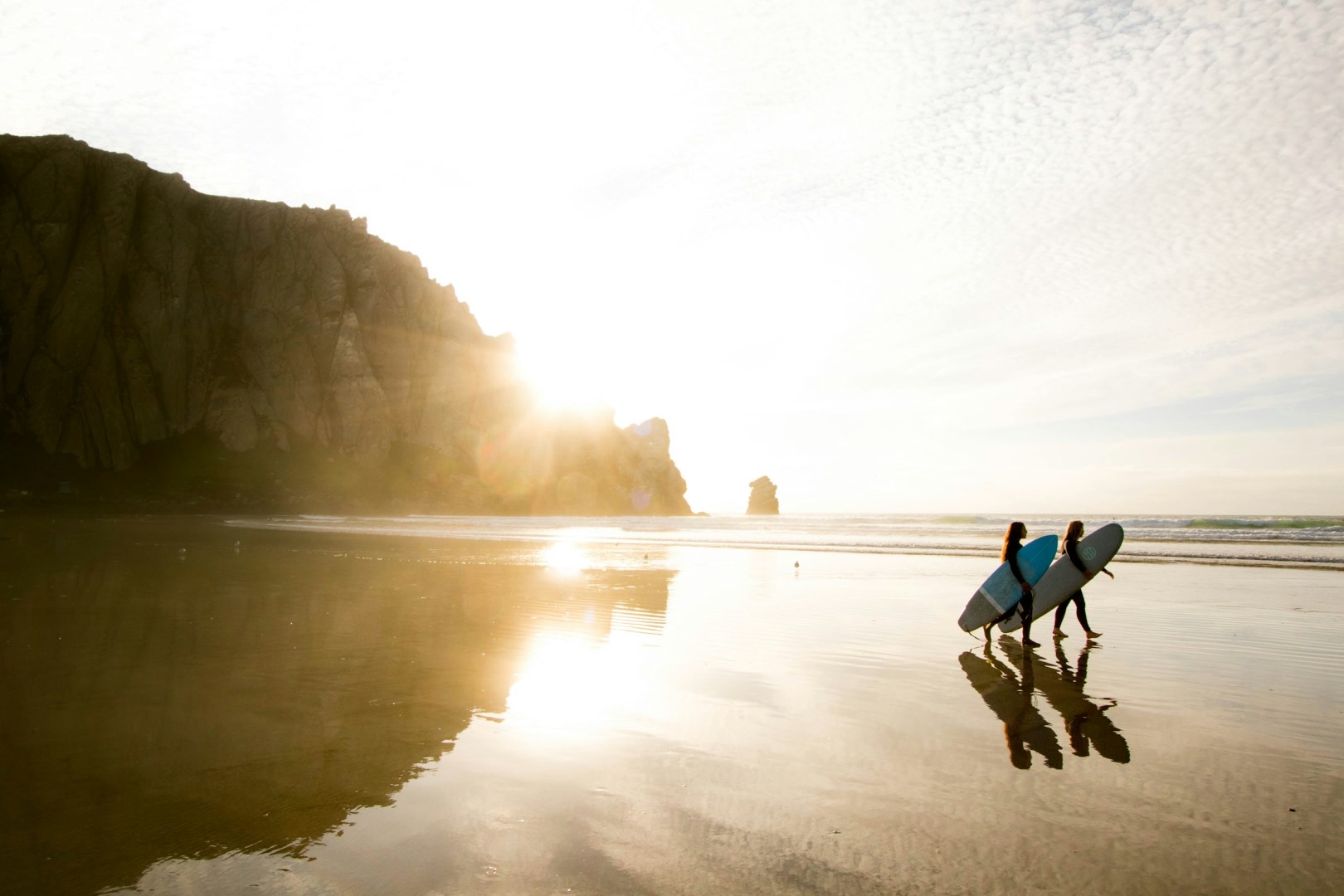
Morro Bay is a coastal city on California’s Central Coast, situated around a natural harbor between San Luis Obispo and the Pacific Ocean. Its most recognizable landmark is Morro Rock, a large volcanic plug rising at the entrance to the bay. The city’s waterfront includes fishing docks, marinas, beaches, and a working harbor, while wetlands and dunes surround parts of the shoreline.

Höfn
Höfn is a small fishing town in southeastern Iceland, located on a narrow peninsula surrounded by the waters of Hornafjörður and nearby lagoons. The town sits beneath the large Vatnajökull ice cap, whose glaciated peaks form a prominent backdrop to the surrounding landscape. Höfn is an important service and fishing center for southeast Iceland, with a harbor, restaurants, shops, and accommodation.
Frankfort
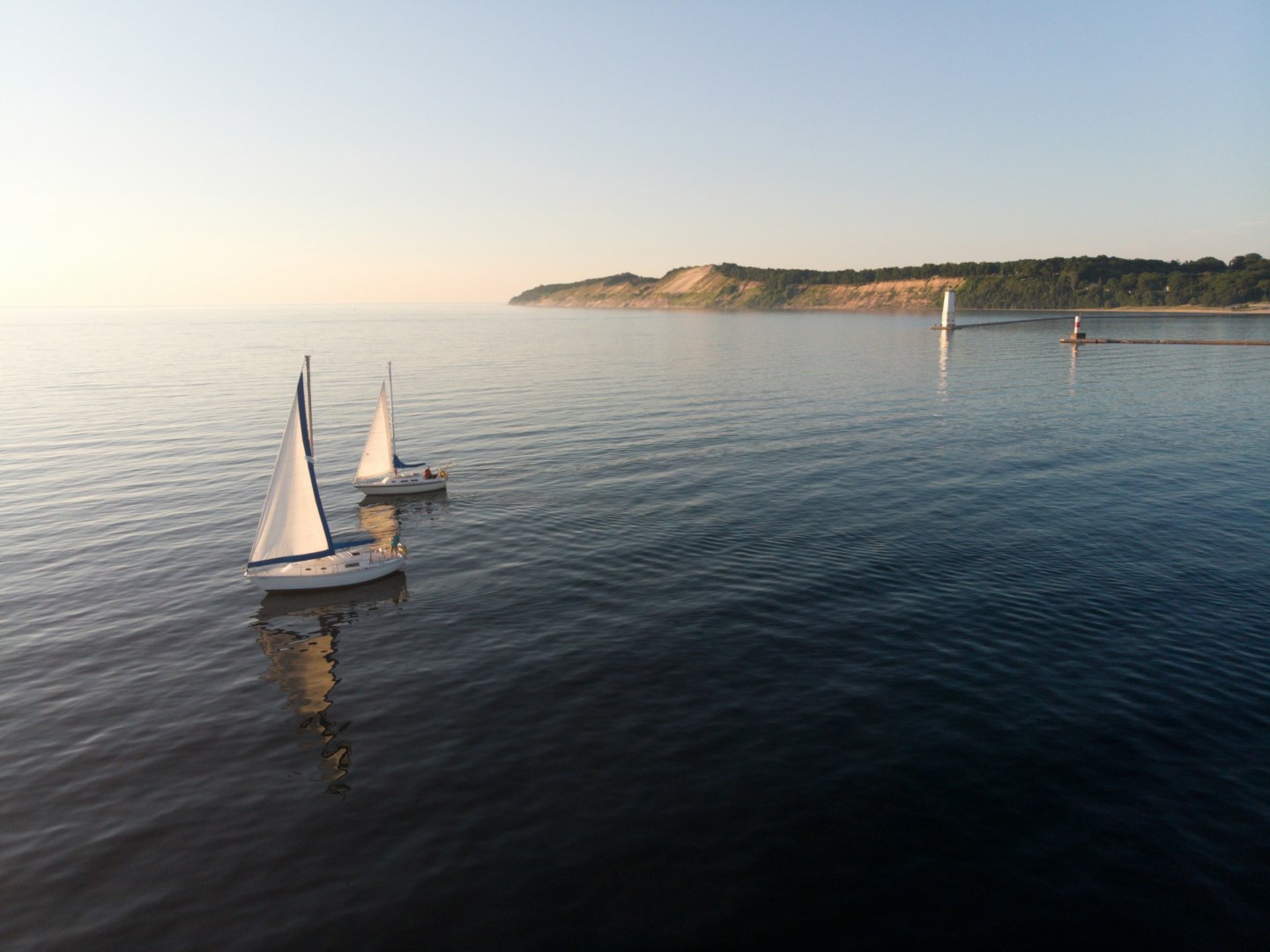
Frankfort is a small lakeside city in northwestern Michigan’s Benzie County, positioned along the eastern shore of Lake Michigan. Its setting includes a protected harbor, sandy beaches, wooded hills, and views across the lake, with Betsie Lake and the Betsie River adding freshwater landscapes nearby.