Karnak
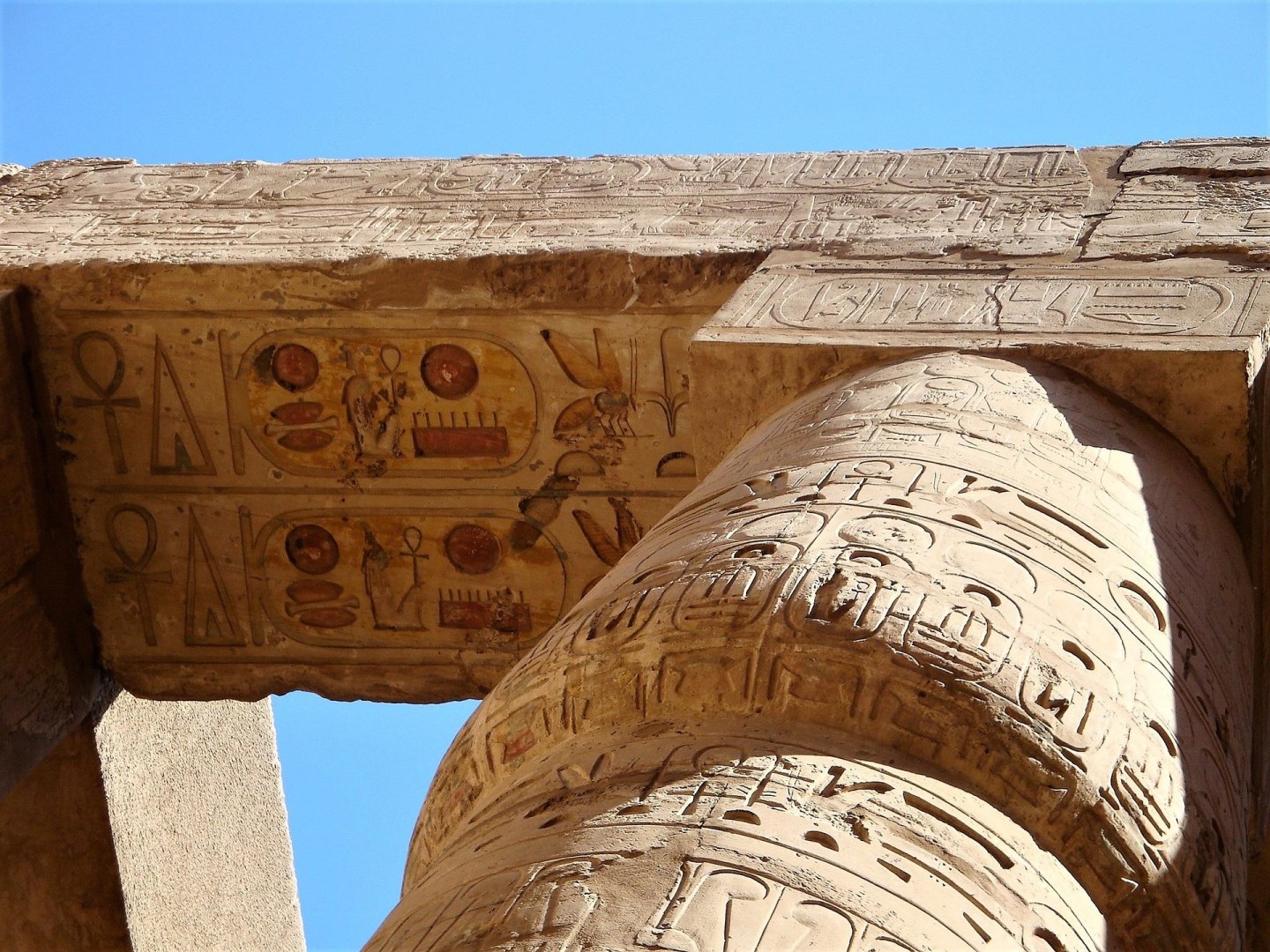
Karnak Temple is a huge, open air complex and, after the Giza Pyramids, the second most visited historical place in Egypt. The largest religious building ever constructed, it sits on 200 acres—a true wonder of the world. Decayed pylons, chapels and temples make up this unmissable historical attraction near Luxor.
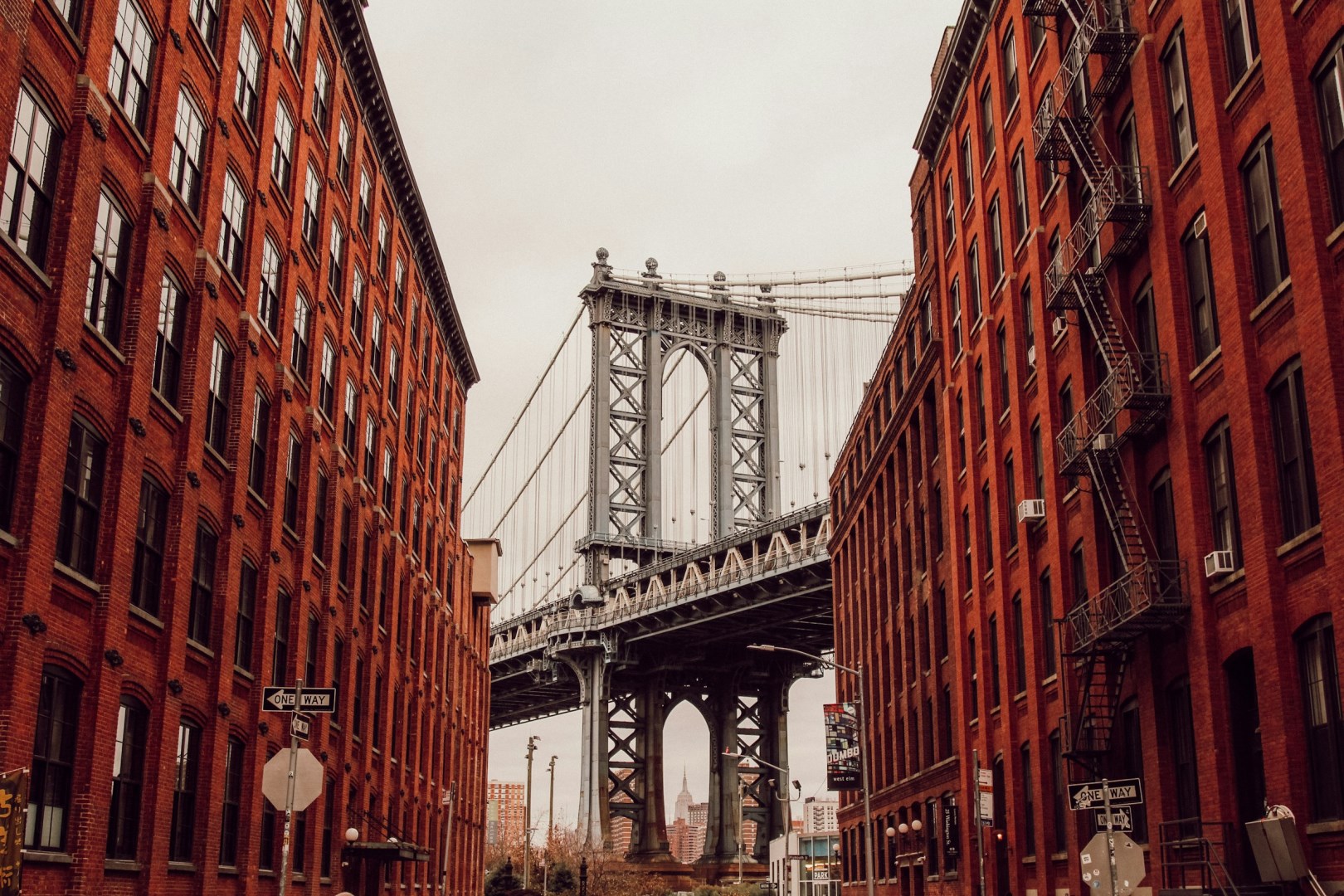
Brooklyn
Brooklyn is New York City’s largest borough by population and occupies the western end of Long Island, with a long waterfront facing Manhattan, New York Harbor, and the East River. Its neighborhoods range from the historic streets of Brooklyn Heights and Cobble Hill to the row houses of Park Slope, the industrial waterfront of Red Hook, and the busy commercial districts of Flatbush and Sunset Park. Brooklyn is also known for its parks, beaches, cultural institutions, and independent businesses.
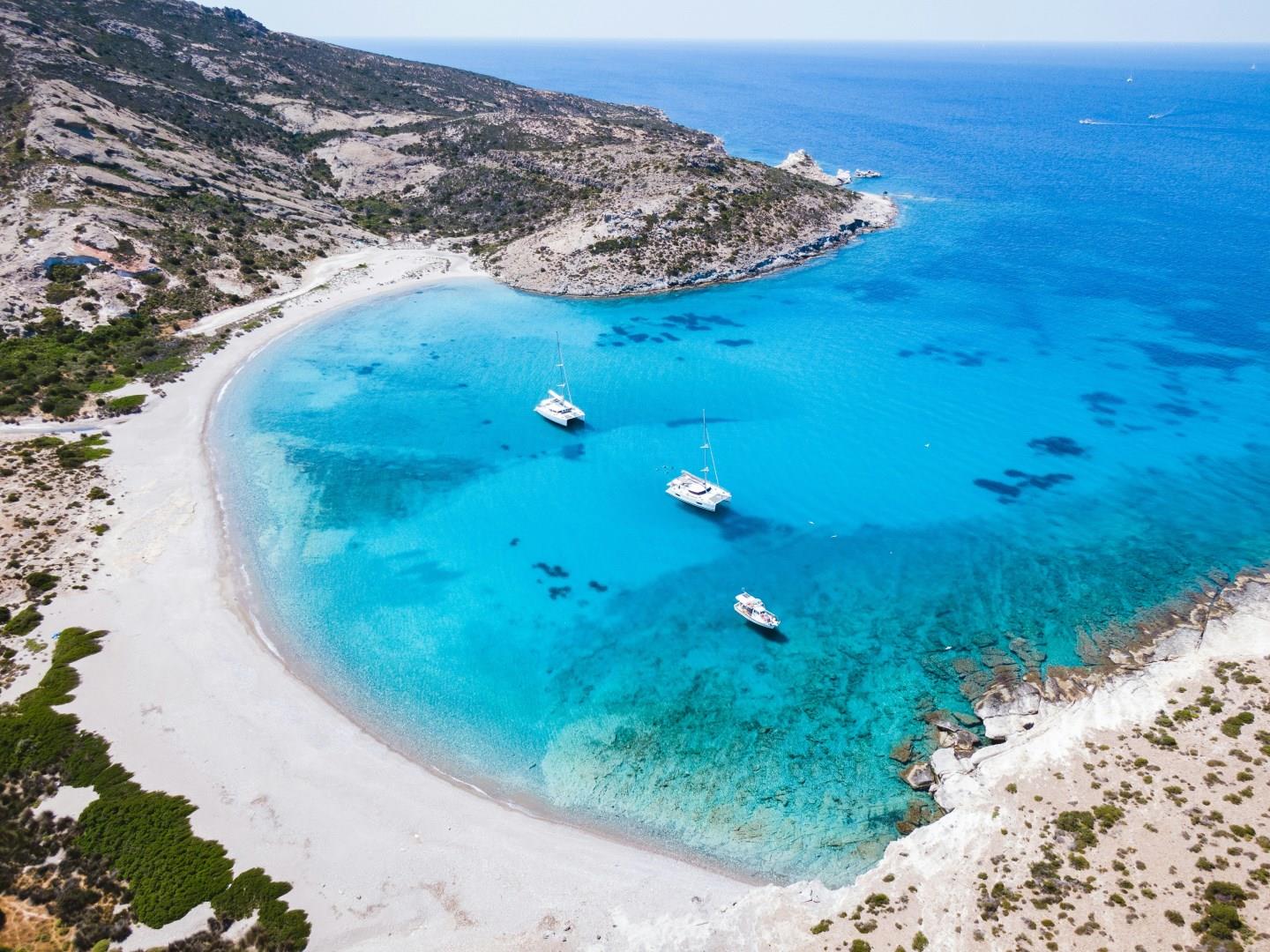
Milos
Milos is one of the most striking islands in the Aegean Sea, known for its otherworldly landscapes, turquoise coves, and centuries-old history. Shaped like a horseshoe, the island was formed by volcanic activity which left behind dramatic cliffs and hidden beaches carved from soft white rock. Visitors often find their first glimpse of Milos unforgettable, especially at Sarakiniko Beach where smooth, chalk-white formations contrast with the vivid blue water.
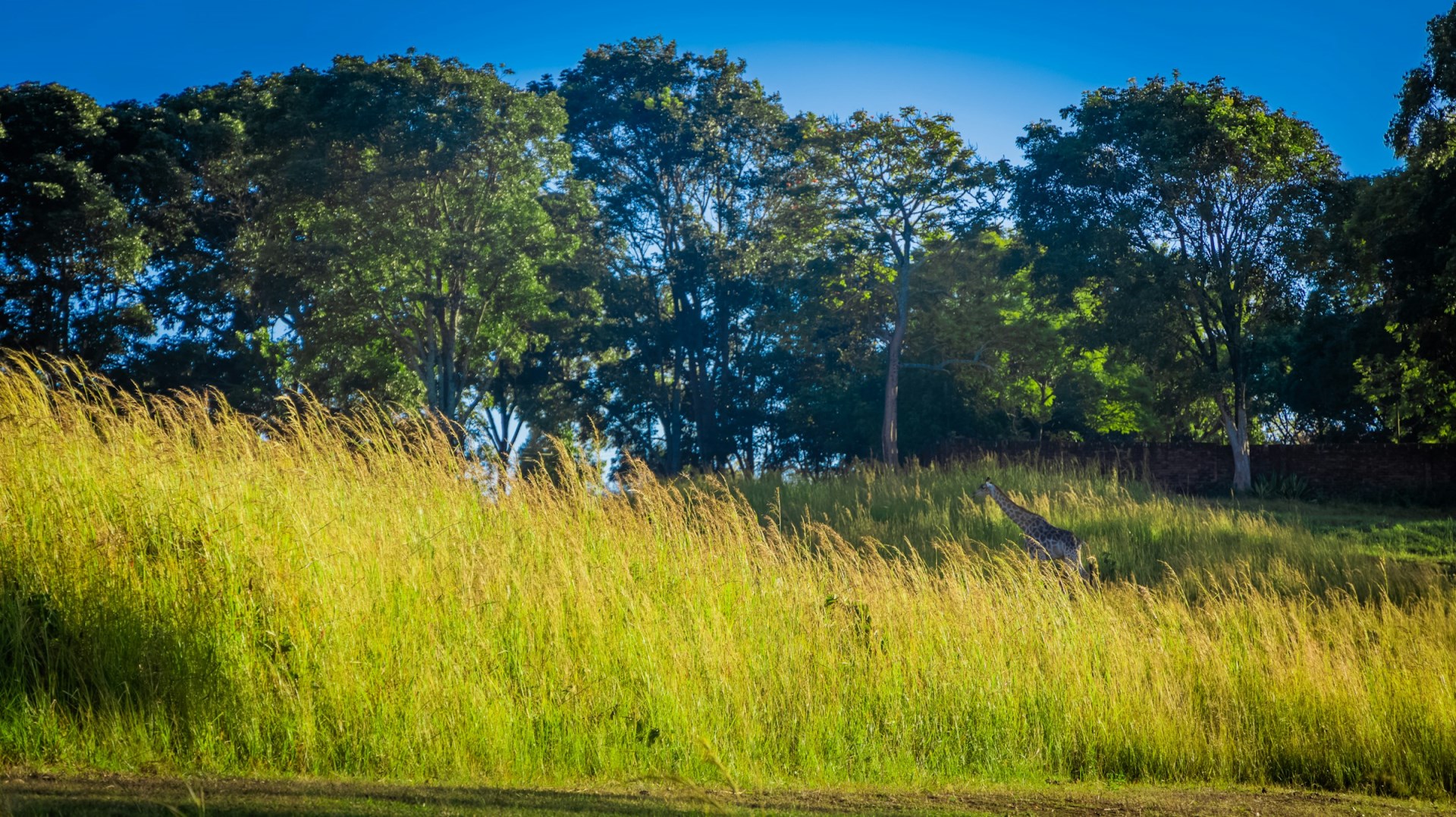
Thyolo
Thyolo is a district and town in southern Malawi, set among the rolling hills of the Shire Highlands between Blantyre and Mount Mulanje. It is best known for its tea estates, where carefully planted rows of tea cover the slopes and form one of the region’s defining landscapes. The area also produces coffee and other crops, while the surrounding highlands support forests and farmland.
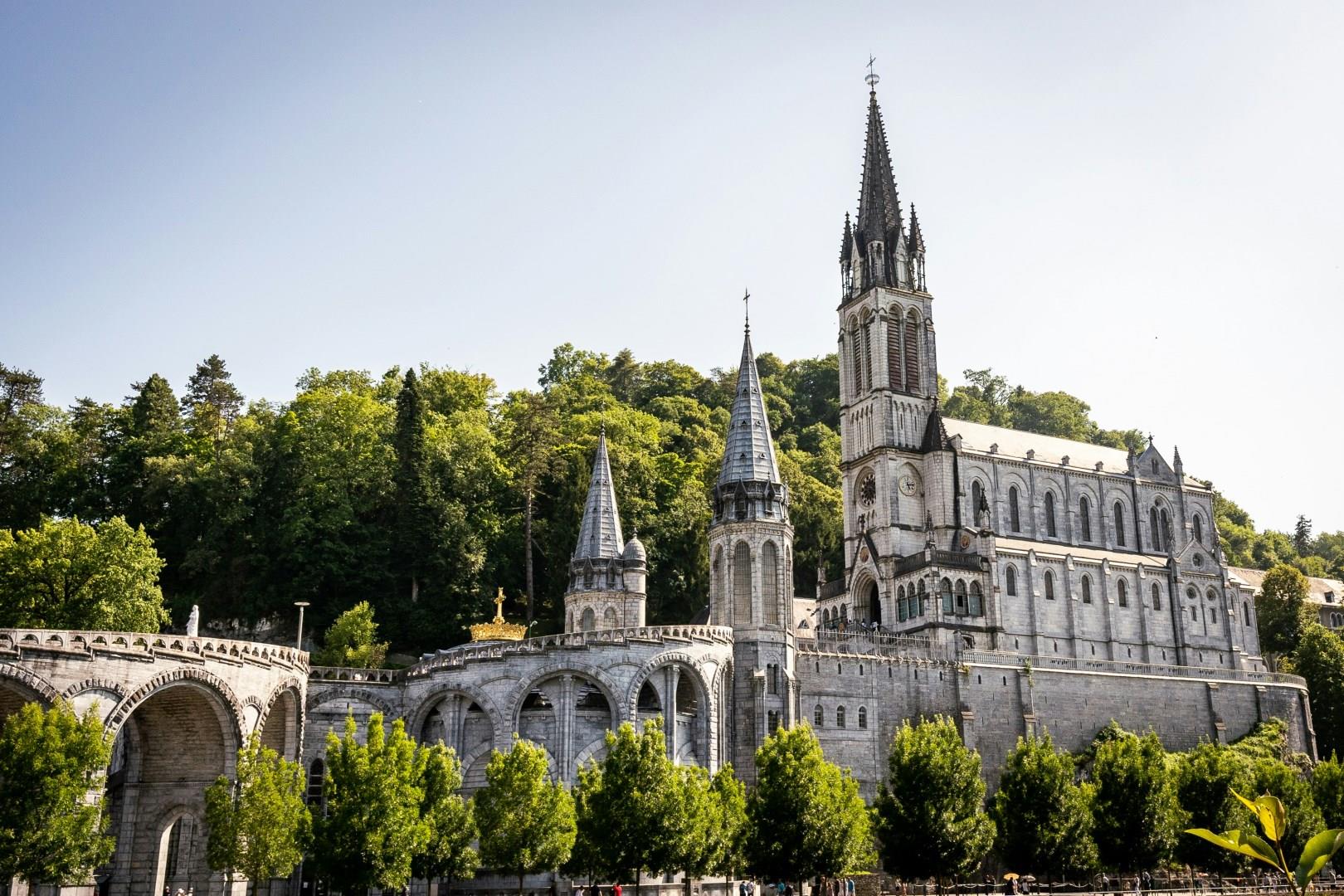
Lourdes
Located at the foot of the Pyrenees in southwestern France, Lourdes is best known for the Marian apparitions reported by 14-year-old Bernadette Soubirous in 1858. These events transformed the small market town into one of the most visited pilgrimage sites in the world. The Sanctuary of Our Lady of Lourdes, which includes the Grotto of Massabielle, the Basilica of the Immaculate Conception, and the underground Basilica of St. Pius X, draws millions each year.