Santa Cruz de la Sierra
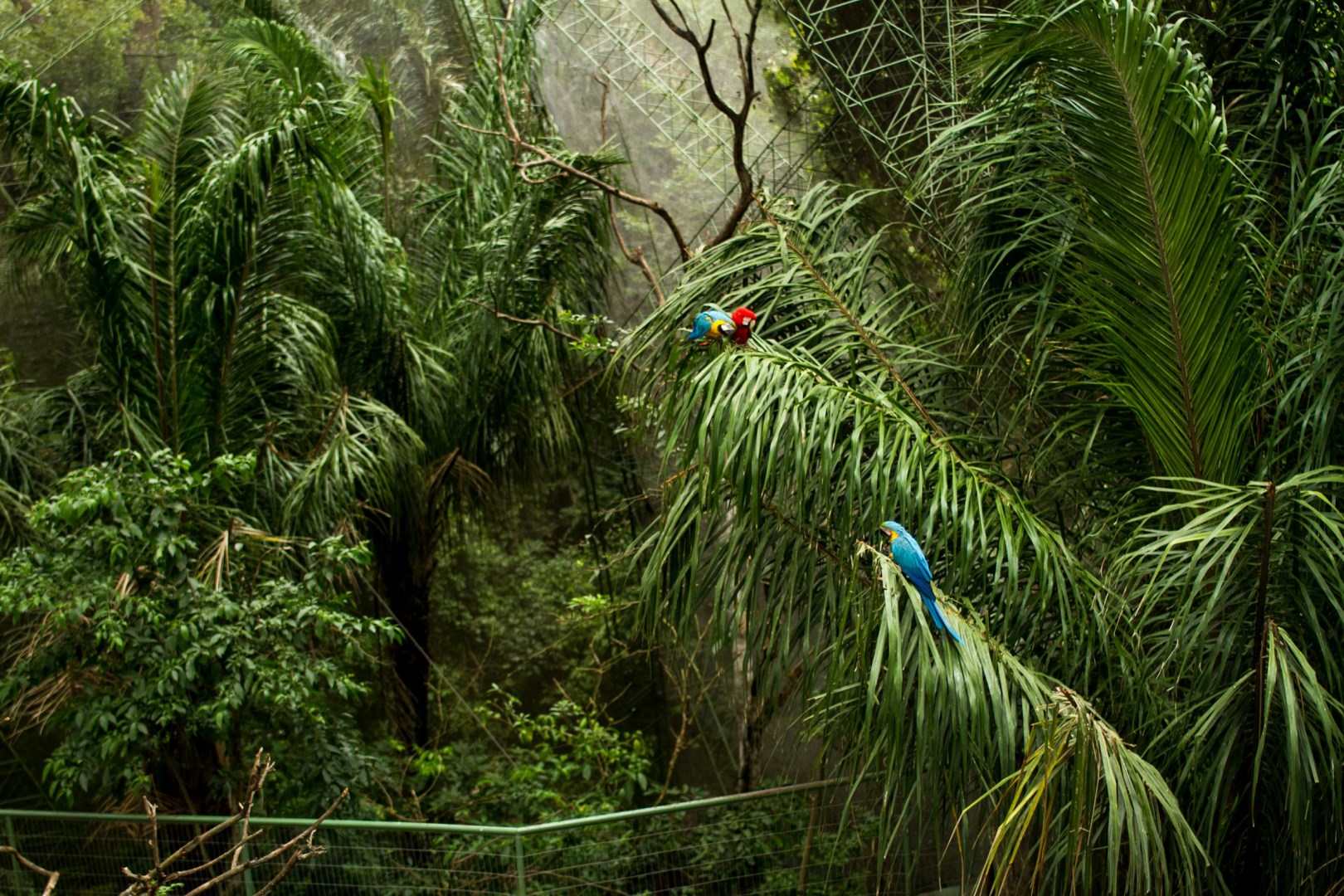
Santa Cruz is in stark contrast to La Paz. Climate is tropical and altitude is only 1,250 feet. It is on the eastern lowland side of the Andes mountain range and one of the gateways to Bolivia's jungle area. Trinidad is the other. Much of Bolivia's natural resources, including agricultural products, are found in this area. Although Santa Cruz has grown tremendously some parts of downtown still retain a look of an Old West frontier town. Carnival is an especially happy time to be in Santa C
Boumalne Dades
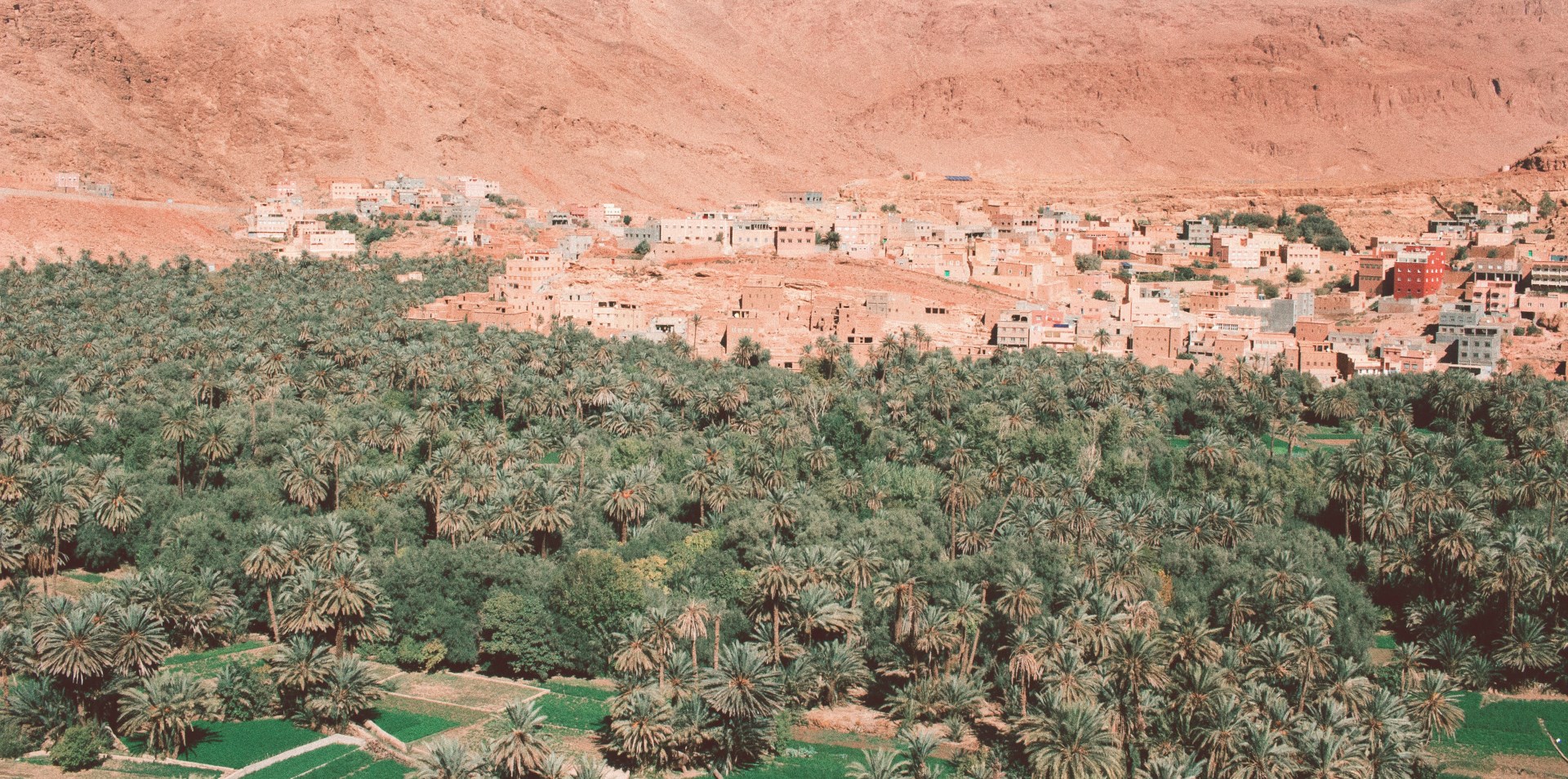
At the edge of the High Atlas Mountains, Boumalne Dades stands as a gateway to one of Morocco’s most striking landscapes. The town stretches along a broad valley where the Dades River cuts through layers of red and ochre rock. This setting creates a dramatic backdrop that shifts in color throughout the day. Travelers often arrive here as a stopping point, but many stay longer after discovering the slower rhythm of village life and the easy access to nearby valleys and gorges.
Valleta
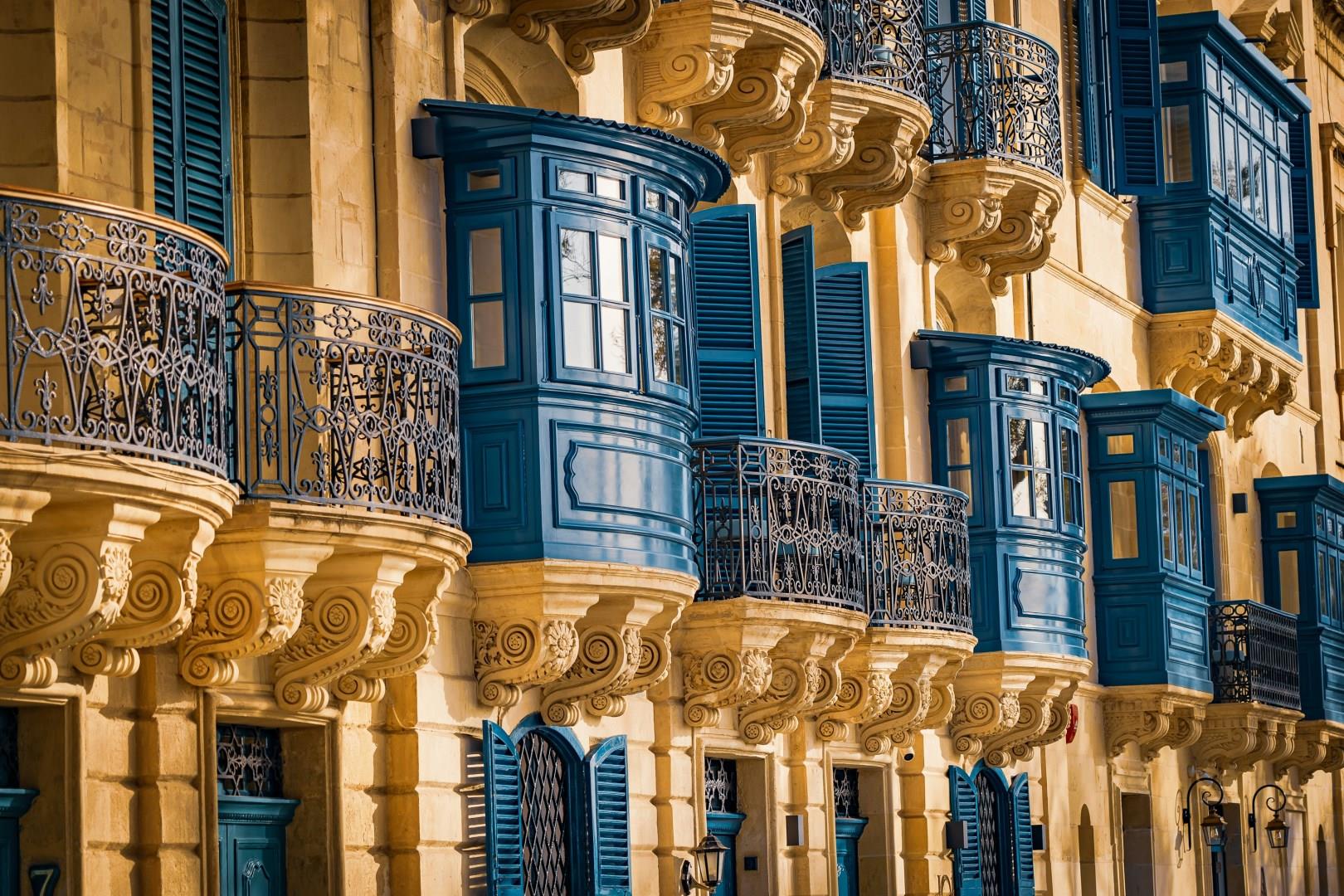
Malta’s ornate and vibrant capital, Valletta, dazzles travelers with its abundance of historical landmarks and striking architecture. This island jewel off the coast of Italy remains a popular destination for Mediterranean cruises. From central St. George’s Square, to sixteenth-century Casa Rocca Piccola, to the Siege Bell War Memorial, Valletta has no shortage of monuments detailing the city’s long history.
Mangochi
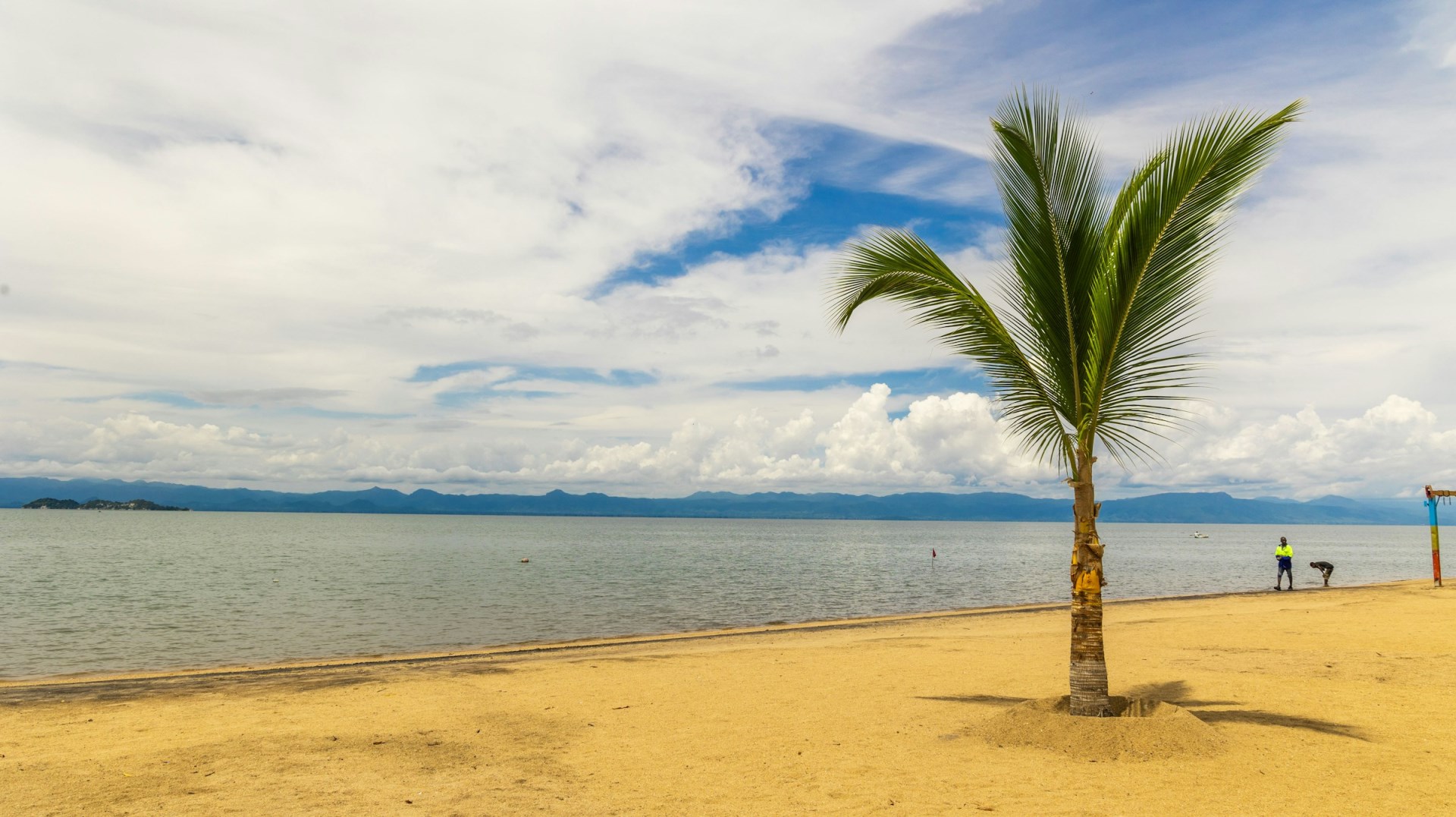
Mangochi is a town in southern Malawi positioned near the point where Lake Malawi narrows into the Shire River. Its location has made it an important centre for trade, fishing, transport, and commerce in the southern lakeshore region. The town has a busy market and provides a useful base for exploring the surrounding lakeshore, river landscapes, and nearby wildlife areas.
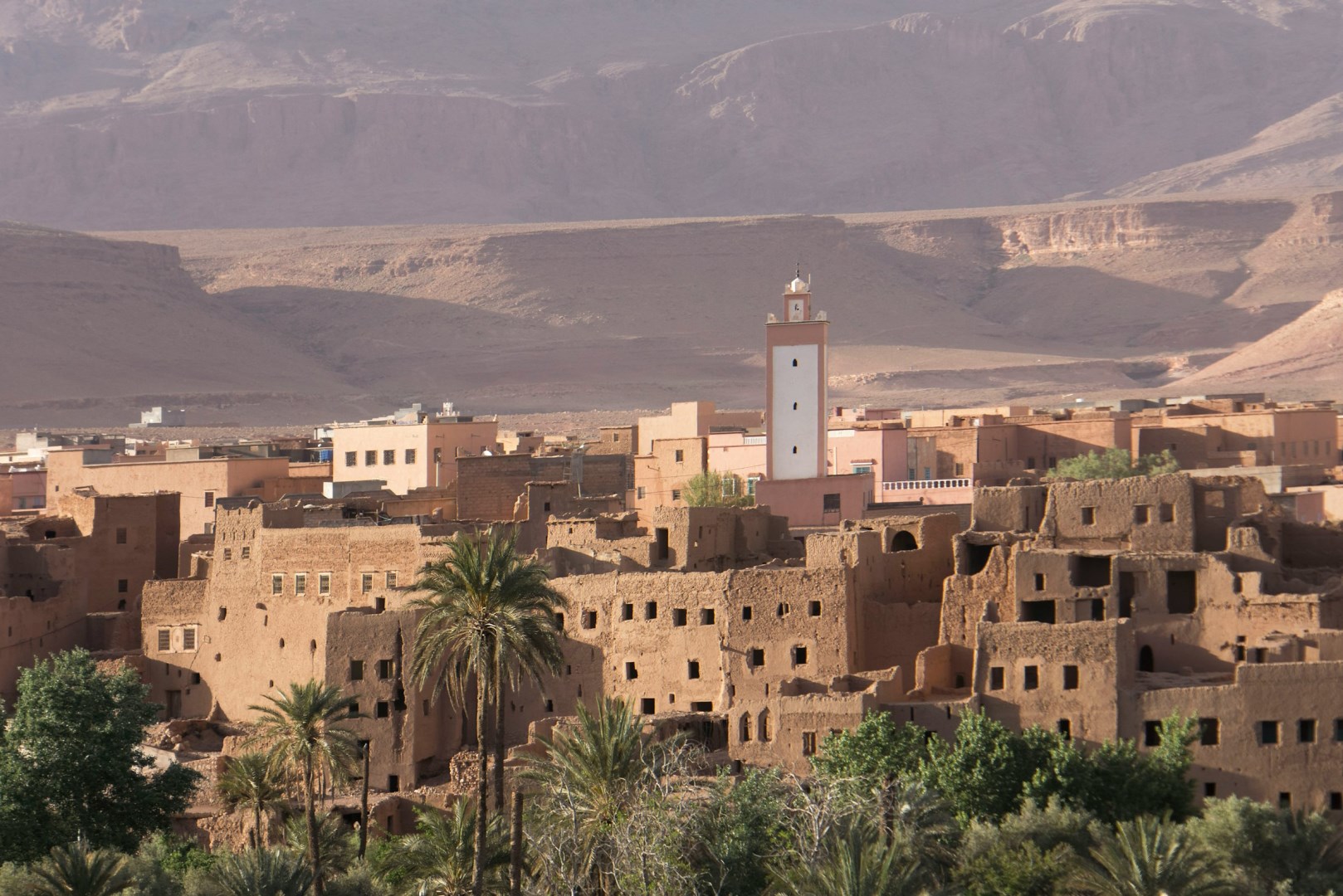
Tinghir
Tinghir is an oasis town in southeastern Morocco, set between the High Atlas and the Anti-Atlas mountains at the entrance to the Todra Valley. The town is surrounded by an extensive palm grove where date palms, gardens, and small agricultural plots follow the Todra River. Its traditional earthen buildings and kasbahs rise above the greenery, creating a clear contrast with the dry mountain slopes nearby.