Lublin
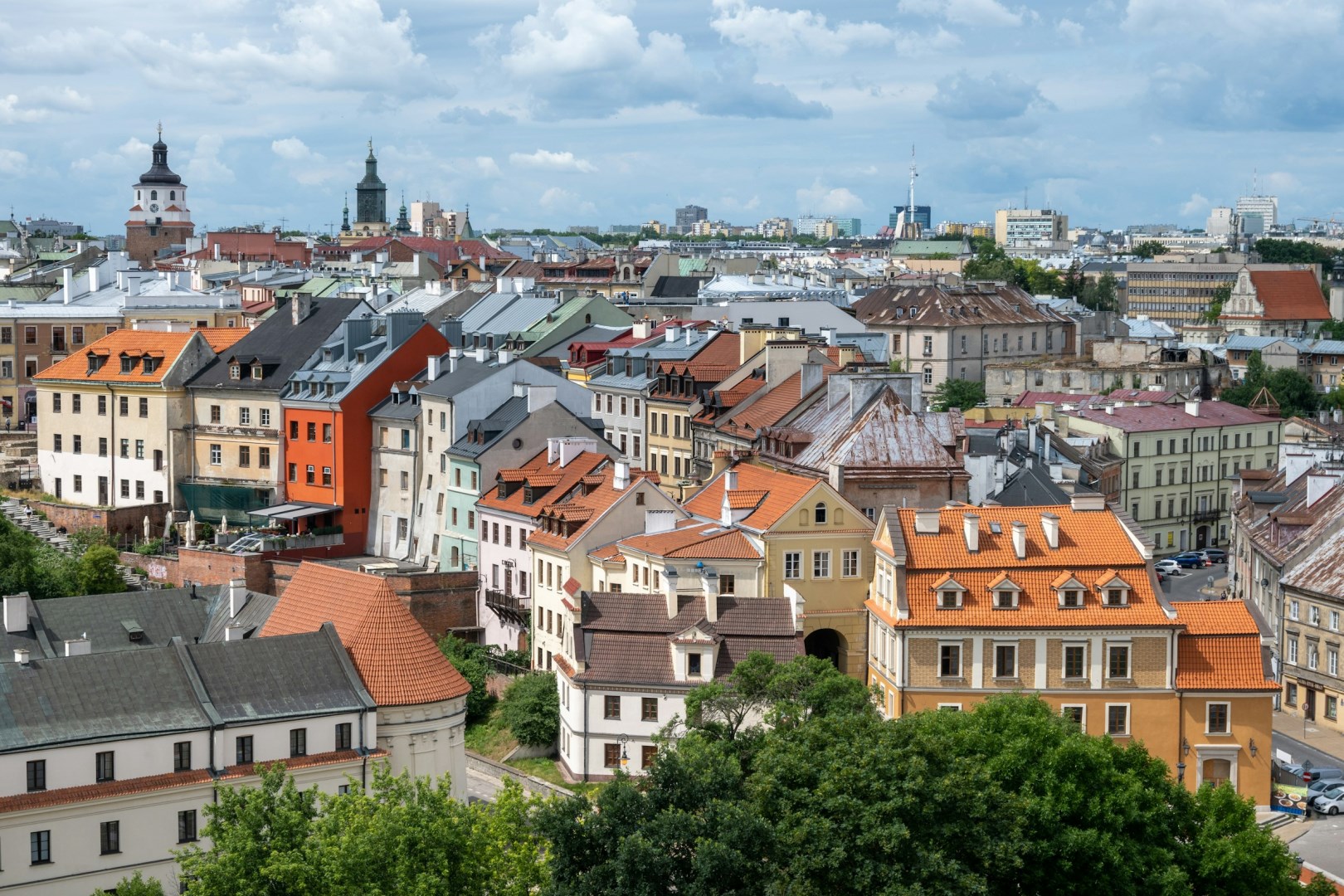
Located on a trade route to Lithuania and Russia, Lublin was already an important center by the time it received its municipal charter in 1317. The city still remains relatively unknown to foreign tourists. From the original defense walls and the Krakow Gate, the remnant of Lublin's medieval wall system to the town hall and the Renaissance burgher houses in the Market Square, Lublin offers numerous visual delights.
Williams
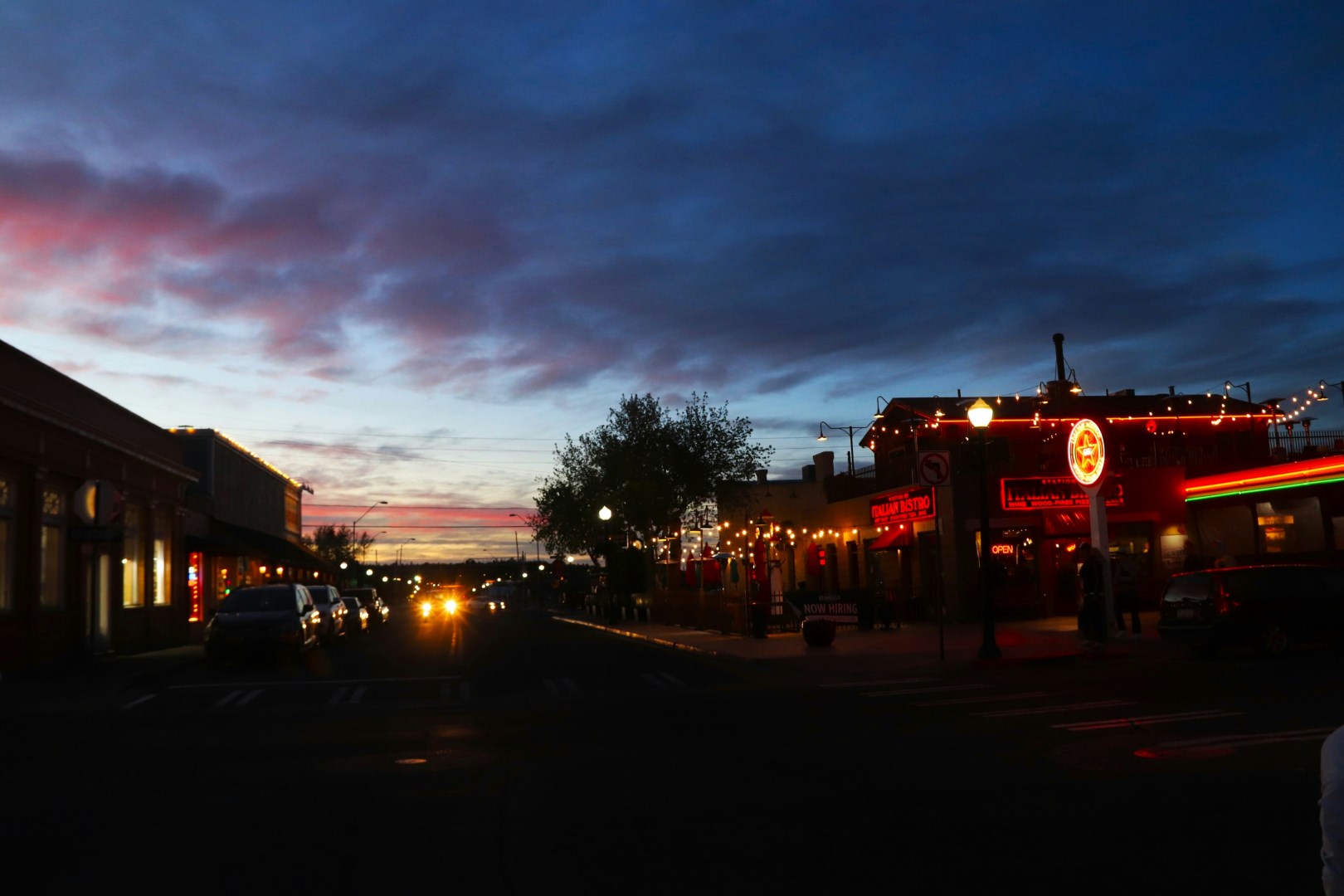
Williams is a small city in northern Arizona, located along historic Route 66 and near the edge of the Kaibab National Forest. It is often known as the “Gateway to the Grand Canyon” due to its role as a departure point for the Grand Canyon Railway.
Hot Springs
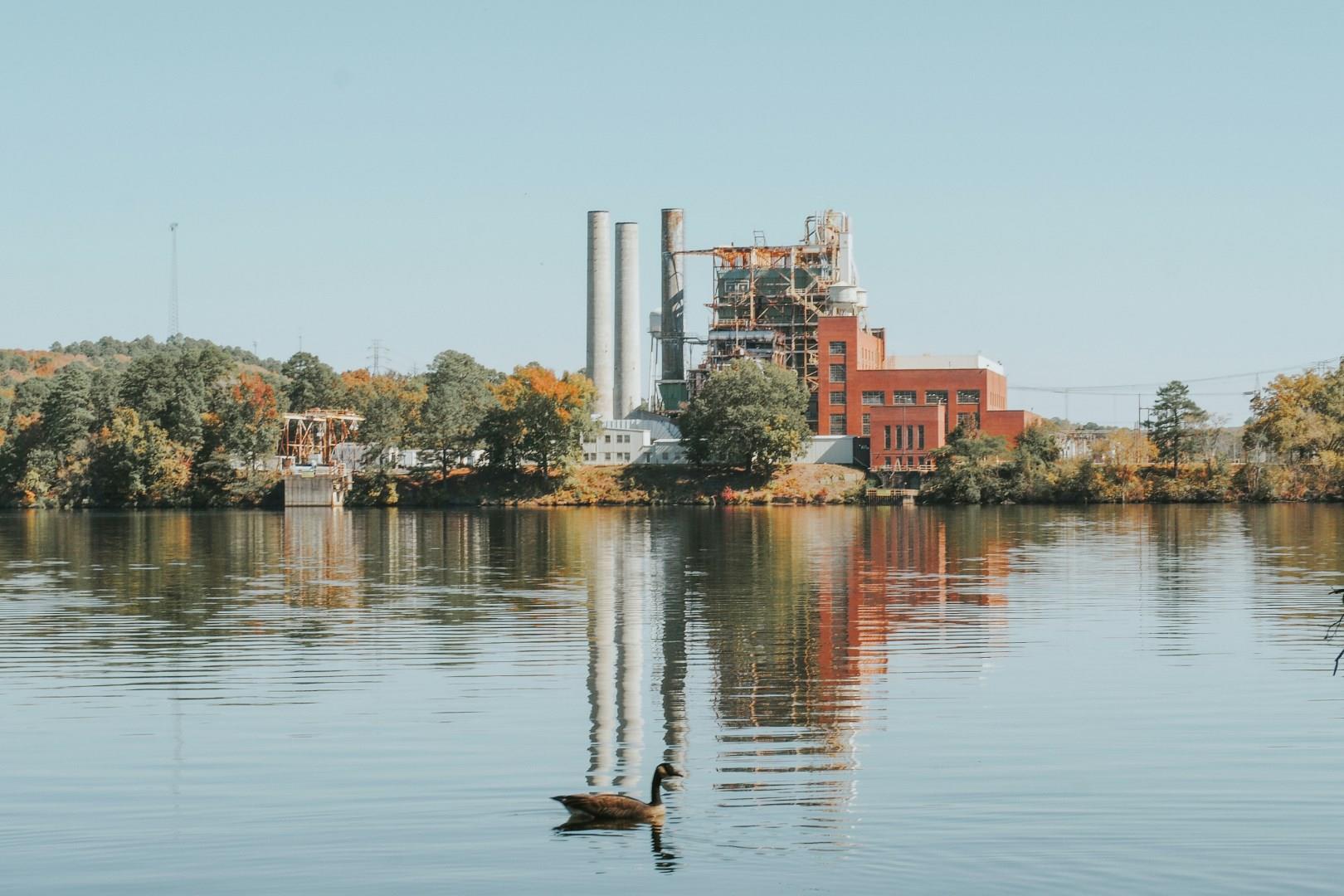
Hot Springs, Arkansas has been drawing visitors for centuries, and it all starts with the water. The city sits atop a natural thermal spring system that produces nearly a million gallons of 143-degree water each day. These springs gave rise to Bathhouse Row, a stretch of eight historic bathhouses within Hot Springs National Park. Some, like the Fordyce Bathhouse, now serve as museums, while others still offer traditional thermal soaks.
El Cuco
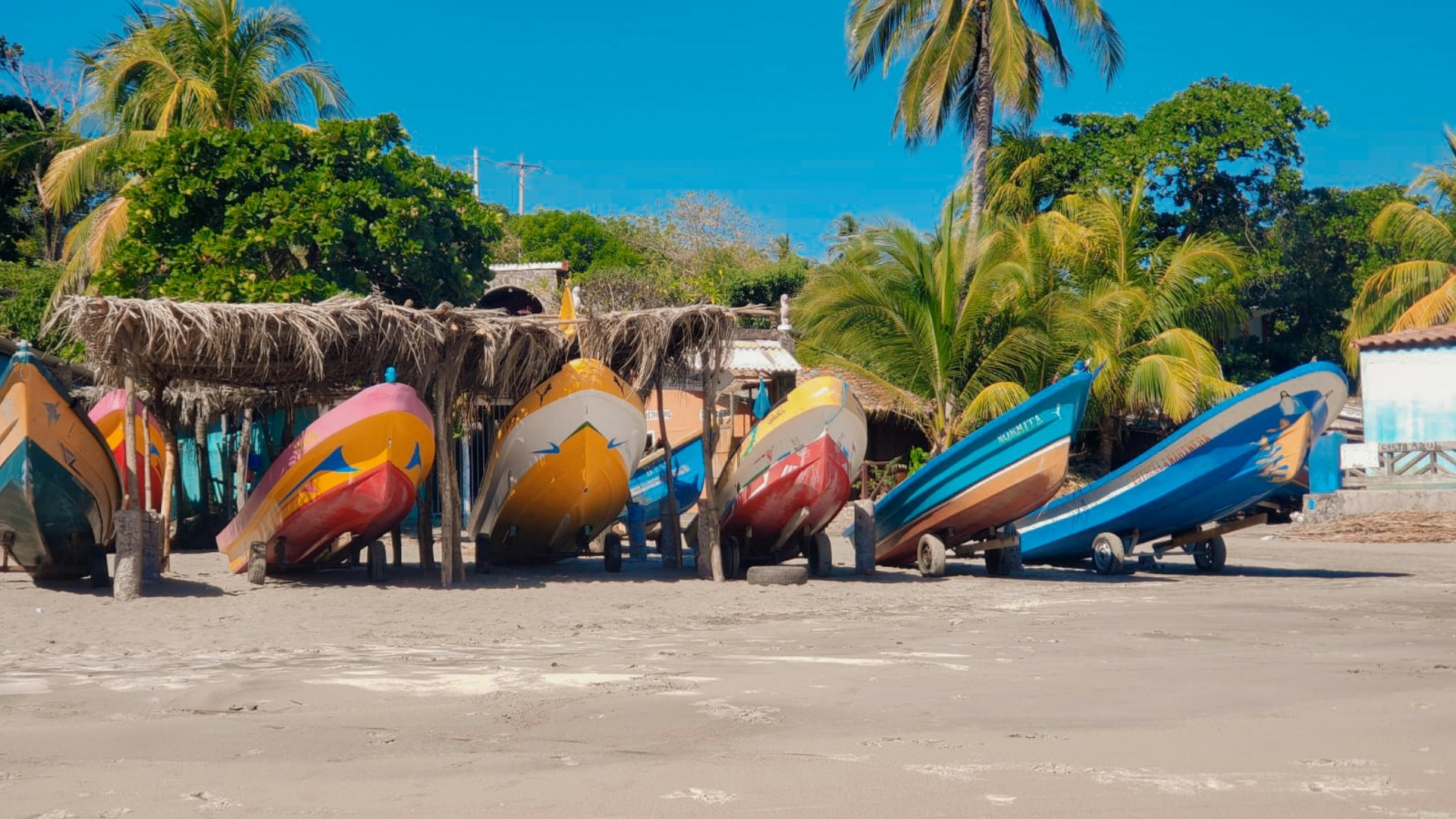
El Cuco is a small coastal community in the department of San Miguel, on El Salvador's eastern Pacific coast. It is known for its long sandy beach, volcanic black sand, warm waters, and setting between the Pacific Ocean and the forested foothills of the Sierra Tecapa-Chinameca range. The area is less urbanized than the country's larger coastal centers, with small hotels, restaurants, guesthouses, and fishing businesses spread around the shoreline.
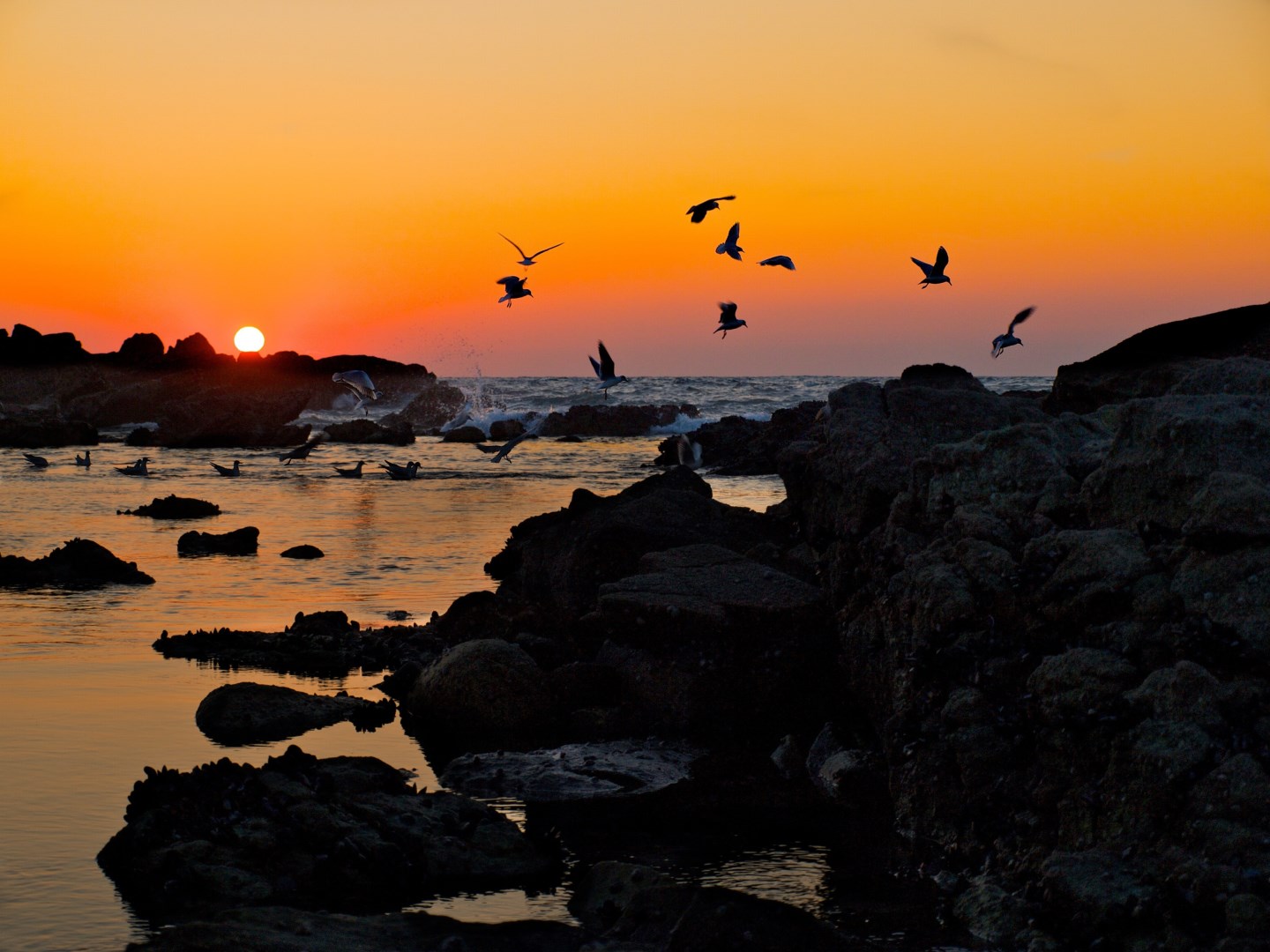
Baiona
Baiona is a coastal town in Galicia, Spain, located along the Atlantic Ocean in the province of Pontevedra. It sits at the entrance of the Ría de Vigo, with a historic harbor that has long connected it to maritime activity. The town is known for its seafront setting, where fishing traditions and tourism exist side by side.