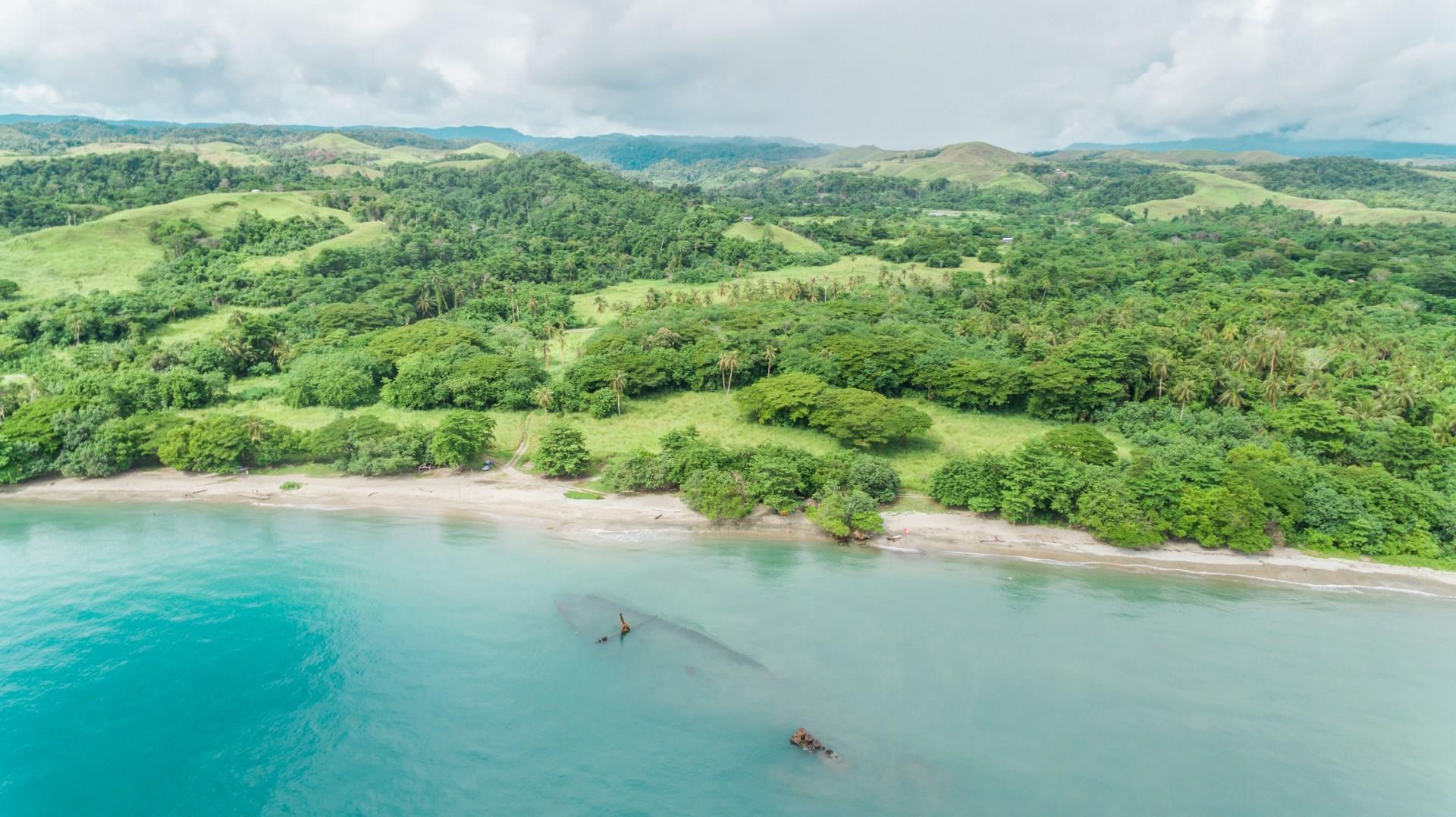
Guadalcanal, the largest island in the Solomon Islands, offers a captivating blend of history, natural beauty, and vibrant culture. This Pacific paradise is most famously known as the site of a pivotal World War II battle, where Allied forces fought fiercely against Japanese troops. Visitors can explore this rich history at the Vilu War Museum, which houses relics, artifacts, and memorials that bring the island's past to life.
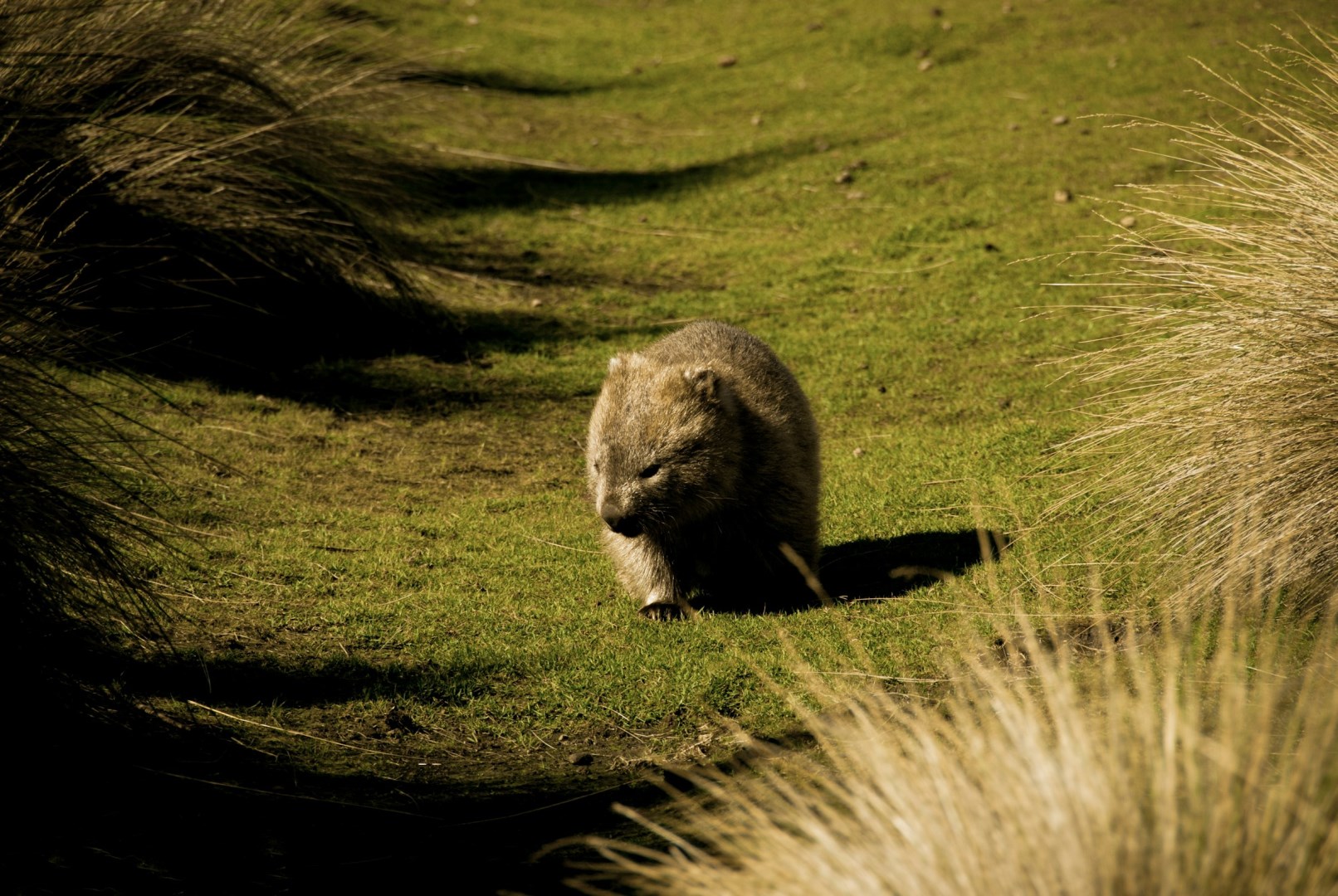
Flinders Island is the largest island in the Furneaux Group, located in Bass Strait between mainland Australia and Tasmania. Covering a landscape of rugged mountains, rolling farmland, white-sand beaches, and granite headlands, it is known for its remote character and rich natural environment.
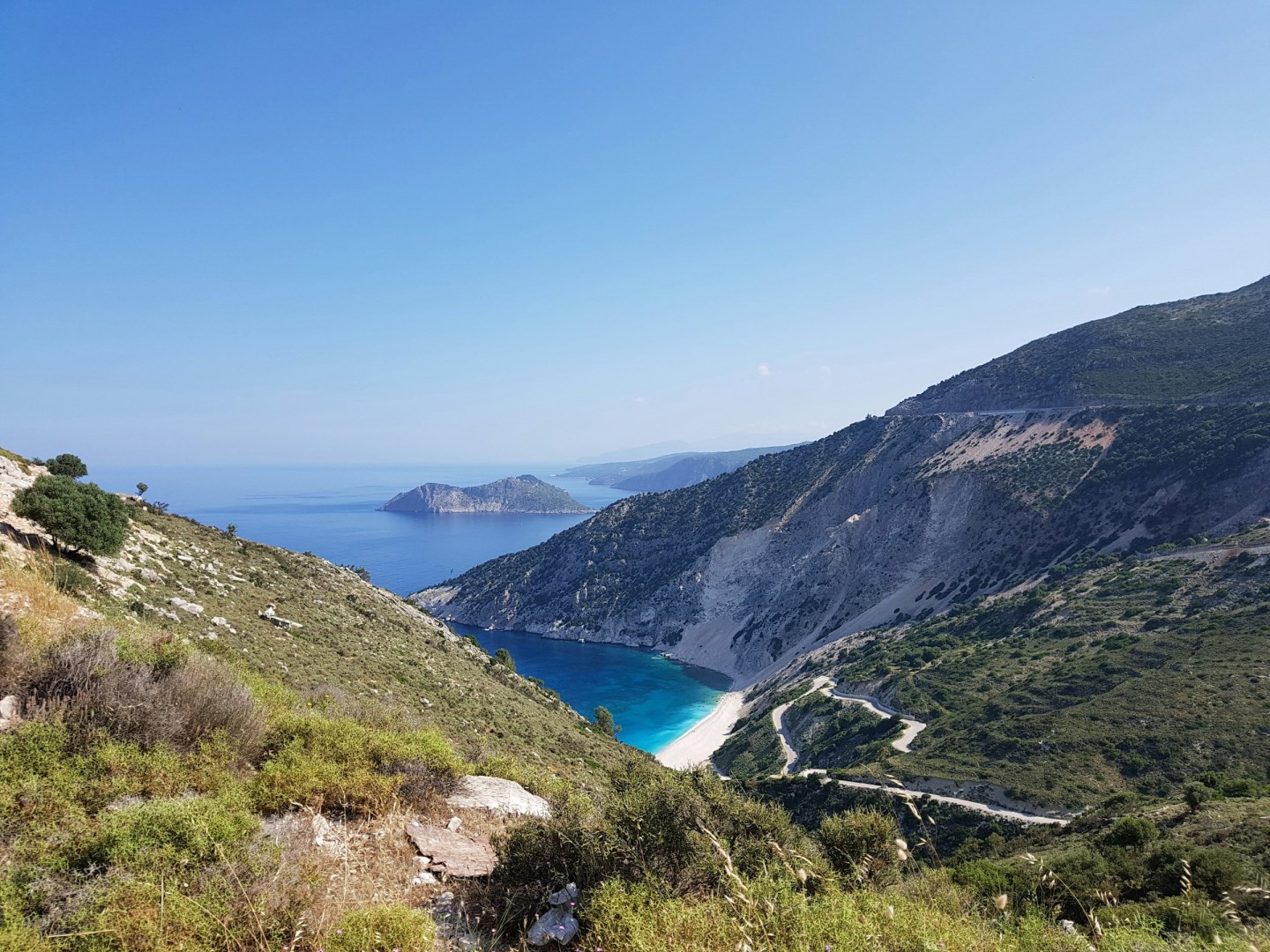
Greece’s island of Cephalonia, nestled in the Ionian Sea, invites travelers with a relaxed pace and a landscape shaped by myth, history, and nature. Larger than its neighboring islands but far less crowded, Cephalonia offers visitors a glimpse into traditional Greek life amid dramatic cliffs, lush pine forests, and charming harborside villages.
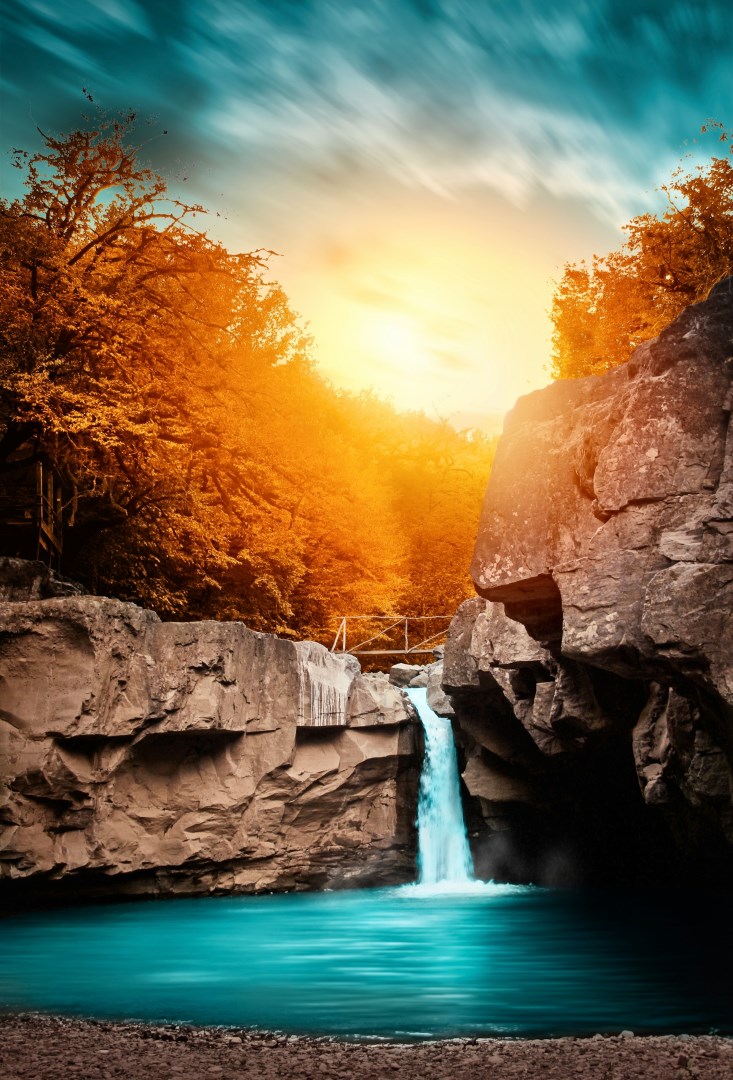
Masalli is a town in southeastern Azerbaijan, situated between the Talysh Mountains and the Caspian Sea. The district is known for its humid subtropical climate, fertile lowlands, forested mountain slopes, and numerous mineral springs. Tea plantations, citrus orchards, rice fields, and other cultivated areas are found across the surrounding countryside, while the Talysh Mountains rise toward the west. Masalli serves as a gateway to several natural attractions.
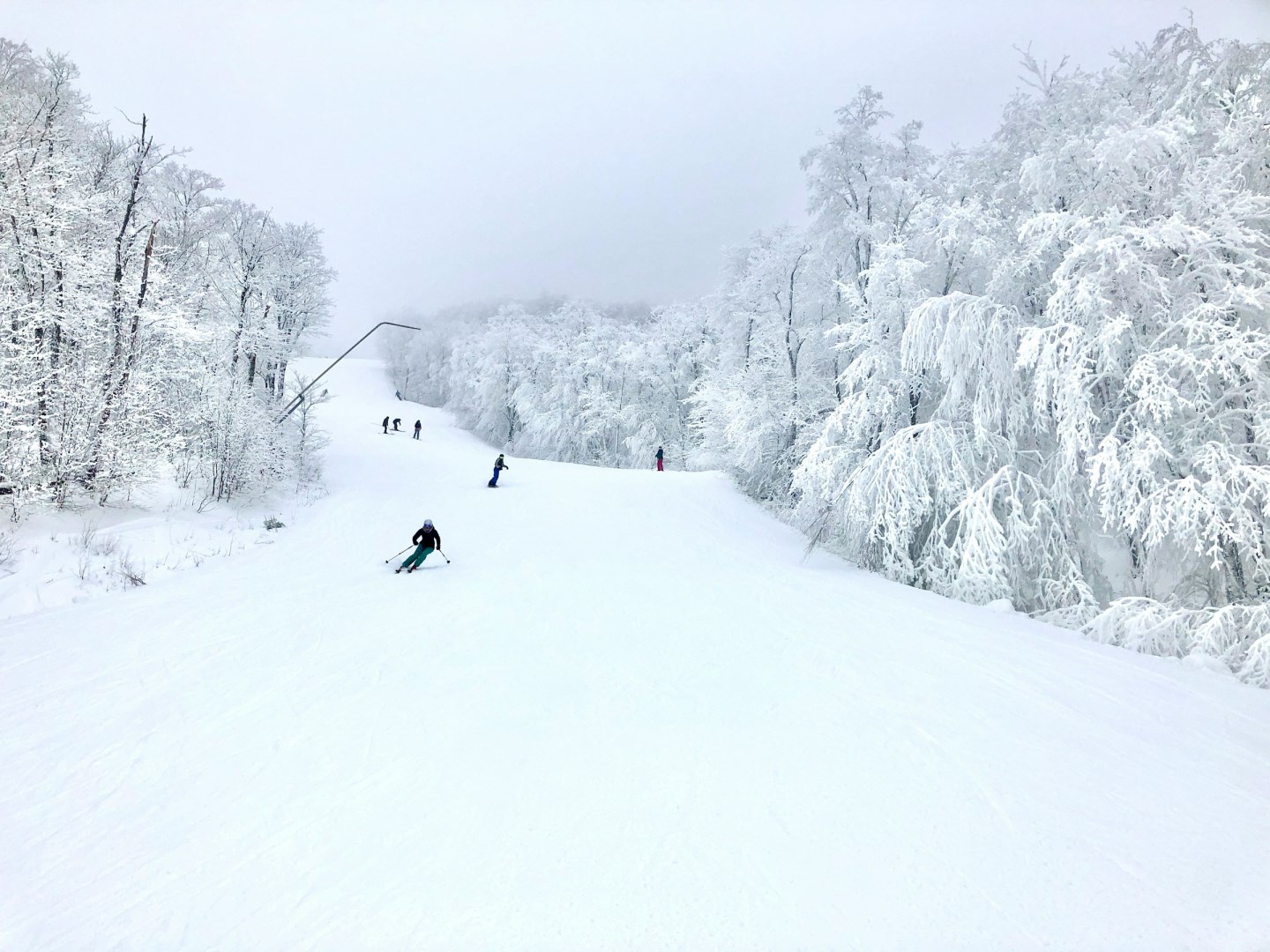
The mountain boasts 75 ski trails, with a 2,131 vertical drop and 11 lifts including 6 high-speed quads. The European-style village with cobblestone streets exudes the unique ambience of French Canada.
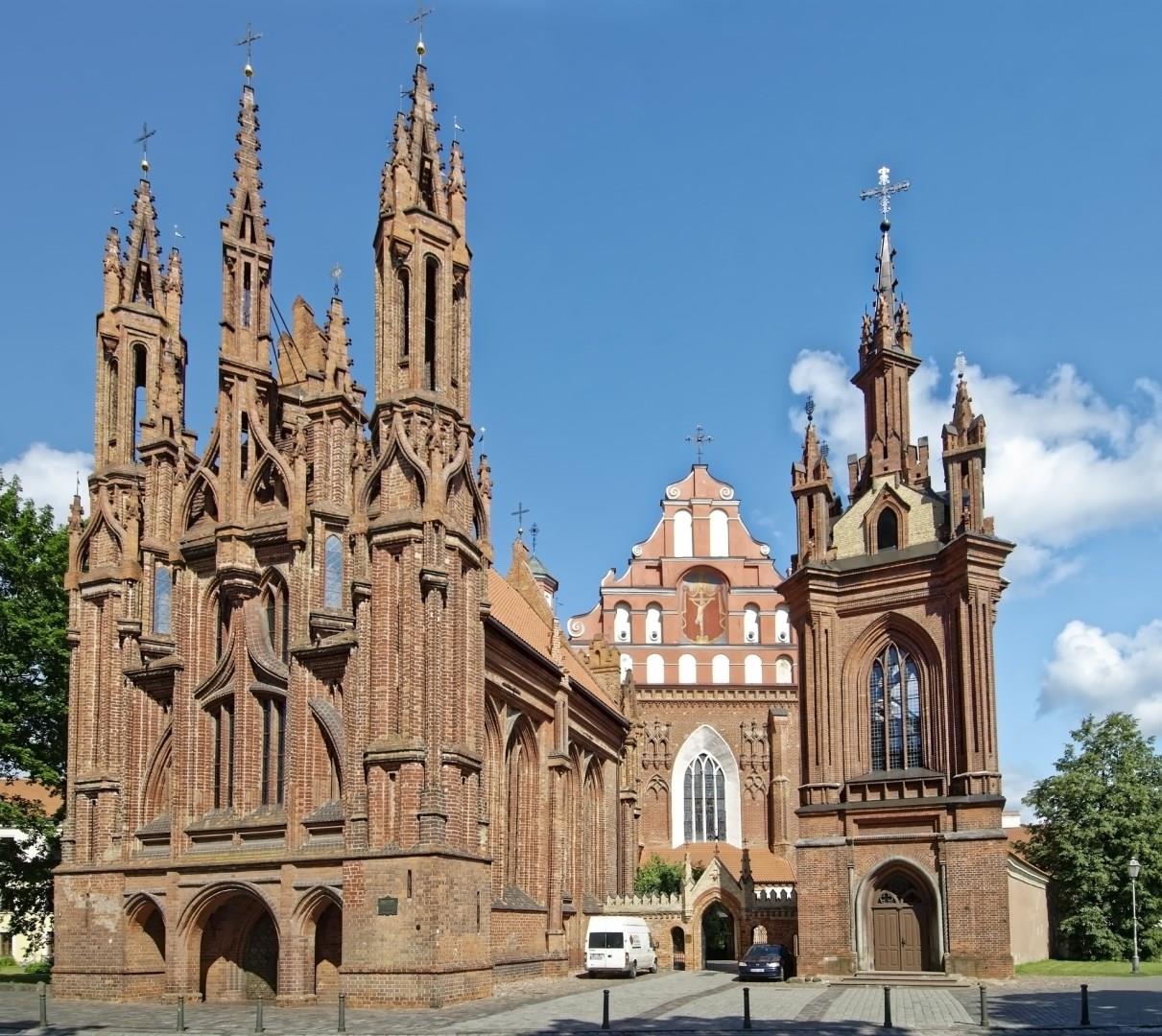
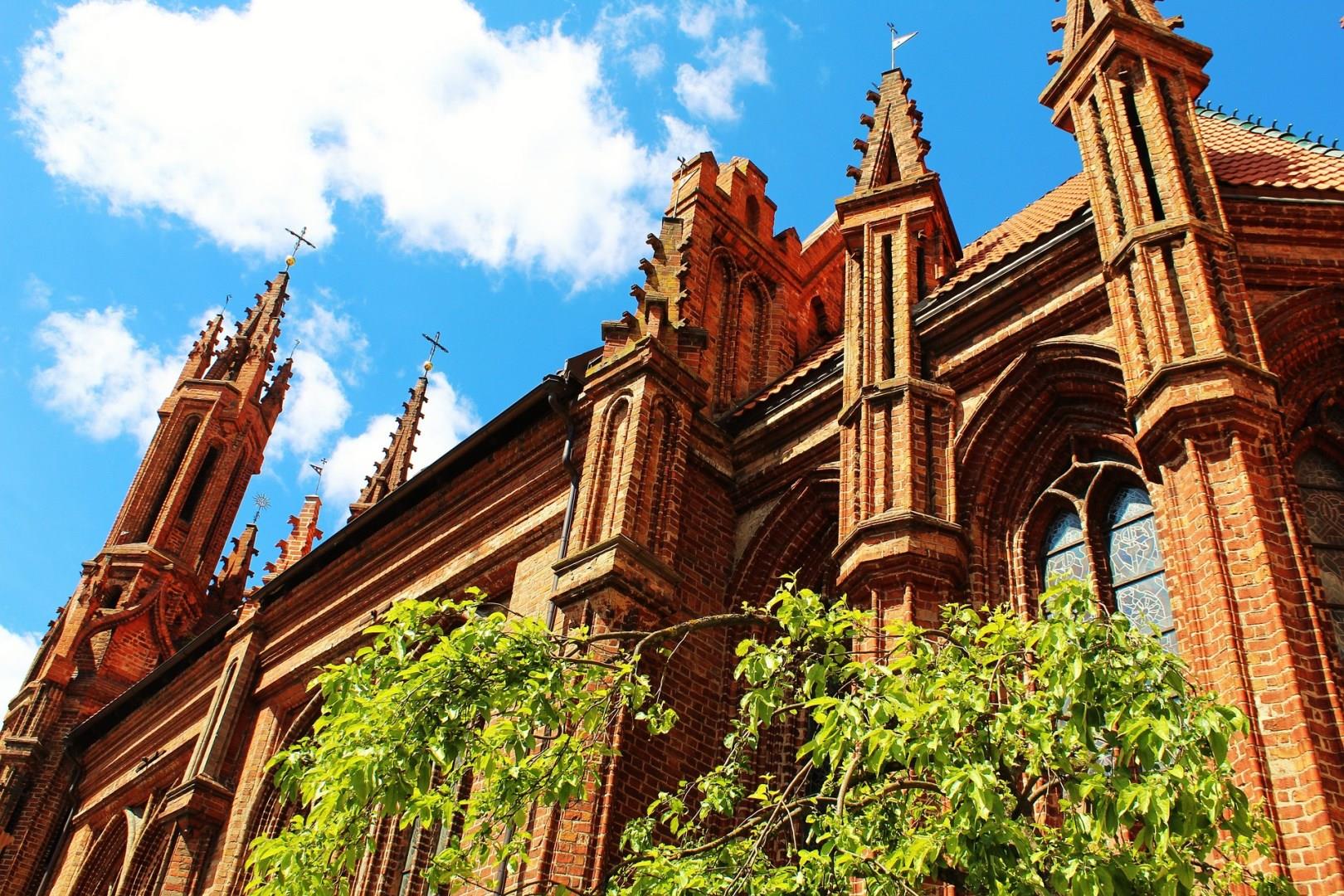
Vilnius, the charming capital of Lithuania, is a city where historical grandeur meets vibrant modernity. The heart of Vilnius is its UNESCO-listed Old Town, one of the largest and most well-preserved medieval city centers in Europe. Wander through its cobblestone streets and admire the stunning Baroque architecture. This architectural gem is renowned for its intricately decorated interior and the delicate plasterwork that graces its walls.
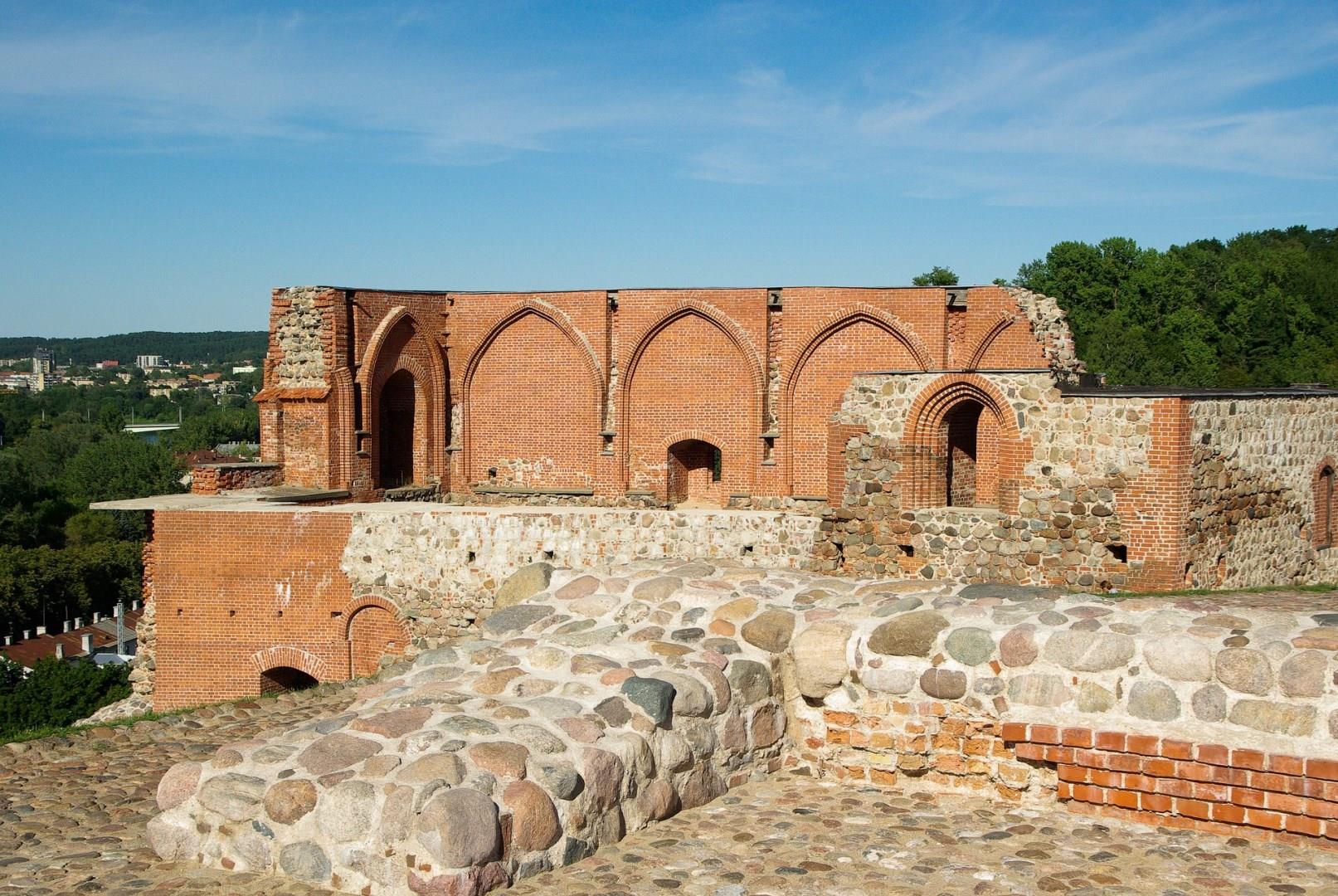
Vilnius is also home to Gediminas’ Tower, a historical fortress offering panoramic views of the city. The tower is a remnant of the Upper Castle and provides a fascinating glimpse into Lithuania's medieval past. It's an ideal spot for those interested in history and photography alike. For more details on this landmark, visit the Vilnius Tourism Gediminas' Tower page.
A stroll through the Uzupis district reveals a quirky and artistic side of Vilnius. Often compared to Paris's Montmartre, this bohemian enclave has declared itself an independent republic with its own constitution and artistic spirit. The district's vibrant murals and lively art scene make it a unique spot for exploration. Discover more about Uzupis at the Uzupis Art Incubator.
Fun Fact: Vilnius is known for its impressive number of churches, with over 40 in the Old Town alone. This makes it a paradise for architecture enthusiasts and those seeking spiritual and historical insights.
Other Popular Destinations in Lithuania
Klaipeda
Klaipeda, Lithuania’s only port city, is a place where history, nature, and the sea come together. Located on the coast of the Baltic Sea, this charming city has a unique old town filled with cobblestone streets.
Trakai
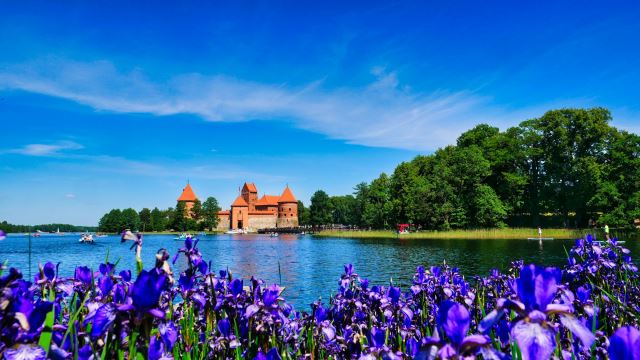
Trakai is a small historic town west of Vilnius, surrounded by lakes and wooded landscapes in southeastern Lithuania. Its most recognizable landmark is Trakai Island Castle, a red-brick fortress built on an island in Lake Galvė and connected to the shore by a wooden bridge. The town itself is set between several lakes, including Lake Galvė, Lake Totoriškės, and Lake Luka, giving its streets and waterfront a distinctly waterside setting.