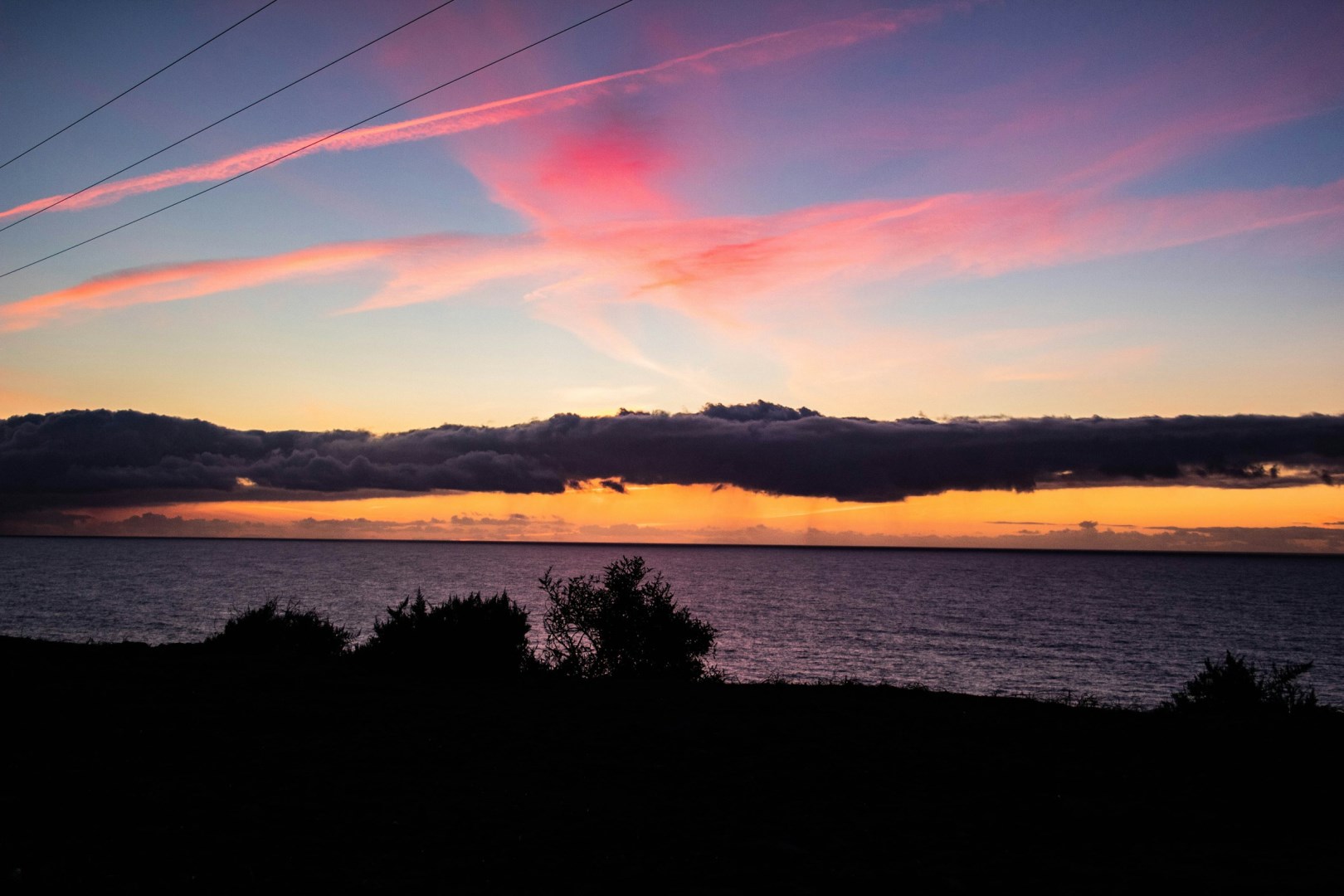
Safi is an Atlantic coastal city known for its pottery, historic fortifications, and strong connection to the sea. Located between Casablanca and Essaouira, it has long been an important port and fishing center. The city is especially recognized for its ceramics, with workshops and shops concentrated around the Potters’ Hill. Its position beside the Atlantic also gives Safi a strong maritime identity, seen in its fishing activity, working harbor, and surf beaches.
Tirana, the lively capital of Albania, is a city that blends historical charm with modern vibrancy. At the heart of its transformation is Skanderbeg Square, a bustling hub named after the national hero Gjergj Kastrioti Skanderbeg.
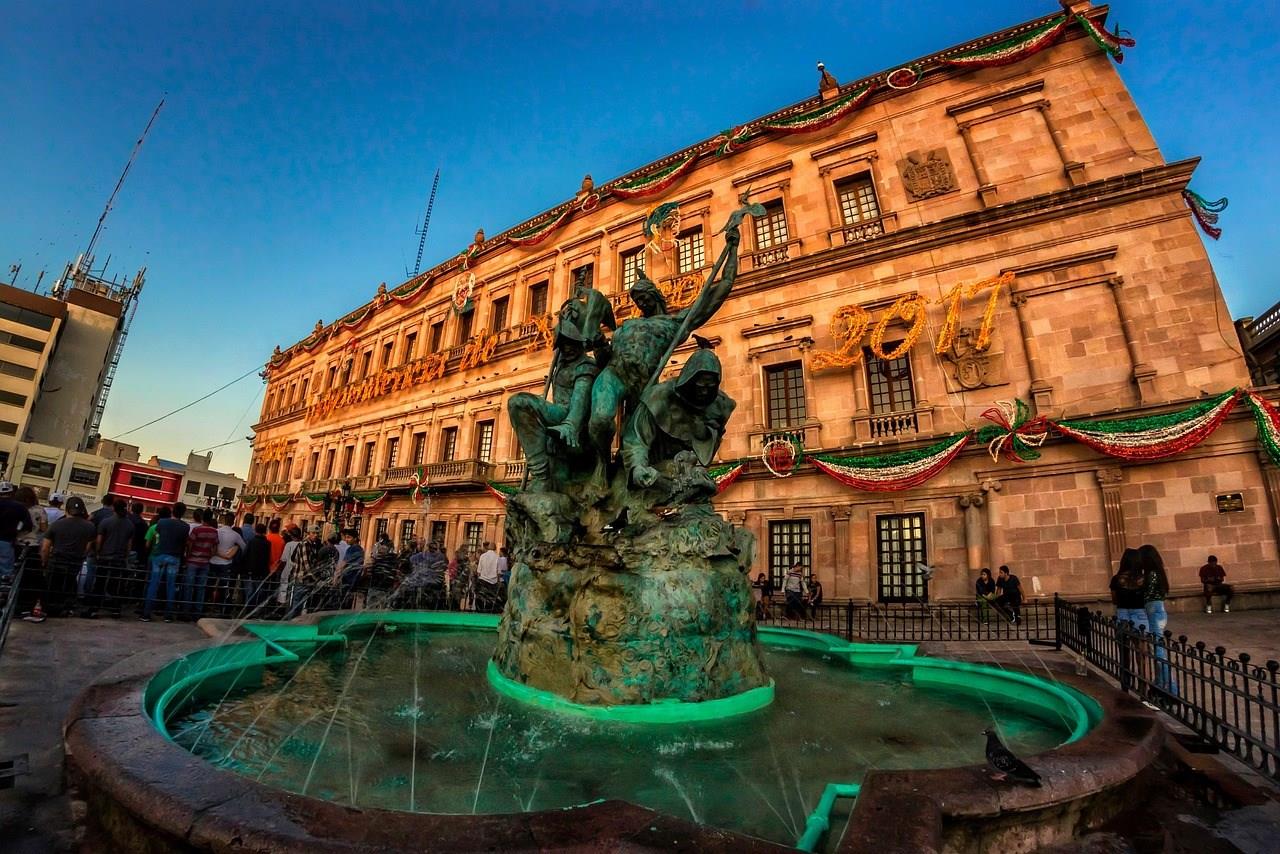
Saltillo, the capital of Coahuila, blends centuries of tradition with a quiet confidence that rewards travelers looking for something different. Founded in 1577, the city’s colonial heritage is on full display in its well-preserved downtown, where the Catedral de Santiago towers above Plaza de Armas. Just steps away, the Alameda Zaragoza park offers shaded paths and fountains, providing a peaceful break between stops at nearby museums.
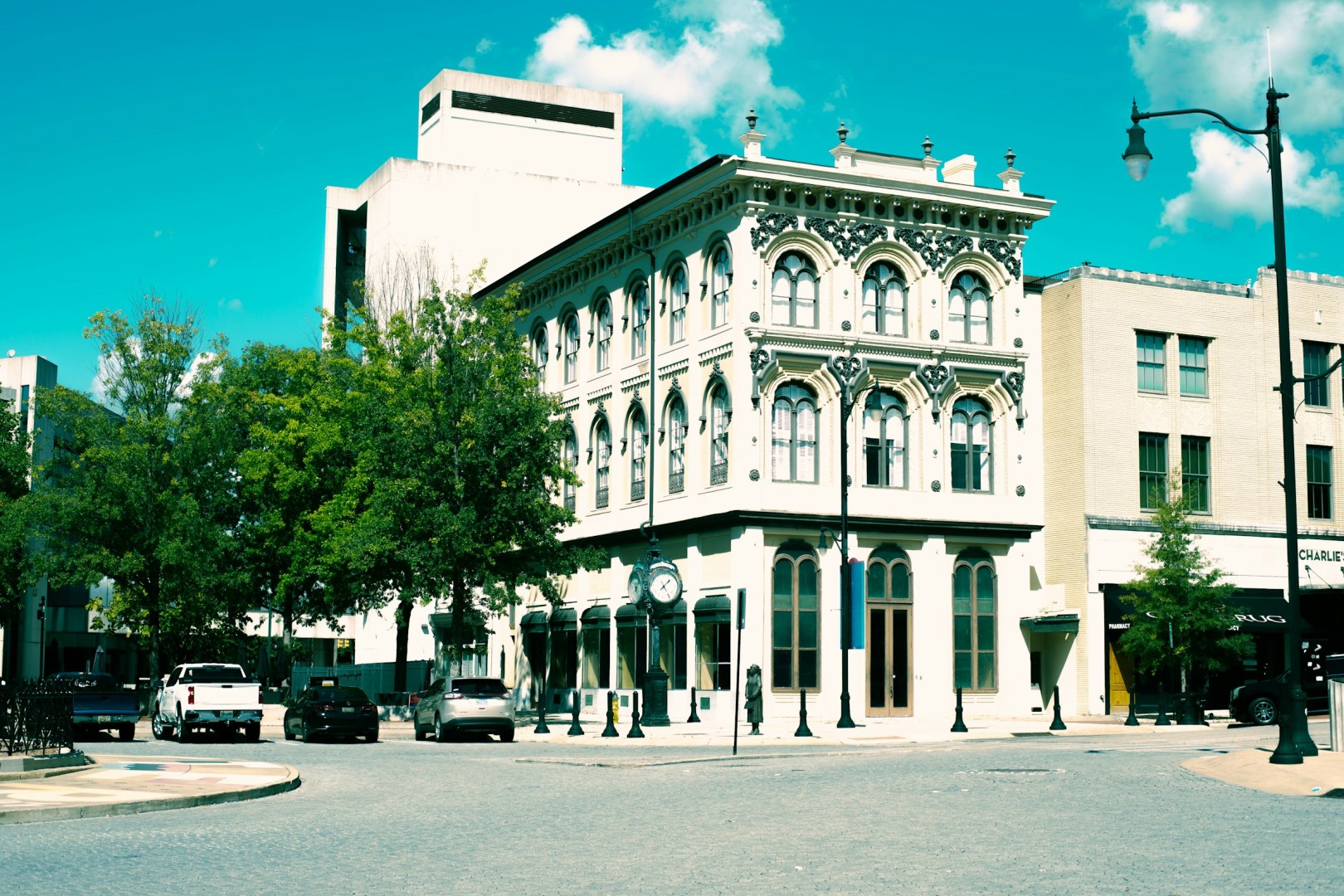
Montgomery, capital of Alabama and seat of Montgomery County, a port on the Alabama River, in the central part of the state. Montgomery is the site of Alabama State University (1874), Auburn University at Montgomery (1967), Huntingdon College (1854), Troy State University at Montgomery (1966), Faulken University (1942), and a junior college.
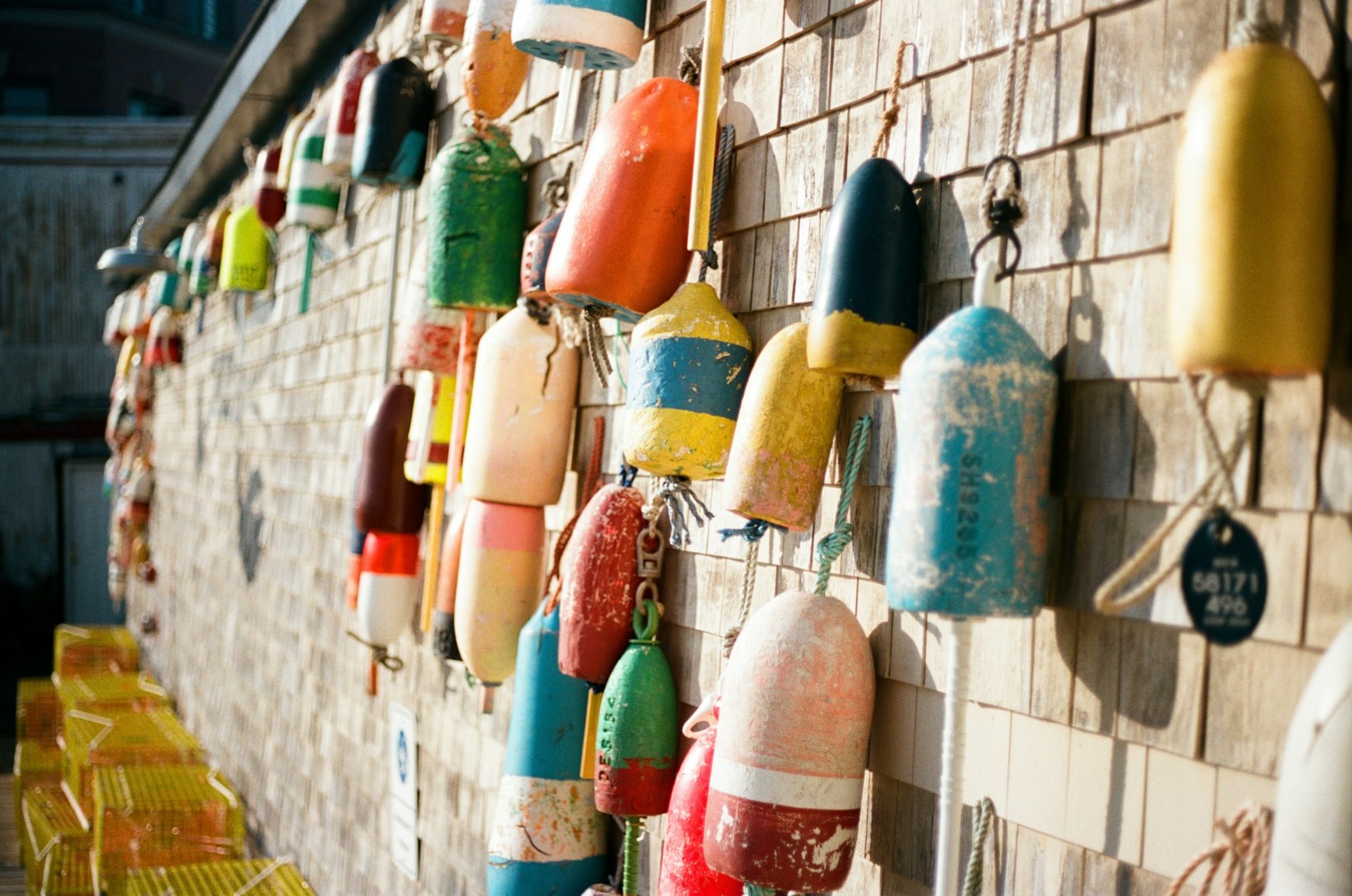
Dotted with lighthouses along its shoreline, Portland, Maine is a coastal gem in the northeastern United States and a veritable paradise for lovers of fresh seafood, craft breweries, and small-town charm. At the center of downtown Portland, the Old Port neighborhood boasts a number of unique and historical buildings, trendy restaurants and bars, and picturesque views of the Portland Harbor.
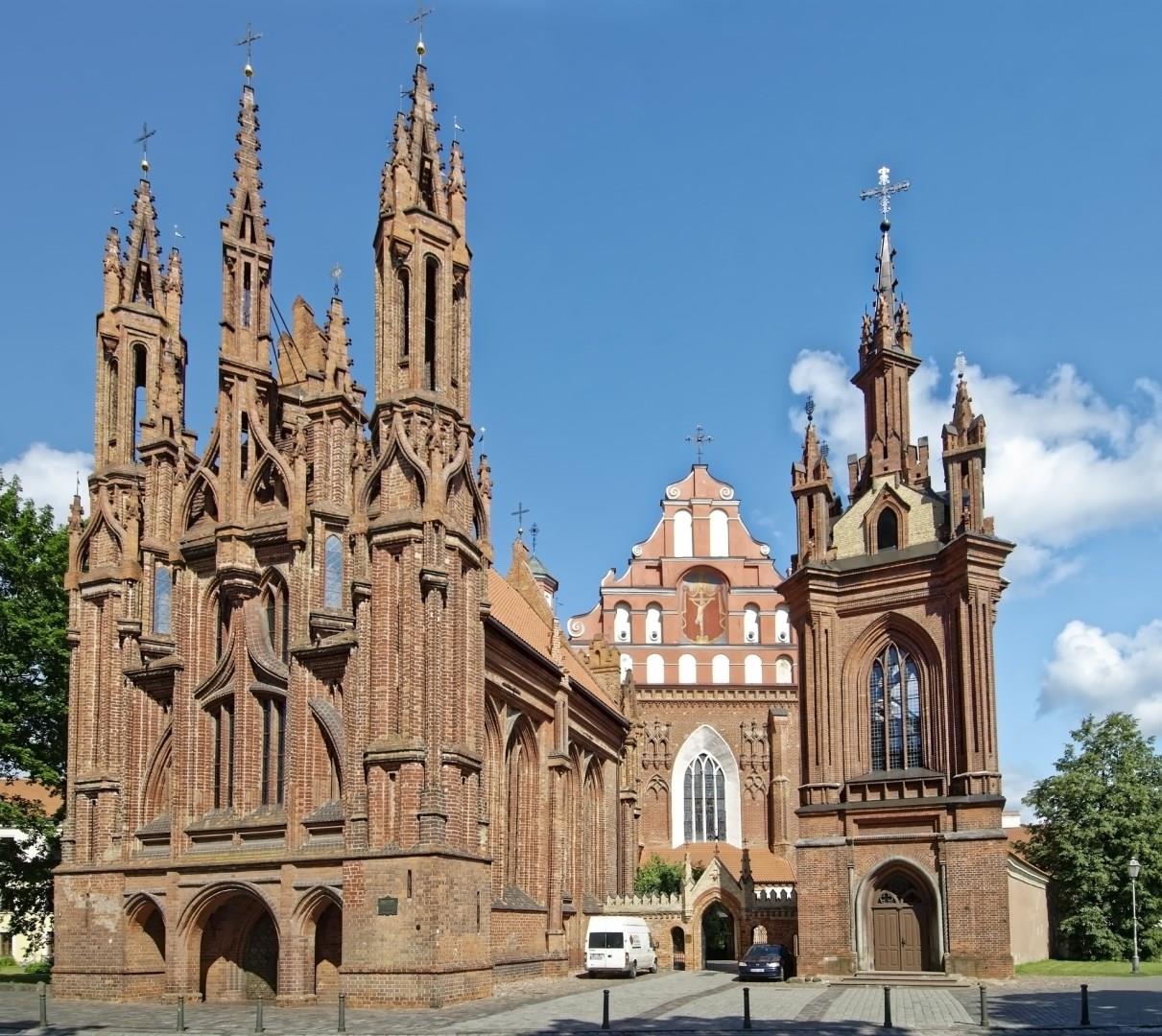
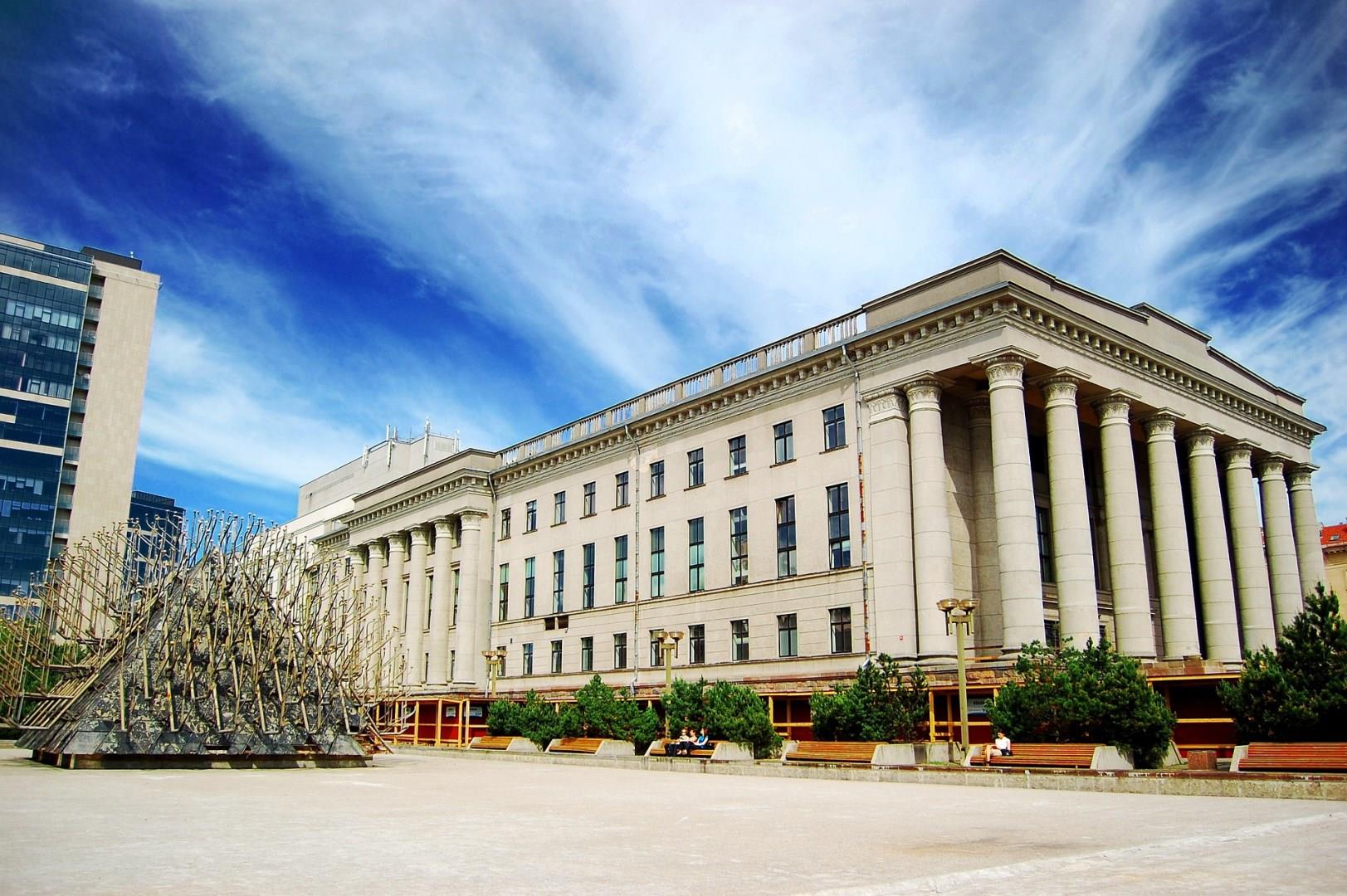
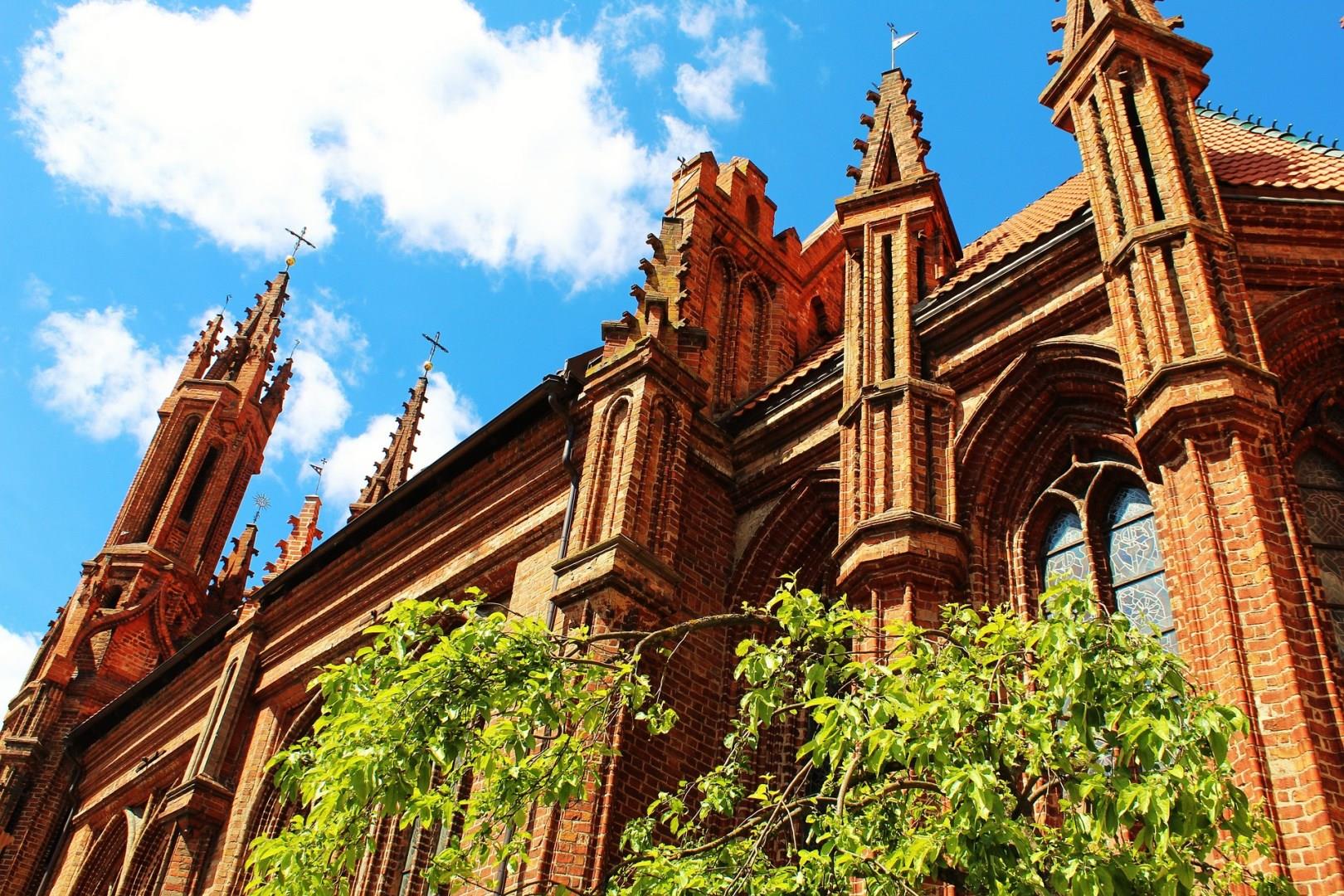
Vilnius, the charming capital of Lithuania, is a city where historical grandeur meets vibrant modernity. The heart of Vilnius is its UNESCO-listed Old Town, one of the largest and most well-preserved medieval city centers in Europe. Wander through its cobblestone streets and admire the stunning Baroque architecture. This architectural gem is renowned for its intricately decorated interior and the delicate plasterwork that graces its walls.
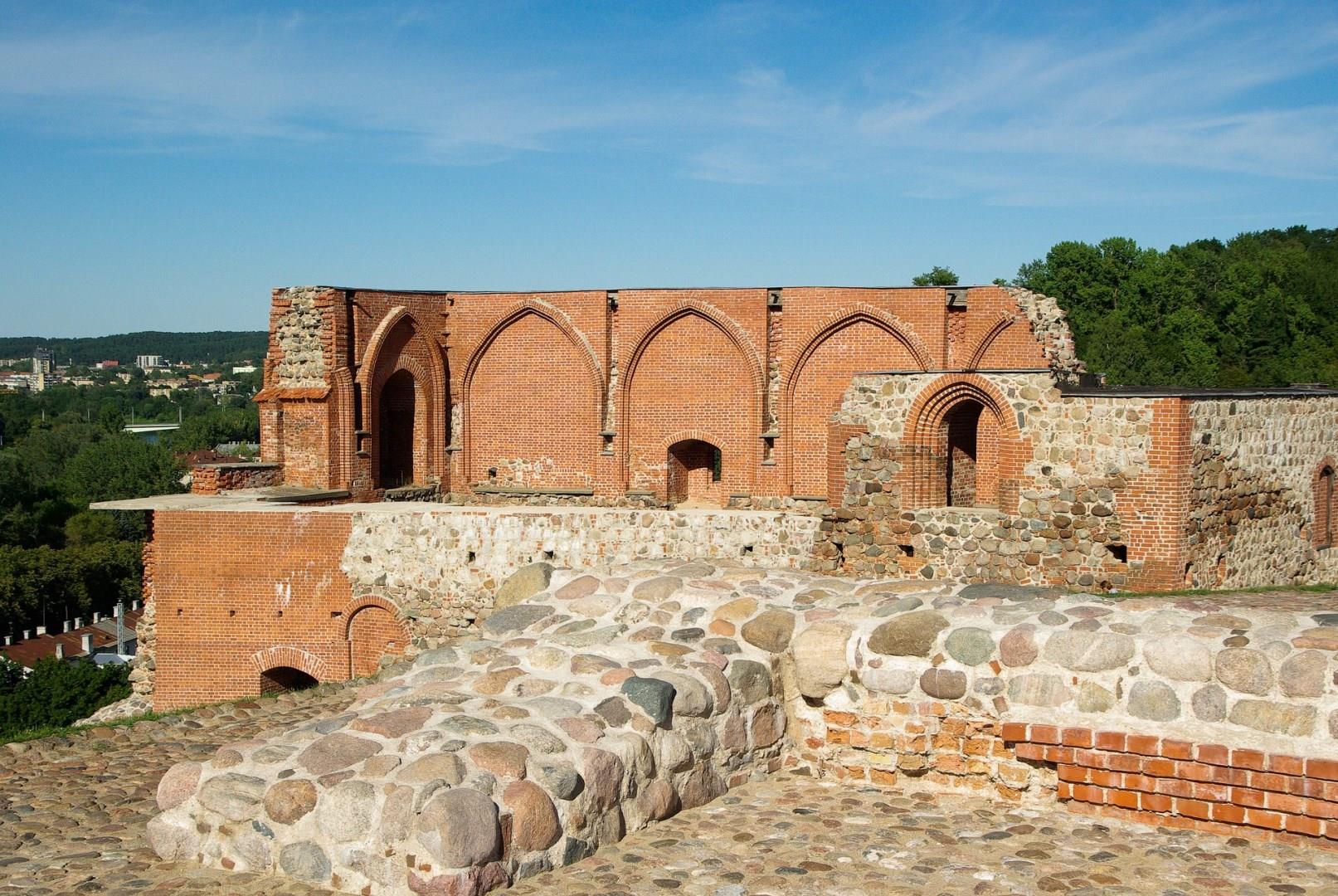
Vilnius is also home to Gediminas’ Tower, a historical fortress offering panoramic views of the city. The tower is a remnant of the Upper Castle and provides a fascinating glimpse into Lithuania's medieval past. It's an ideal spot for those interested in history and photography alike. For more details on this landmark, visit the Vilnius Tourism Gediminas' Tower page.
A stroll through the Uzupis district reveals a quirky and artistic side of Vilnius. Often compared to Paris's Montmartre, this bohemian enclave has declared itself an independent republic with its own constitution and artistic spirit. The district's vibrant murals and lively art scene make it a unique spot for exploration. Discover more about Uzupis at the Uzupis Art Incubator.
Fun Fact: Vilnius is known for its impressive number of churches, with over 40 in the Old Town alone. This makes it a paradise for architecture enthusiasts and those seeking spiritual and historical insights.
Other Popular Destinations in Lithuania
Klaipeda
Klaipeda, Lithuania’s only port city, is a place where history, nature, and the sea come together. Located on the coast of the Baltic Sea, this charming city has a unique old town filled with cobblestone streets.
Trakai
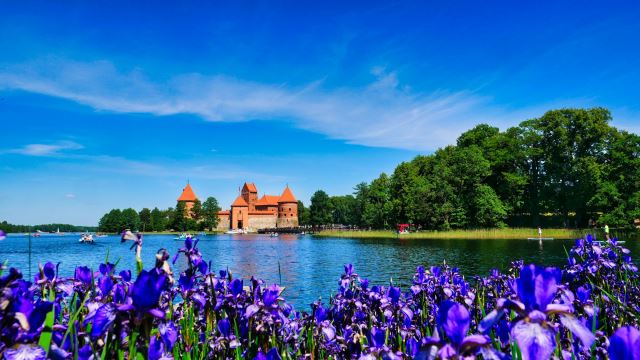
Trakai is a small historic town west of Vilnius, surrounded by lakes and wooded landscapes in southeastern Lithuania. Its most recognizable landmark is Trakai Island Castle, a red-brick fortress built on an island in Lake Galvė and connected to the shore by a wooden bridge. The town itself is set between several lakes, including Lake Galvė, Lake Totoriškės, and Lake Luka, giving its streets and waterfront a distinctly waterside setting.