Seattle is a city shaped by water, mountains, and innovation. Its skyline, dominated by the Space Needle, tells only part of the story. Beneath it lies a vibrant mix of neighborhoods, each with its own character. Seattle was the birthplace of grunge music and remains a stronghold for independent arts. The Museum of Pop Culture (MoPOP), located at the Seattle Center, celebrates the city’s creative spirit with exhibits on everything from Nirvana and Jimi Hendrix to science fiction and gaming.
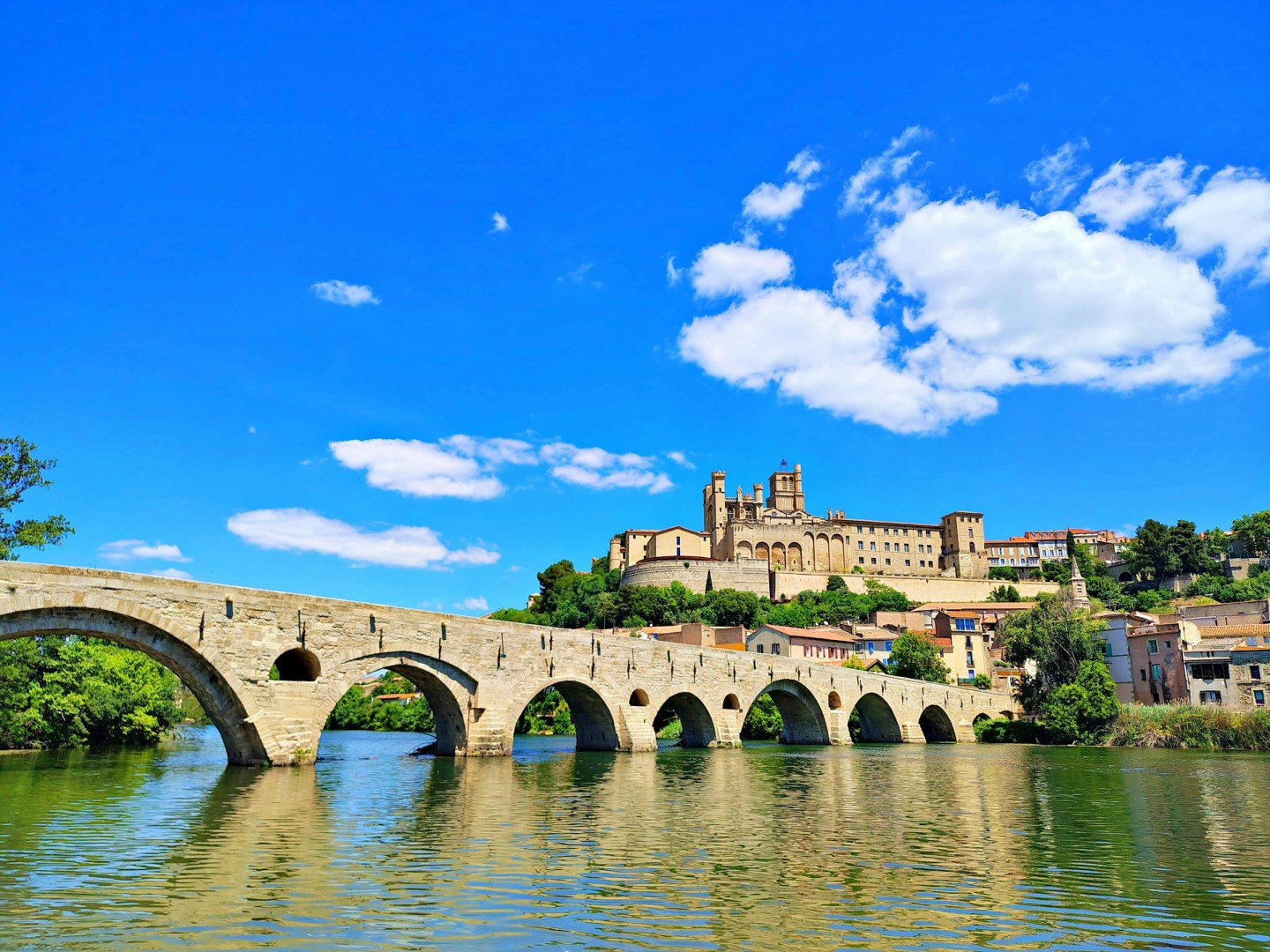
Beziers today is a dynamic city whose oldest houses are laid out in the elliptical pattern revealing the underlying Roman Amphitheatre, which is currently being excavated. The Beziers townspeople are passionate about rugby and the bullfights held in their modern arena.
Qatar invites discovery through both its modern ambition and traces of its desert heritage. In Doha, the Museum of Islamic Art, designed by I. M. Pei, rises over the waterfront to display centuries of calligraphy, ceramics, textiles, and metalwork. Nearby, the National Museum of Qatar presents the nation's story through exhibits and architecture shaped like the desert rose. Each space offers both insight and reflection.
Marmaris sits on the turquoise waters of Turkey’s Aegean coast and greets visitors with a lively harbor, wide beaches and a story that spans thousands of years. Its protected bay has been a safe anchorage for ships since ancient times, and today the marina, one of the largest on the Turkish Riviera, is bright with yachts and fishing boats alike.

Shimla is the capital of Himachal Pradesh, set along a steep Himalayan ridge surrounded by cedar and pine forests. Its hillside streets, mountain views, and dense collection of colonial-era buildings give the city a distinctive character, while The Ridge and Mall Road form the main pedestrian and civic areas. Shimla also developed as a major hill station during British rule and later became the state capital.
Photo Credit: Image by Michelle Maria from Pixabay
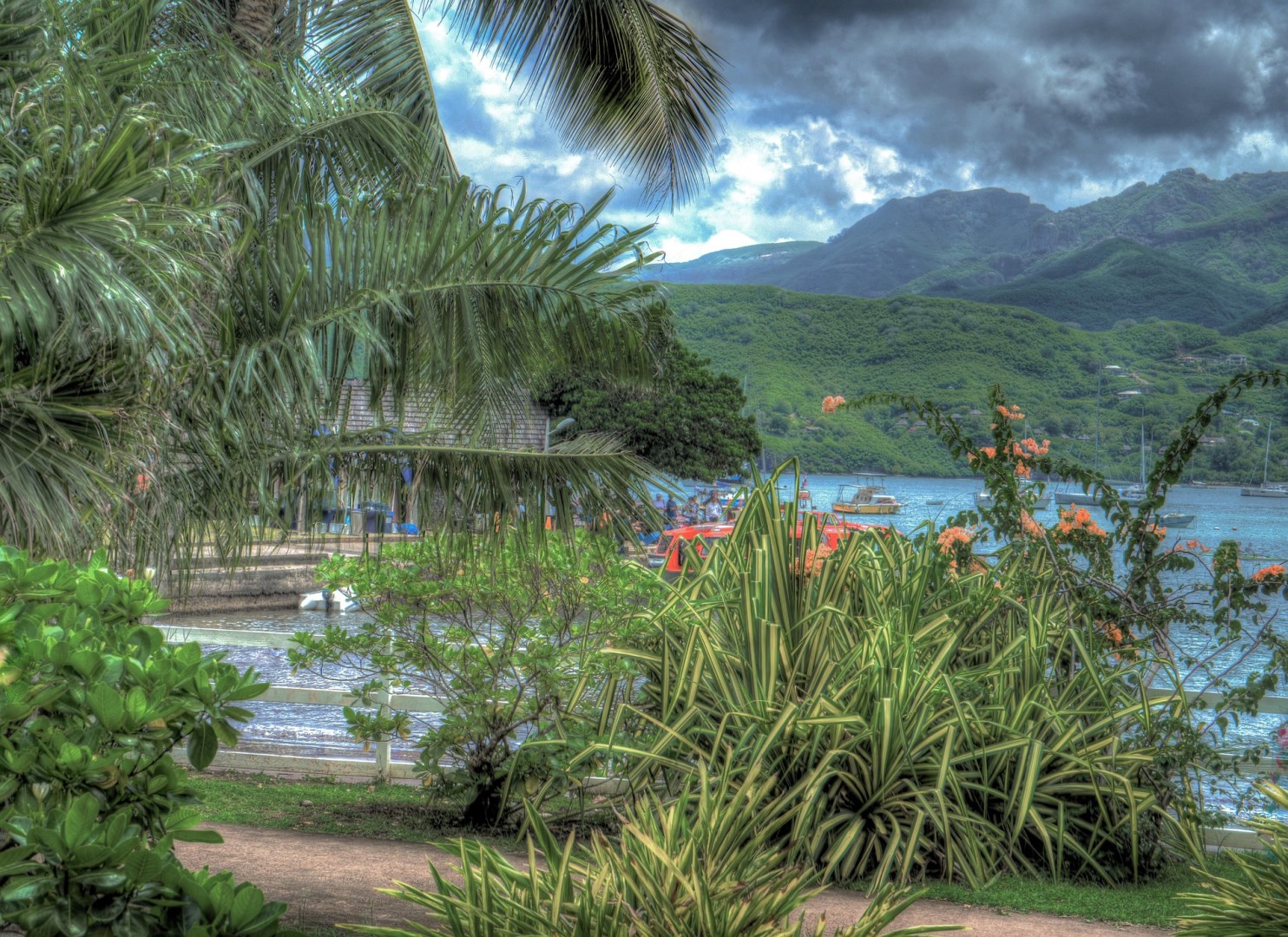
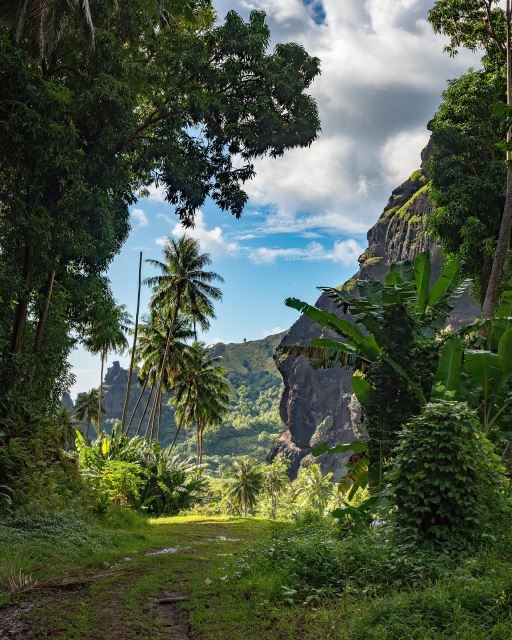
Nuku Hiva, the largest island in the Marquesas archipelago, offers an unparalleled escape into Polynesian paradise. This rugged island is renowned for its dramatic landscapes, characterized by lush valleys, towering cliffs, and volcanic peaks. The island's natural beauty is showcased in attractions like the Hatiheu Bay, with its stunning coastal scenery and vibrant marine life. The bay is a fantastic spot for boat excursions and snorkeling, allowing visitors to immerse themselves in the rich underwater world of the South Pacific.
A journey through Nuku Hiva reveals its rich cultural heritage. The island is home to several ancient Polynesian sites, including the impressive Taputapuātea, an archaeological complex featuring ancient stone platforms and ceremonial structures. These sites provide a glimpse into the island's pre-European history and are a testament to the Marquesas’ deep cultural roots.
Adventure seekers will find much to explore in Nuku Hiva's diverse terrain. Trekking enthusiasts can tackle the Vaipo Waterfall, one of the tallest waterfalls in the Pacific, cascading from a height of over 350 meters (1,150 feet). The hike to the waterfall offers breathtaking views and a rewarding splash in the natural pool below.
Fun fact: Nuku Hiva is the setting for the 19th-century novel "Typee" by Herman Melville, which was inspired by the author's experiences on the island. This literary connection adds an intriguing layer to your visit, connecting you to a piece of literary history.
Other Popular Destinations in Marquesas Islands
Hiva Oa
Hiva Oa, one of the most enchanting islands in the Marquesas archipelago, is a destination where natural beauty and cultural richness converge. Known as the “Garden of the Marquesas,” Hiva Oa is a lush, verdant paradise, dotted with towering cliffs, deep valleys, and an endless array of tropical flora
Fatu Hiva
Fatu Hiva, the southernmost of the Marquesas Islands, is a destination that feels like stepping back in time to a world untouched by modernity. This remote island is known for its breathtaking landscapes, where lush, verdant mountains rise dramatically from the deep blue sea.