Cartagena
Cartagena is a port city on Spain’s southeastern Mediterranean coast, in the Region of Murcia, where a sheltered harbor is surrounded by hills and historic neighborhoods. Its strategic position has made it an important maritime center for successive civilizations, leaving an unusually rich archaeological and architectural landscape. The modern city combines a busy waterfront with a compact historic center, where Roman remains stand alongside military buildings and modernist architecture.

Tangier
Located on the north coast of Morocco near the Strait of Gibraltar, Tangier is a cultural capital replete with historic sites, colorful architecture, and splendid beaches. An essential stop is the Ancien Medina, a walled collection of winding streets and alleys filled with cafes and shops leading to the Kasbah, a former palace and mosque that also houses a museum.
Langebaan
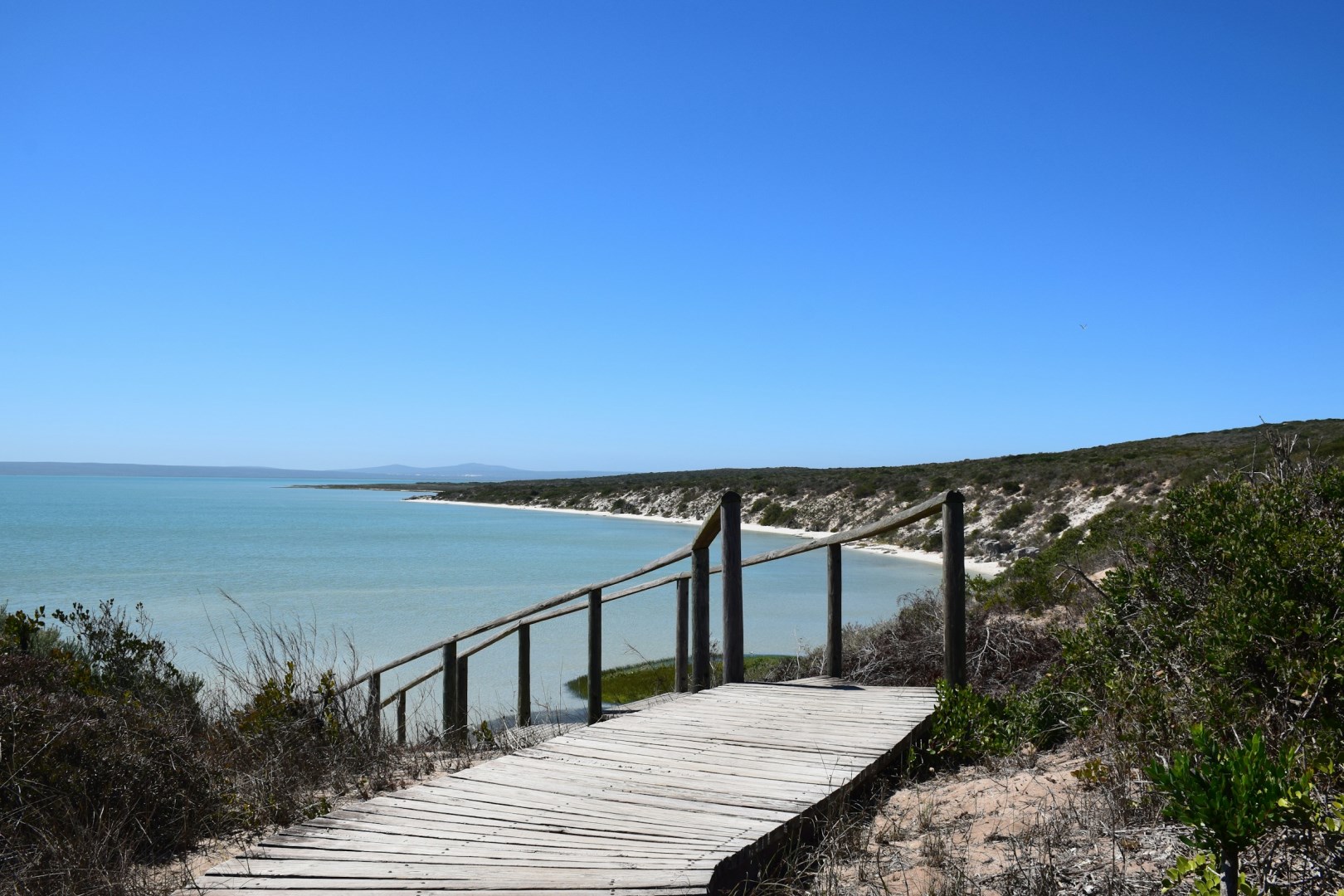
Langebaan is a coastal town in South Africa’s Western Cape, set along the eastern shore of Langebaan Lagoon about 120 kilometres north of Cape Town.
Palmeira
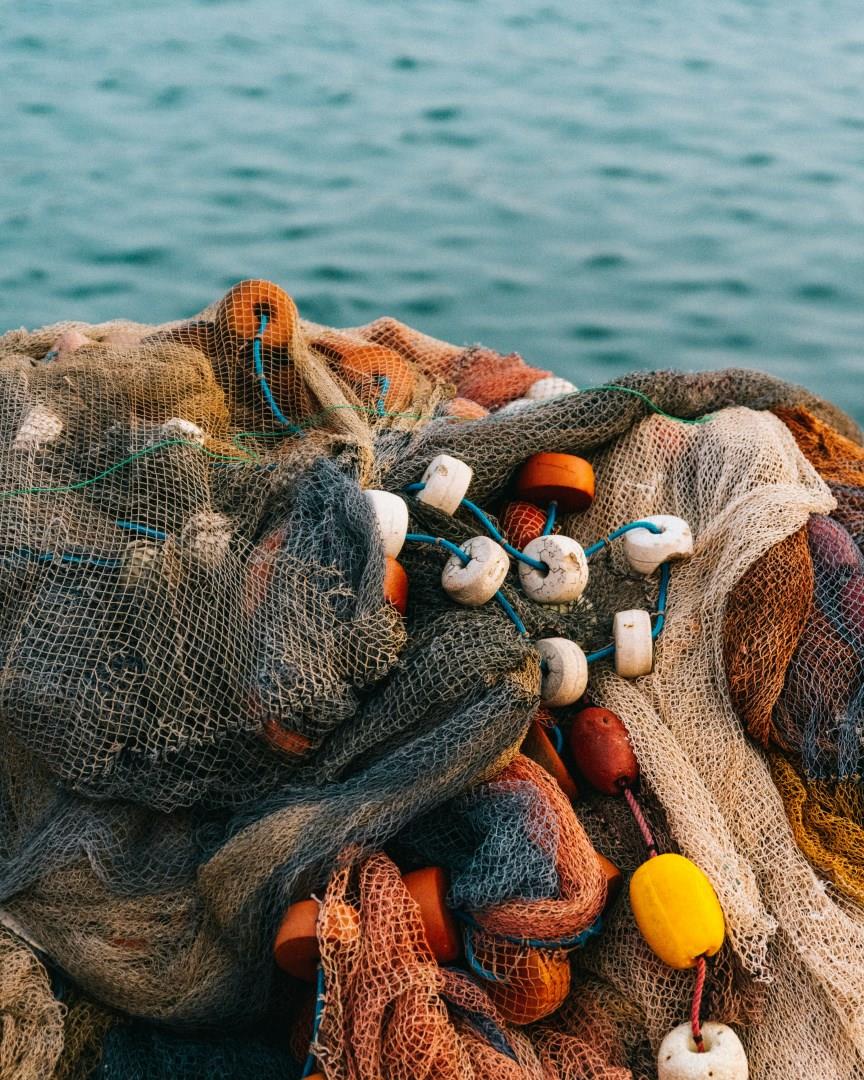
On the north-western coast of Sal Island in Cape Verde sits Palmeira, an authentic fishing settlement where day-to-day life still revolves around the sea. The village’s seaside restaurants serve grilled tuna, octopus, and flying fish fresh from the day’s catch. Just a short trip from the centre lies Buracona, a natural lava rock pool famous for the “Blue Eye,” a glowing underwater cave that shines when the sunlight hits at just the right angle.
Chyulu Hills National Park
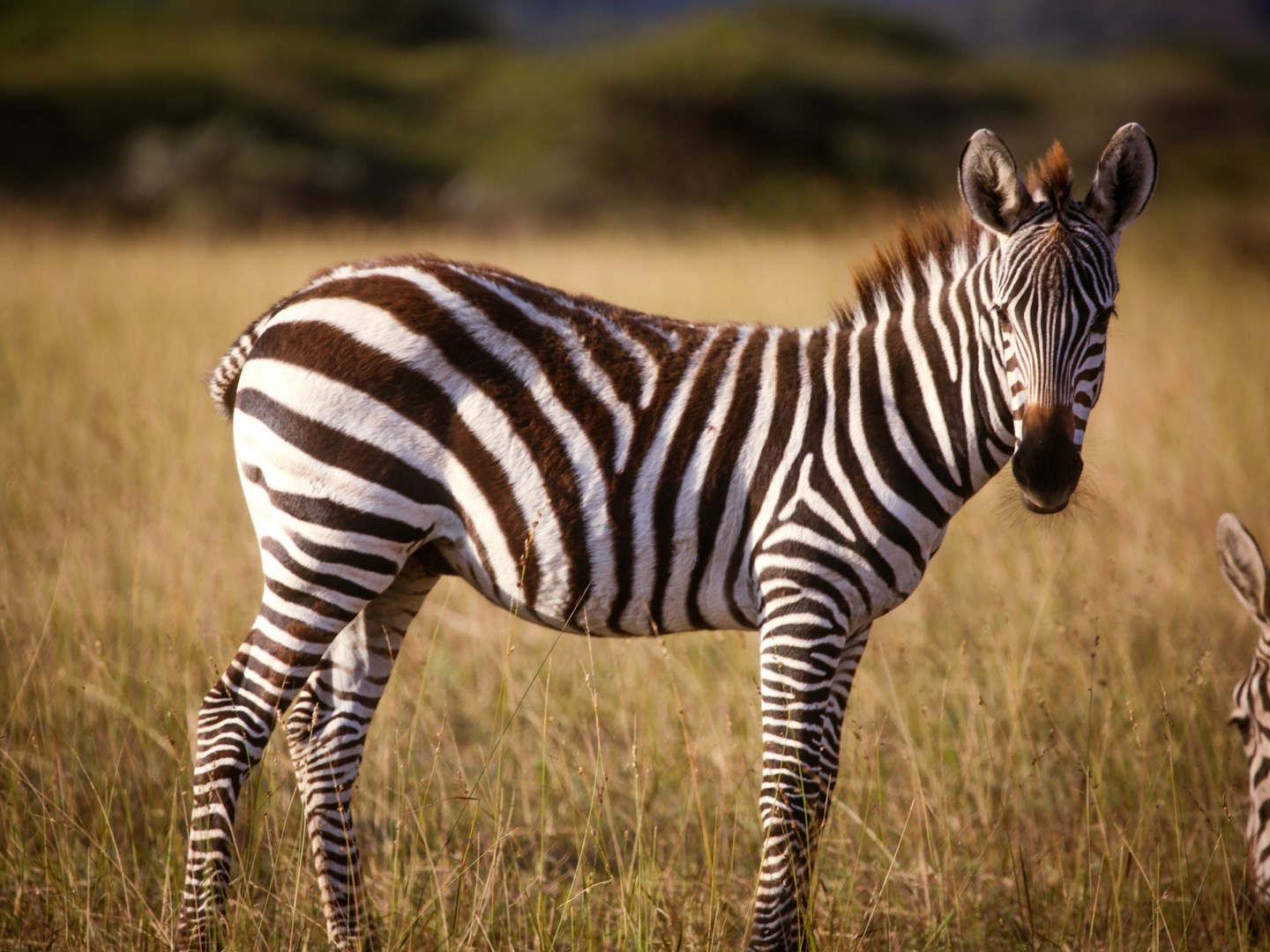
Chyulu Hills National Park lies in southeastern Kenya between Amboseli and Tsavo, forming a long range of volcanic hills covered by grassland, shrubland, and patches of montane forest. The hills rise from the surrounding plains and are shaped by relatively recent volcanic activity, with lava flows, cones, caves, and other geological features visible across the landscape.