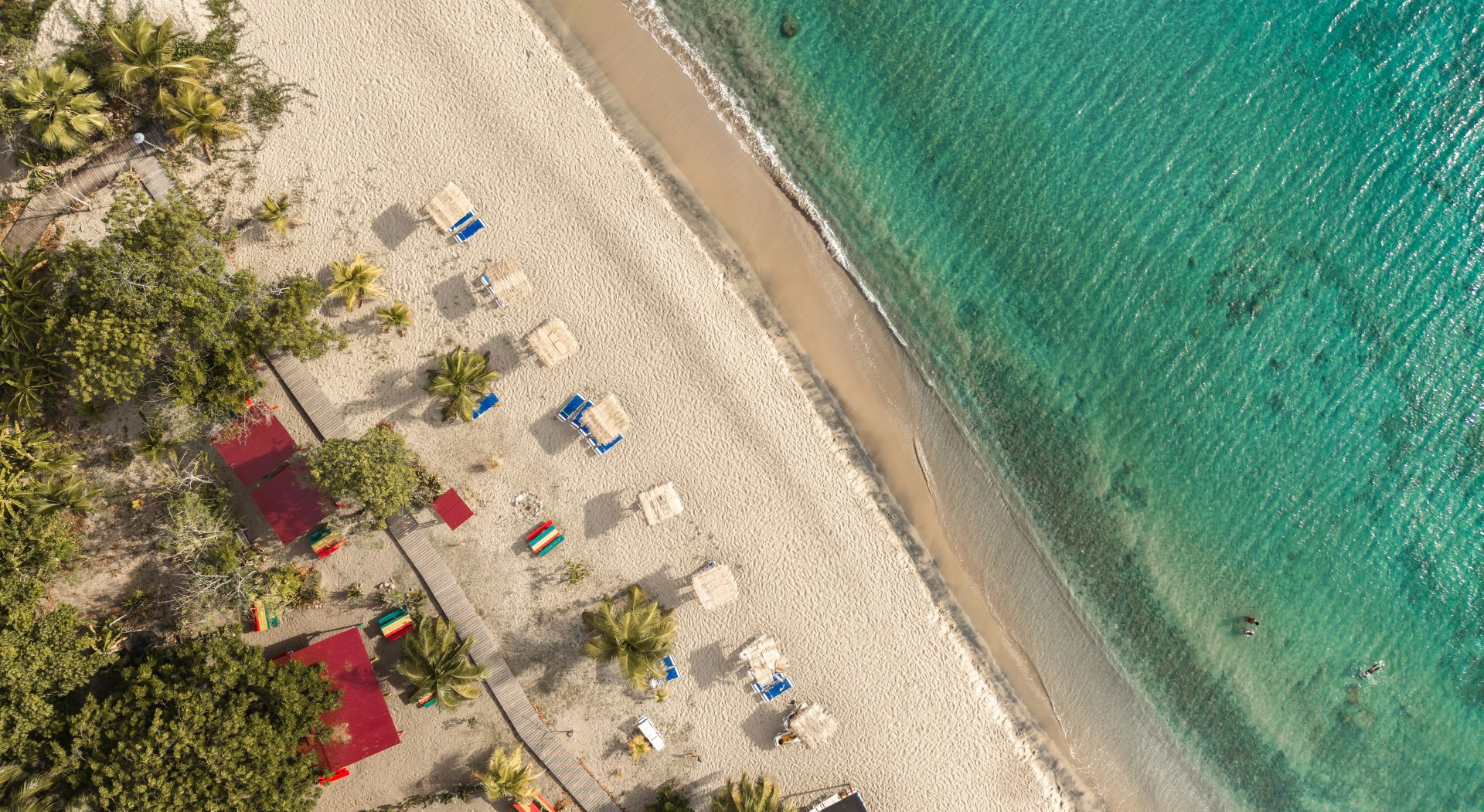
Charlestown
Charlestown is the historic capital of Nevis, located on the island’s west coast beside the Caribbean Sea. The compact town retains much of its Georgian-era layout, with low stone buildings, wooden houses, narrow streets, and a waterfront facing Saint Kitts across The Narrows. Charlestown also serves as an important ferry and water-taxi arrival point, connecting Nevis with neighbouring islands.
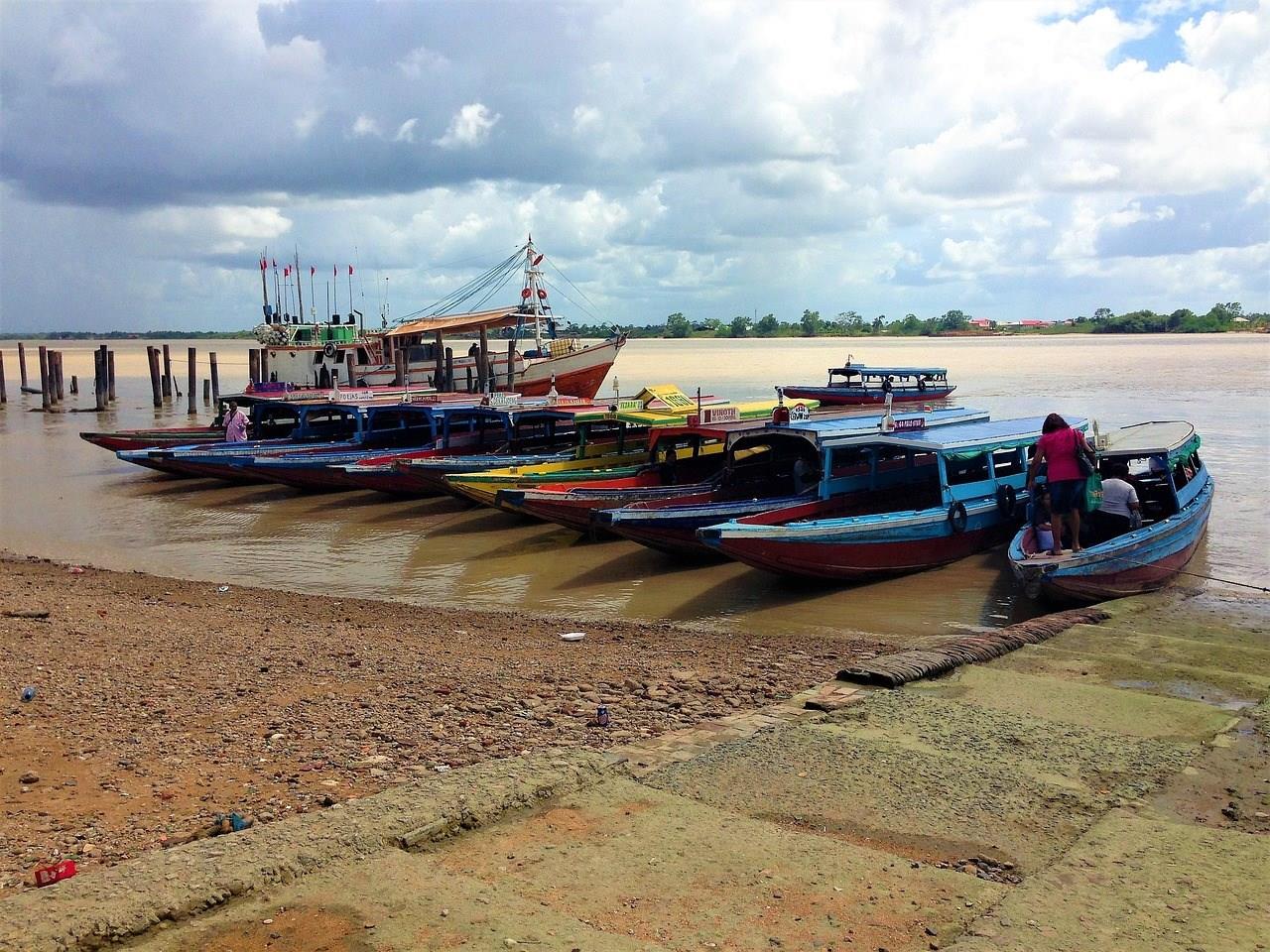
Paramaribo
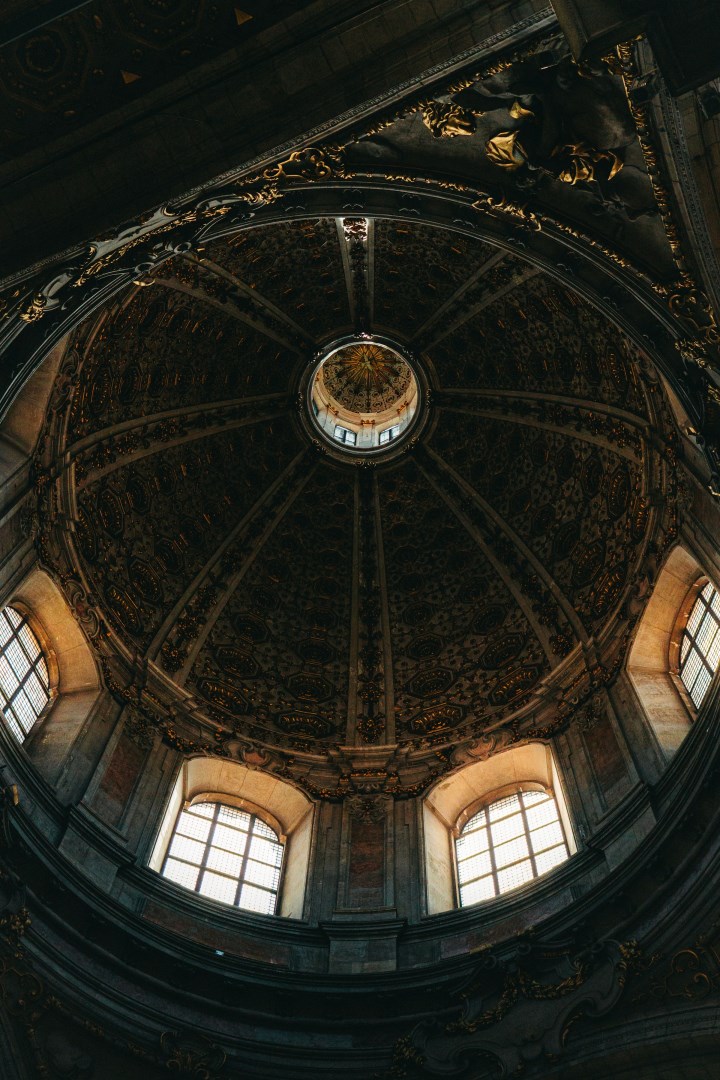
Paramaribo, Suriname’s capital, unfolds like a living storybook along the Suriname River, where wooden structures from the 17th and 18th centuries still stand today. This historic heart reveals a rare fusion of Dutch design and local craftsmanship. Visitors can stroll the Waterkant, a riverside avenue, and take in landmarks such as Fort Zeelandia, the neoclassical Reformed Church, and the lofty wooden Cathedral of St. Peter and Paul.

Geneva
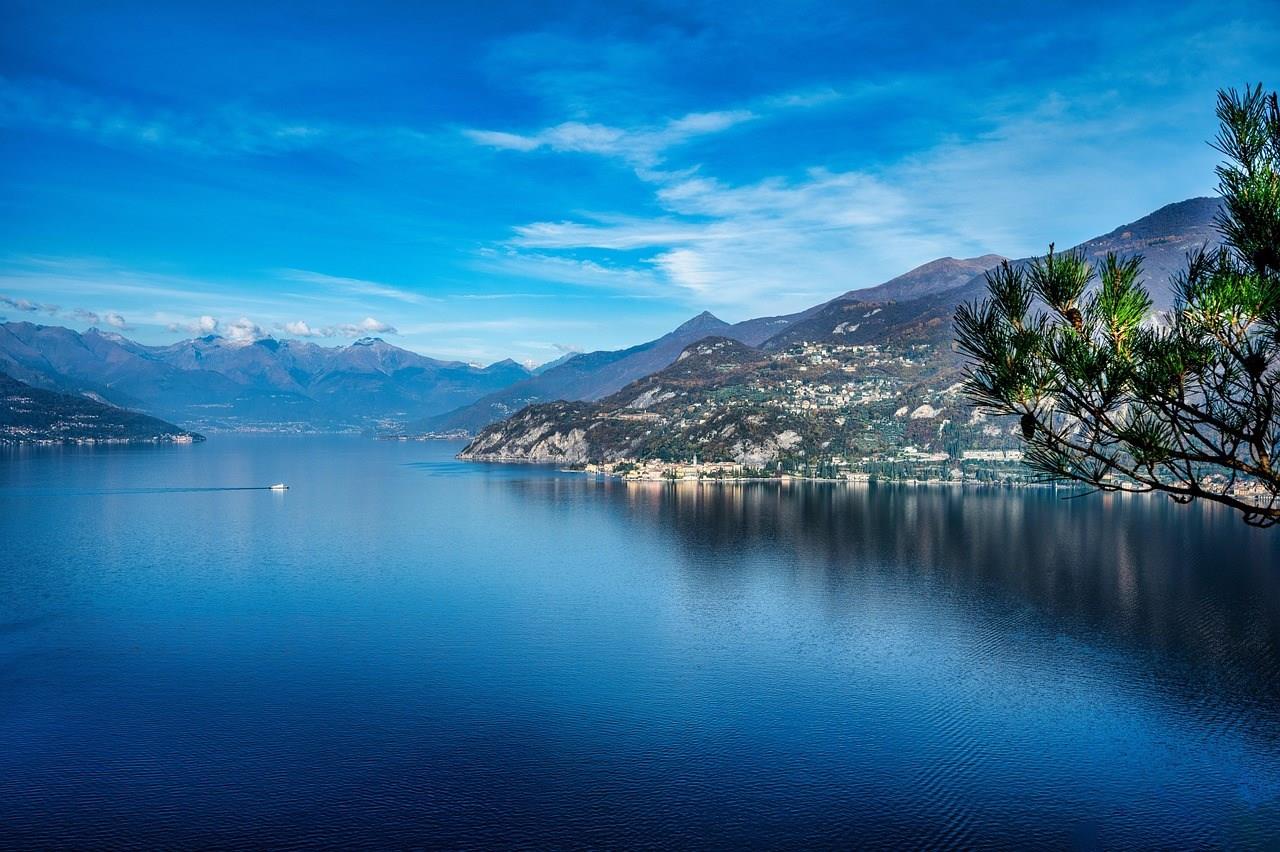
Geneva is a cosmopolitan metropolis proud of her traditions. It is the international meeting place of many worldwide organizations including the United Nations and W.H.O. The symbol of the city, the Jet D'Eau is located on the picturesque lake which is surrounded by the splendid gardens and parks. The elegant city has an astonishing variety of boutiques and department stores filled with every imaginable item.
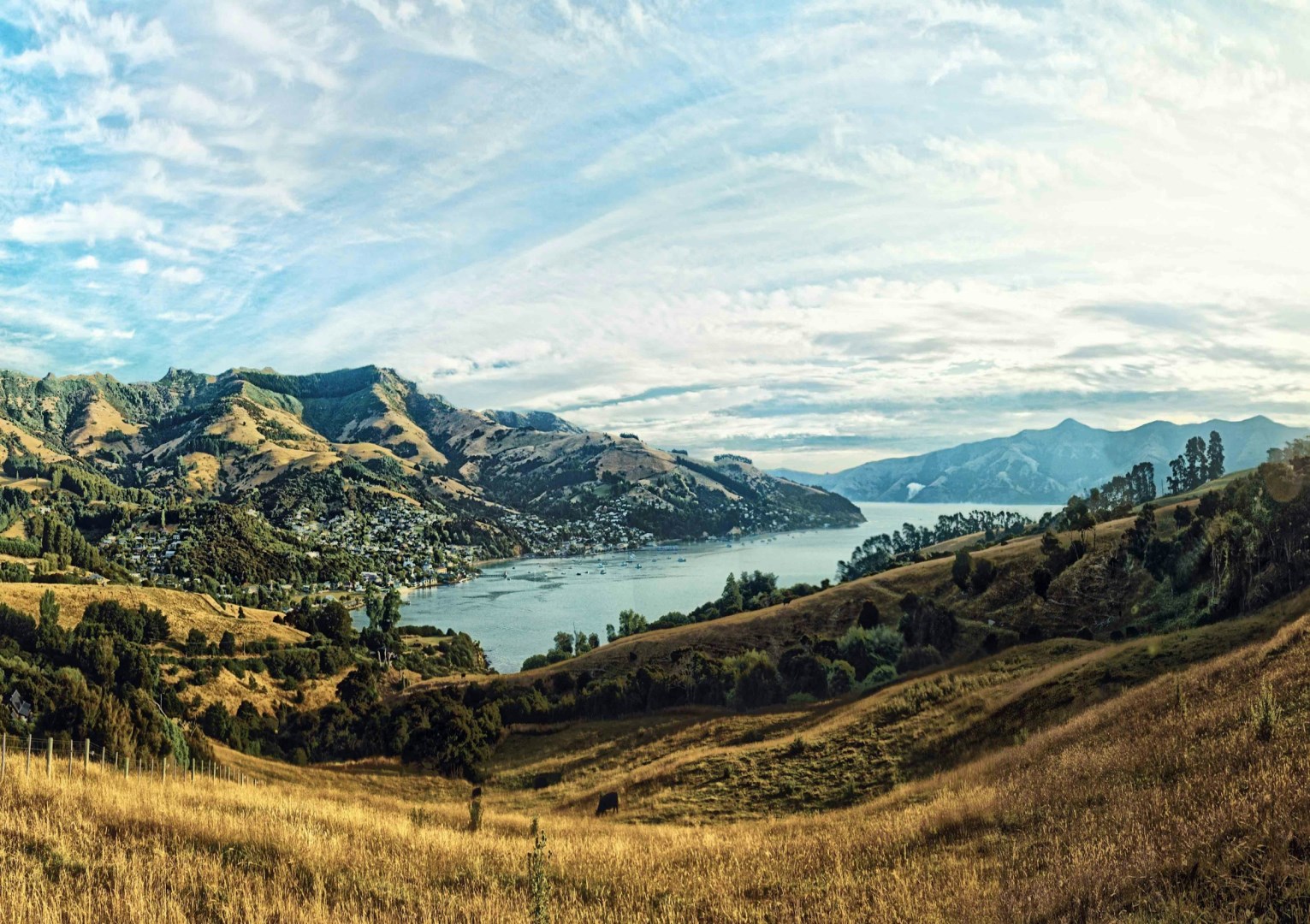
Akaroa
Akaroa is a small seaside settlement on Banks Peninsula in Canterbury, built around a sheltered harbour formed within an ancient volcanic landscape. Its streets contain French-inspired names, colonial buildings, cafés, and cottages, giving the town a distinctive character within New Zealand. The surrounding peninsula is shaped by steep volcanic hills, sheltered bays, farmland, and winding coastal roads.

Bukhara
Founded in the 1st century this ancient city featured prominently in the Silk Road. It is known as the hub of theology and culture in central Asia while still featuring many beautifully preserved historic sites - including the Ark of Bukhara and Samanid Mausoleum.