Ahuachapán
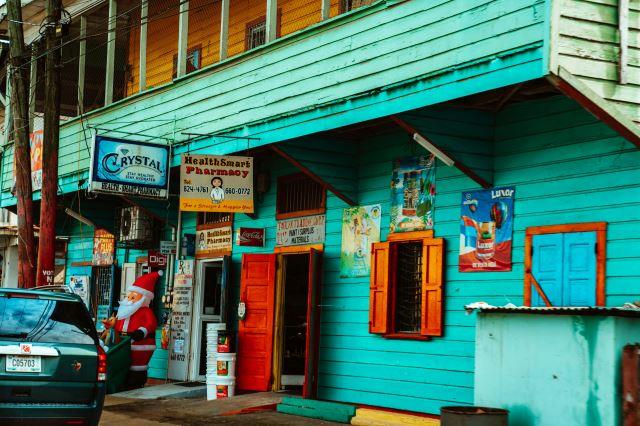
Ahuachapán is a city in western El Salvador and the capital of the department of the same name. It sits near the foothills of the Apaneca-Ilamatepec mountain range, an area known for highland coffee farms, volcanic landscapes, and the route connecting several towns along the Ruta de las Flores. The city itself has a historic center with traditional architecture, plazas, churches, and pedestrian areas.
Akita
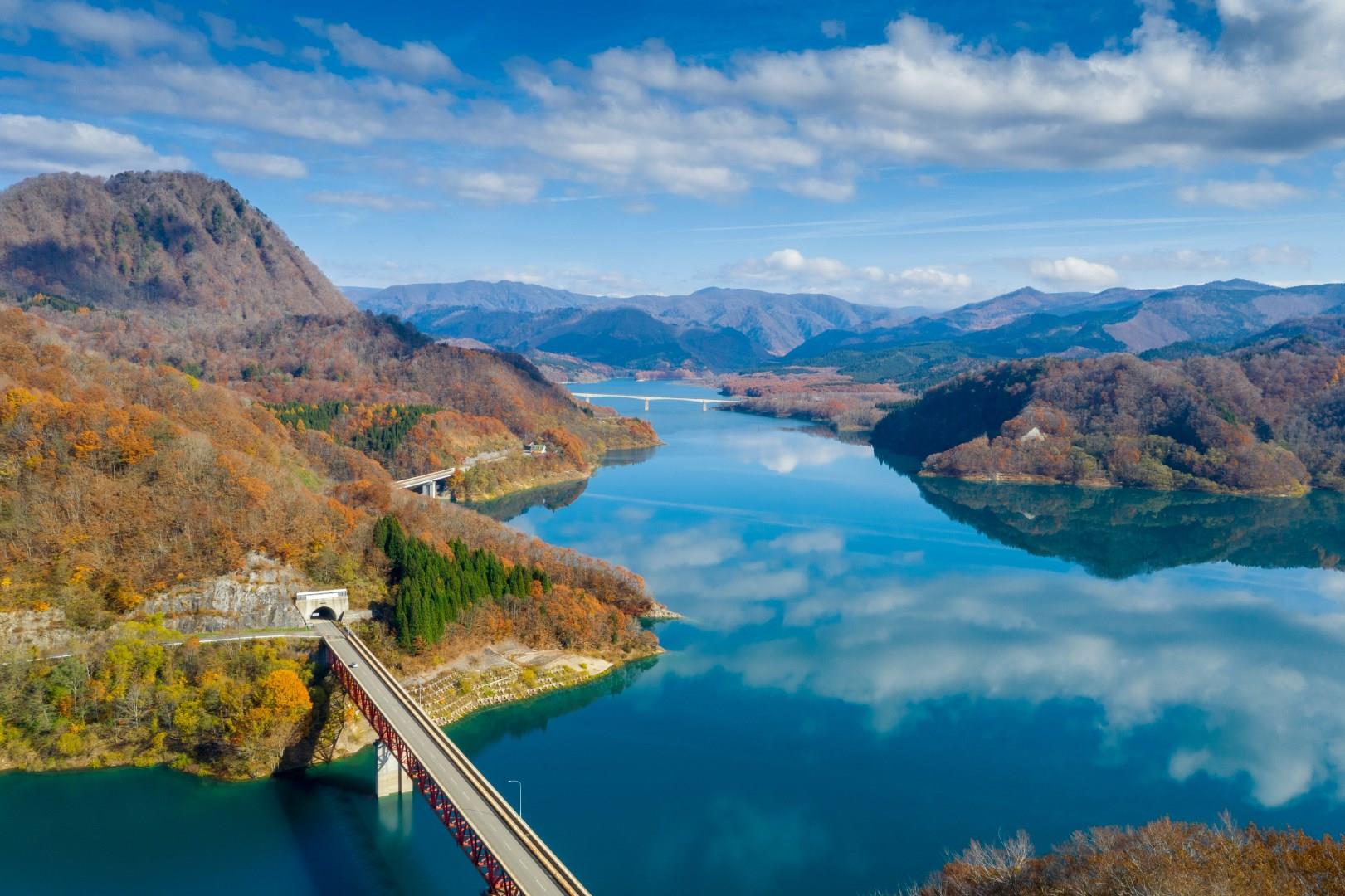
Akita sits in the northern part of Japan’s Tōhoku region and offers travelers experiences rooted in long-held traditions, lively festivals, and scenic valleys. Its capital city blends seasonal appeal with cultural offerings, from Senshu Park, once the site of Kubota Castle, where cherry blossoms and lotuses draw locals and visitors alike, to the Akita Museum of Art, a striking building designed by famed architect Tadao Ando that displays works including pieces by Tsuguharu Foujita.
Zamora
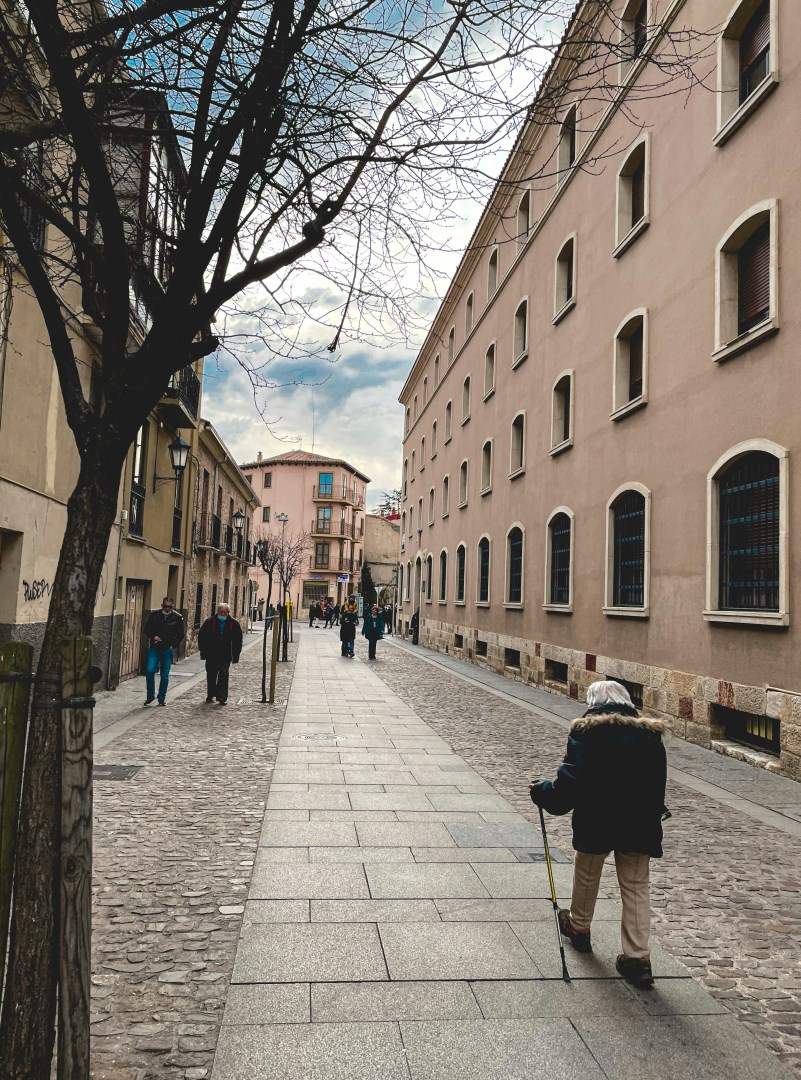
Zamora is a compact city in northwestern Spain, set along the Duero River and known for its remarkable concentration of Romanesque architecture.
Mürren
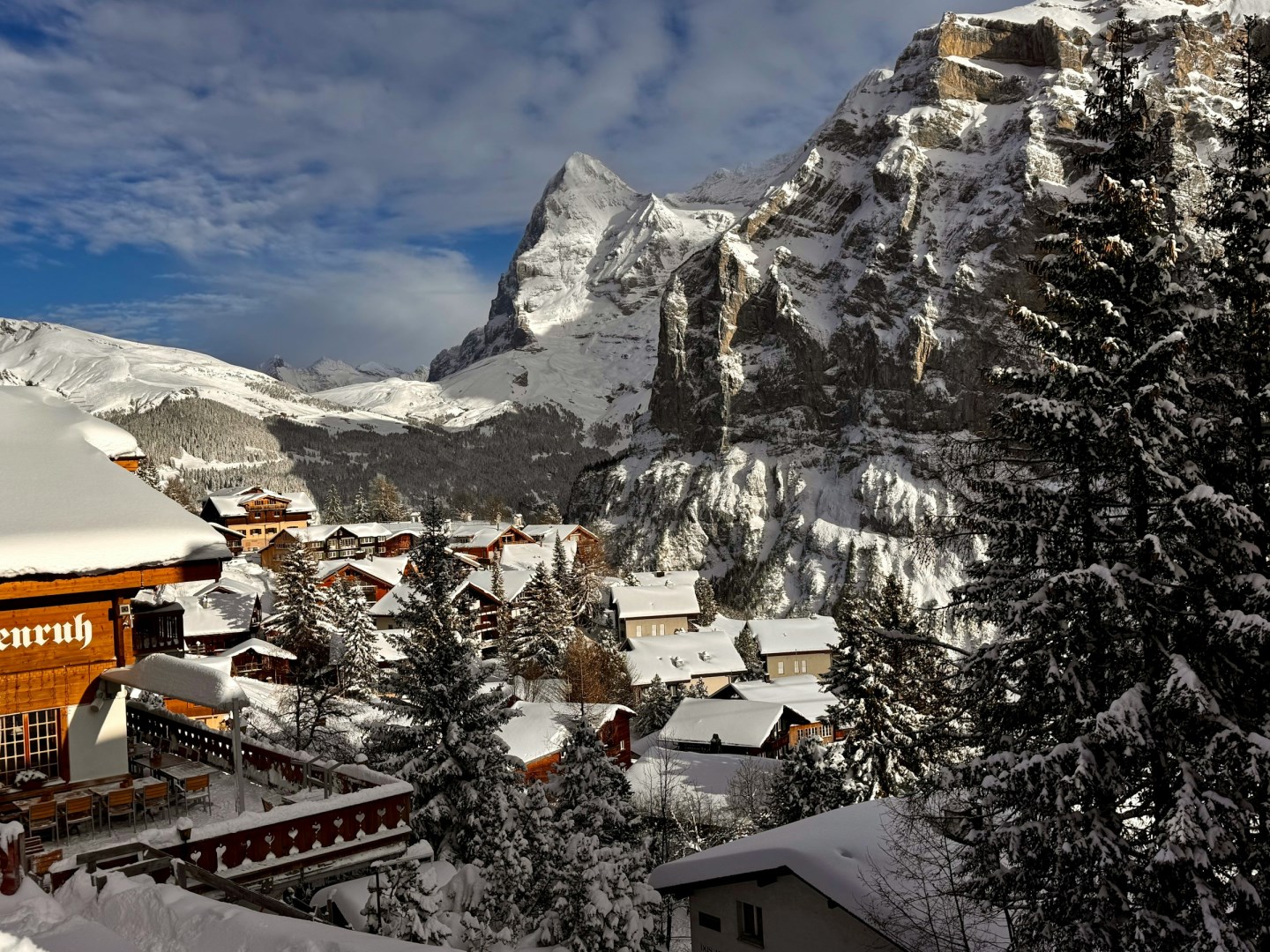
The car-less village of Murren is surrounded by the mountain peaks of Eiger, Monch and Jungfrau, all soaring over 13,000 feet.

Kingman
Kingman is a city in northwestern Arizona, set among the rugged mountains and high desert of Mohave County. Its location along historic U.S. Route 66 has made it an important stopping point for travelers crossing the Southwest, while its position between the Colorado River and the high country gives the city a varied surrounding landscape. Historic downtown Kingman contains preserved storefronts, murals, museums, and roadside landmarks that reflect its transportation heritage.