St. Lucia is an island of verdant landscapes in every direction: A dense rain forest rises up and covers The Pitons' twin peaks, and in the valleys, the sun's rays dance upon the large yellow-green leaves of banana plants. Beyond all the greenery, you'll find isolated coves, stunning beaches, colonial towns, quiet fishing villages and first-class yachting facilities.
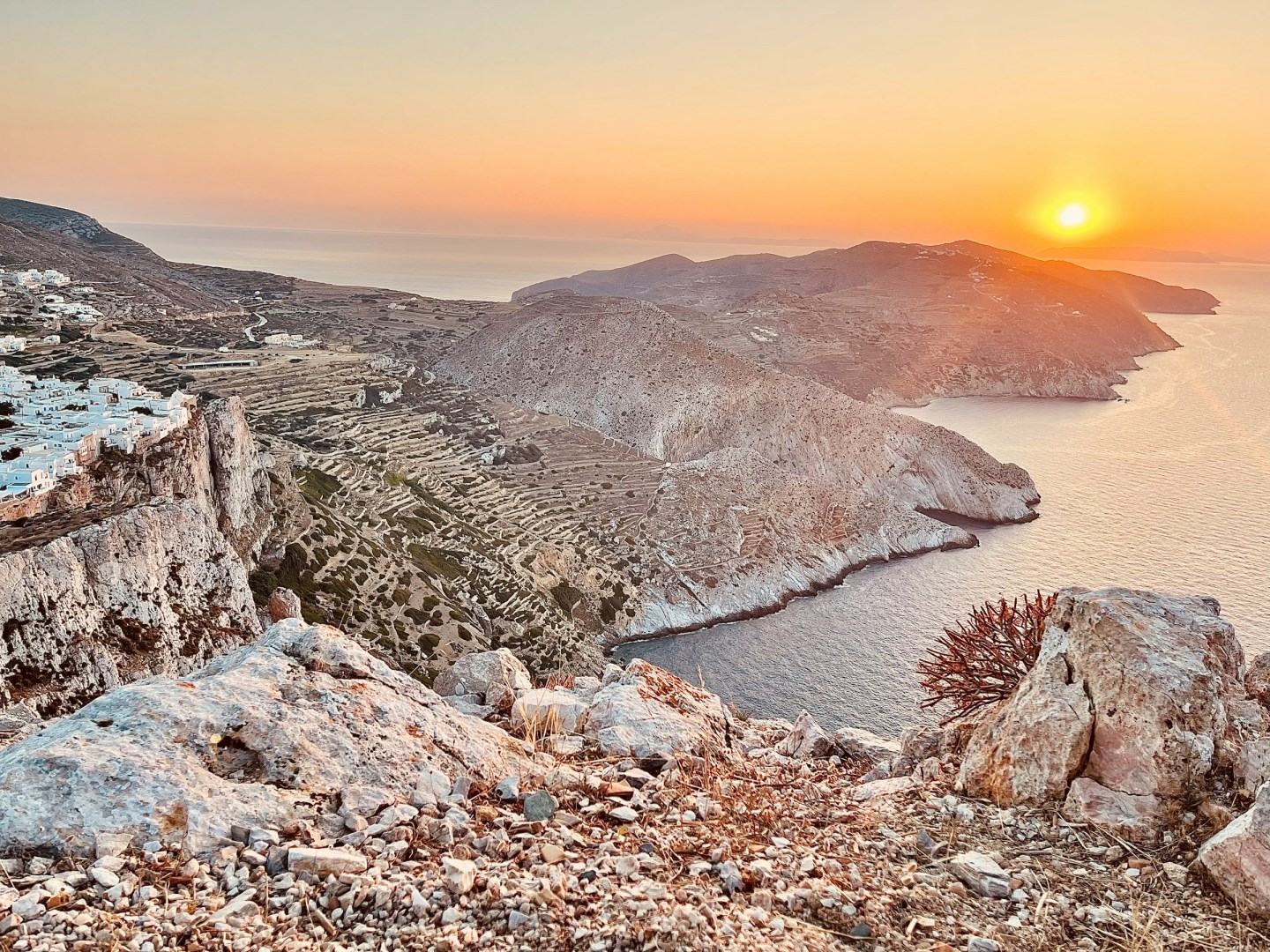
Folégandros is a small Cycladic island in the Aegean Sea, known for its steep cliffs, dry hills, whitewashed villages, and traditional stone architecture. Its main settlement, Chora, sits more than 200 metres above sea level and extends around the medieval Kastro, a fortified district built near the edge of the cliffs.
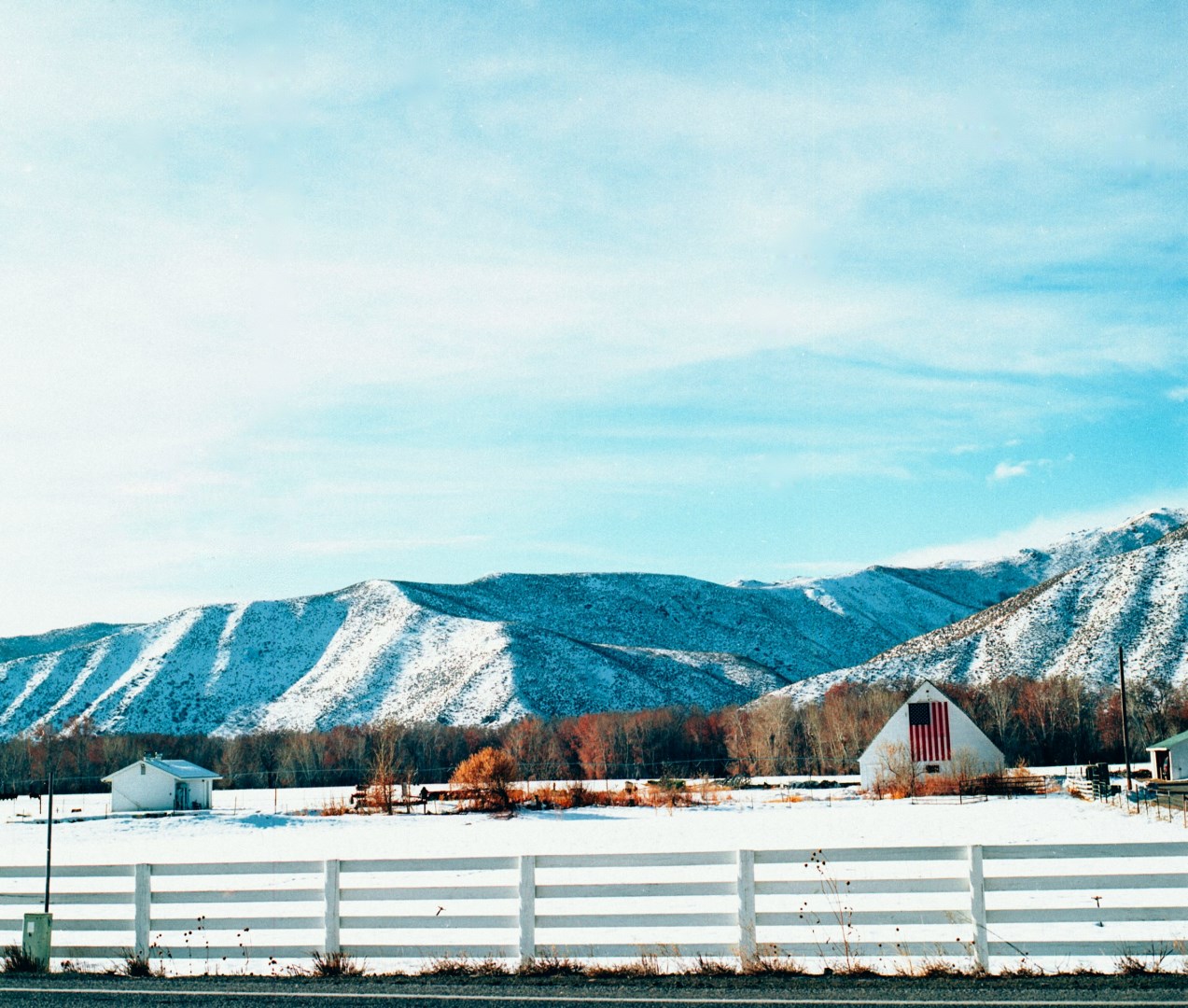
Sun Valley is a quaint ski village. A technological marketplace. Small town charm with big city convenience. The Sun Valley area provides a fun skiing experience for the entire family. All skill levels are catered to on each of the local mountains. Sun Valley Resort's Bald Mountain is just minutes from town and Soldier Mountain is a short drive down the beautiful Wood River Valley offering Snow Cat skiing and tours.
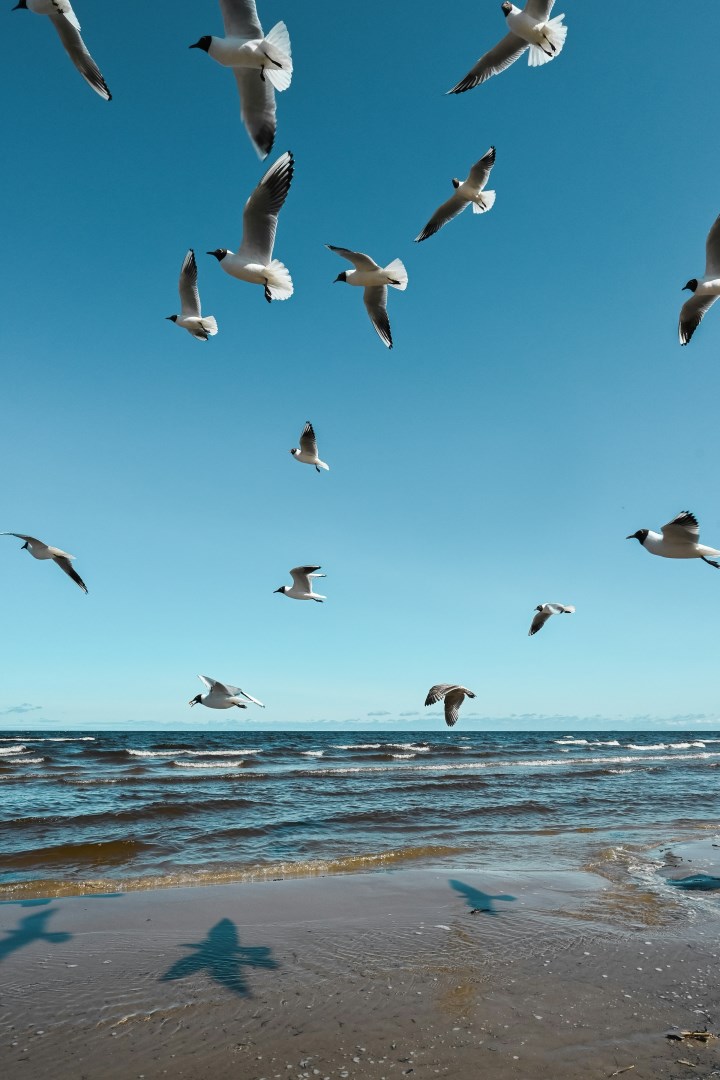
Jūrmala, Latvia’s famed seaside resort, stretches along 33 kilometers of white sandy beaches kissed by the Baltic Sea. Its wooden architecture, featuring colorful villas from the early 20th century, tells the story of its history as a retreat for the well-to-do during the Russian Empire. Visitors strolling the Jomas Street promenade will find a lively atmosphere filled with cafes, boutiques, and galleries, alongside peaceful spots where the sea breeze encourages relaxation.
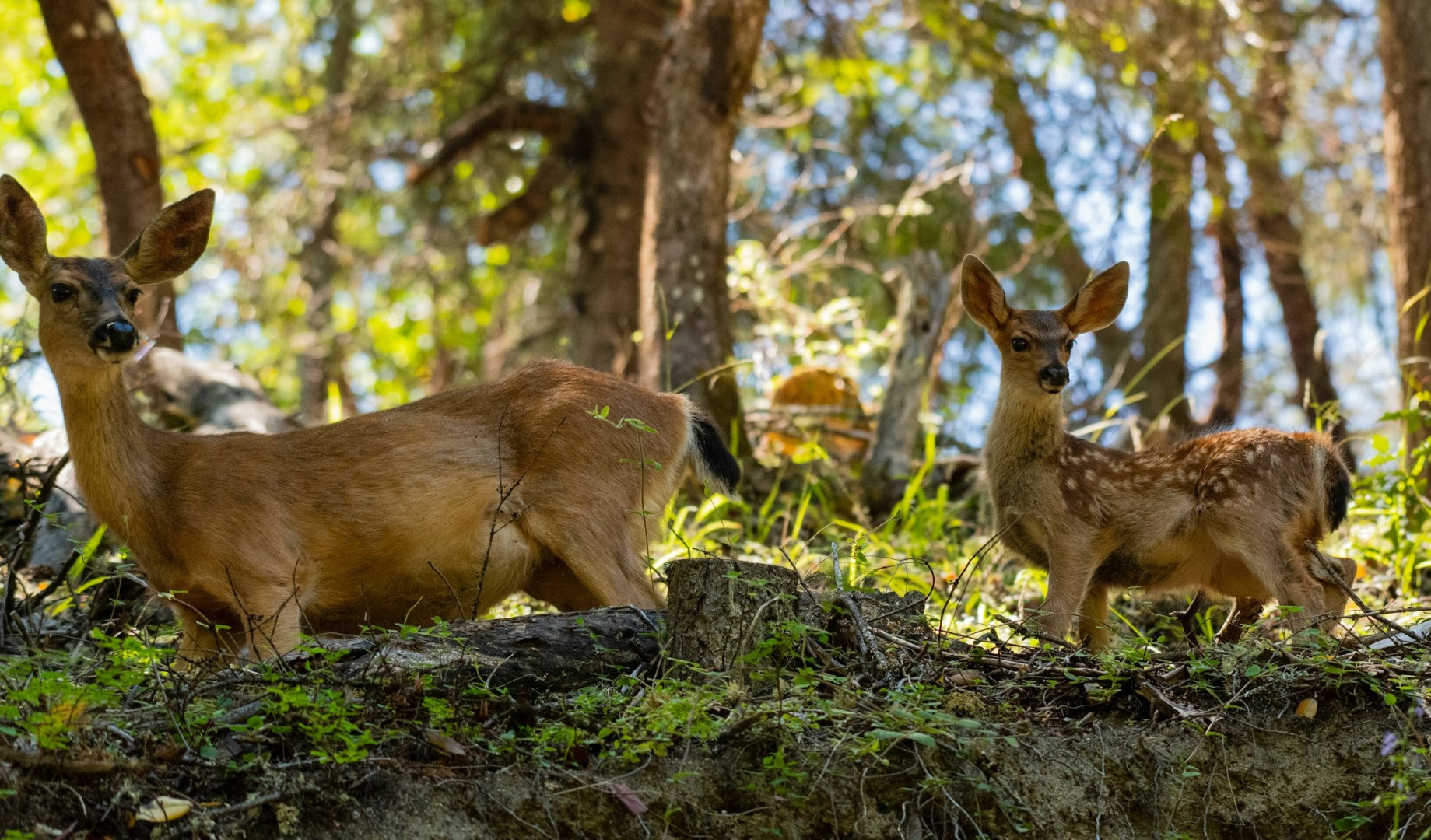
Ashland is a small city in southern Oregon, set in the foothills of the Siskiyou Mountains near the California border. The community is known for its tree-lined streets, historic downtown, Lithia Park, and access to surrounding mountain landscapes. Ashland’s compact center contains independent shops, restaurants, galleries, and historic buildings, while Ashland Creek runs through the city and into the park.
Photo Credit: Photo by Zoltan Rakottyai on Unsplash
Photo Credit: Photo by Andy Arbeit on Unsplash
Valea Cetății
Photo Credit: Photo by Adrian Ciocalau on Unsplash
Photo Credit: Photo by Michelangelo Azzariti on Unsplash
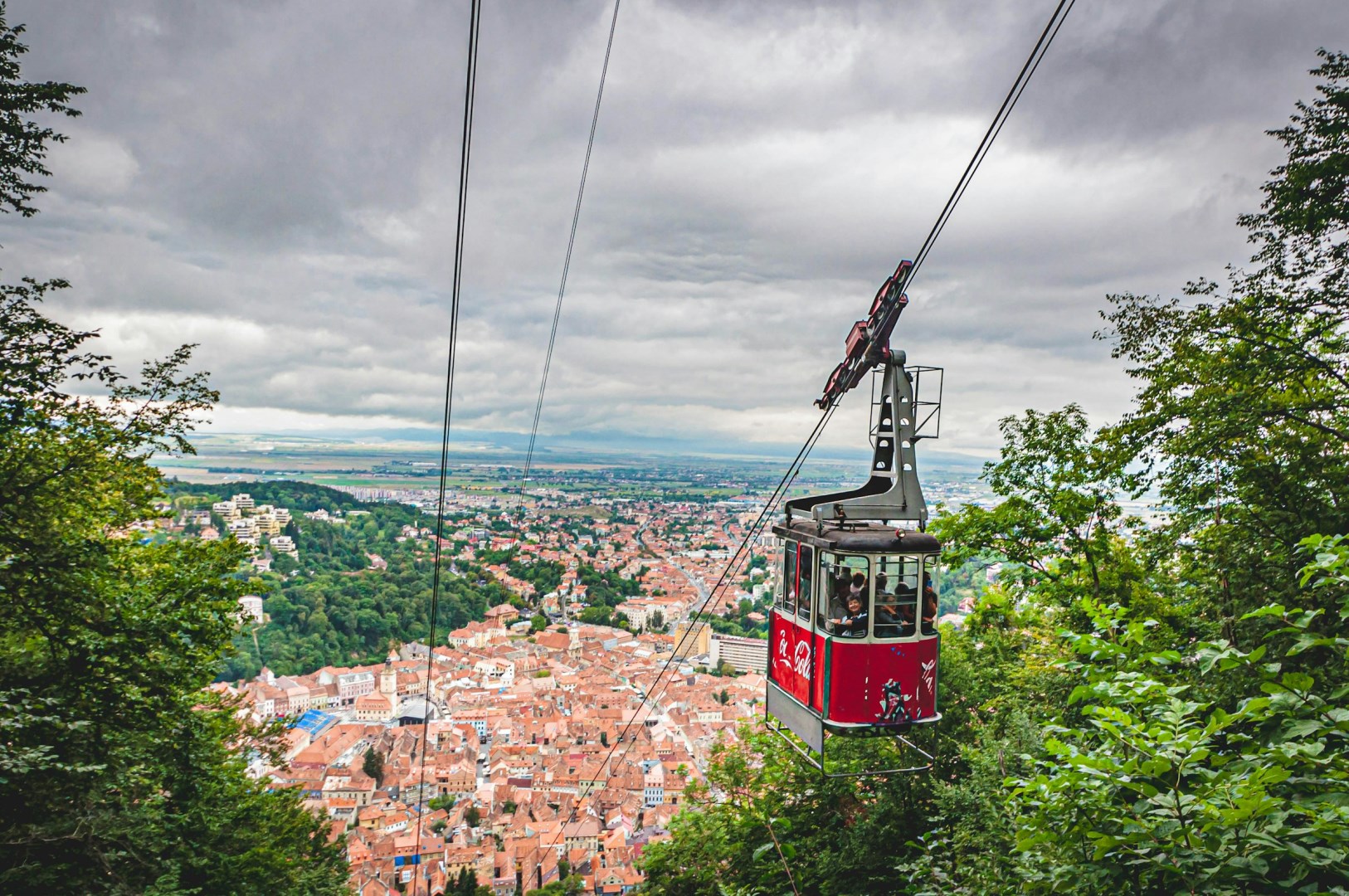
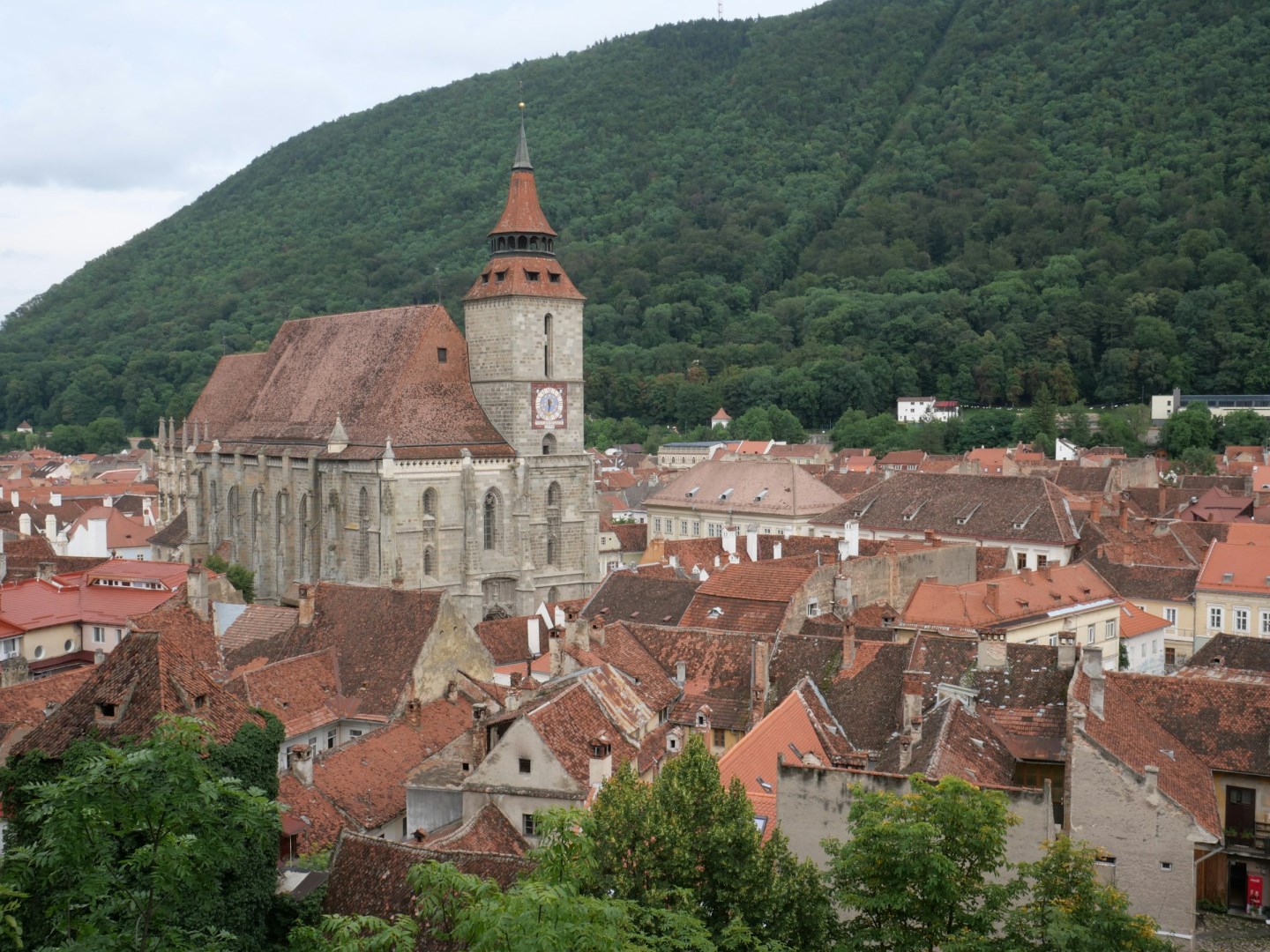
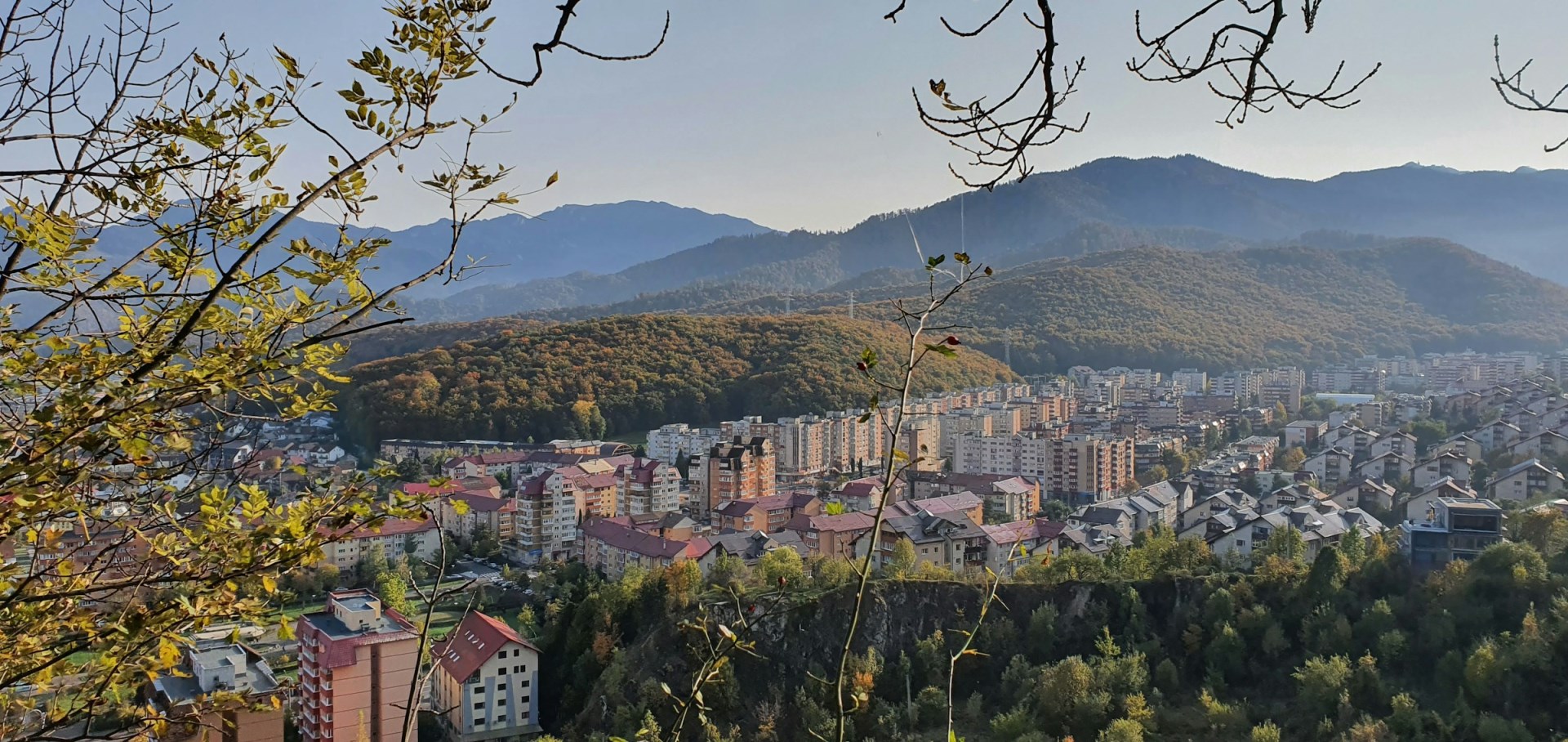
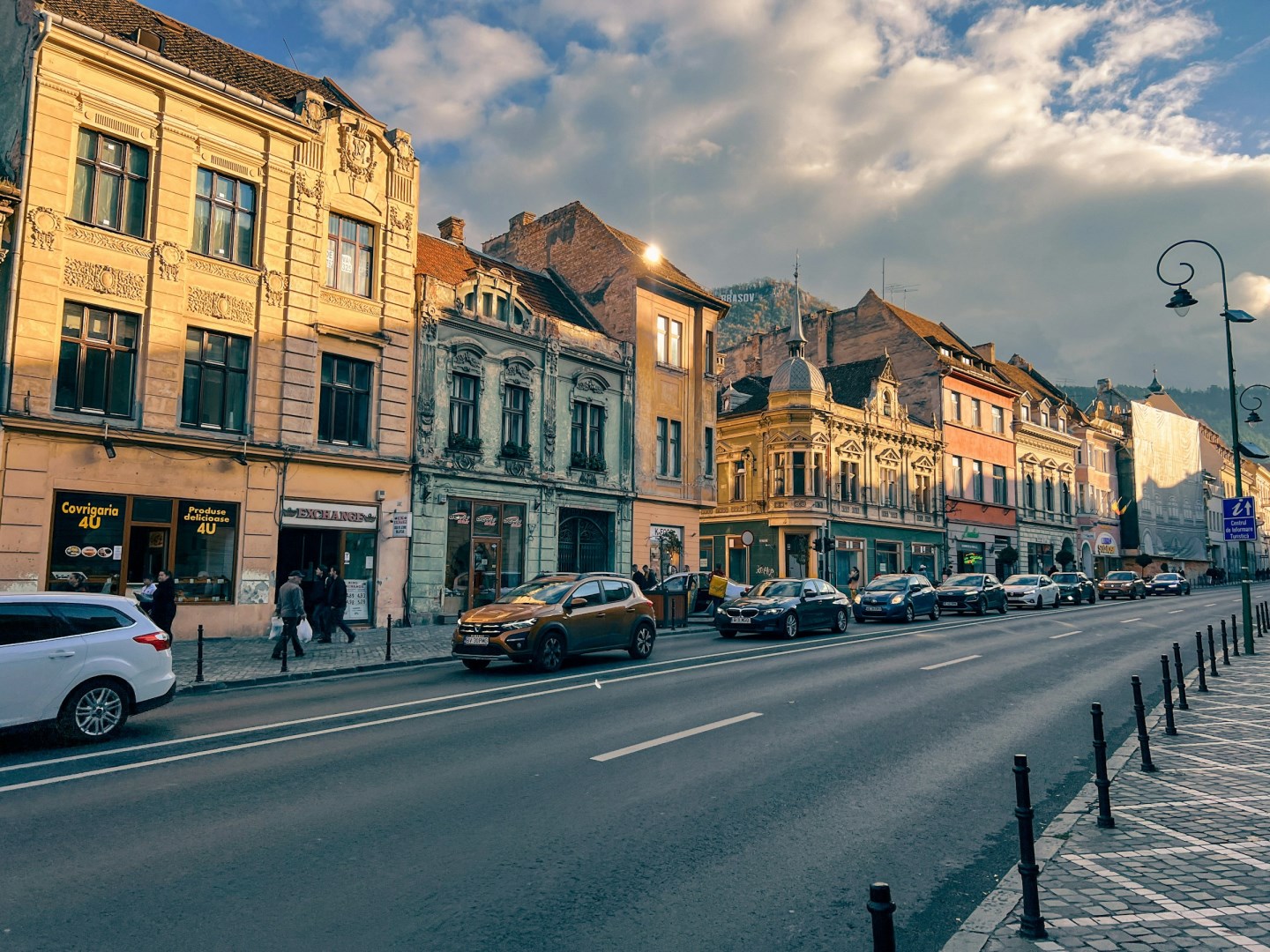
Nestled in the heart of Romania, Brașov is a charming city that effortlessly blends medieval history with stunning natural beauty. Encircled by the Carpathian Mountains, Brașov's well-preserved medieval architecture and vibrant cultural scene make it a must-visit destination. The centerpiece of the city is the stunning Black Church, a Gothic marvel that dates back to the 14th century. This iconic landmark, known for its massive blackened walls, is the largest Gothic church in Eastern Europe and houses an impressive collection of 4,000 volumes of the Protestant Reformation.
The city's Old Town, with its cobbled streets and colorful buildings, exudes a fairytale charm. Stroll through Piața Sfatului, the main square, where you can admire the historical Council House and the vibrant street life. Brașov’s medieval fortifications, including the impressive city walls and the Tampa Fortress, offer panoramic views of the city and the surrounding landscapes. For a taste of local history and culture, the Brașov History Museum, housed in the former Council House, provides a fascinating insight into the city's past.
Nature enthusiasts will find plenty to explore in Brașov’s surrounding landscapes. The nearby Piatra Craiului National Park offers exceptional hiking trails, while the scenic Poiana Brașov resort is perfect for skiing and mountain activities year-round. The nearby Dracula’s Castle, or Bran Castle, is a short drive away and is a popular attraction steeped in legend and myth.
Fun Fact: Brașov is home to one of the narrowest streets in Europe, Strada Sforii. Measuring just 1.2 meters wide, it’s a delightful curiosity and a perfect spot for a memorable photo.
Other Popular Destinations in Romania
Bucharest
Tree-lined avenues, grand architecture, and the imperative to live well defines Bucharest, a bustling city that is rebounding and expanding. In the 1900s, this vibrant Romanian capital was nicknamed "Little Paris" and that jubilant, raise-a-glass spirit carries over to this day.
Sighisoara
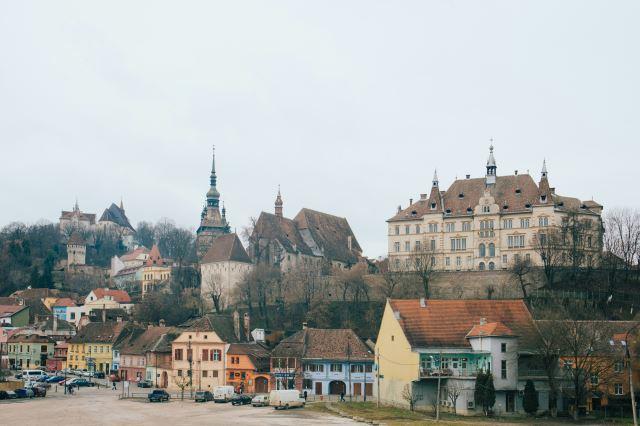
Sighisoara rises above the Târnava Mare River as one of the few medieval citadels in Europe that is still lived in and admired today. Its historic center has been on the UNESCO World Heritage List since 1999, recognized for its long history as a fortified Saxon settlement and its role in trade and defense on the edges of central Europe. Wander through cobbled alleys framed by pastel-colored houses, and the layers of time feel close at hand, from the city walls and guild towers to busy cafés.