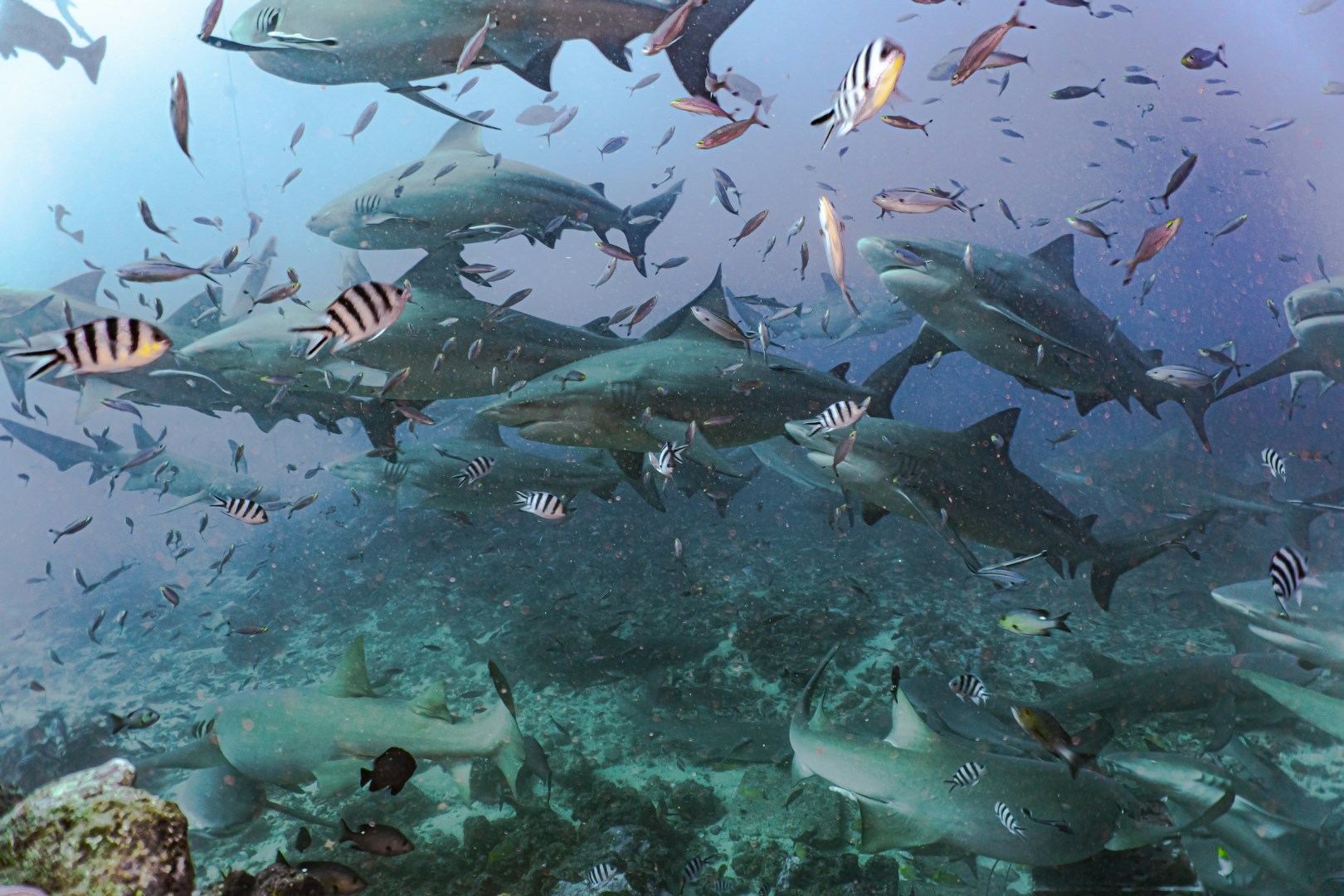
In the heart of the South Pacific, beneath southern skies, lies the island paradise of Fiji. If you travel to dive, to eat fine food, to bask in the sun, or to simply relax in a tropical paradise the tiny, unspoiled island of Beqa, just might be what you're looking for. One exciting feature of Beqa is its seclusion. Beqa Island has no roads and no towns, only three isolated villages scattered around the perimeter. The island is skirted by stretches of sandy beaches laced, in the evening and ear
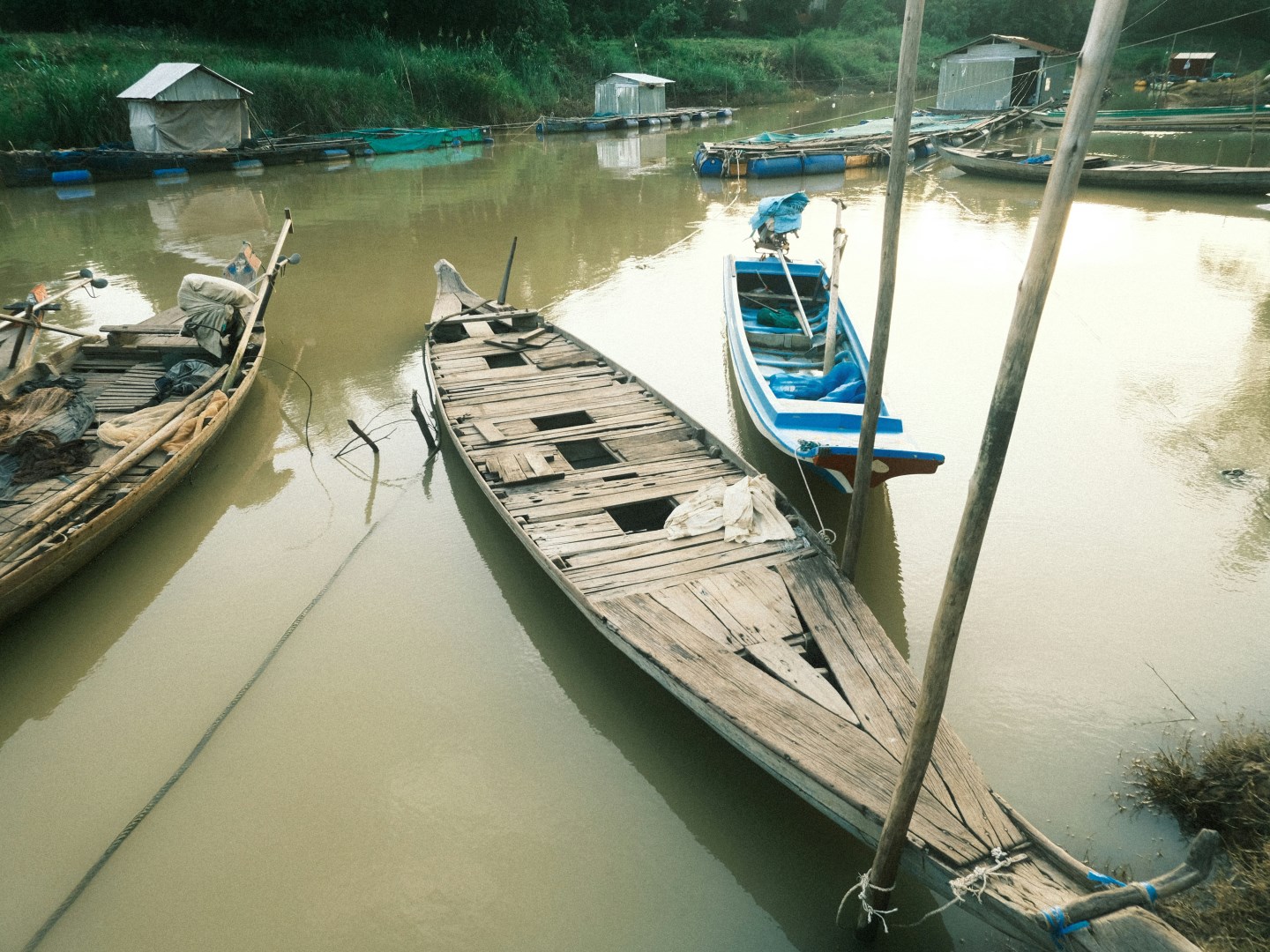
Krong Battambang is a riverside city in northwestern Cambodia, known for its preserved colonial-era architecture, rice-growing countryside, and long connection to Cambodian arts and education.
Nestled in the foothills of the Eastern Alps, Salzburg, Austria, exudes a timeless charm that combines Baroque splendor, musical heritage, and breathtaking natural beauty. The city is famously known as the birthplace of Wolfgang Amadeus Mozart, one of the world's greatest composers. Visitors can immerse themselves in the life and works of Mozart by visiting his birthplace, now a museum, on Getreidegasse, a picturesque street lined with wrought-iron signs and colorful facades.
Iringa is a highland city in southern Tanzania, built on steep slopes overlooking the Little Ruaha River. Its elevated setting gives the city a cooler climate and broad views across surrounding hills and agricultural land. Iringa is an important regional centre and serves as a gateway to Ruaha National Park, one of Tanzania’s major wildlife areas.
The capital of British Columbia is Victoria, and the total area equals 366,253 square miles. This province has a truly diverse climate: everything from majestic mountains to sparse deserts to rugged coastlines can be found here.
Photo Credit: Photo by Zoltan Rakottyai on Unsplash
Photo Credit: Photo by Andy Arbeit on Unsplash
Valea Cetății
Photo Credit: Photo by Adrian Ciocalau on Unsplash
Photo Credit: Photo by Michelangelo Azzariti on Unsplash
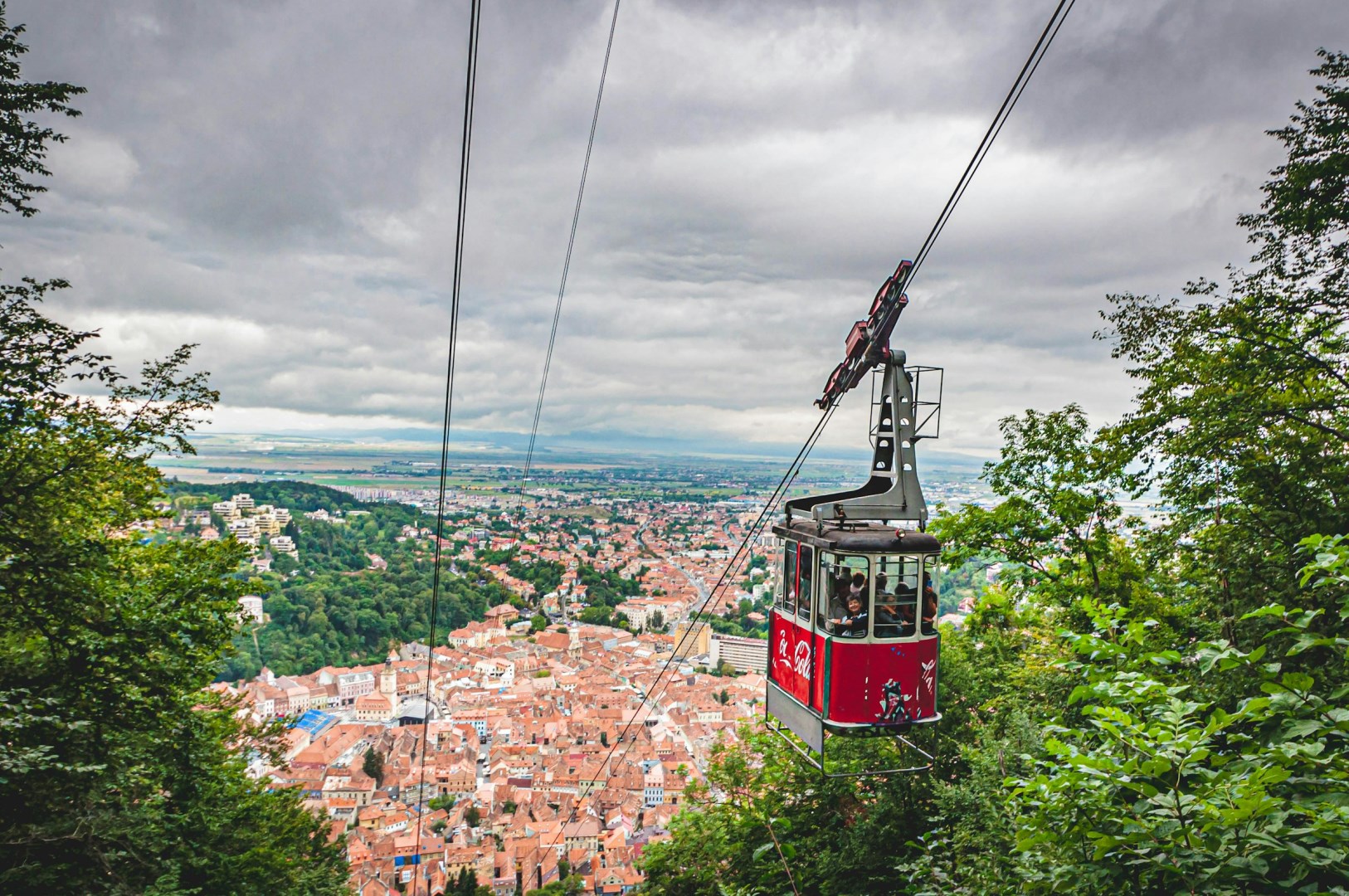
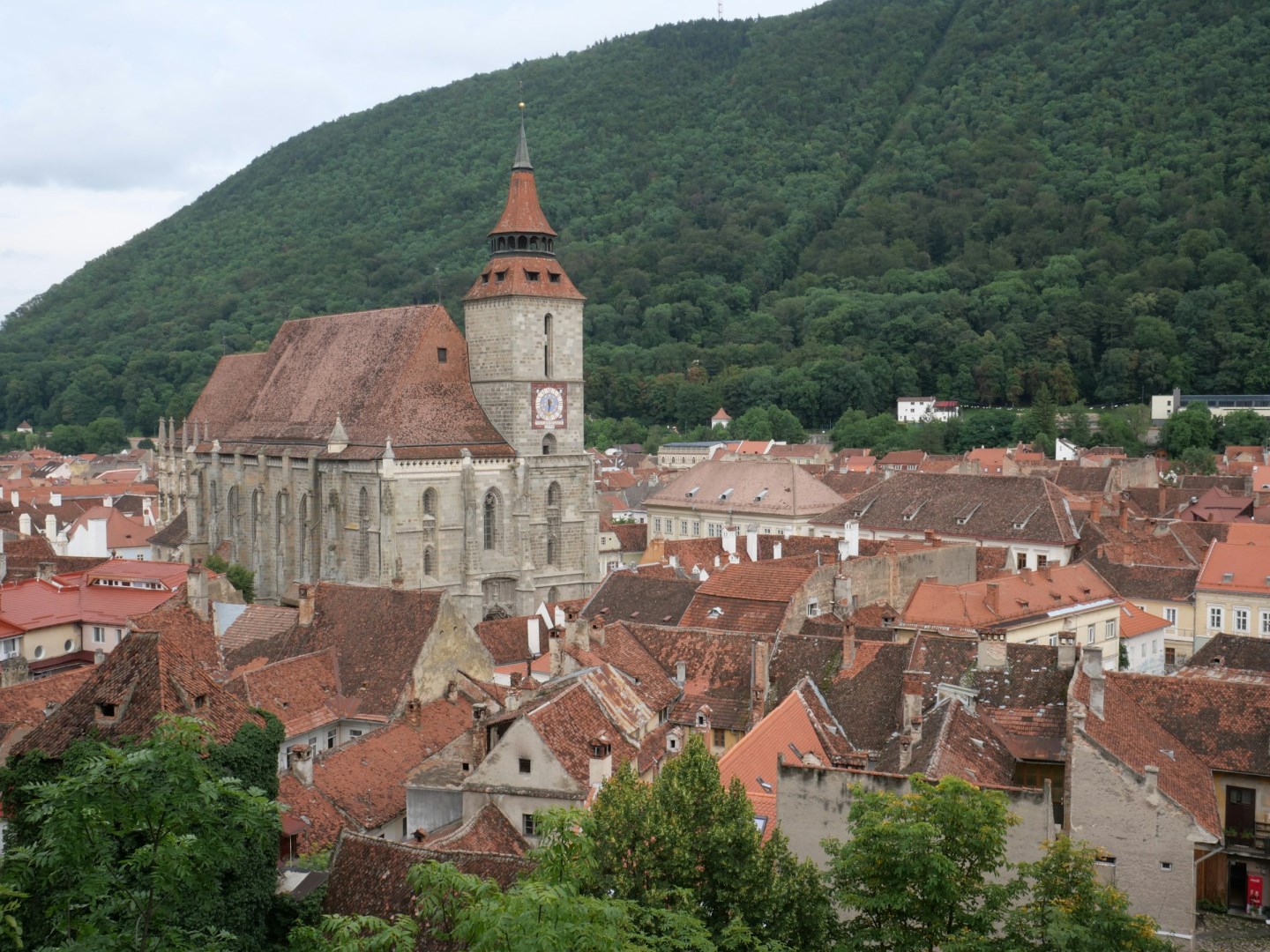
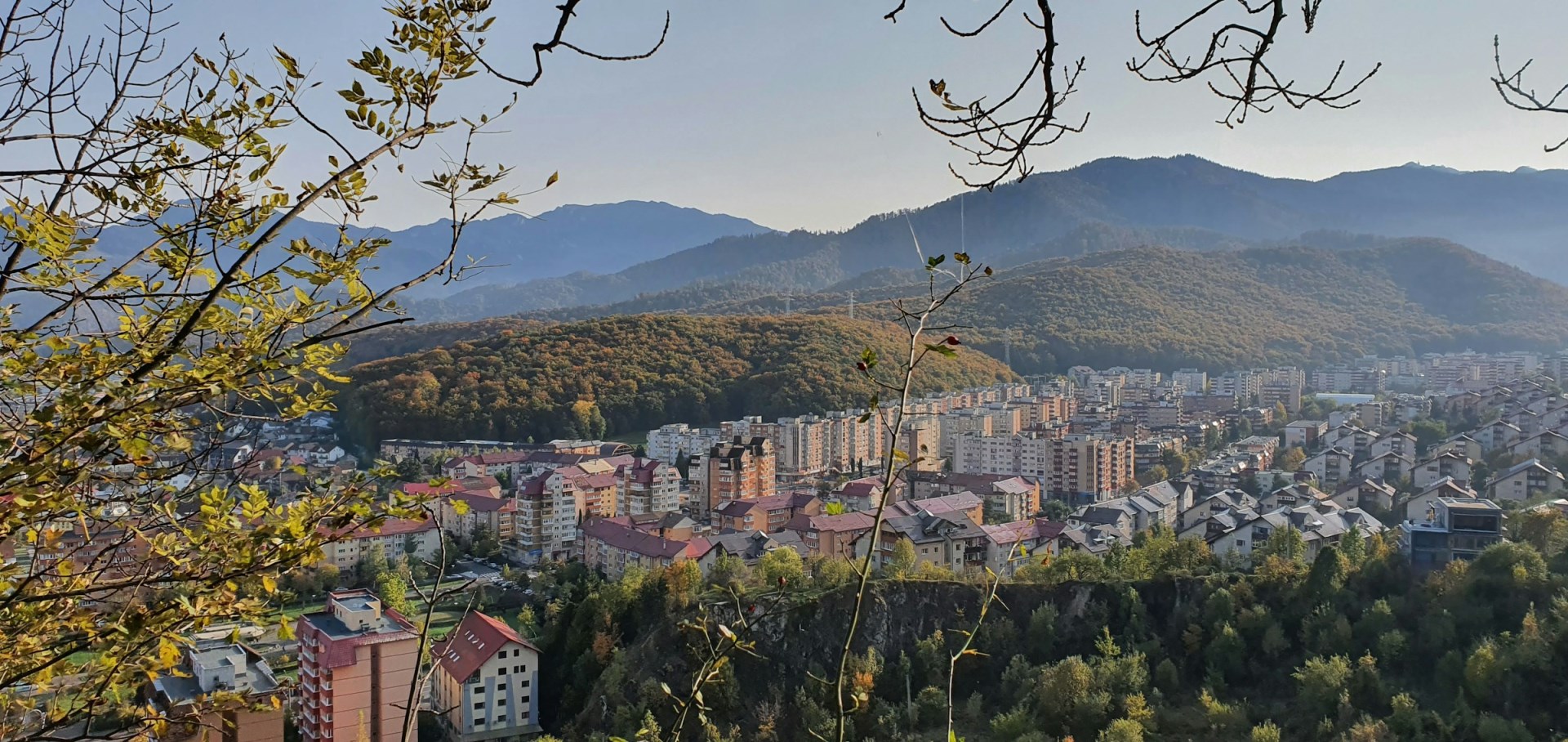
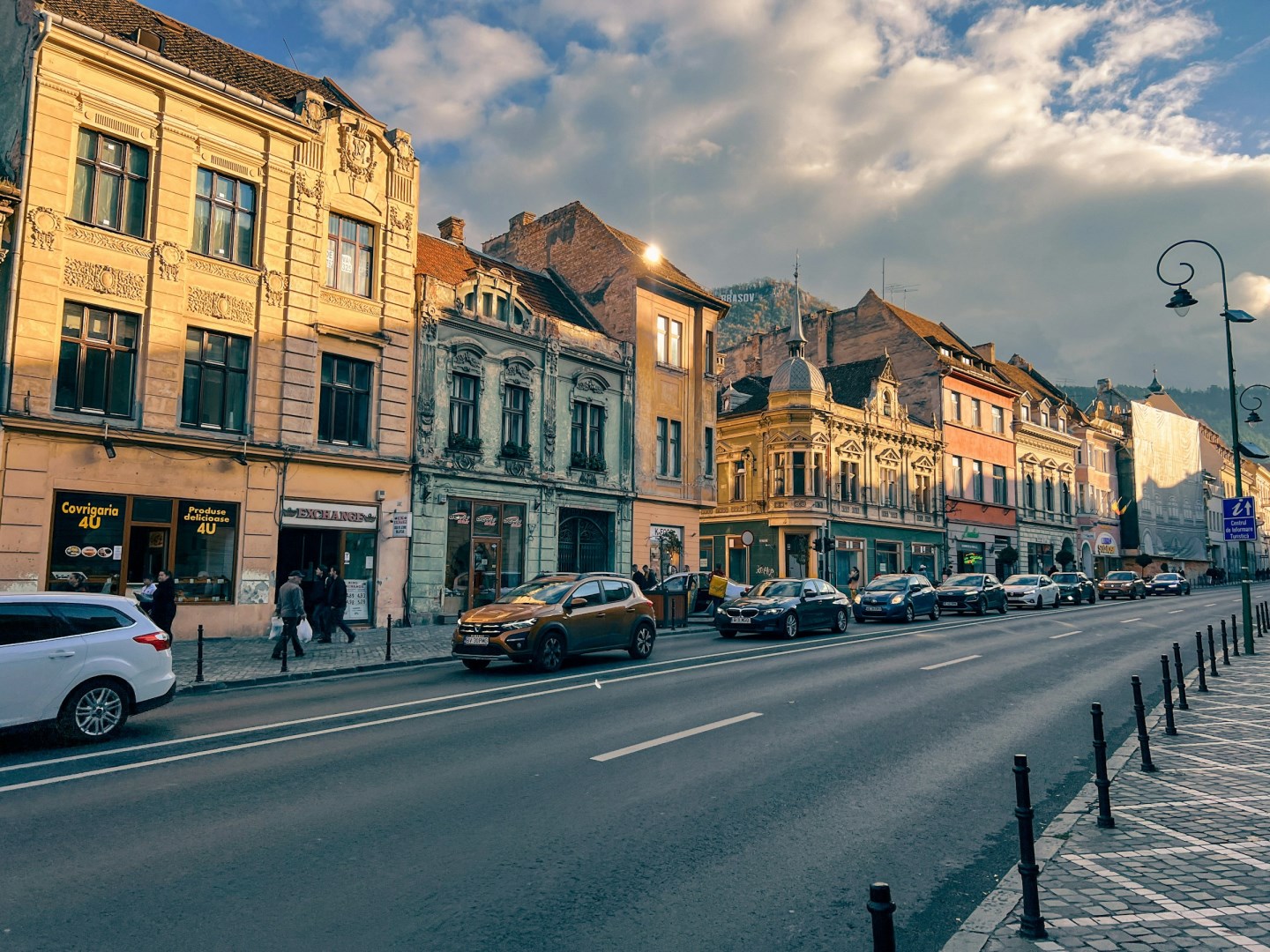
Nestled in the heart of Romania, Brașov is a charming city that effortlessly blends medieval history with stunning natural beauty. Encircled by the Carpathian Mountains, Brașov's well-preserved medieval architecture and vibrant cultural scene make it a must-visit destination. The centerpiece of the city is the stunning Black Church, a Gothic marvel that dates back to the 14th century. This iconic landmark, known for its massive blackened walls, is the largest Gothic church in Eastern Europe and houses an impressive collection of 4,000 volumes of the Protestant Reformation.
The city's Old Town, with its cobbled streets and colorful buildings, exudes a fairytale charm. Stroll through Piața Sfatului, the main square, where you can admire the historical Council House and the vibrant street life. Brașov’s medieval fortifications, including the impressive city walls and the Tampa Fortress, offer panoramic views of the city and the surrounding landscapes. For a taste of local history and culture, the Brașov History Museum, housed in the former Council House, provides a fascinating insight into the city's past.
Nature enthusiasts will find plenty to explore in Brașov’s surrounding landscapes. The nearby Piatra Craiului National Park offers exceptional hiking trails, while the scenic Poiana Brașov resort is perfect for skiing and mountain activities year-round. The nearby Dracula’s Castle, or Bran Castle, is a short drive away and is a popular attraction steeped in legend and myth.
Fun Fact: Brașov is home to one of the narrowest streets in Europe, Strada Sforii. Measuring just 1.2 meters wide, it’s a delightful curiosity and a perfect spot for a memorable photo.
Other Popular Destinations in Romania
Bucharest
Tree-lined avenues, grand architecture, and the imperative to live well defines Bucharest, a bustling city that is rebounding and expanding. In the 1900s, this vibrant Romanian capital was nicknamed "Little Paris" and that jubilant, raise-a-glass spirit carries over to this day.
Sighisoara
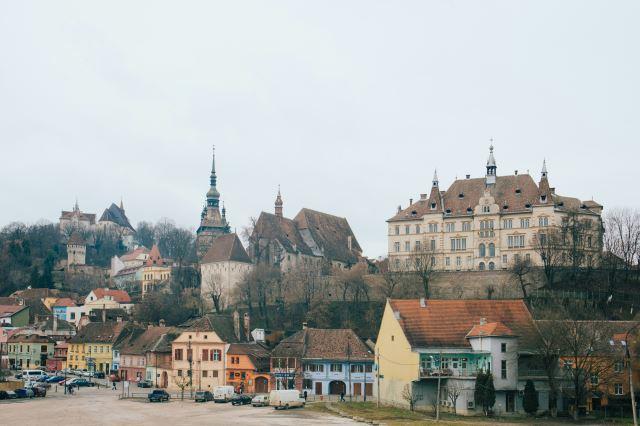
Sighisoara rises above the Târnava Mare River as one of the few medieval citadels in Europe that is still lived in and admired today. Its historic center has been on the UNESCO World Heritage List since 1999, recognized for its long history as a fortified Saxon settlement and its role in trade and defense on the edges of central Europe. Wander through cobbled alleys framed by pastel-colored houses, and the layers of time feel close at hand, from the city walls and guild towers to busy cafés.