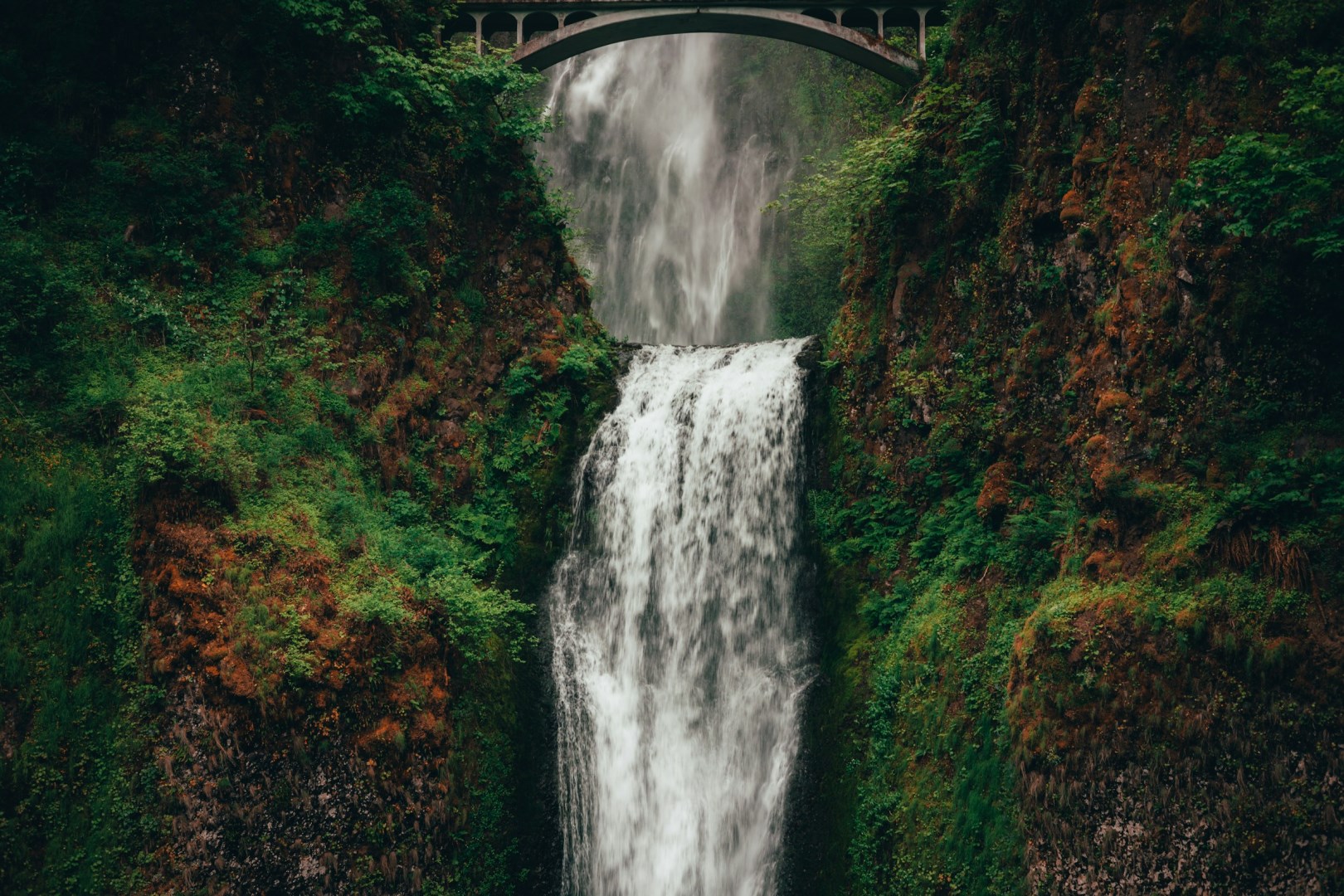
Multnomah Falls, Oregon, stands as one of the most iconic natural wonders of the Pacific Northwest. This stunning 620-foot-tall waterfall, located in the Columbia River Gorge, captivates visitors with its dual cascades that tumble gracefully down rugged cliffs. The falls are easily accessible via a short walk from the parking area, making it a perfect stop for nature enthusiasts and casual hikers alike. For those seeking a bit more adventure, the Multnomah Falls Trail offers a picturesque hike t
Salerno, nestled along Italy's stunning Amalfi Coast, offers a captivating blend of history, culture, and Mediterranean charm. As a gateway to the Amalfi Coast, Salerno's historic center features delightful streets and architectural gems.
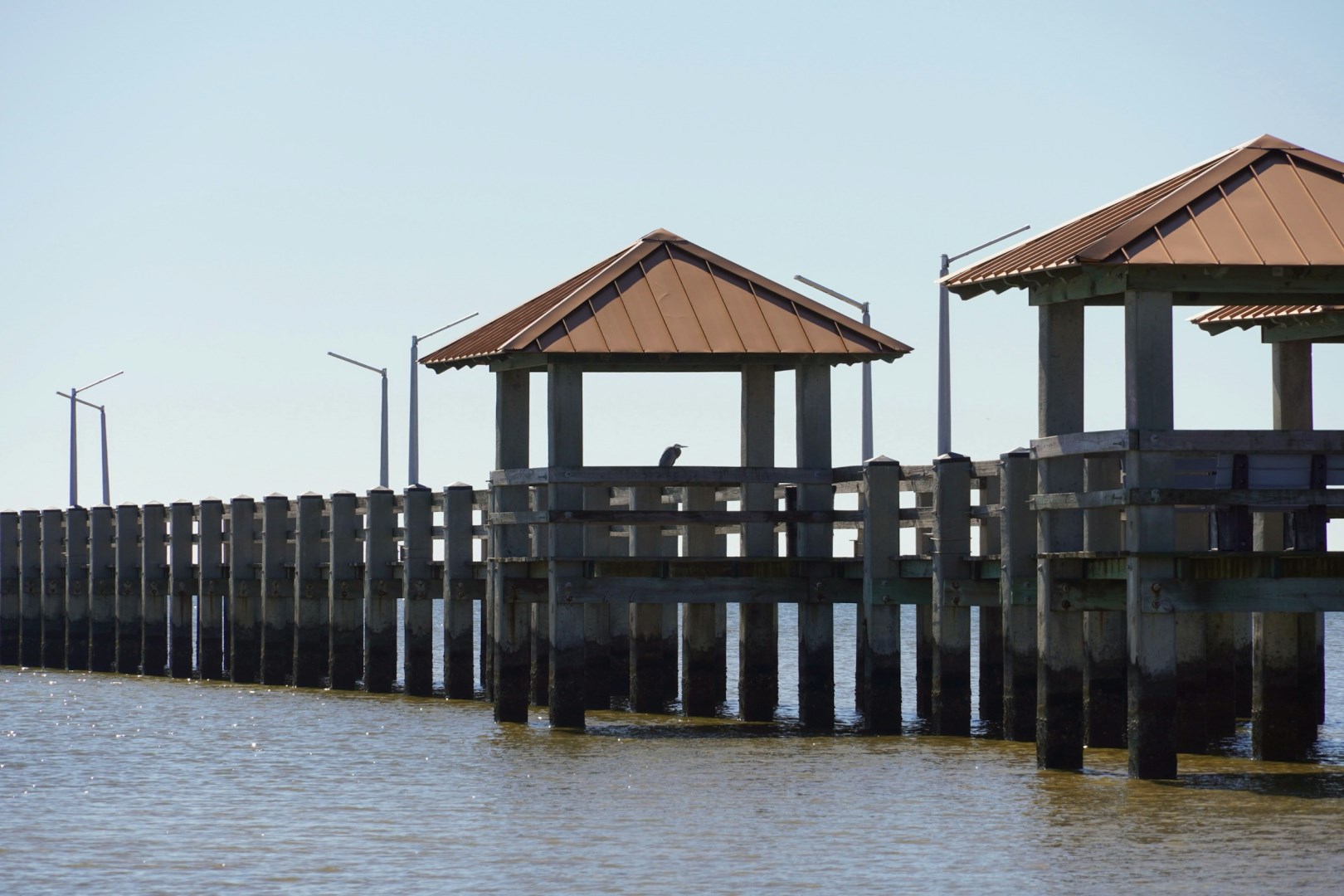
Gulfport, Mississippi, is the largest city on the Mississippi Gulf Coast and an important center for beaches, fishing, shipping, and coastal recreation. The city faces the Mississippi Sound, with barrier islands lying offshore and helping shape its relatively calm coastal waters. Gulfport Beach stretches along the shoreline with wide sandy areas, while the Port of Gulfport serves as a major deep-water shipping facility.
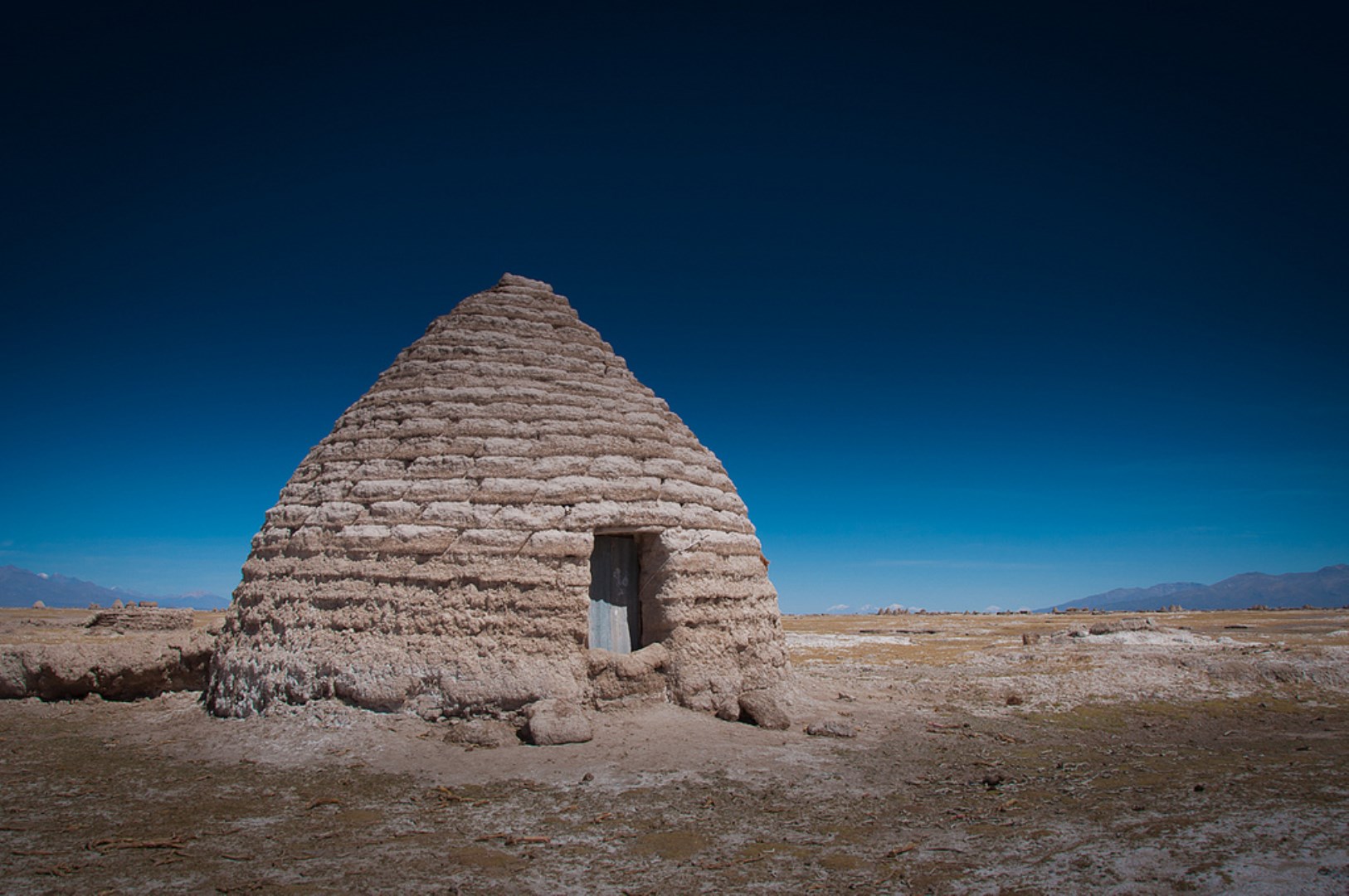
Oruro, city in western Bolivia, capital of Oruro Department, located on a plateau about 3700 m (about 12,140 ft) above sea level. Oruro is a major railroad junction and an important commercial and processing center in a mineral, especially tin, mining area. Industries in the city include tin smelting and shoe and clothing manufacture. The Technical University of Oruro (1892) is here. Oruro was settled about 1595 by Spaniards interested in its silver deposits.
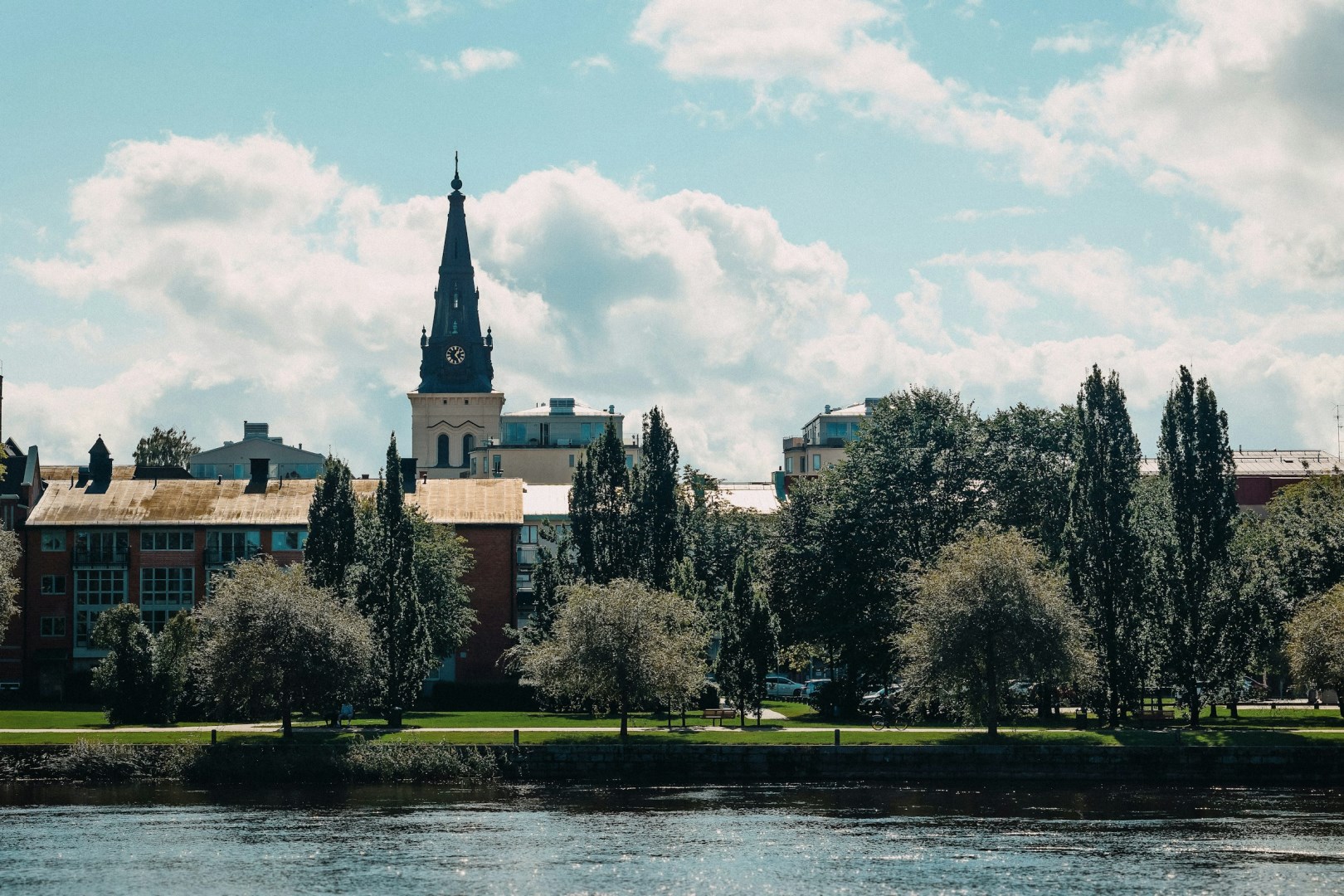
Karlstad, Sweden, is a city that elegantly combines natural beauty with cultural charm. Situated on the banks of Lake Vänern, Sweden’s largest lake, Karlstad is renowned for its picturesque waterfront and abundant sunshine. The city’s Värmlands Museum provides an enriching experience with its exhibits on local history, art, and the region's unique cultural heritage.
Canyonlands National Park, located in southeastern Utah, offers an awe-inspiring landscape of deep canyons, rugged mesas, and striking rock formations. This vast park is divided into four districts: Island in the Sky, the Needles, the Maze, and the Rivers. Each district showcases its own unique geological features and breathtaking vistas. The Island in the Sky district provides panoramic views from its high mesa, including breathtaking vistas of the Colorado and Green Rivers.
Adventure seekers and nature enthusiasts will find much to explore in the Needles district, renowned for its colorful spires and challenging hiking trails. The Chesler Park trail, for example, leads hikers through a surreal landscape of rock formations and expansive views. The Maze district, characterized by its remote and intricate terrain, offers some of the most challenging off-road and hiking opportunities in the park.
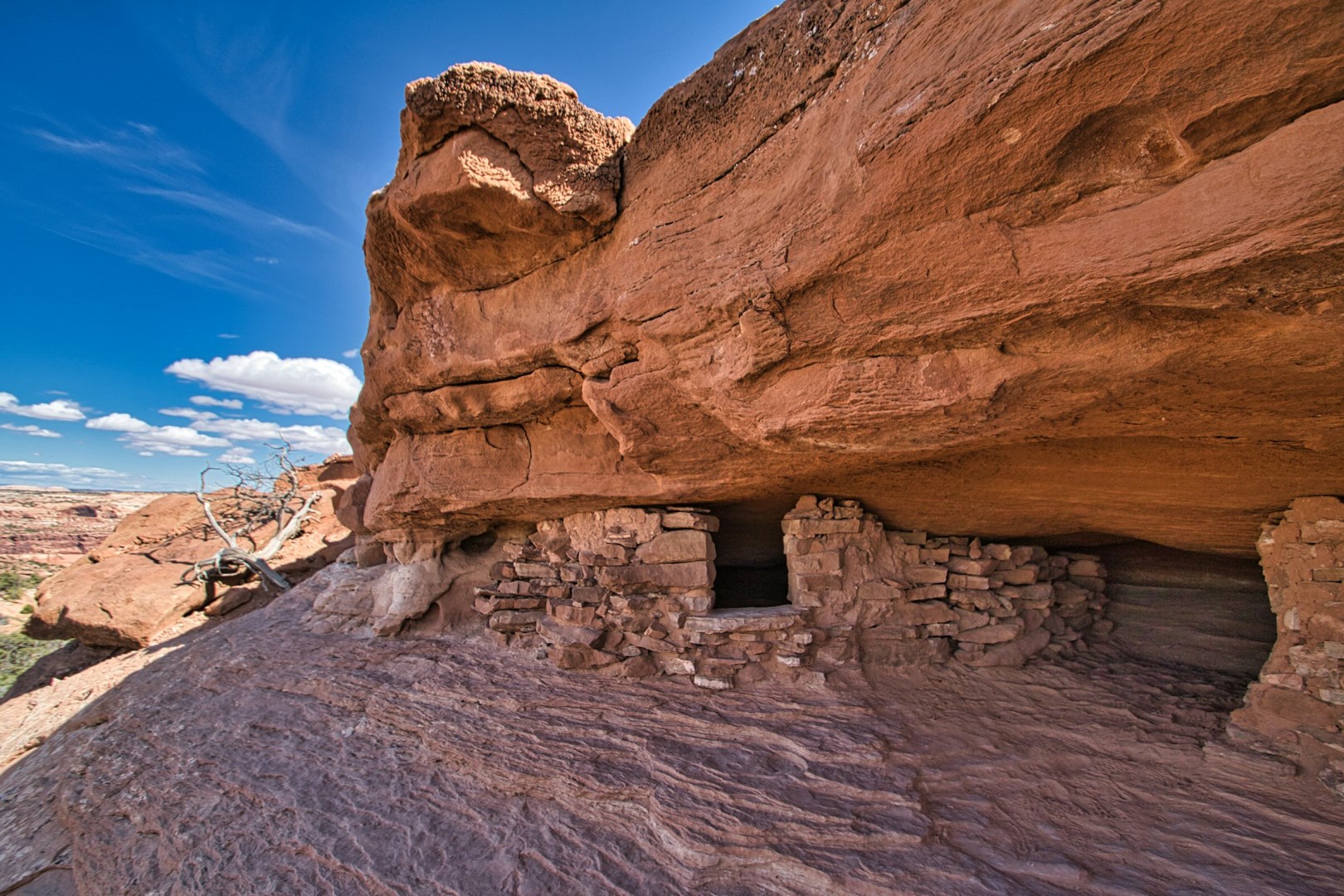
For those interested in river adventures, the confluence of the Colorado and Green Rivers is a prime spot for river rafting and kayaking. The park’s diverse ecosystems support a variety of wildlife, including desert bighorn sheep and golden eagles. Additionally, visitors can explore ancient rock art and ruins left by the Ancestral Puebloans, adding a rich cultural dimension to their visit.
Fun Fact: Canyonlands National Park is home to the famous "Upheaval Dome", a mysterious geological formation whose origin remains debated among scientists. It’s believed to be either an ancient meteorite impact crater or a salt dome intrusion .
Other Popular Destinations in Utah
Bryce Canyon
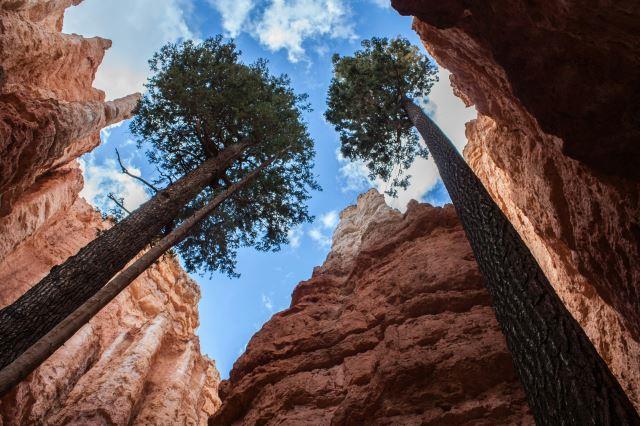
Bryce Canyon, tucked into the high plateaus of southern Utah, offers one of the most unusual landscapes in the American Southwest. It’s not actually a canyon but a series of natural amphitheaters carved into the edge of the Paunsaugunt Plateau. What makes Bryce unique is its dense collection of hoodoos which are tall, thin spires of rock formed over millions of years by frost-wedging and erosion.
Zion National Park
Zion National Park, located in southwestern Utah, is known for its massive sandstone cliffs, narrow slot canyons, and unique desert ecosystems. Established in 1919, it was Utah’s first national park and continues to attract visitors with its dramatic elevation shifts and striking rock formations. The park’s most iconic feature, Zion Canyon, stretches for 15 miles and reaches depths of up to 2,640 feet, carved over time by the Virgin River.