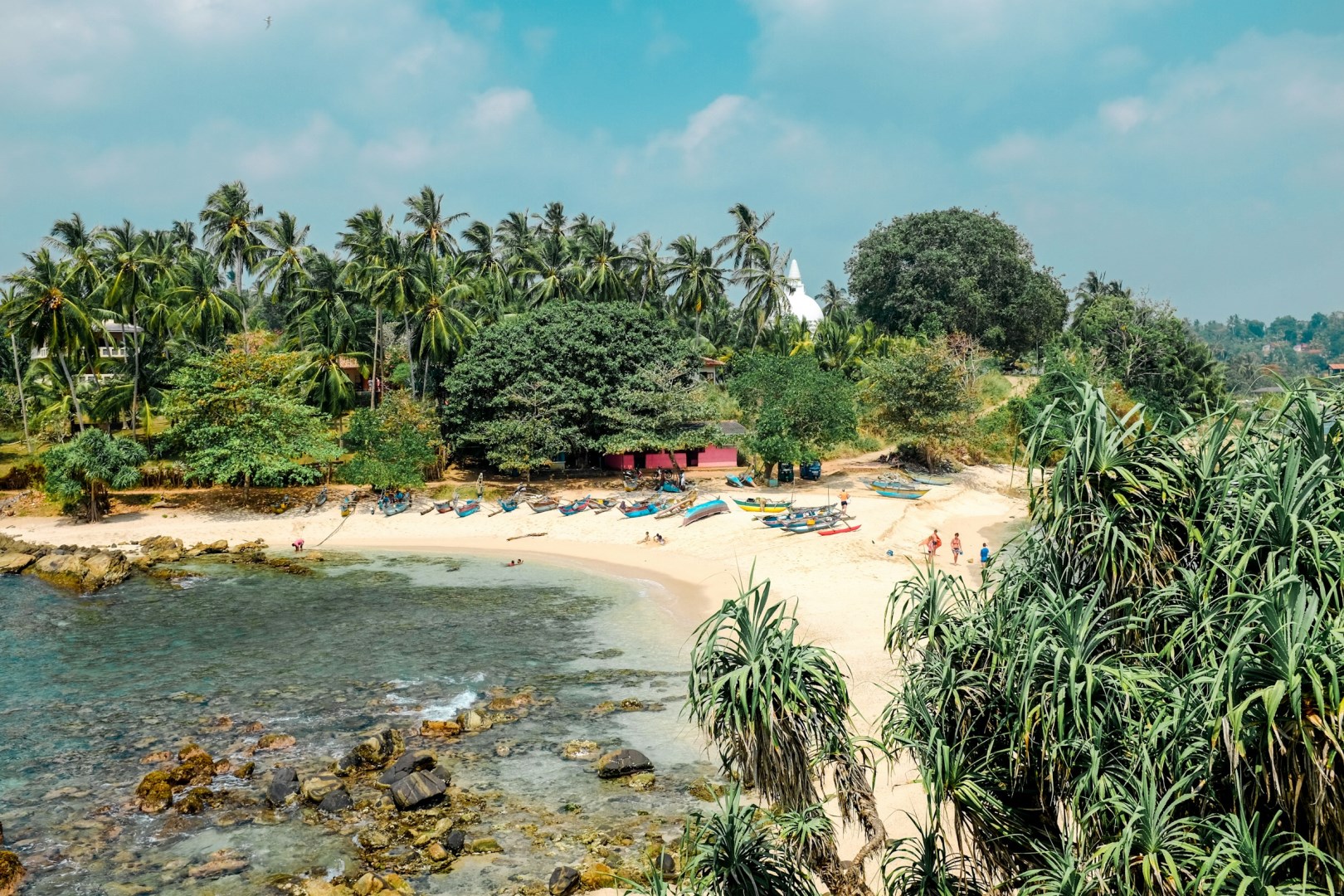
Nilwella is a small coastal settlement in Sri Lanka’s Southern Province, located near Dikwella along a quieter section of the Indian Ocean shoreline. The area is characterized by sandy beaches, rocky headlands, coconut palms, and small fishing communities. Nilwella is less developed than many of the better-known beach towns farther west, giving it a more local character. Its position on the southern coast also places it close to Dikwella, Hiriketiya, and several smaller beaches and coves that ca
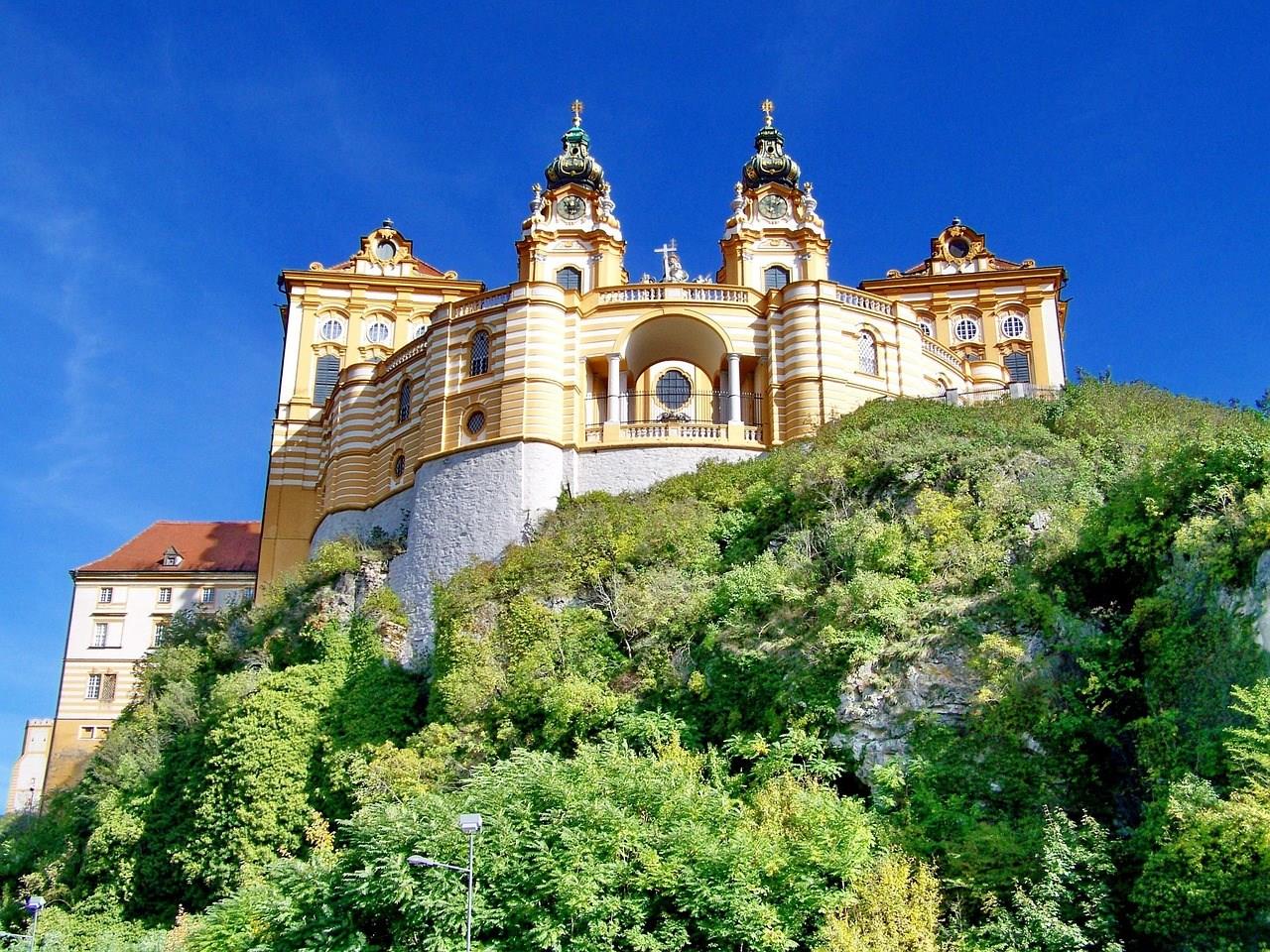
Austria’s Wachau Valley is a scenic stretch of the Danube River between Melk and Krems, known for its terraced vineyards, medieval towns, and a deep sense of history.
Situated on the shore of Lake Titicaca, Puno is referred to as the folkloric capital of Peru due to its artistic and cultural expressions, particularly dance. Notable landmarks include the Andean baroque-style Puno Cathedral and the Yavari, a 19th-century steamship. Products created from alpaca, llama, or sheep wool are a signature of the area, as well as musical instruments like the siku.
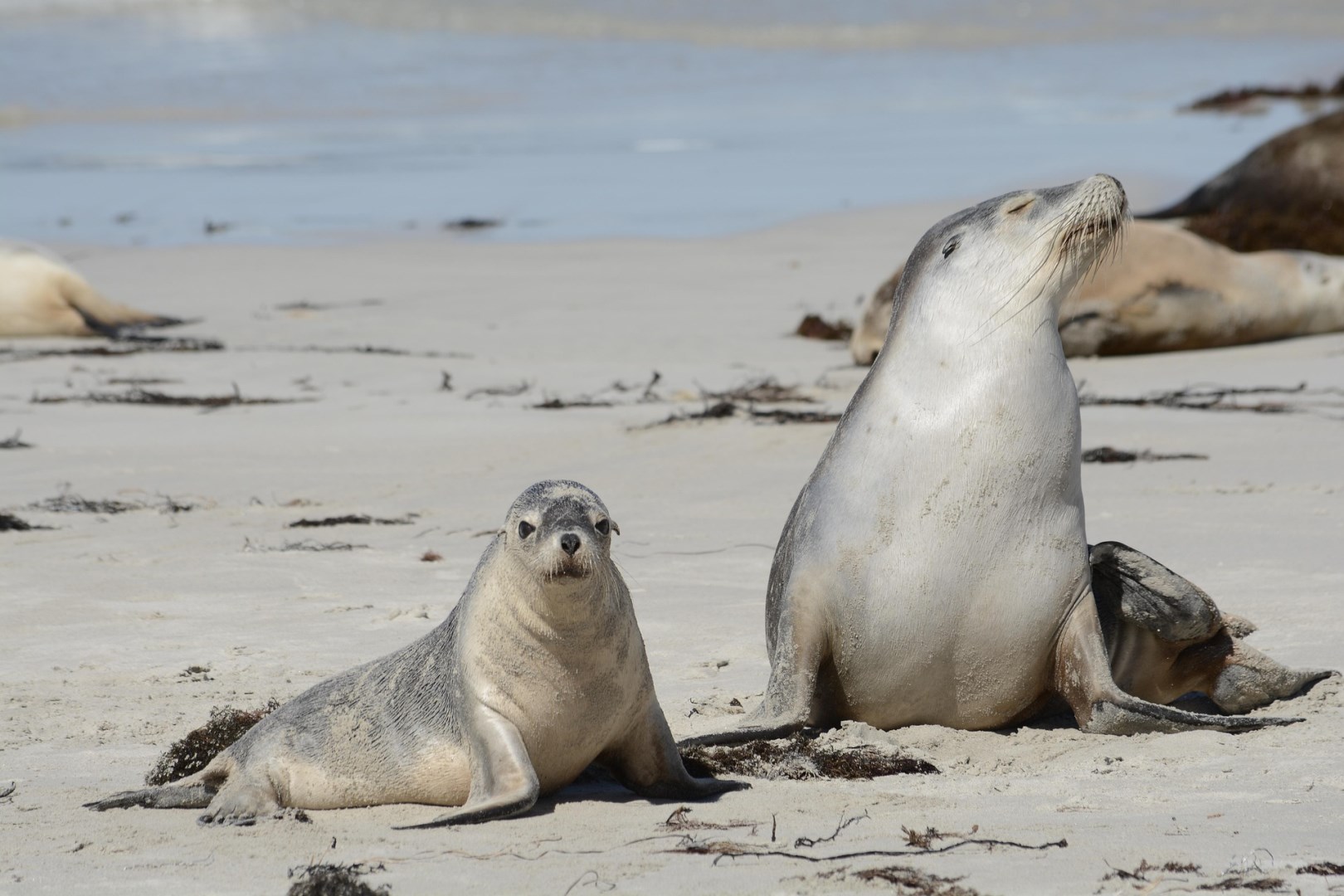
One of the most unspoilt and undeveloped tourism destinations in the area - ideal for the visitor looking for both pristine natural beauty and a relaxed quiet getaway. The coastal fringe has wide sandy beaches, lined with small resorts and more than 25 offshore islands, while bushwalking and camping opportunities abound throughout the adjacent Wet Tropics rainforest areas.
The Rhône River, flowing through the heart of France and into Switzerland, offers a captivating journey through one of Europe's most scenic and historically rich regions. Originating in the Swiss Alps, this majestic river winds its way southward, carving its path through picturesque landscapes, including the iconic lavender fields of Provence and the lush vineyards of the Rhône Valley.
Canyonlands National Park, located in southeastern Utah, offers an awe-inspiring landscape of deep canyons, rugged mesas, and striking rock formations. This vast park is divided into four districts: Island in the Sky, the Needles, the Maze, and the Rivers. Each district showcases its own unique geological features and breathtaking vistas. The Island in the Sky district provides panoramic views from its high mesa, including breathtaking vistas of the Colorado and Green Rivers.
Adventure seekers and nature enthusiasts will find much to explore in the Needles district, renowned for its colorful spires and challenging hiking trails. The Chesler Park trail, for example, leads hikers through a surreal landscape of rock formations and expansive views. The Maze district, characterized by its remote and intricate terrain, offers some of the most challenging off-road and hiking opportunities in the park.
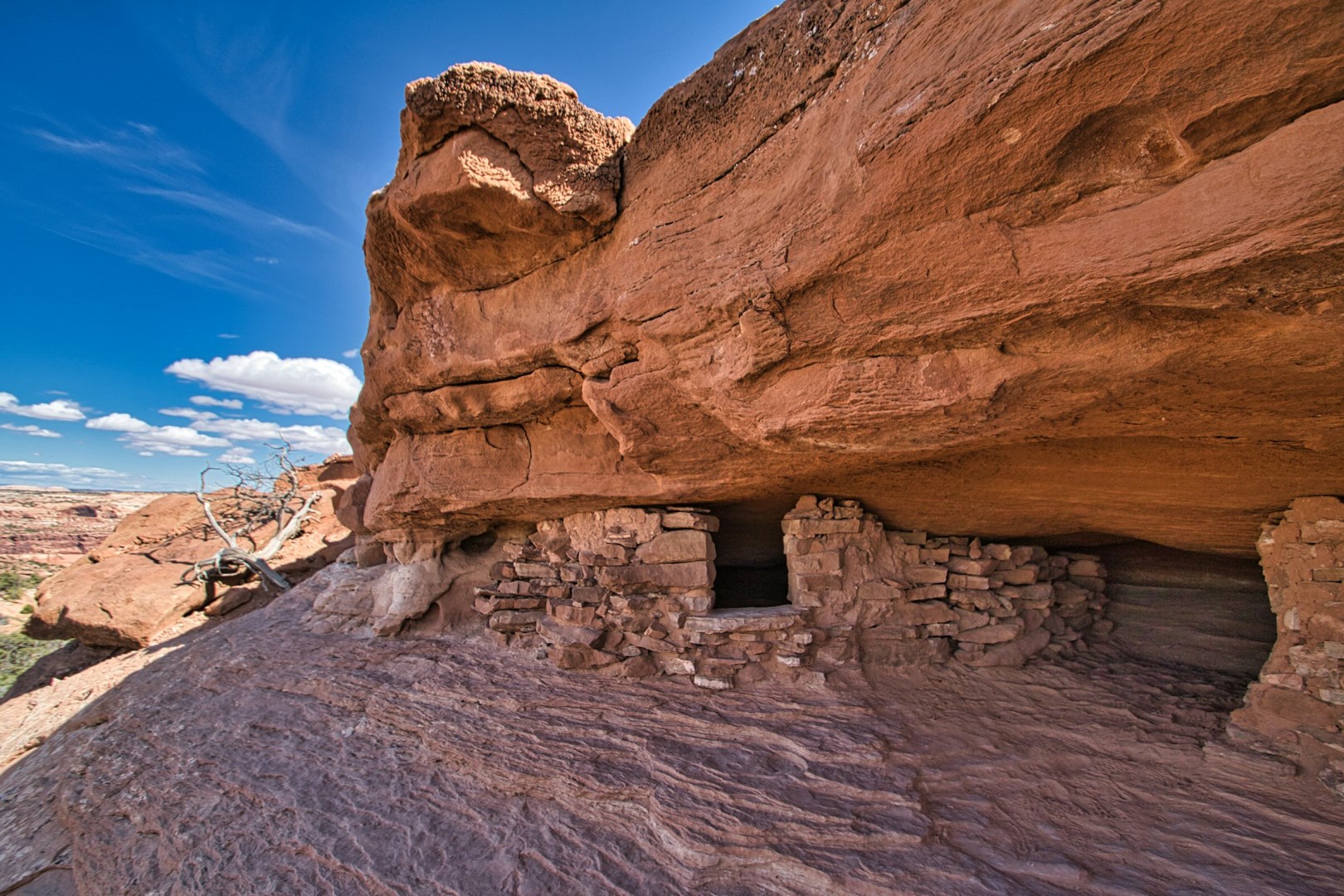
For those interested in river adventures, the confluence of the Colorado and Green Rivers is a prime spot for river rafting and kayaking. The park’s diverse ecosystems support a variety of wildlife, including desert bighorn sheep and golden eagles. Additionally, visitors can explore ancient rock art and ruins left by the Ancestral Puebloans, adding a rich cultural dimension to their visit.
Fun Fact: Canyonlands National Park is home to the famous "Upheaval Dome", a mysterious geological formation whose origin remains debated among scientists. It’s believed to be either an ancient meteorite impact crater or a salt dome intrusion .
Other Popular Destinations in Utah
Bryce Canyon
Bryce Canyon, tucked into the high plateaus of southern Utah, offers one of the most unusual landscapes in the American Southwest. It’s not actually a canyon but a series of natural amphitheaters carved into the edge of the Paunsaugunt Plateau. What makes Bryce unique is its dense collection of hoodoos which are tall, thin spires of rock formed over millions of years by frost-wedging and erosion.
Zion National Park
Zion National Park, located in southwestern Utah, is known for its massive sandstone cliffs, narrow slot canyons, and unique desert ecosystems. Established in 1919, it was Utah’s first national park and continues to attract visitors with its dramatic elevation shifts and striking rock formations. The park’s most iconic feature, Zion Canyon, stretches for 15 miles and reaches depths of up to 2,640 feet, carved over time by the Virgin River.