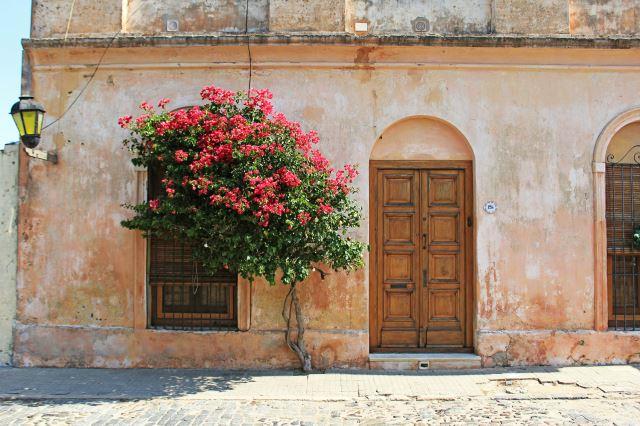
Dominica
Dominica, known as the “Nature Island of the Caribbean,” is a haven for eco-tourists and adventure seekers. Nestled between the French islands of Guadeloupe and Martinique, this lush island boasts a remarkable landscape of volcanic mountains, dense rainforests, and stunning waterfalls. Dominica’s most iconic natural wonder is the Boiling Lake, the second-largest hot spring in the world.
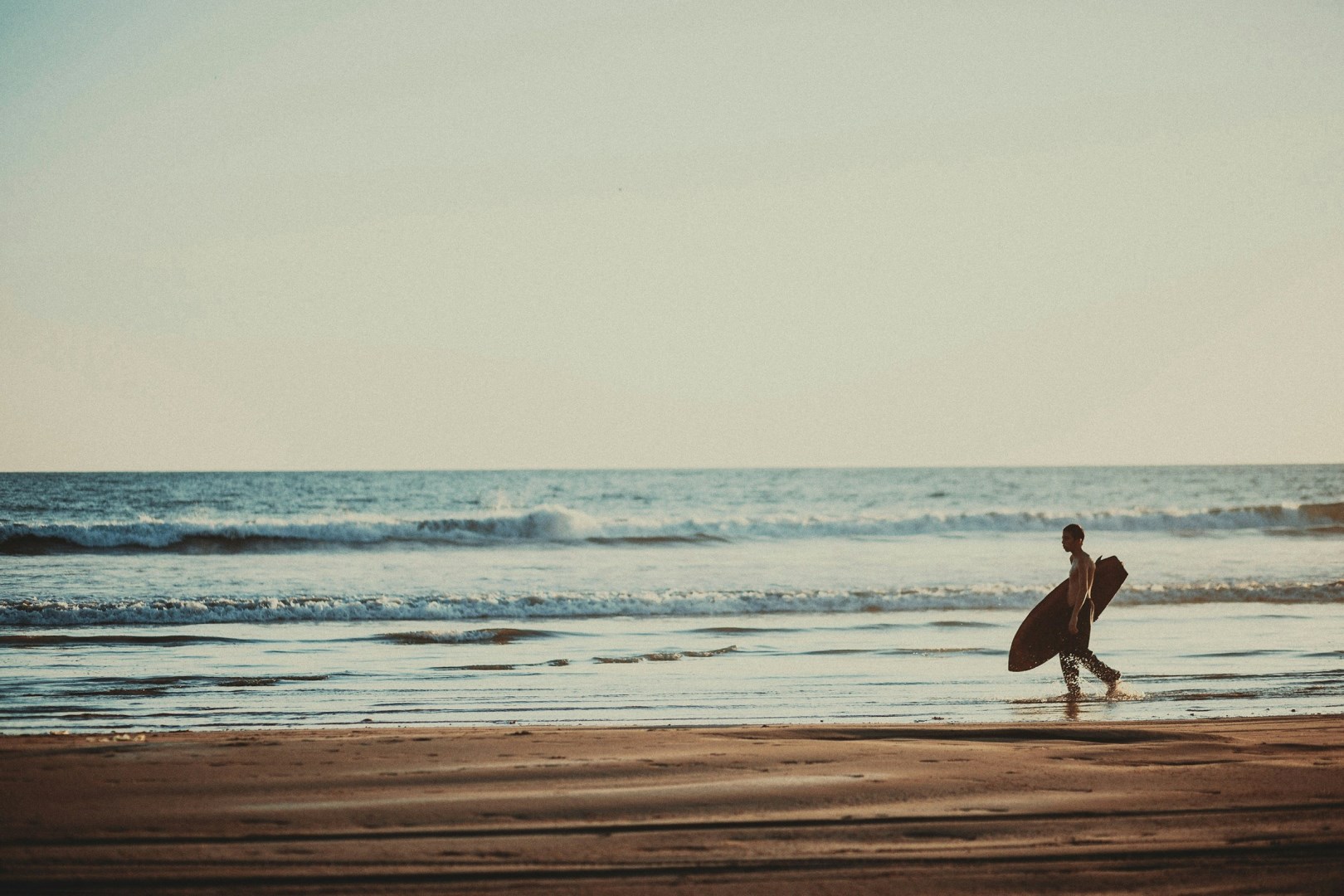
San Blas
San Blas is a small, western coastal town in the Mexican state of Nayarit. It is located about 100 miles north of Puerto Vallarta.
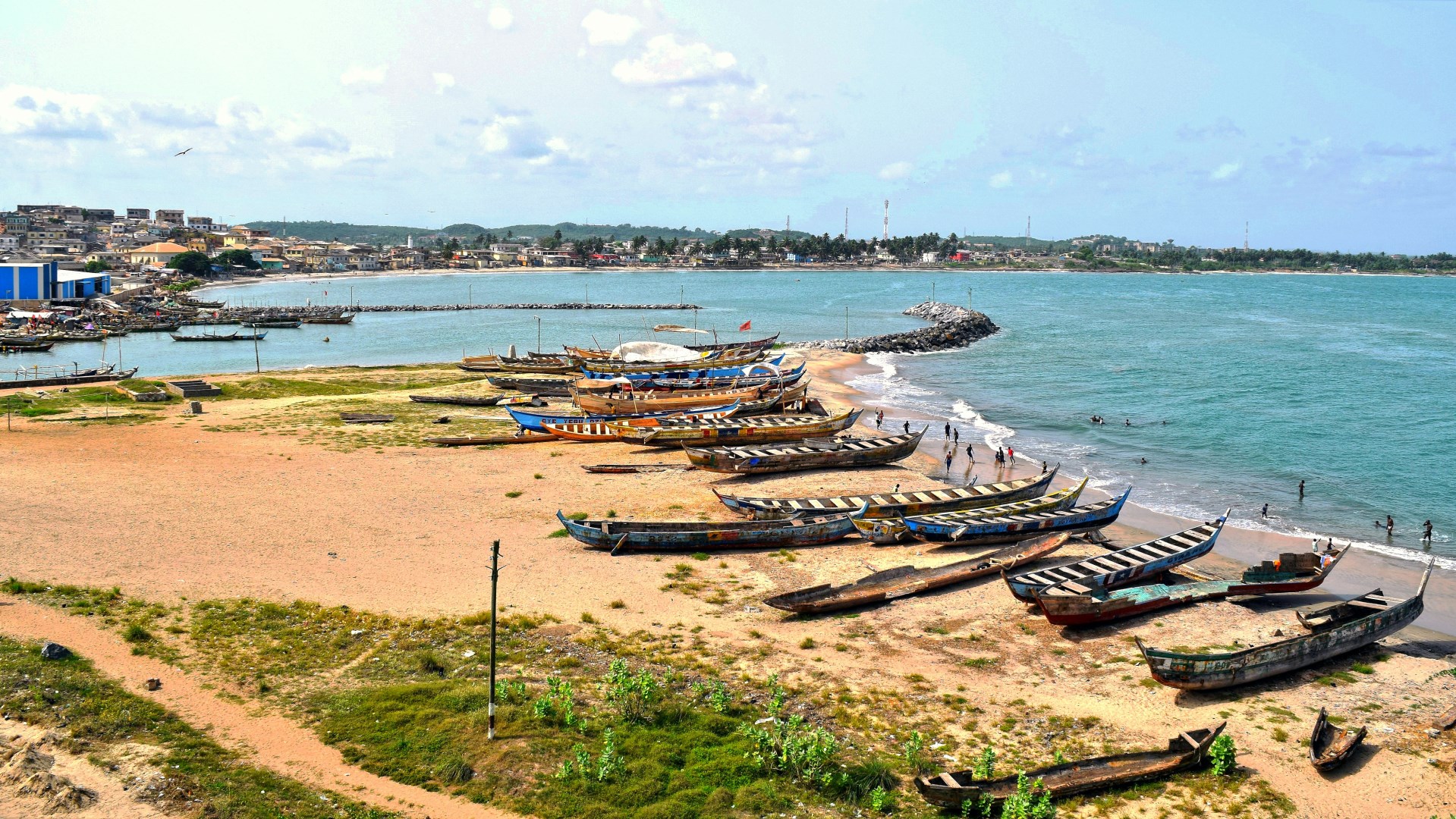
Elmina
Elmina is a coastal town in southern Ghana, located along the Gulf of Guinea in the Central Region. The town is closely tied to the Atlantic fishing industry, with large numbers of brightly painted wooden canoes lining the shoreline each morning.

St. Petersburg
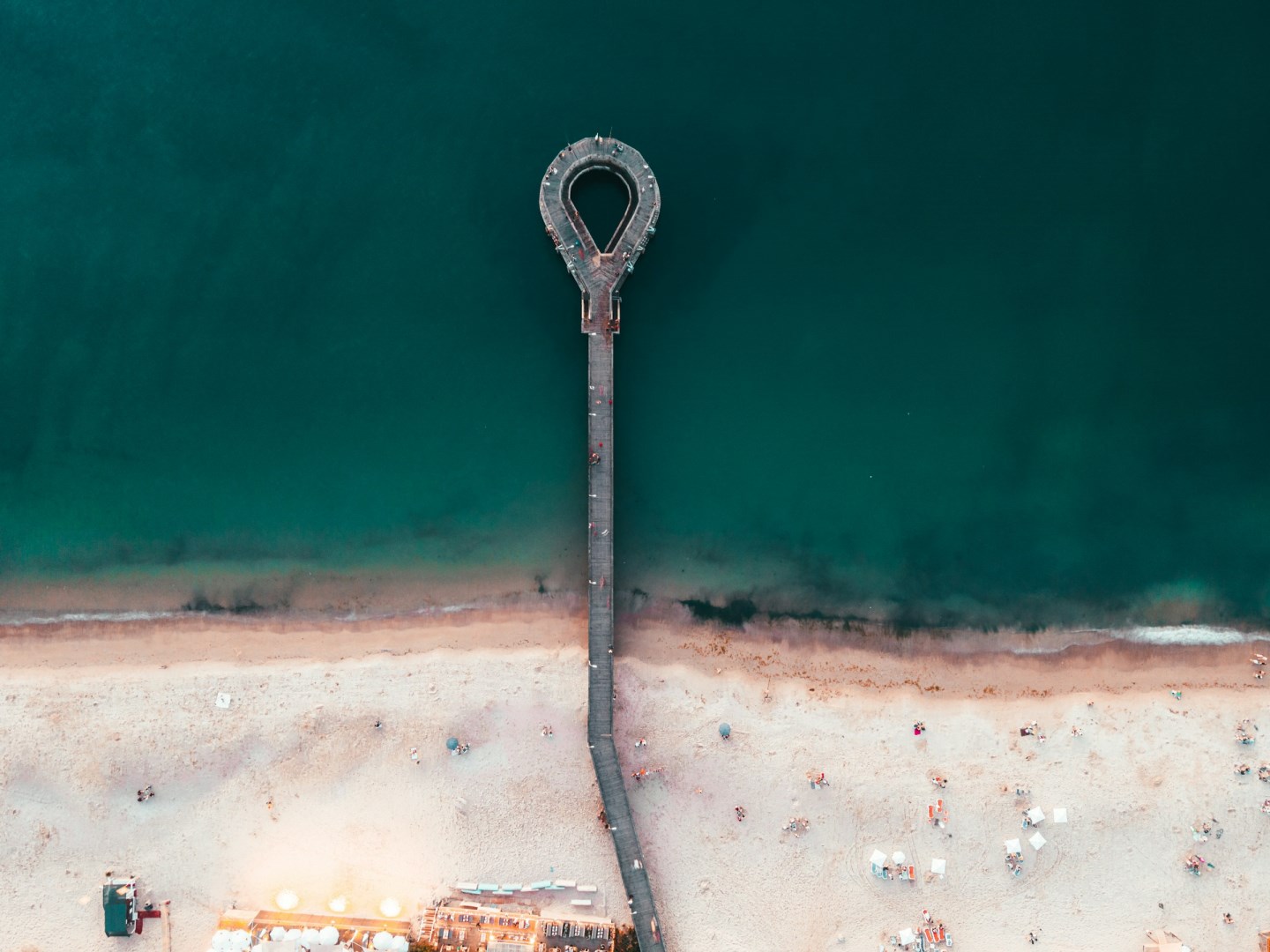
A family vacation favorite with glorious weather year-round. There are 102 city parks on 2400 acres, five beaches, eight public swimming pools, 2 municipal golf courses, plenty of tennis courts, fine shops, museums and restaurants to explore and enjoy in St. Petersburg.

Queen Elizabeth National Park
Queen Elizabeth National Park, in western Uganda, is one of East Africa’s most diverse and scenic protected areas. Stretching from the Rwenzori Mountains to the shores of Lake Edward, the park encompasses savannah, wetlands, and dense forests, making it a sanctuary for an incredible array of wildlife.