La Rochelle
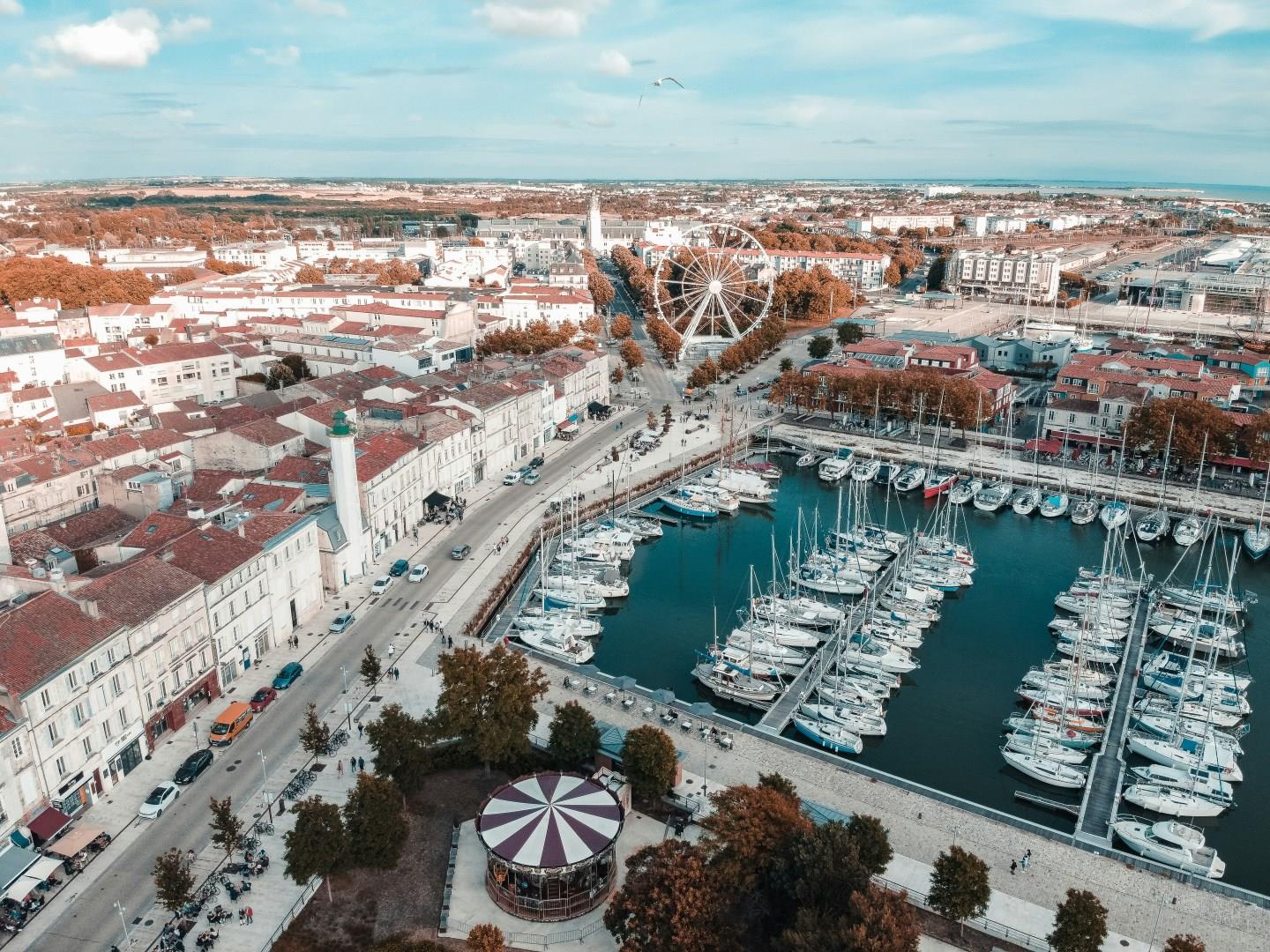
La Rochelle sits on France’s Atlantic coast, shaped by centuries of maritime trade, independence, and outward-looking ambition. Once a powerful port with strong Protestant roots, the city developed a reputation for autonomy that still colors its identity. Its old harbor, guarded by medieval towers, reflects a history tied to navigation, commerce, and connections far beyond western France.
Douiret
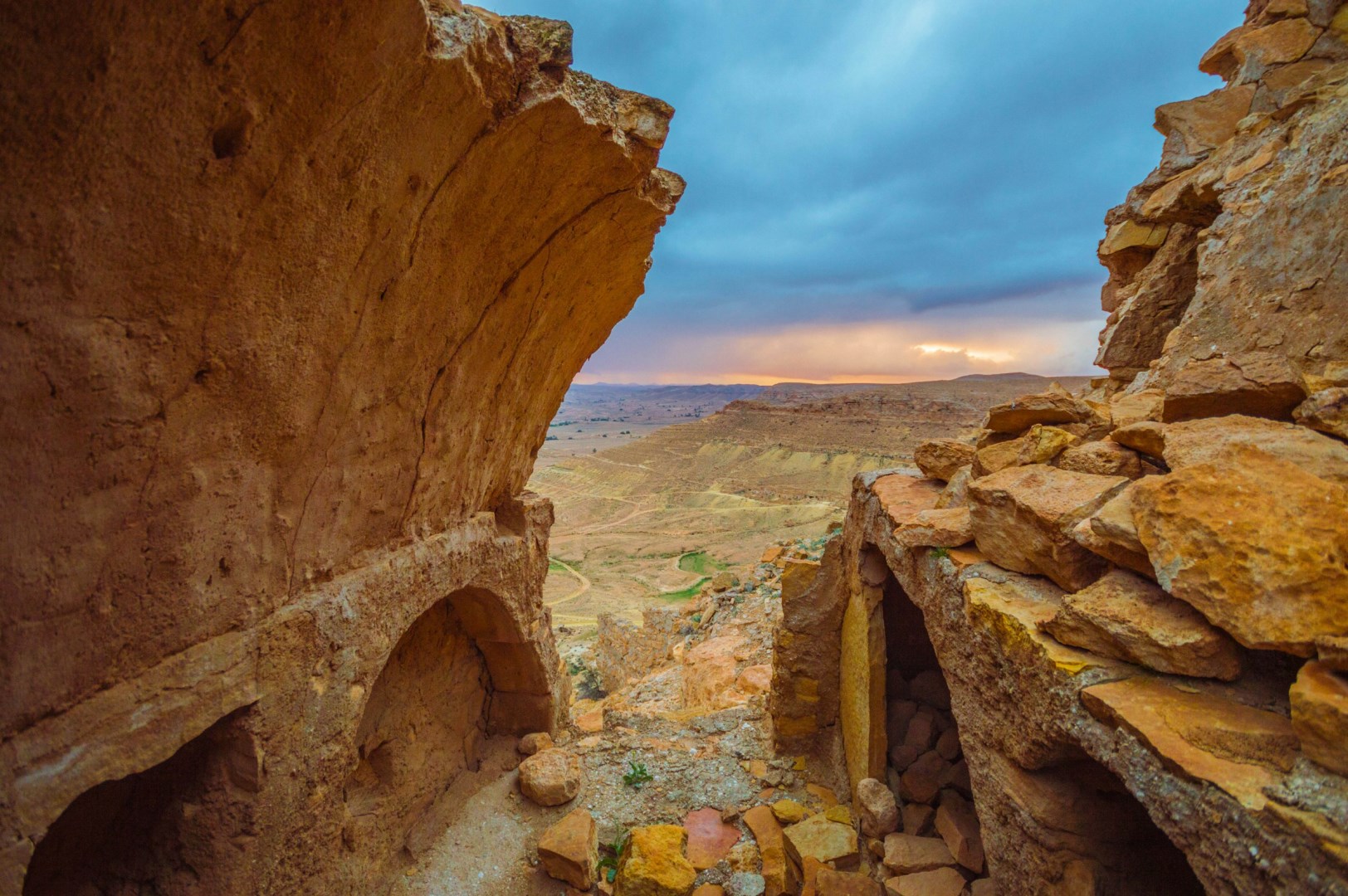
Douiret is a historic Berber village in southern Tunisia, set high among the rocky mountains and desert plateaus of the Tataouine region. The settlement is built along a steep mountain ridge, where old stone structures and partially abandoned homes blend into the surrounding rock. Douiret is best known for its traditional ksar, a fortified complex that once provided communal storage for agricultural harvests.
Braemar
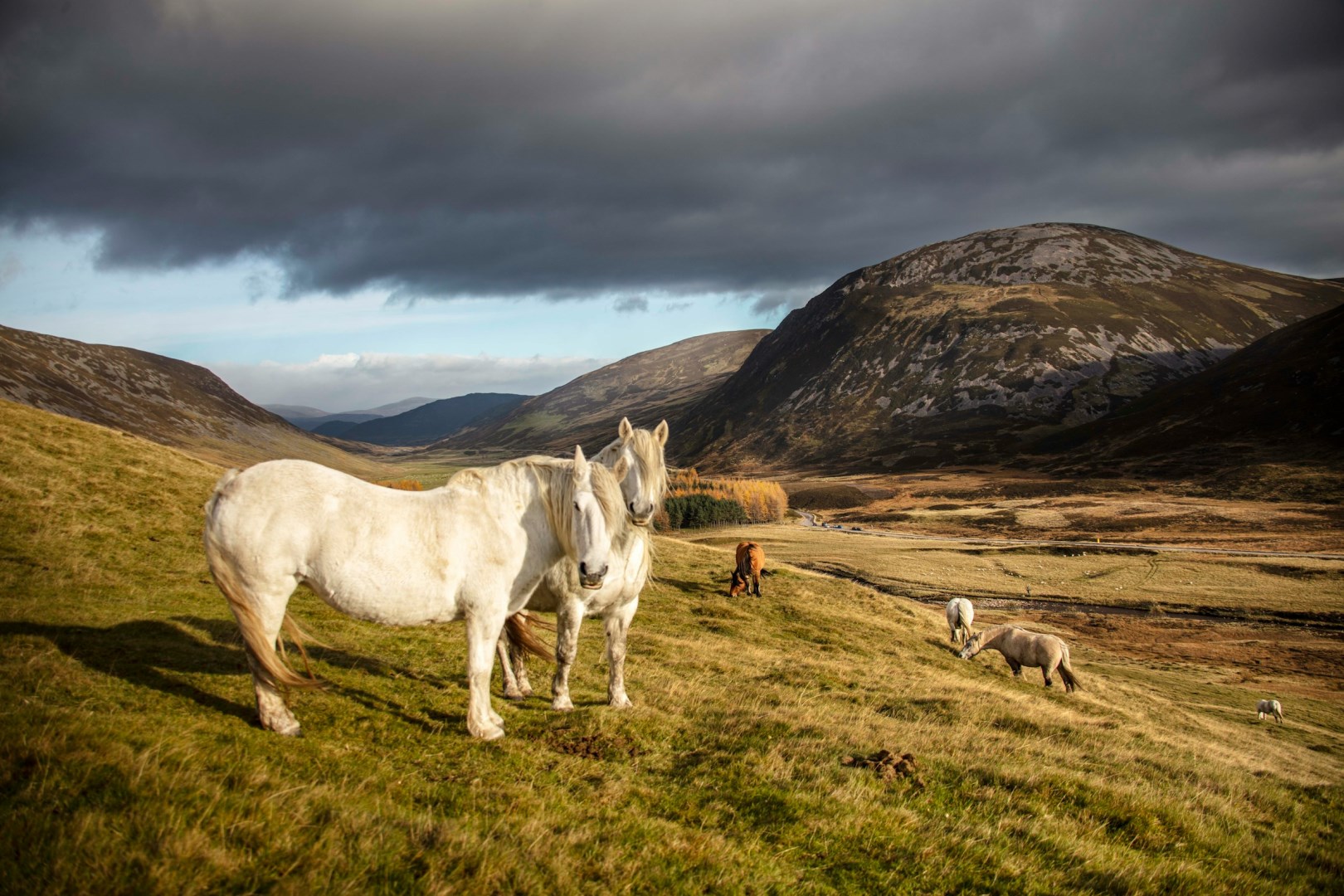
Nestled in the heart of the Cairngorms National Park, Braemar is a charming Highland village that captures the rugged spirit and natural grandeur of Scotland. Surrounded by heather-covered hills, ancient forests, and rushing rivers, it has long served as a gateway to Royal Deeside and a favored retreat of the British royal family.
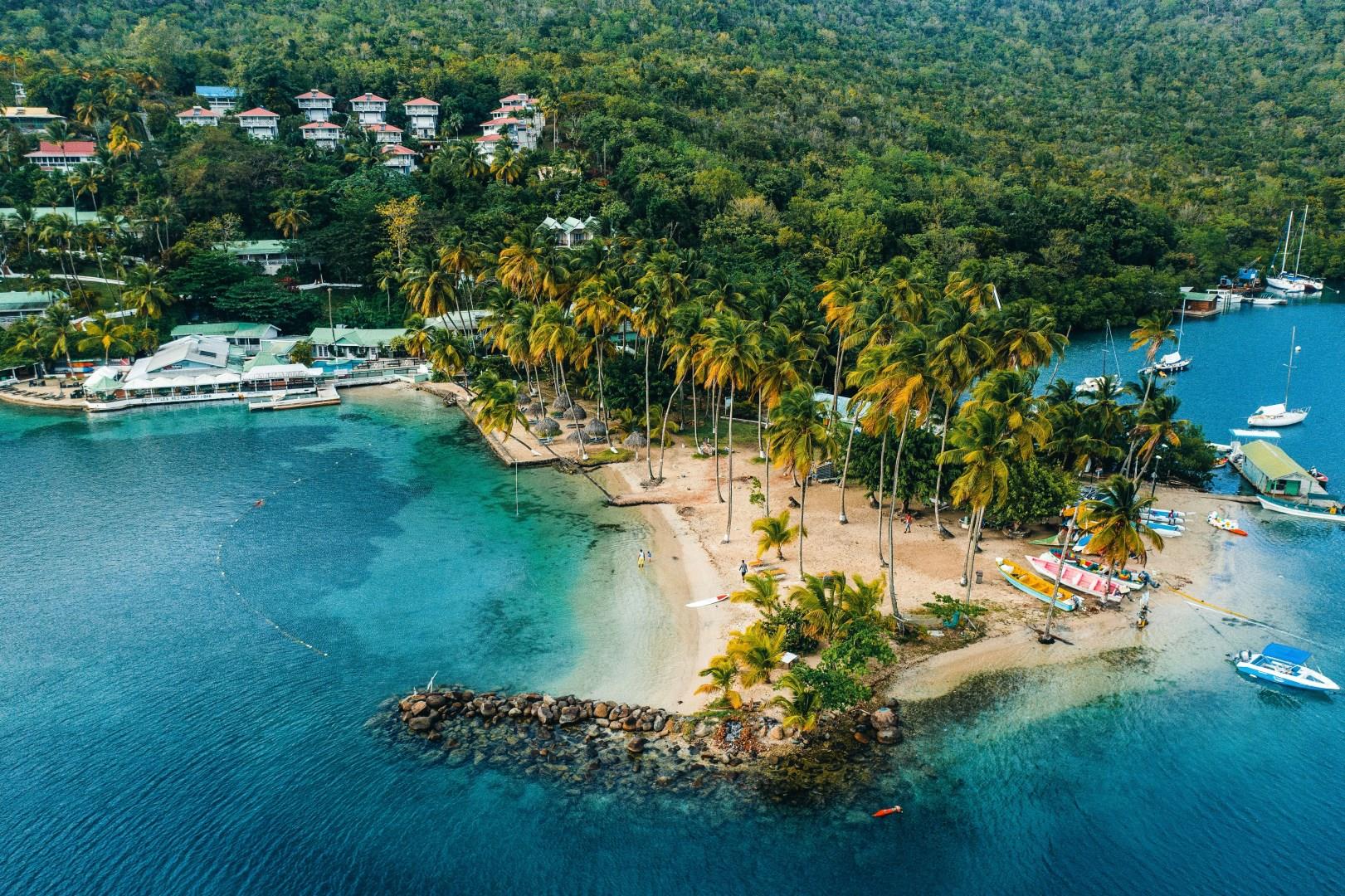
Marigot Bay
Marigot Bay, located on the western coast of Saint Lucia, is often regarded as one of the Caribbean’s most picturesque natural harbors. Enclosed by lush green hills and swaying palms, the bay has long drawn sailors, writers, and filmmakers.
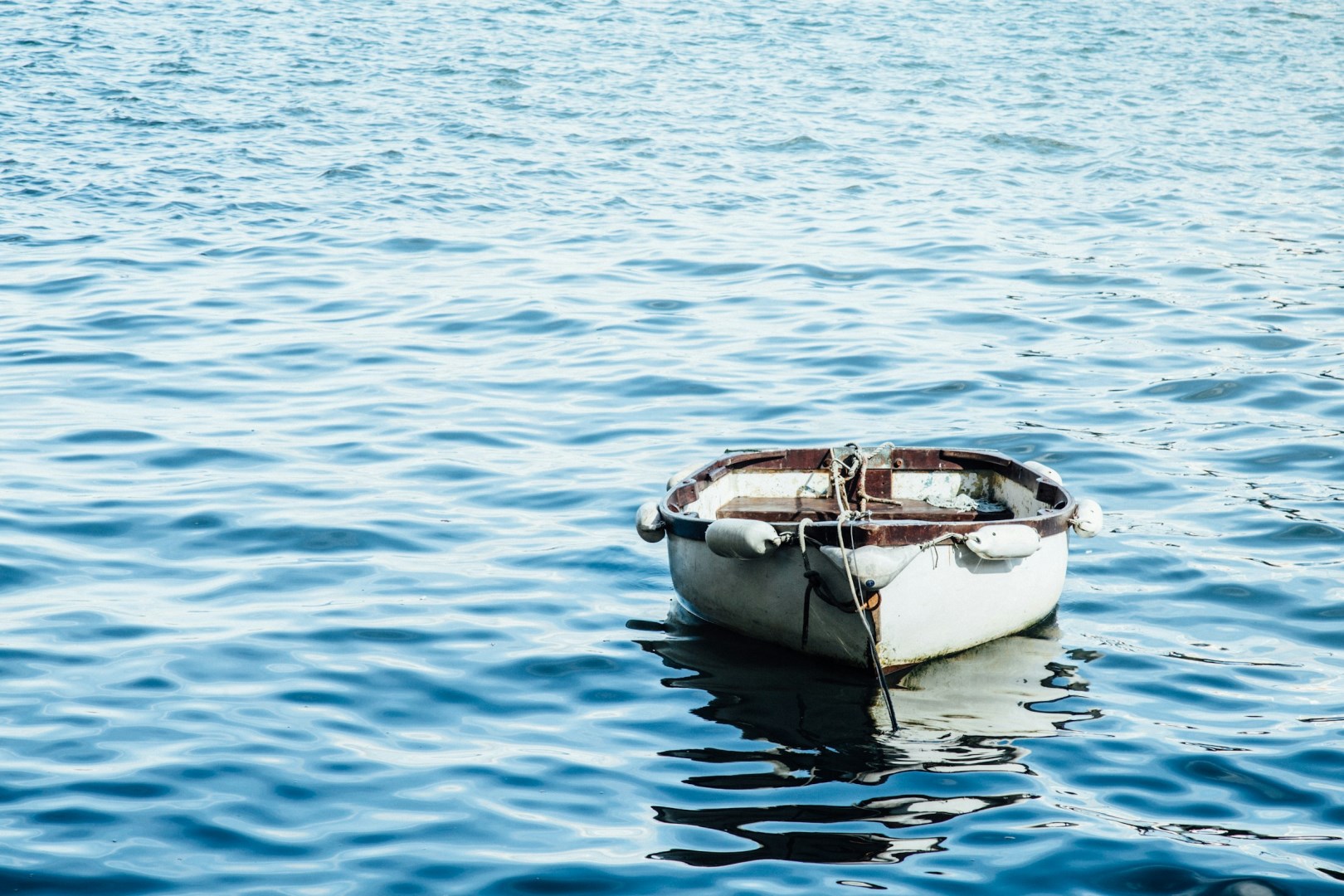
Falmouth
Falmouth, on Cornwall’s south coast, grew around one of the world’s largest natural harbors, a feature that has shaped its maritime identity for centuries. The town expanded during the age of sail, serving as a key port for packet ships, and landmarks like Pendennis Castle still anchor Falmouth firmly in its naval past.