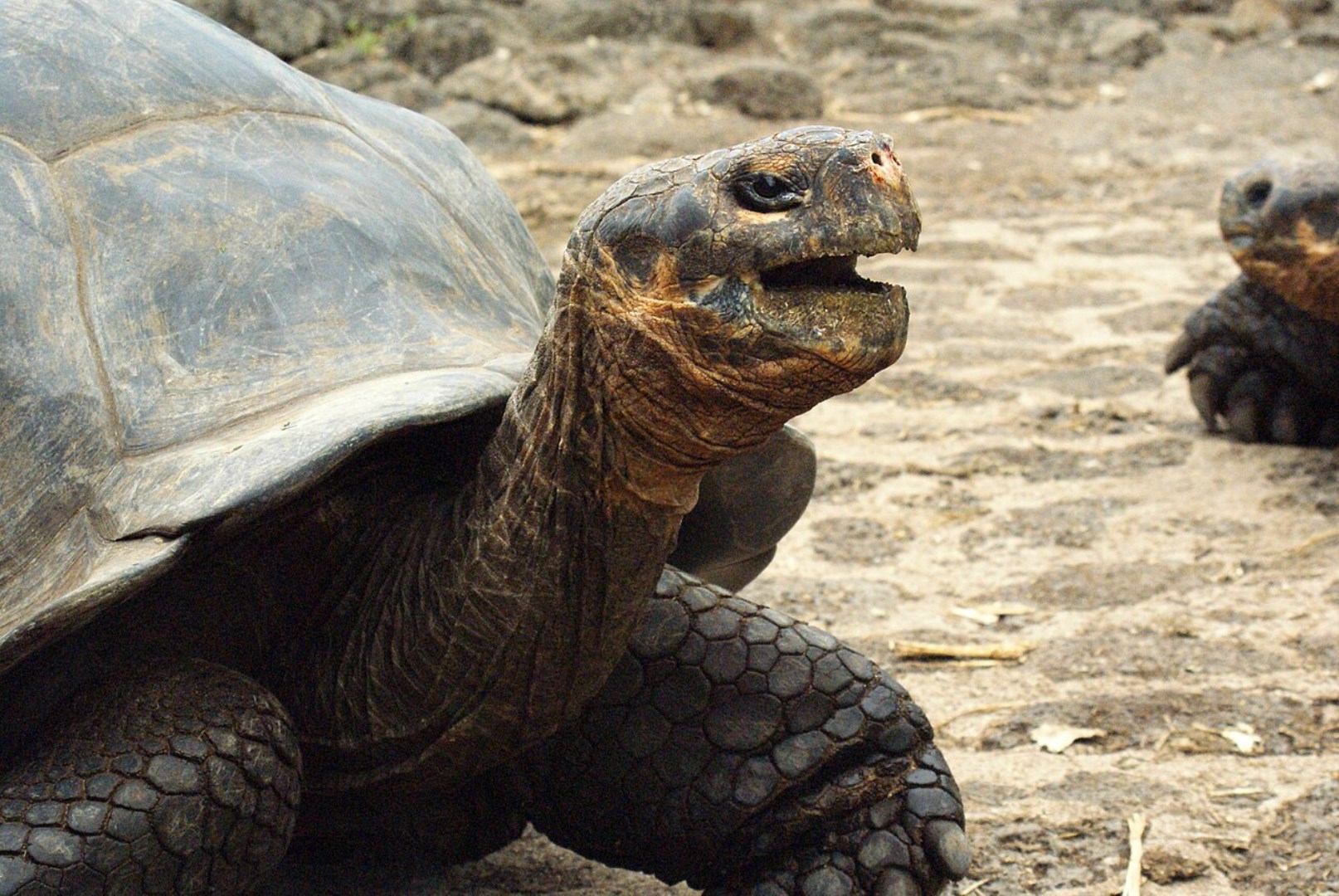
Charles Darwin Research Station
Set along the shoreline of Santa Cruz Island in the Galápagos, the Charles Darwin Research Station introduces visitors to a living laboratory shaped by volcanic land and rare wildlife. Located near Puerto Ayora, the station stands as the scientific heart of the islands, where researchers from around the world work side by side to understand and protect species found nowhere else on Earth.

Kehl
Originating as a tiny fishing village in 1038, modern Kehl has become an important link between Germany and France. Rhine River cruises most often use Kehl as their gateway to the much larger and better-known Strasbourg. The savvy traveler, though, might choose to skip the jaunt across the river and enjoy many similar sights, shopping and cuisine as those offered in the teeming French city.
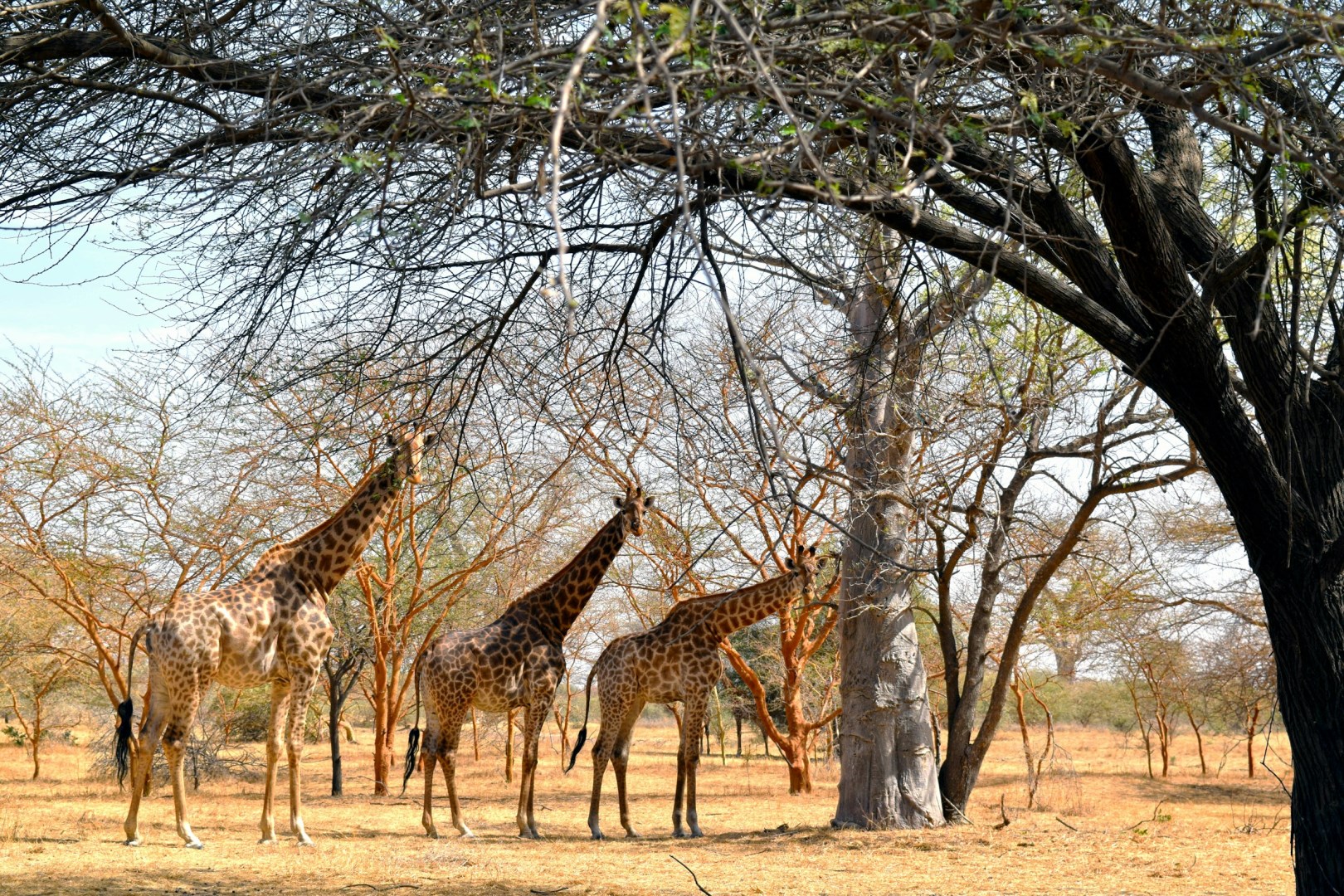
Bandia Reserve
Bandia Reserve is a private wildlife reserve in Senegal’s Thiès Region, located near the village of Bandia and within easy reach of Dakar, Mbour, and the resort area of Saly. Covering about 3,500 hectares, the reserve protects a landscape of dry savanna, thorny scrub, seasonal water sources, and large baobab trees.
Osa Peninsula
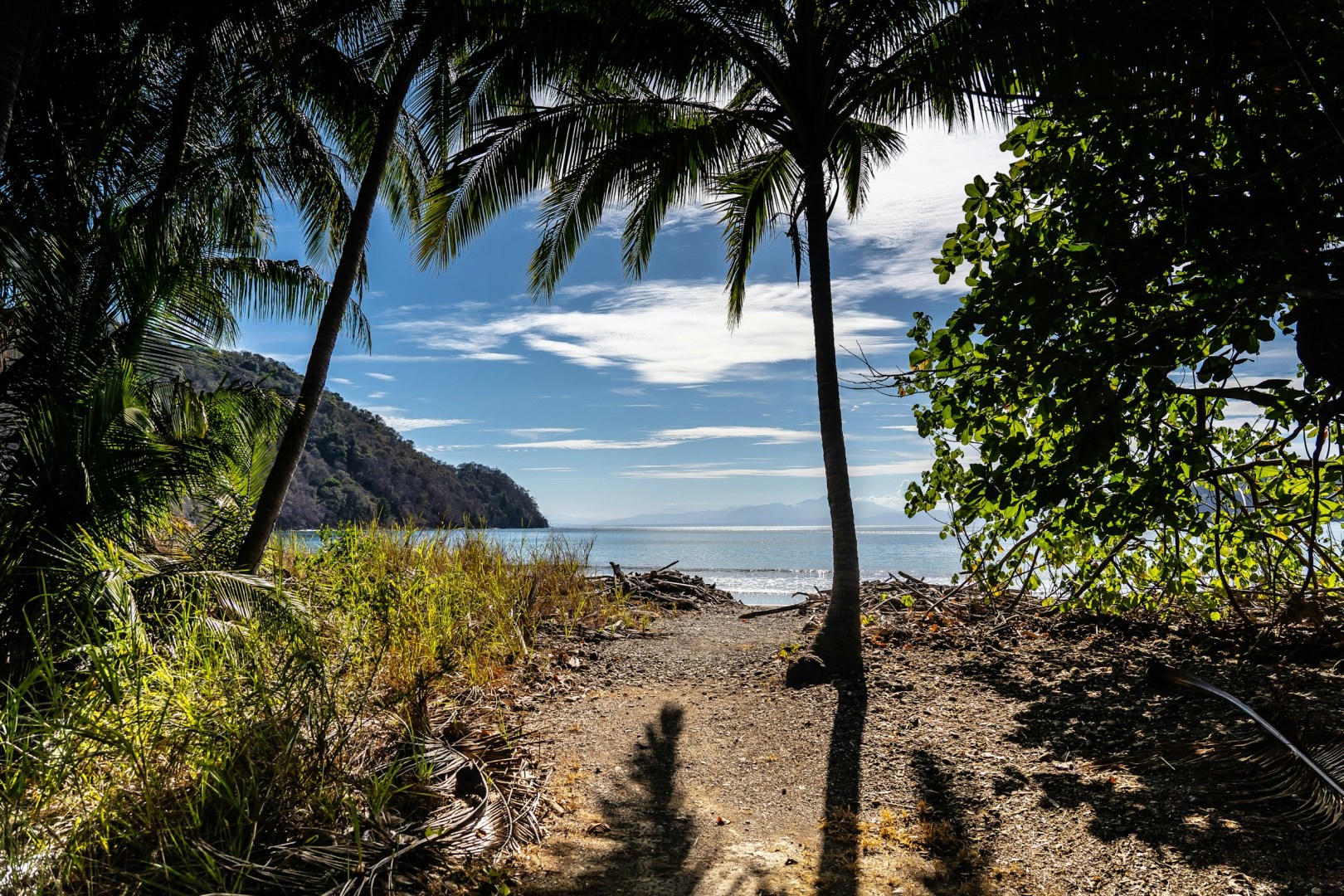
The Osa Peninsula extends into the Pacific Ocean from southern Costa Rica's Puntarenas Province, forming a remote region of rainforest, rivers, beaches, mangroves, and coastal waters. Much of the peninsula remains forested, with small communities such as Puerto Jiménez, Drake Bay, and Carate providing access to the surrounding landscape.
Campo Grande
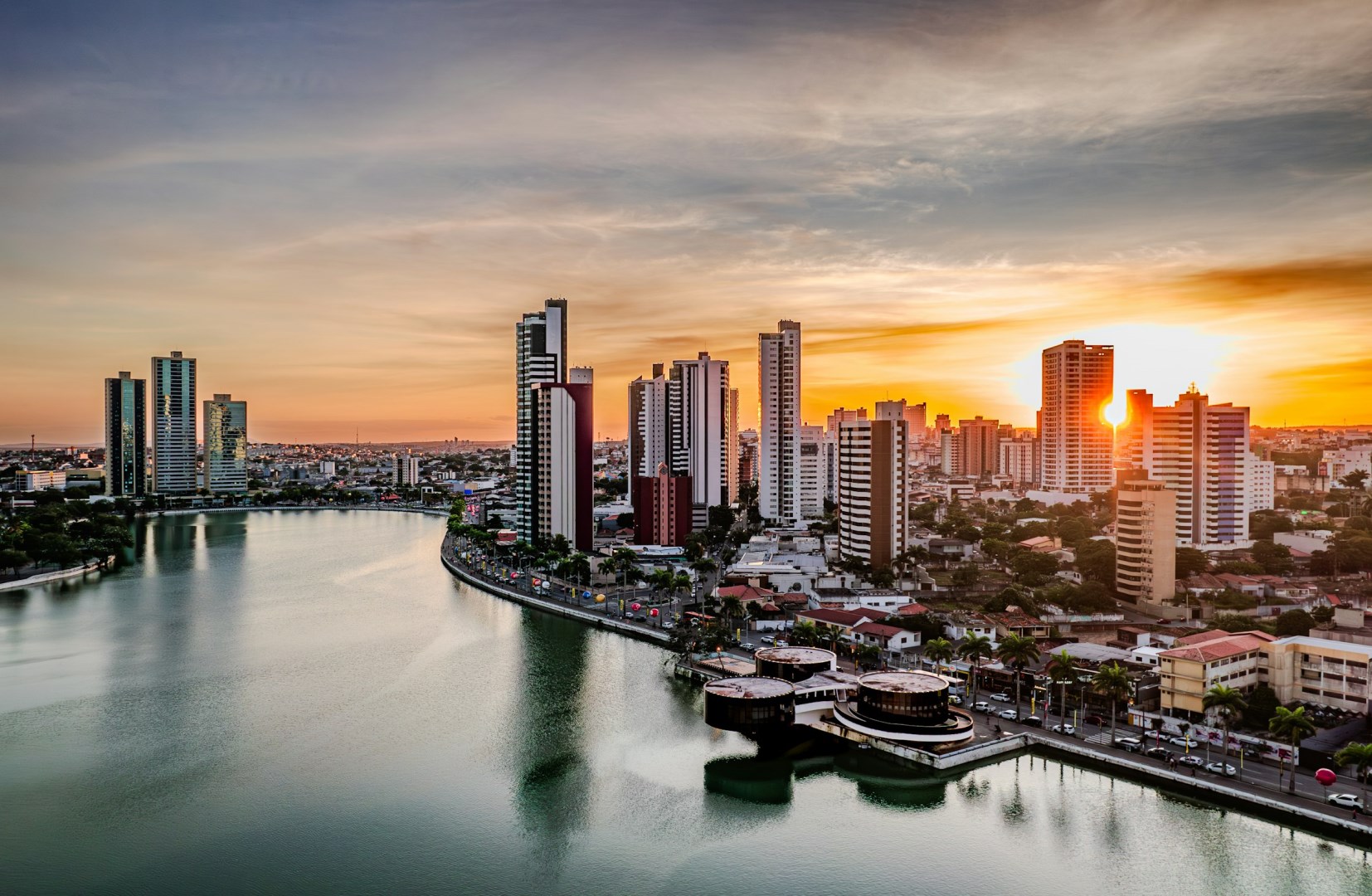
Campo Grande is the capital of Mato Grosso do Sul in central-western Brazil and an important urban gateway to the southern Pantanal and destinations such as Bonito. The city is often known as Cidade Morena, a reference to the reddish soil found across the region. Its broad avenues, parks, and low-density neighborhoods reflect its location on the edge of the Brazilian interior, where urban life meets ranching country and cerrado landscapes.