Aguas Calientes
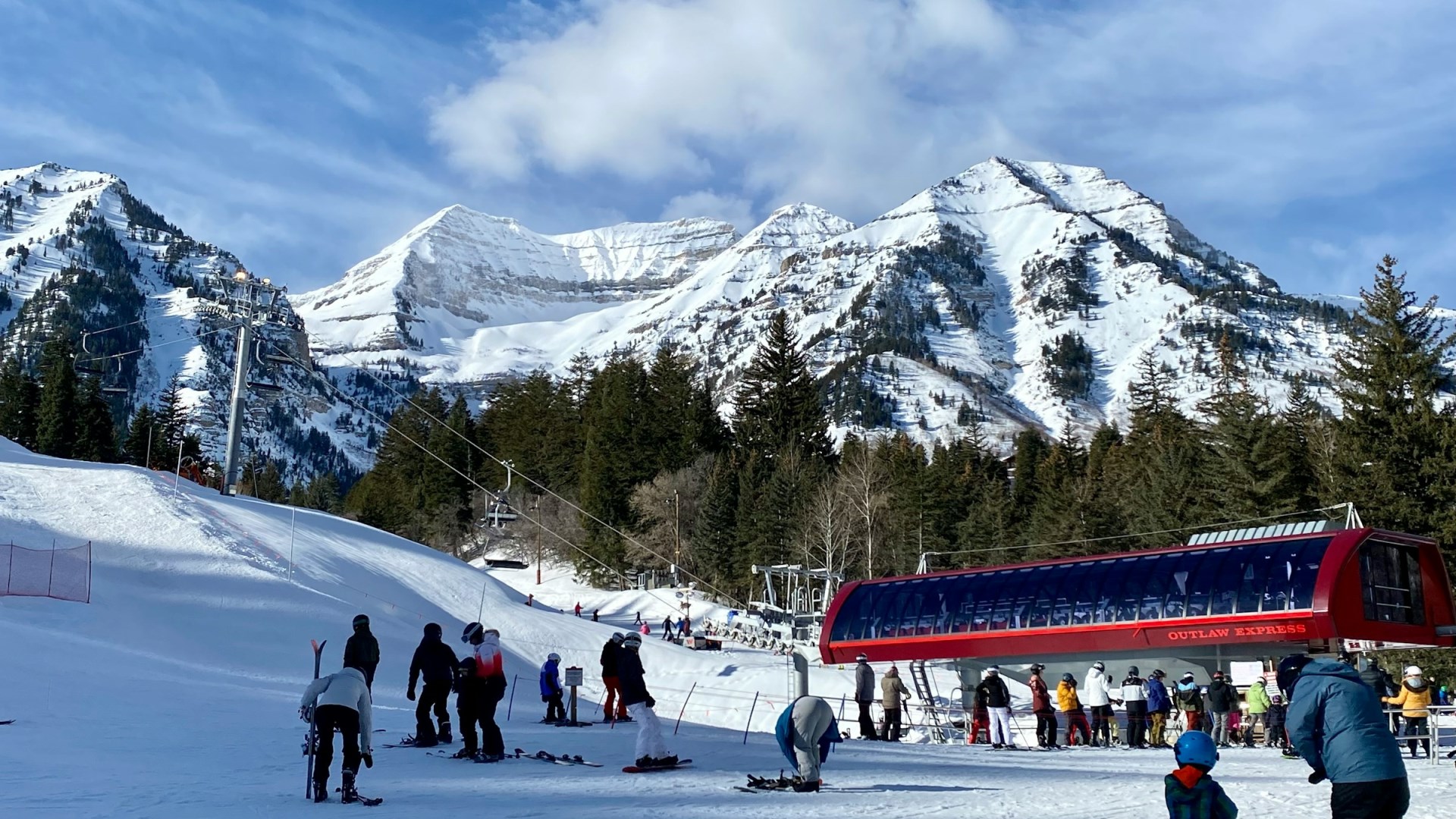
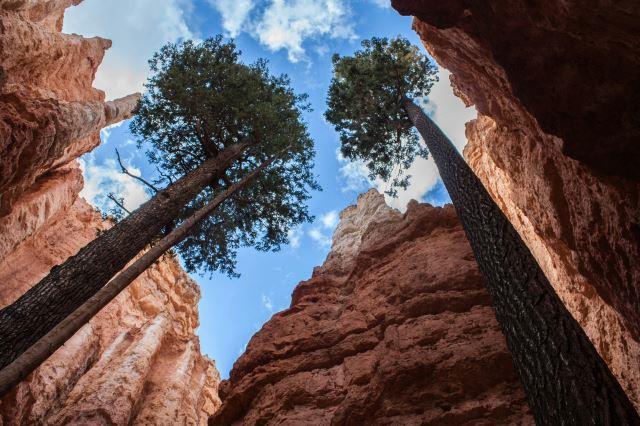
Aguas Calientes, officially called Machupicchu Pueblo, sits in a narrow valley below the ruins of Machu Picchu, shaped almost entirely by geography and access. The town grew around the railway and hot springs that give it its name, becoming a necessary stopping point rather than a destination planned in advance. Its identity is closely tied to movement, with most people arriving on foot or by train and staying briefly before heading uphill.
Syracuse
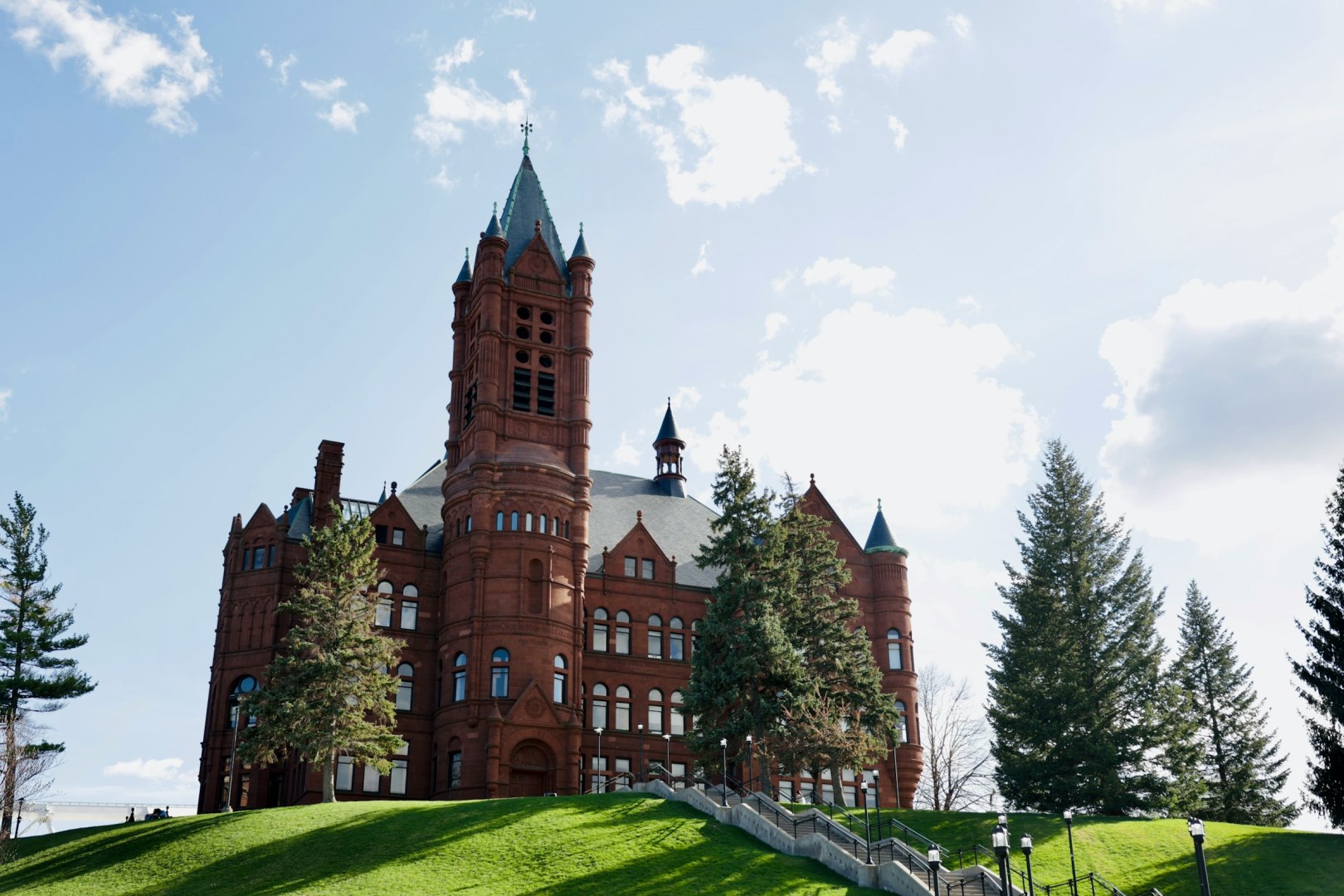
Syracuse is a Central New York city positioned between the Finger Lakes and the Adirondack region, with a landscape shaped by waterways, glacial lakes, and rolling countryside. Known historically as the “Salt City,” Syracuse grew around salt production near Onondaga Lake and later became an important transportation and industrial center. Today, downtown neighborhoods such as Armory Square, Hanover Square, and Franklin Square combine historic buildings with restaurants, galleries, shops, and ente

Bournemouth
Bournemouth, located on England's southern coast, is a charming resort town known for its expansive beaches and picturesque seafront. The town's seven miles of sandy coastline, including the famous Bournemouth Beach, offer a delightful retreat for sunbathers, swimmers, and water sports enthusiasts. The beach is complemented by the Bournemouth Pier, where visitors can enjoy stunning views of the English Channel, take a leisurely stroll, or dine at one of the seaside cafes.
Nogales
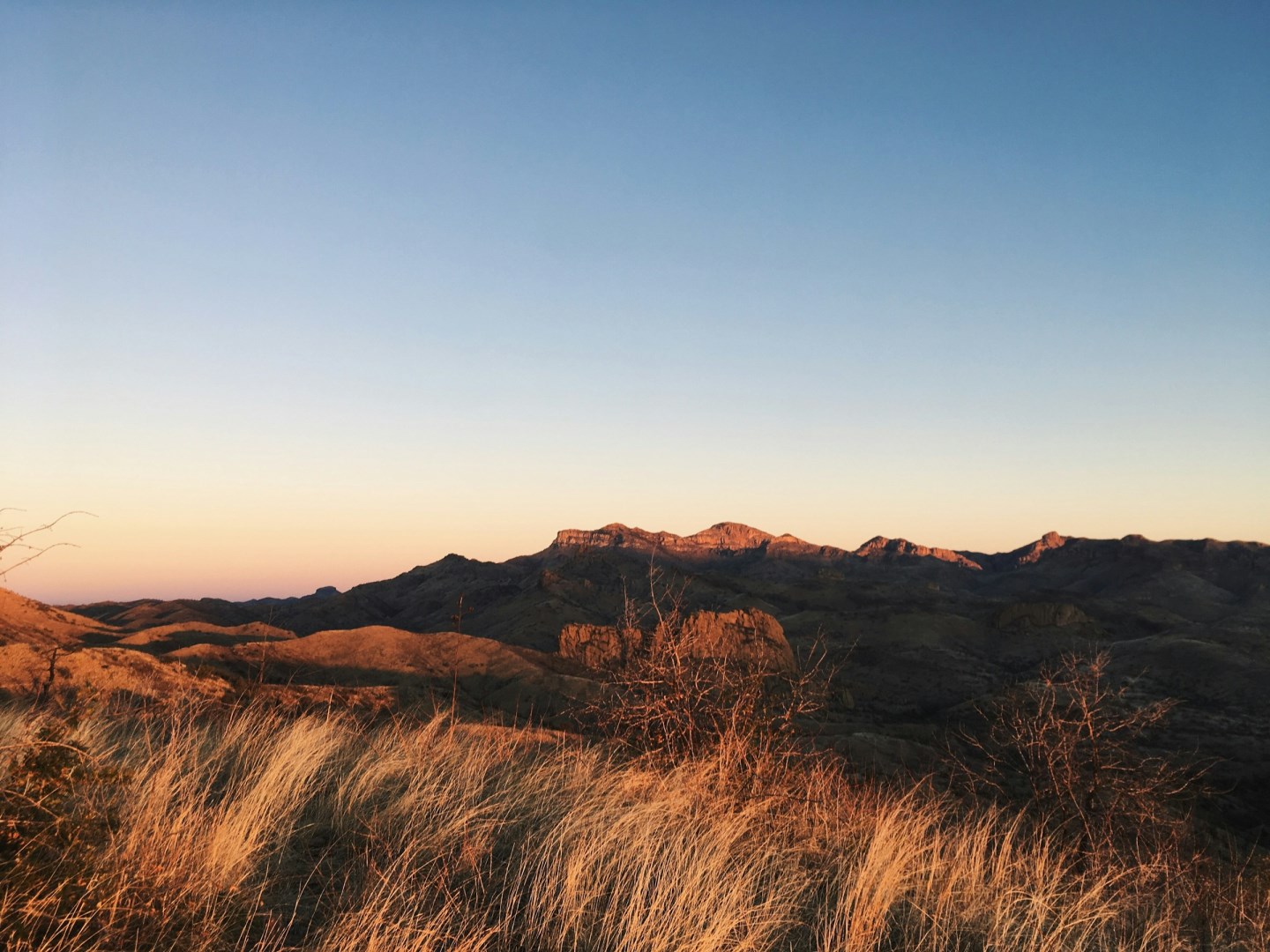
Nogales is a border city in Santa Cruz County in southern Arizona, directly adjoining Nogales, Sonora, Mexico. Its setting in the Santa Cruz River Valley gives the city a distinctive landscape of rolling hills, desert vegetation, and mountain ranges. As one of the principal border crossings between Arizona and Mexico, Nogales has long served as a center for trade, transportation, and cross-border commerce.
Sumbawa Island
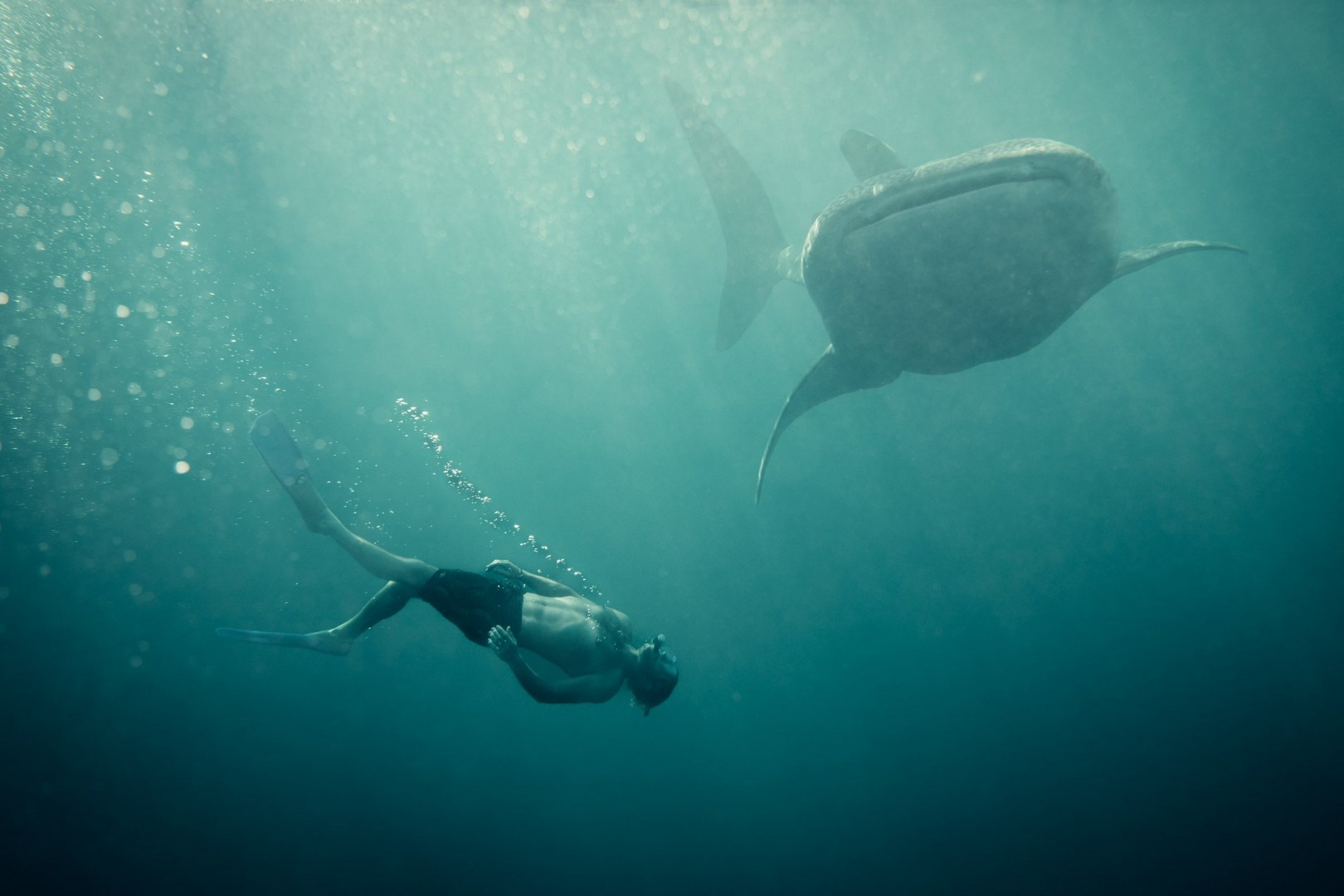
Located between Lombok and Flores in the Lesser Sunda chain in the Indian Ocean.