Port Augusta
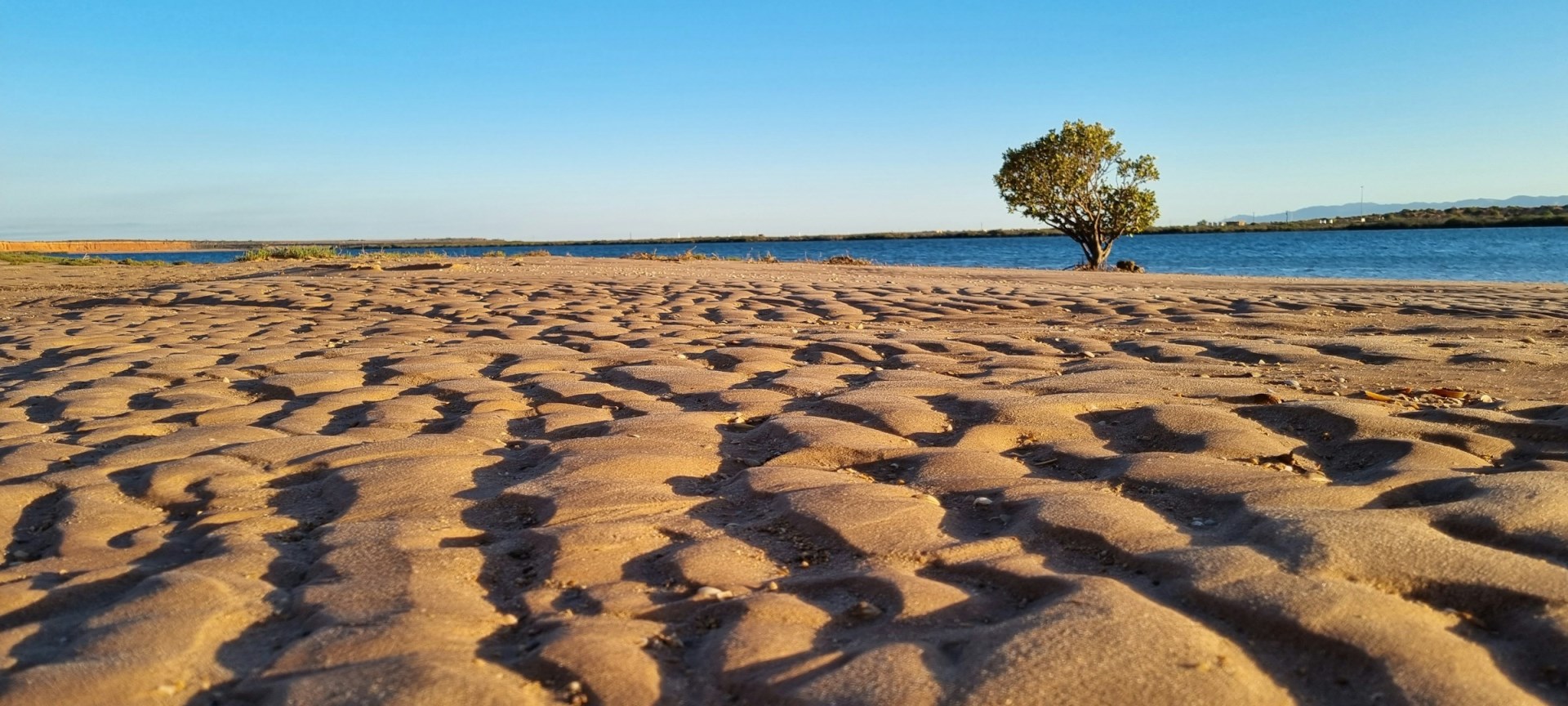
Port Augusta is the perfect crossroads to wherever you want to go. Whether heading west across the Nullarbor to Western Australia, north to Alice Springs in Northern Territory, east to Broken Hill in New South Wales, or south to Adelaide you can get there from Port Augusta.
Mount Lavinia Beach
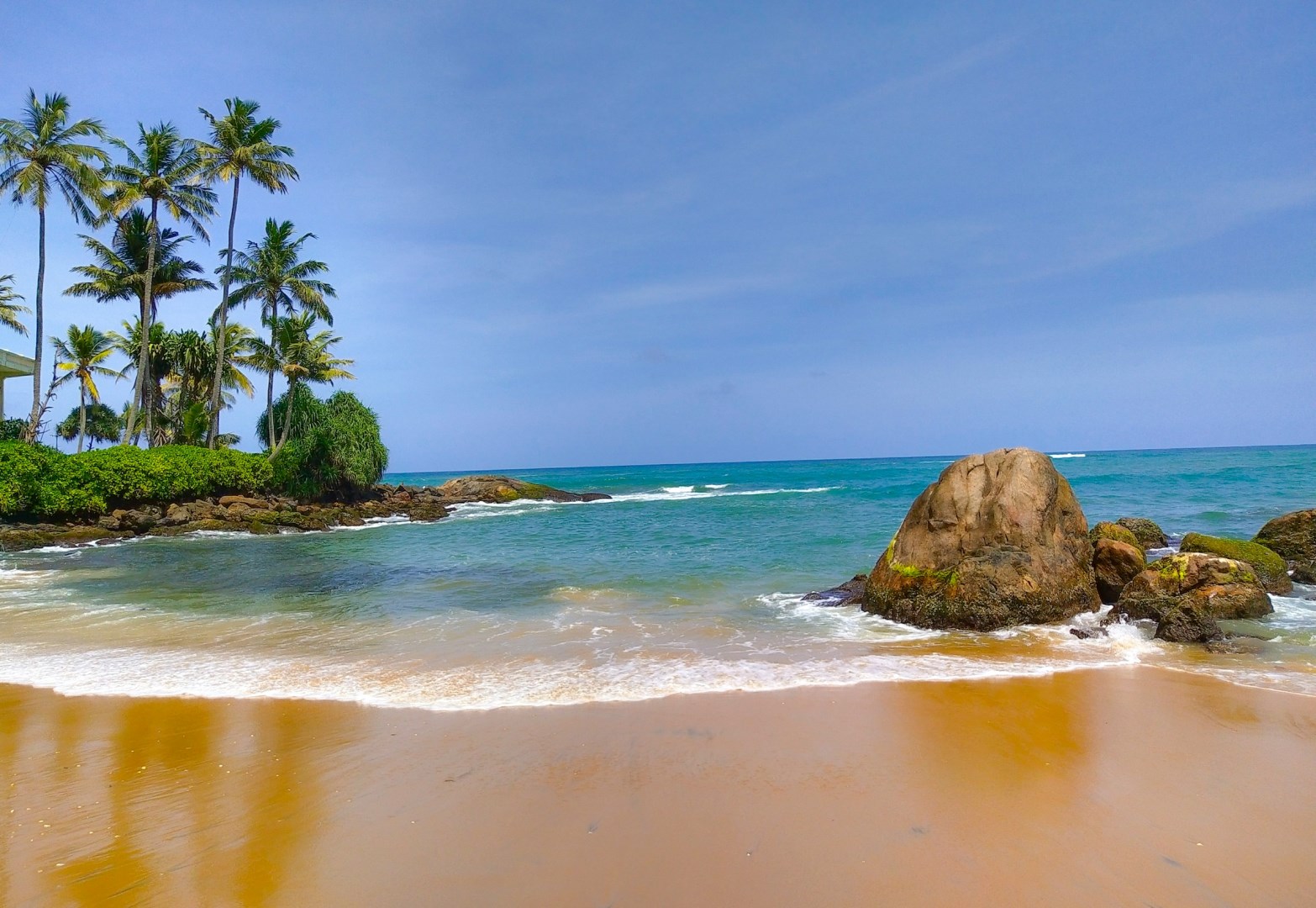
Mount Lavinia Beach is a well-known urban beach just south of Colombo, Sri Lanka, stretching along the Indian Ocean beside the coastal suburb of Mount Lavinia. Its broad sandy shoreline and easy access from the capital make it a popular place for swimming, walking, watching sunsets, and informal gatherings. The beach sits beside a long-established residential and hotel district, so its surroundings combine everyday city life with a distinctly coastal setting. Fishing boats and seafood restaurant
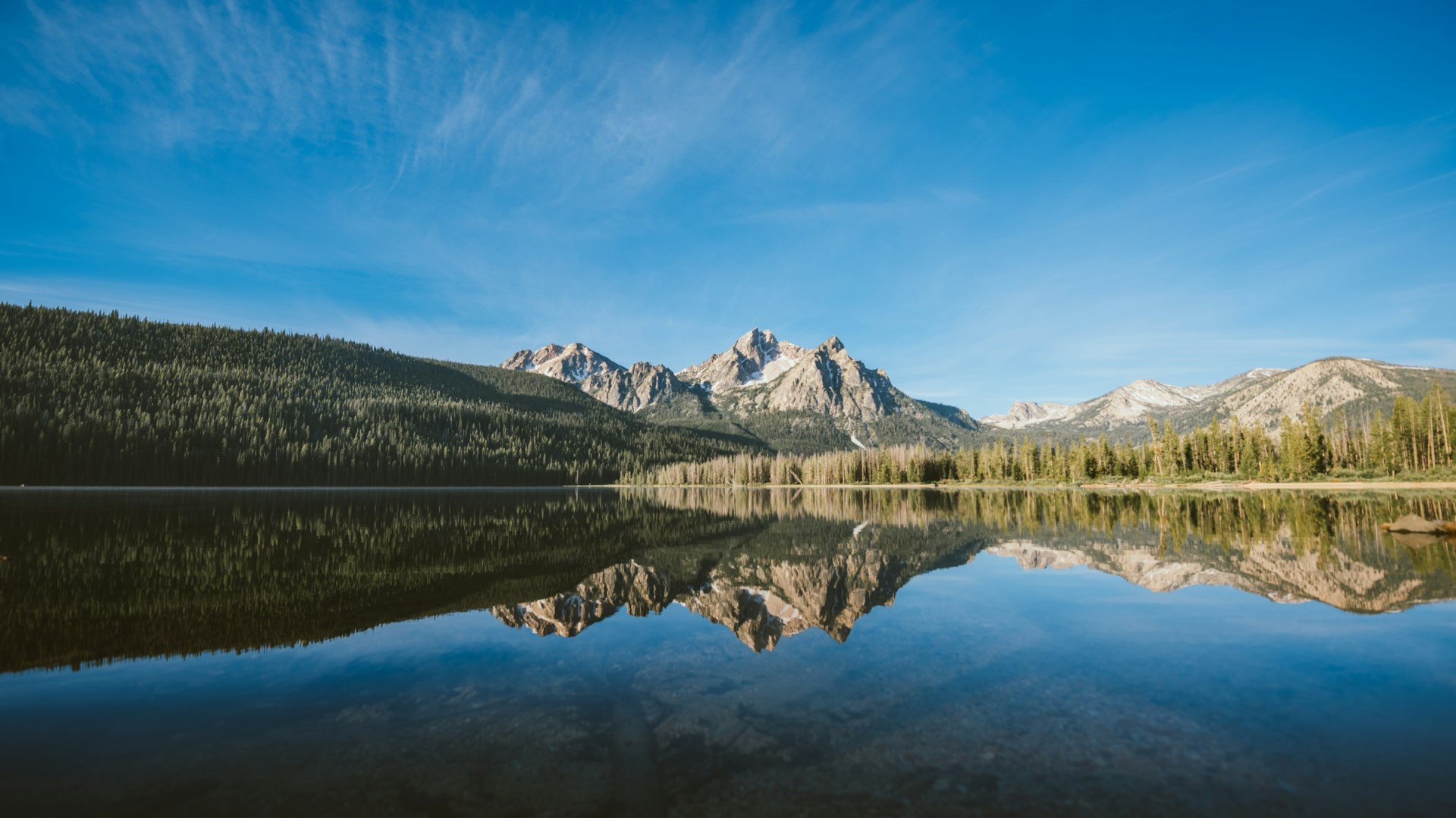
Stanley
Located in central Idaho, a few miles east of the Middle Fork of the Salmon River.
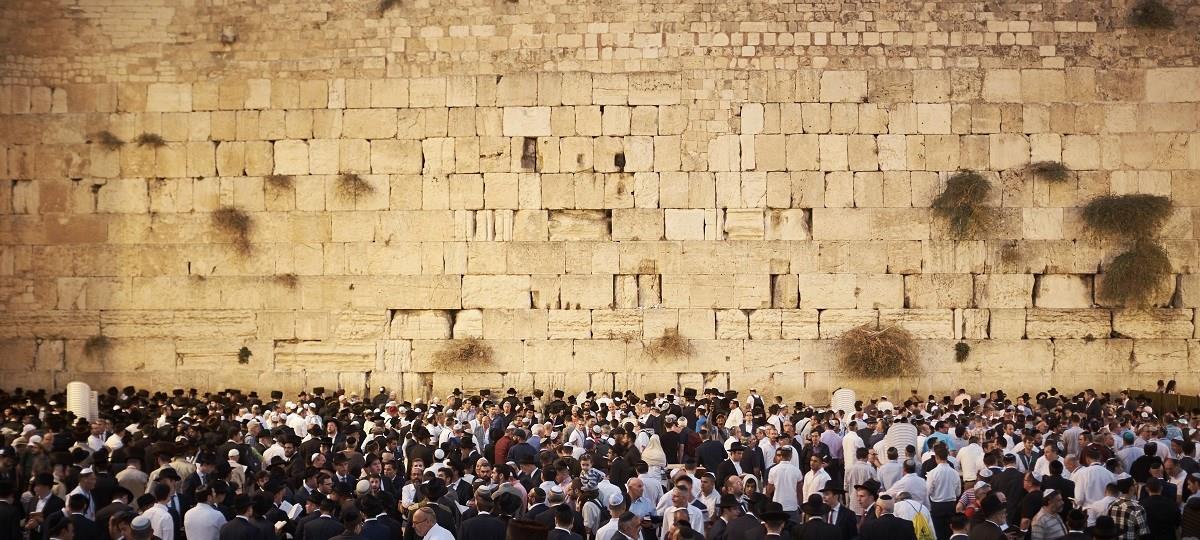
Jerusalem
This beautiful holy city is a spiritual lightning rod and sacred to Jews, Muslims and Christians all over the world. Although Jerusalem is known primarily for its religious history, the city is also home to many artistic and cultural venues.
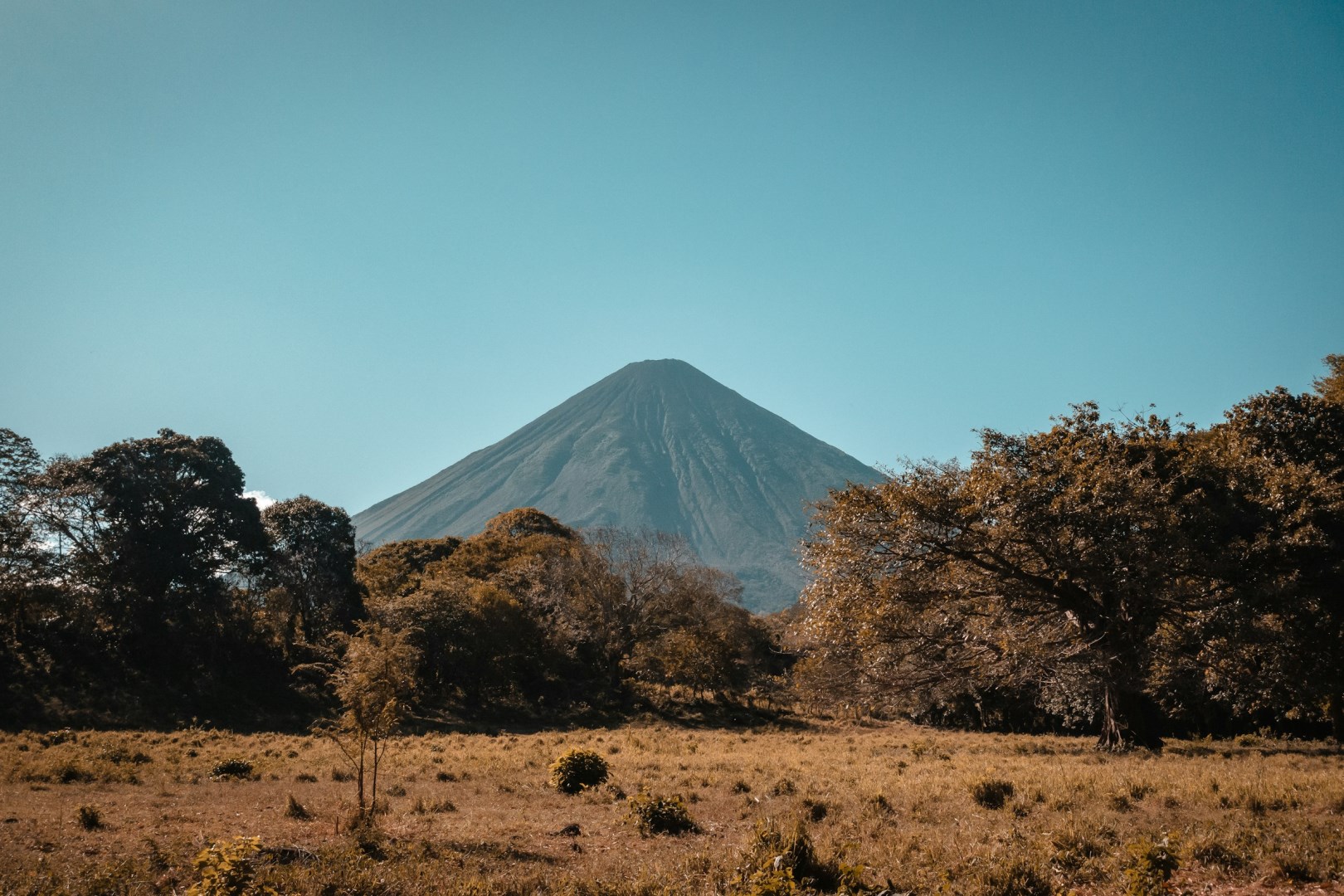
Ometepe
Ometepe is an island in southwestern Nicaragua, located in Lake Nicaragua and formed by two volcanoes joined by a narrow isthmus. Concepción rises on the northern side of the island, while Maderas occupies the southern section. The island includes the municipalities of Moyogalpa and Altagracia and has a landscape of farms, forests, wetlands, beaches, and rural communities.