Braga
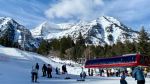
Braga, one of Portugal’s oldest and most vibrant cities, blends deep religious heritage with a youthful, energetic spirit. Founded over two millennia ago by the Romans as Bracara Augusta, the city has long been a center of faith and culture, earning it the nickname “the Rome of Portugal.”
Jordan River
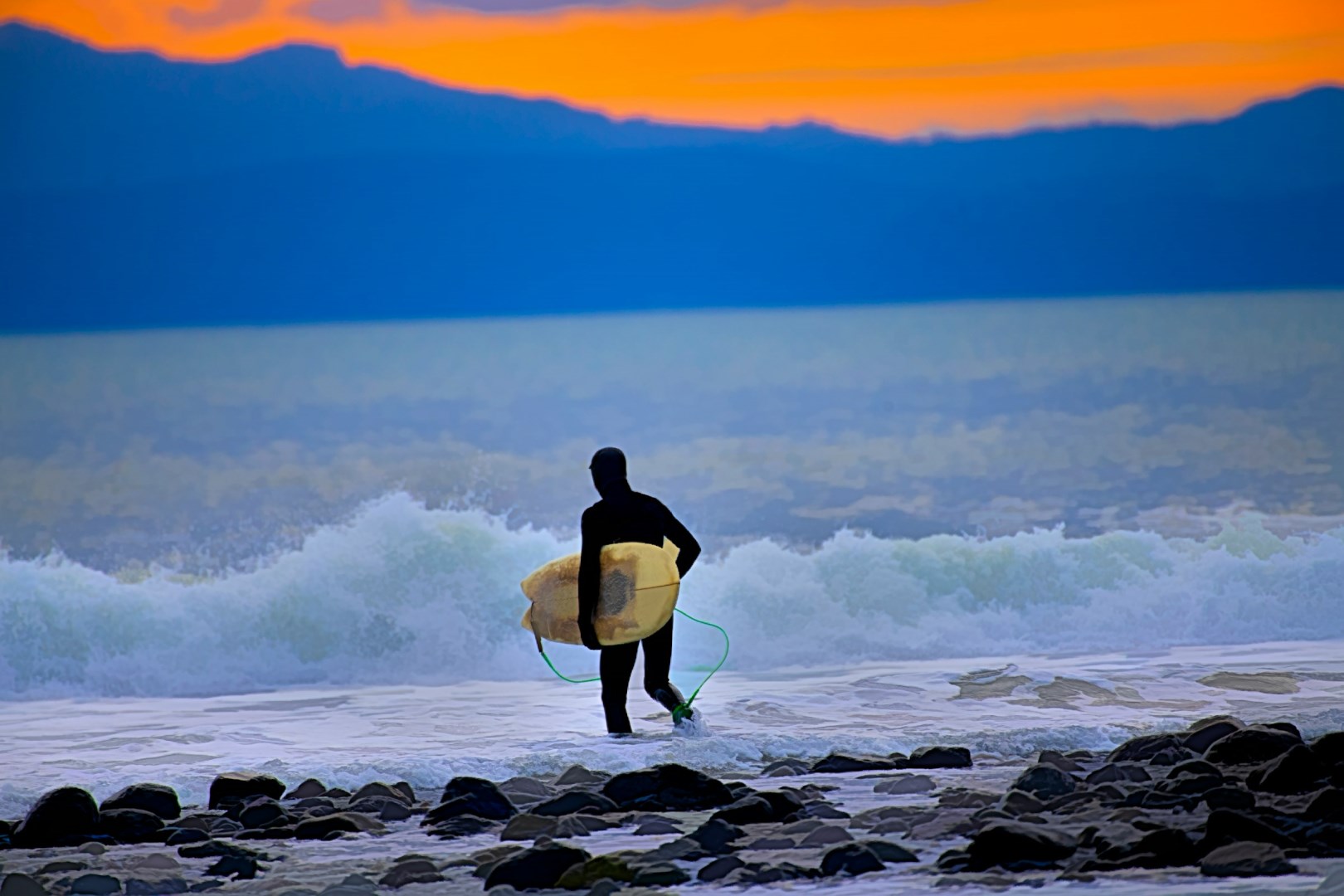
Jordan River is a small coastal community on the southwestern coast of Vancouver Island, British Columbia, where the Jordan River reaches the Strait of Juan de Fuca. Dense coniferous forest surrounds the settlement, while rocky beaches and exposed coastline face the open waters of the strait.
Nosy Iranja
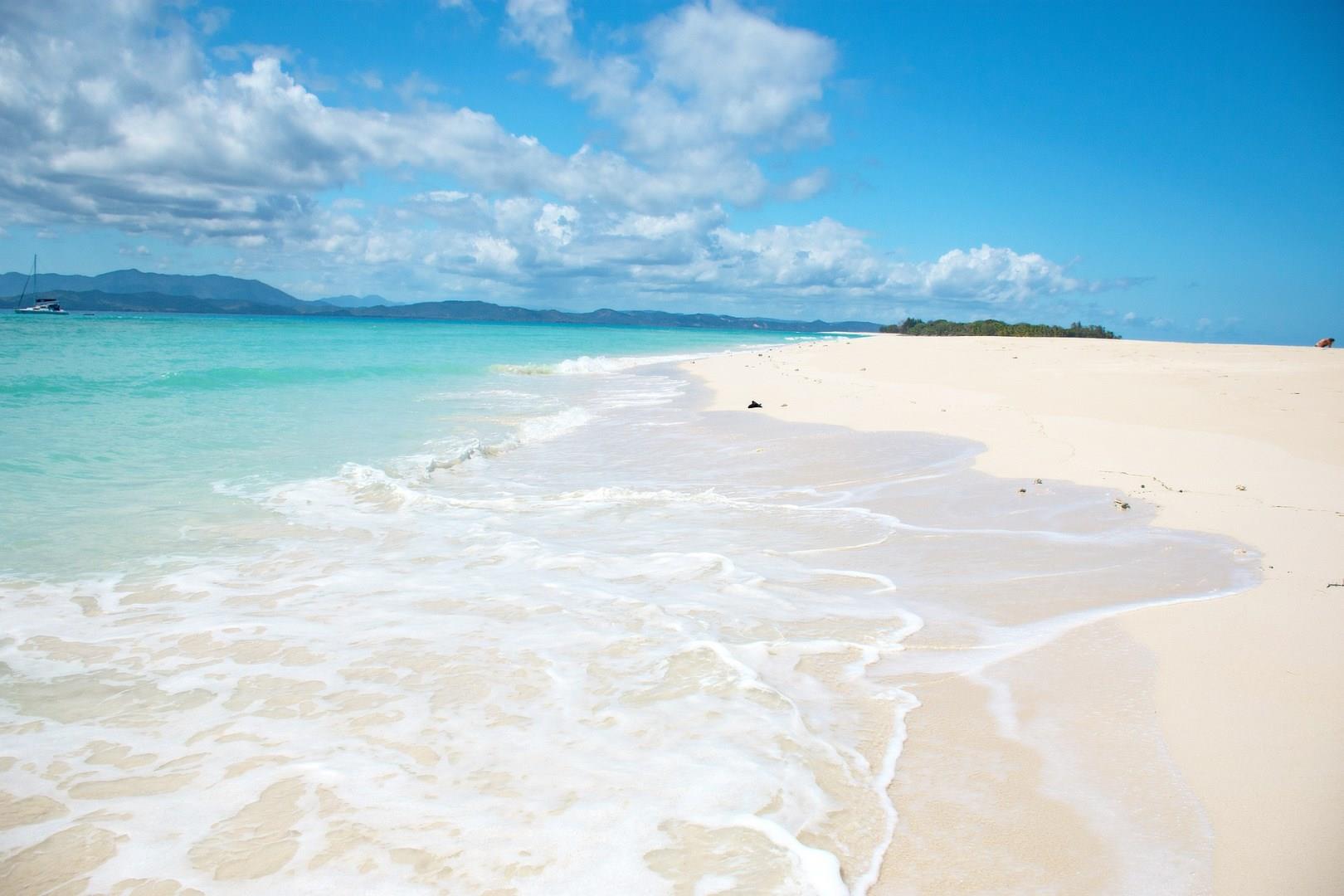
Nosy Iranja, a tropical paradise off the northwest coast of Madagascar, is a must-visit destination for travelers seeking an untouched escape. Known for its stunning natural beauty, Nosy Iranja is actually composed of two islands, Nosy Iranja Be and Nosy Iranja Kely, connected by a striking sandbar that appears at low tide. Visitors can stroll across the white sands with crystal-clear turquoise waters on either side, creating an otherworldly experience of walking between two islands.

Iguazu
Situated in the Parque Nacional Iguazú near Puerto Iguazú, these spectacular falls lie just east of the confluence of the Iguazu and Paraná rivers. At least 5000 cubic m of water per second plunge the 70m into the abyss below.
Ballarat
Ballarat is a regional city in central Victoria, known for its goldfields heritage, grand streetscapes, gardens, and strong arts scene. Located about 90 minutes from Melbourne by road or rail, it combines a historic city centre with lakes, parks, and surrounding rural landscapes. Sturt Street forms the main civic spine, lined with substantial nineteenth-century buildings, shops, cafés, and public spaces.