Ganvie
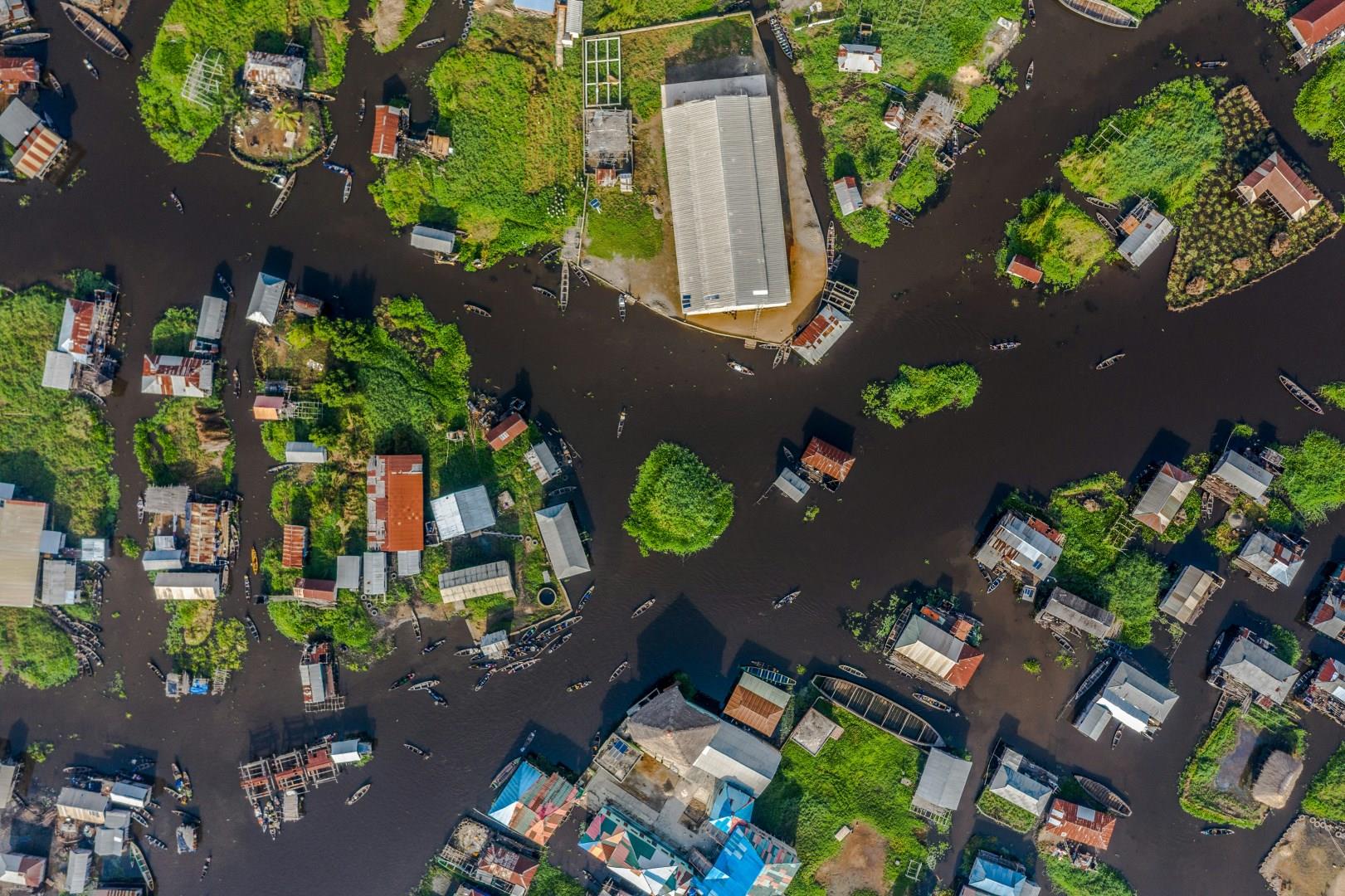
Ganvie, often called the "Venice of Africa," is a lake village located in the heart of Lake Nokoué in southern Benin. What makes Ganvie extraordinary is that the entire village sits on stilts above the water, with wooden homes, floating markets, and schools accessible only by boat. Visitors can glide through narrow canals in pirogues, experiencing firsthand a way of life shaped entirely by water.
Whittier
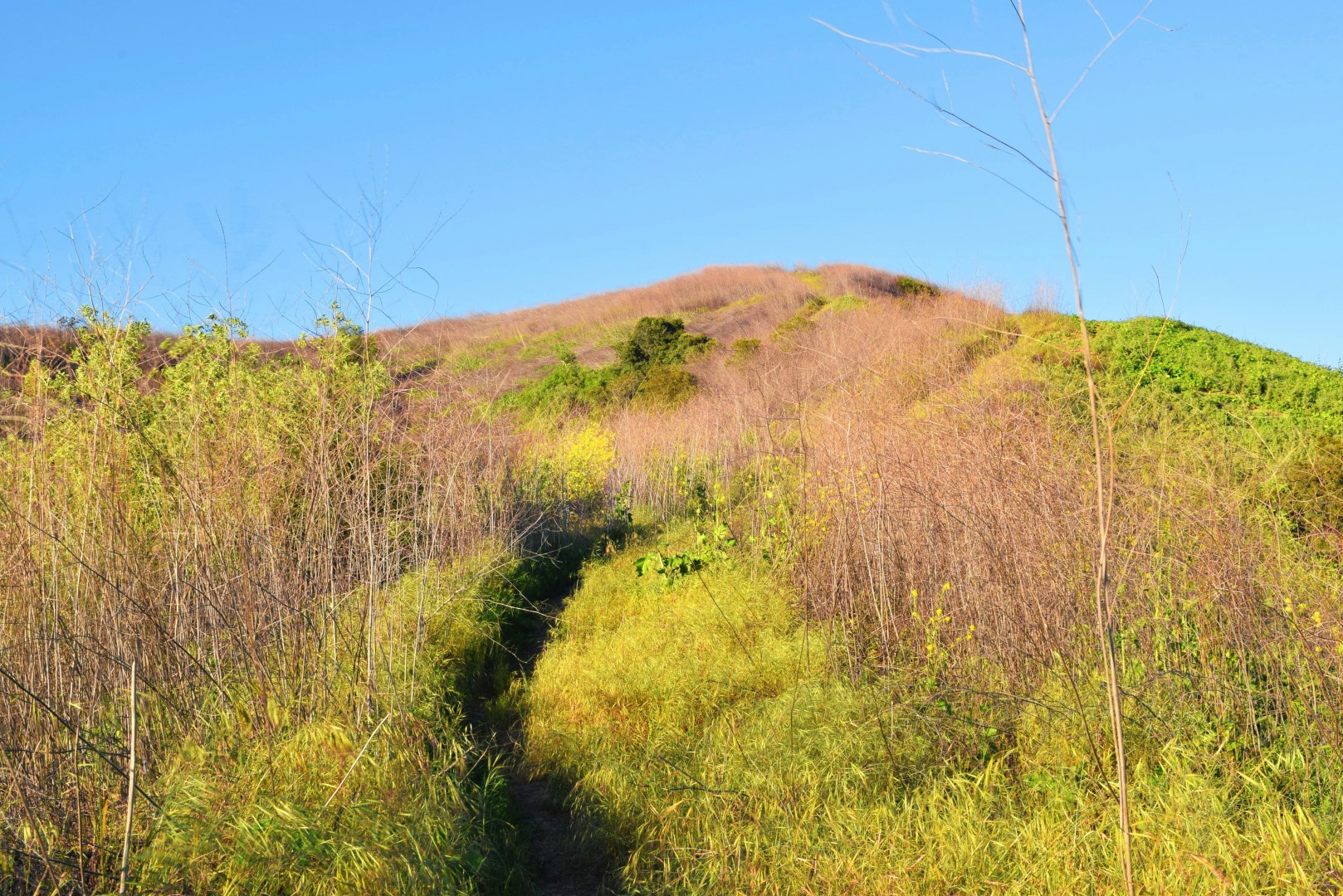
Whittier is a city in Los Angeles County, California, located southeast of downtown Los Angeles at the base of the Puente Hills.
Bikaner
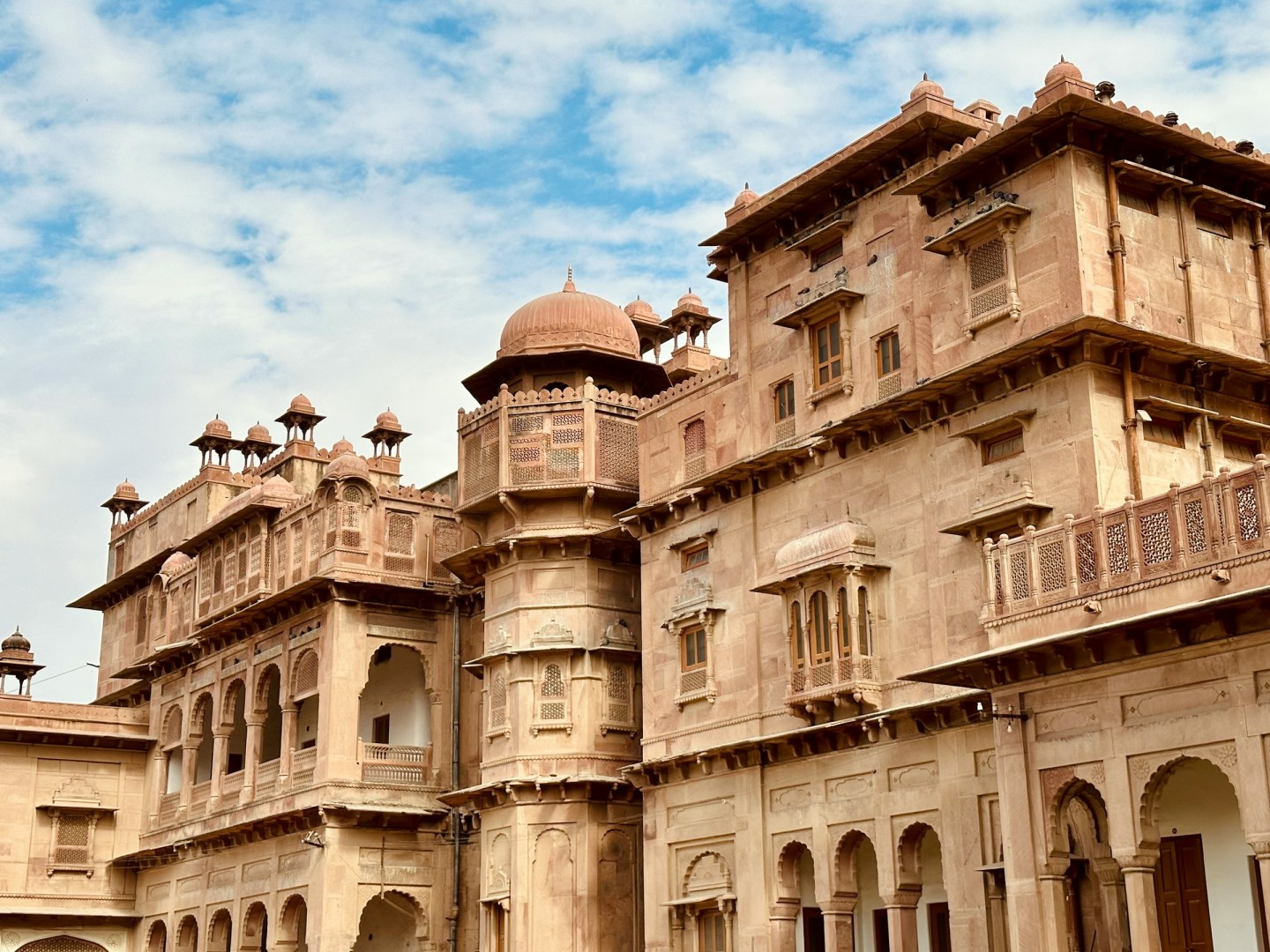
Bikaner is a historic city in Rajasthan, set on the edge of the Thar Desert in northwestern India. Its landscape is characterized by sandy plains, sparse vegetation, and hardy desert crops, while the city itself is known for its fortified walls, ornate havelis, temples, and busy bazaars. Bikaner developed as an important trading center on desert routes, and its architecture reflects the wealth created through commerce. Today, the city remains closely associated with desert culture, camel breedin
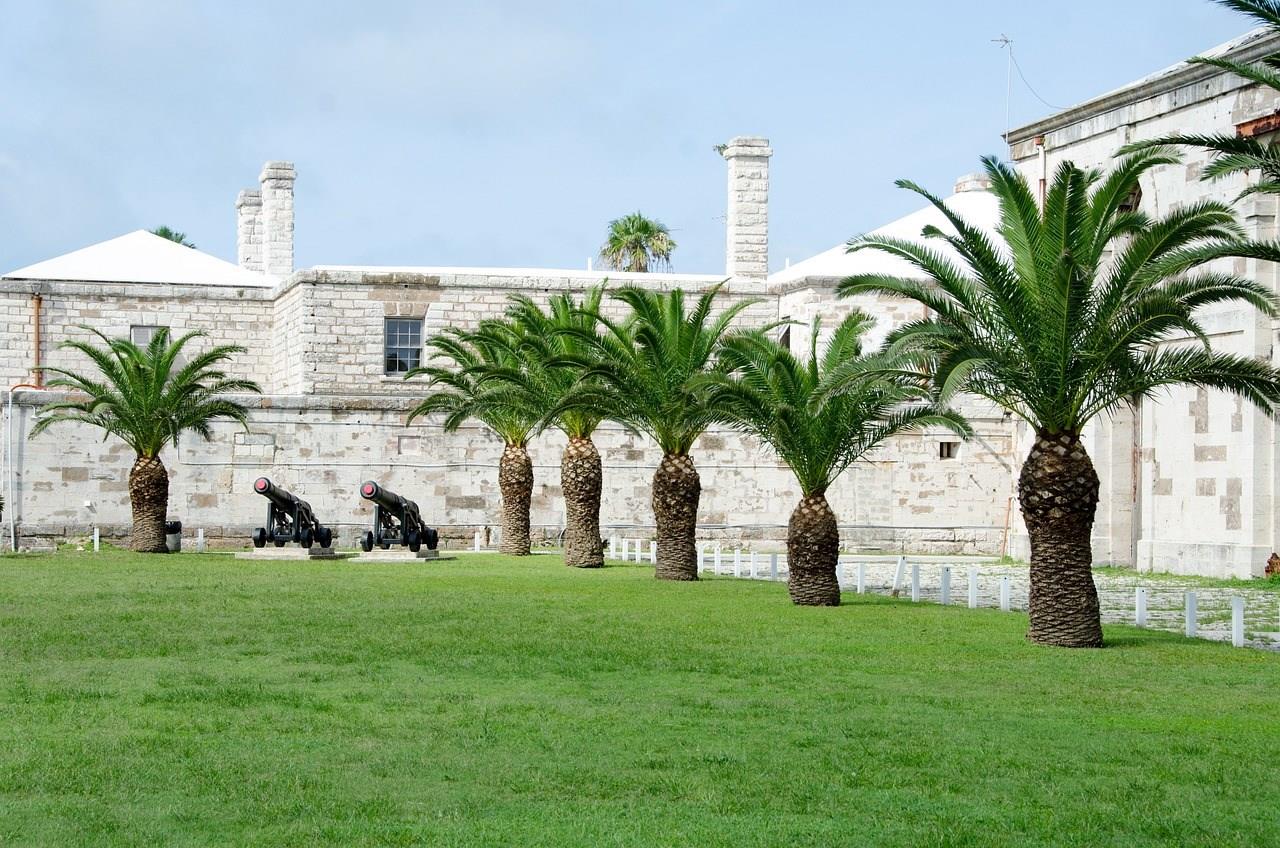
Royal Naval Dockyard
The Royal Naval Dockyard in Bermuda stands as a testament to the island's maritime history and naval heritage. Located at the western tip of Bermuda, this historic site was once a major naval base for the British Royal Navy and is now a thriving hub of culture, history, and tourism. The Dockyard's impressive buildings, including the Commissioner's House and the historic fortifications, offer a glimpse into Bermuda's naval past.
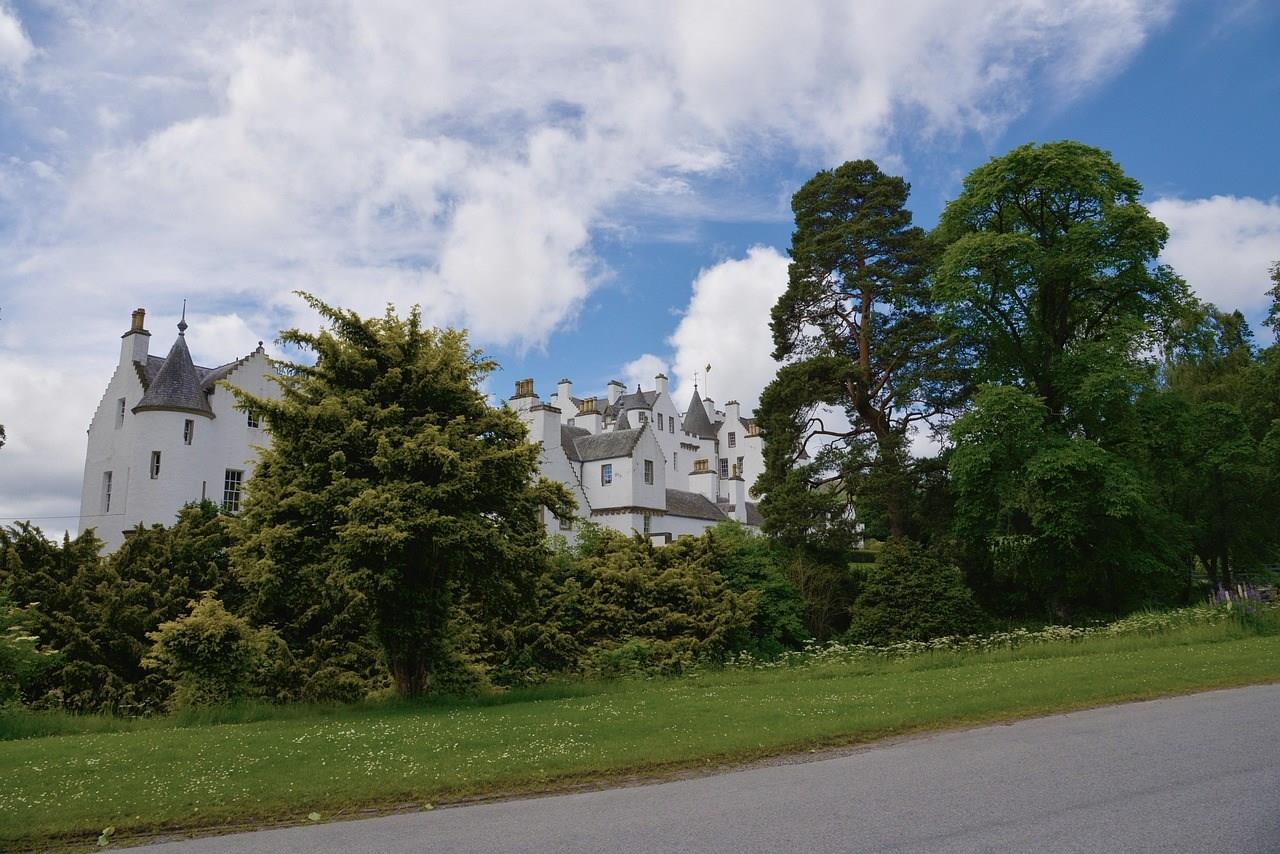
Blair Atholl
Blair Atholl, a village in the heart of Highland Perthshire, Scotland, is best known as the home of Blair Castle, a striking white-walled fortress that has stood for over seven centuries.