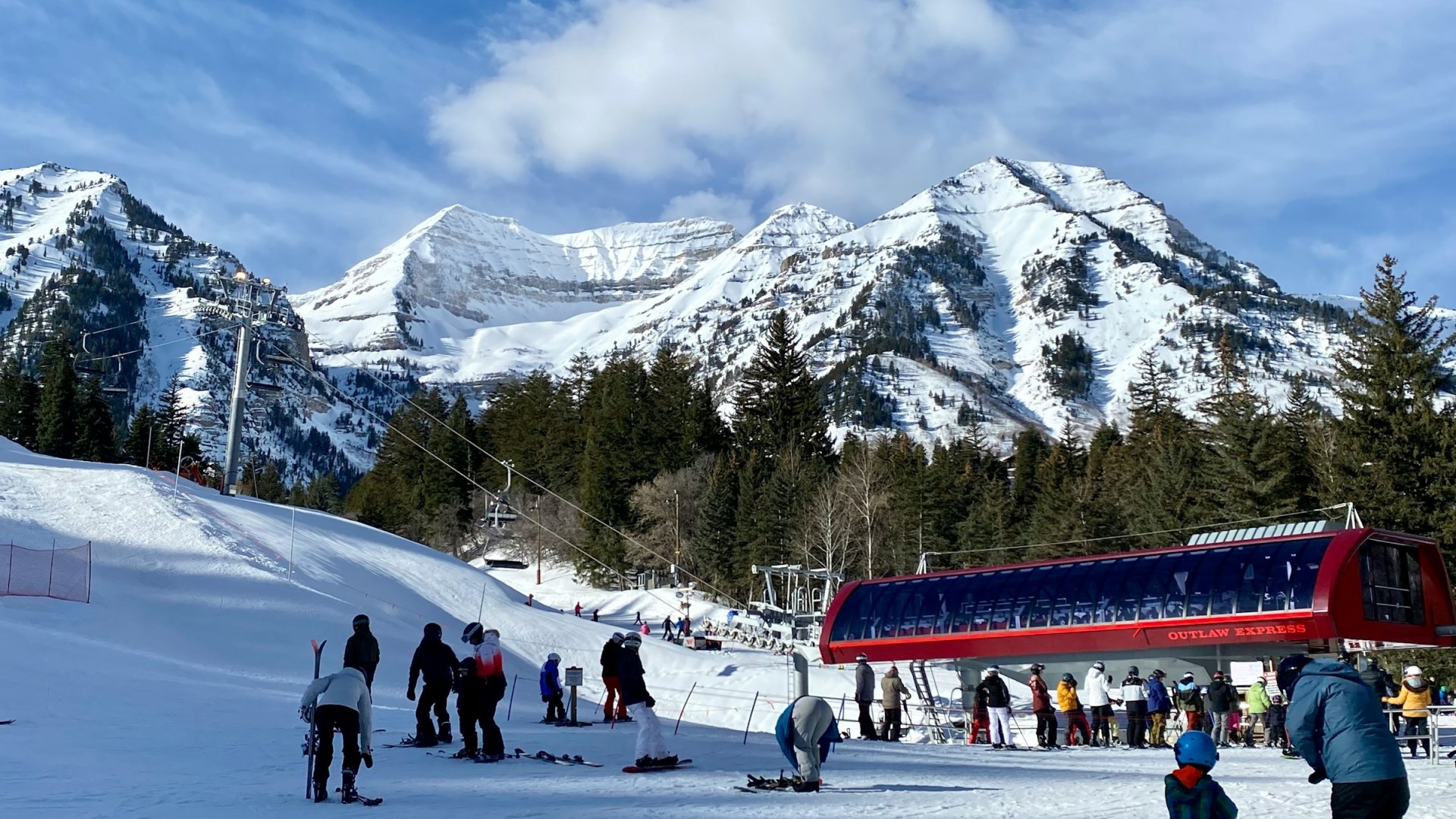
Palermo, Sicily
Palermo, the vibrant capital of Sicily, Italy, is a city where history, culture, and gastronomy converge in a kaleidoscope of experiences. A walk through Palermo is like stepping into a living museum, where Byzantine, Arab, Norman, and Baroque influences blend seamlessly. The Palermo Cathedral, a masterpiece of architectural evolution, showcases a mix of styles from its Norman origins to later Baroque and Neoclassical elements.

Cook Islands
The Cook Islands, a group of 15 islands scattered across the South Pacific, offer a rare blend of Polynesian tradition and laid-back island charm. Rarotonga, the largest and most visited island, is ringed by a turquoise lagoon and backed by lush mountains. Visitors can circle the entire island in under an hour, stopping along the way for fresh coconut, beachside cafés, or a quick swim in the clear lagoon.

Malta
Malta is a Mediterranean gem known for its warm climate, stunning coastline and vibrant culture. Whether wandering through its historic cities, relaxing by the sea, or discovering its unique traditions, visitors will find endless reasons to explore this island nation.
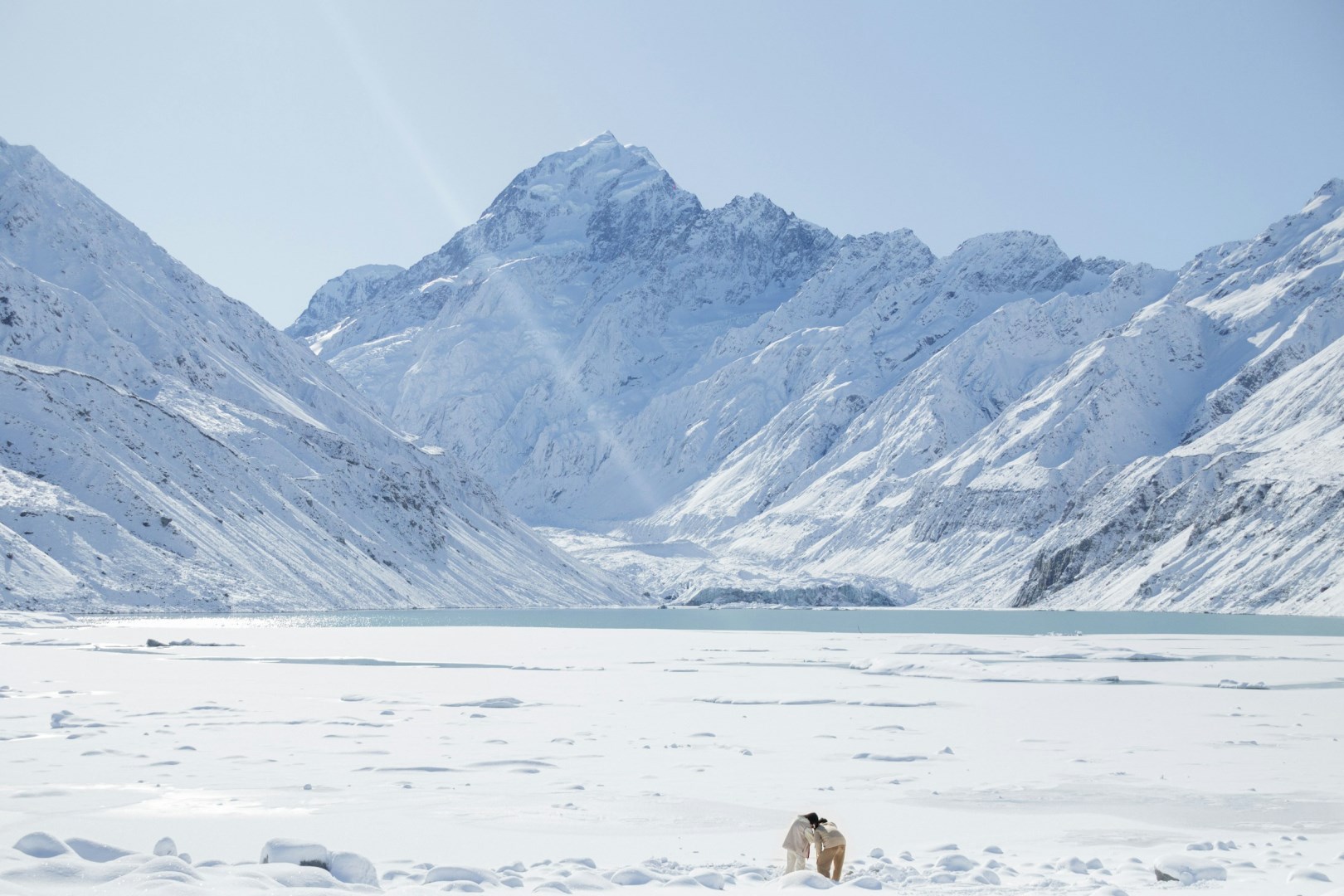
Mt. Cook National Park
Aoraki / Mount Cook, New Zealand's highest mountain, and the eponymous park that surrounds it, are popular with South Island tourists, especially mountaineers and other adventurers. The only way in or out is State highway 80, which also happens to be one of the country's most scenic roads.
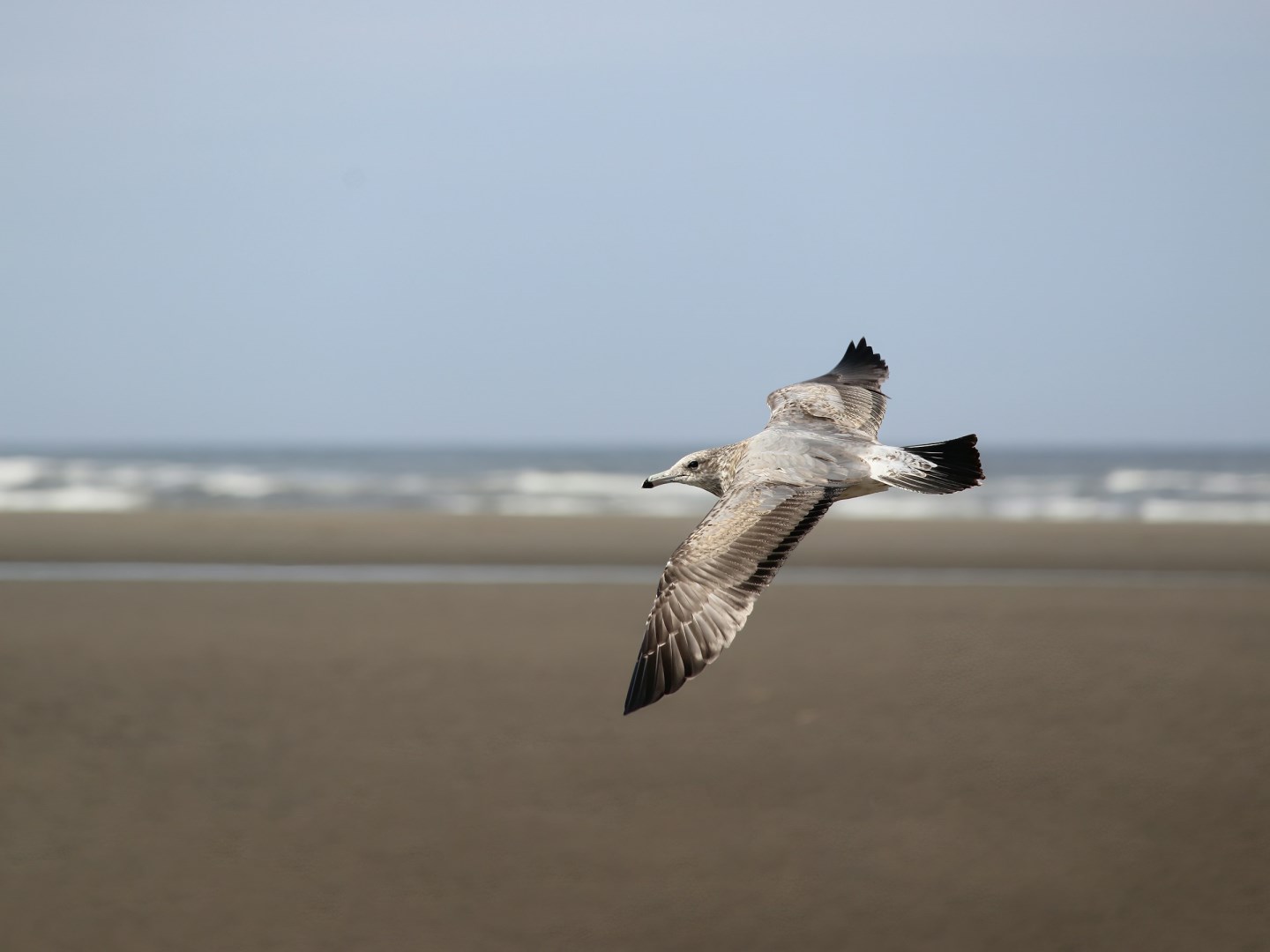
Seaside
Seaside is a coastal city on Oregon’s northern Pacific shore, set between the ocean, the Necanicum River, and the wooded foothills of the Coast Range. Its broad sandy beach and compact oceanfront district have made it one of the state’s best-known coastal communities. The Promenade, a paved oceanfront walkway, follows the beach through the center of town and provides access to shops, restaurants, and public spaces.