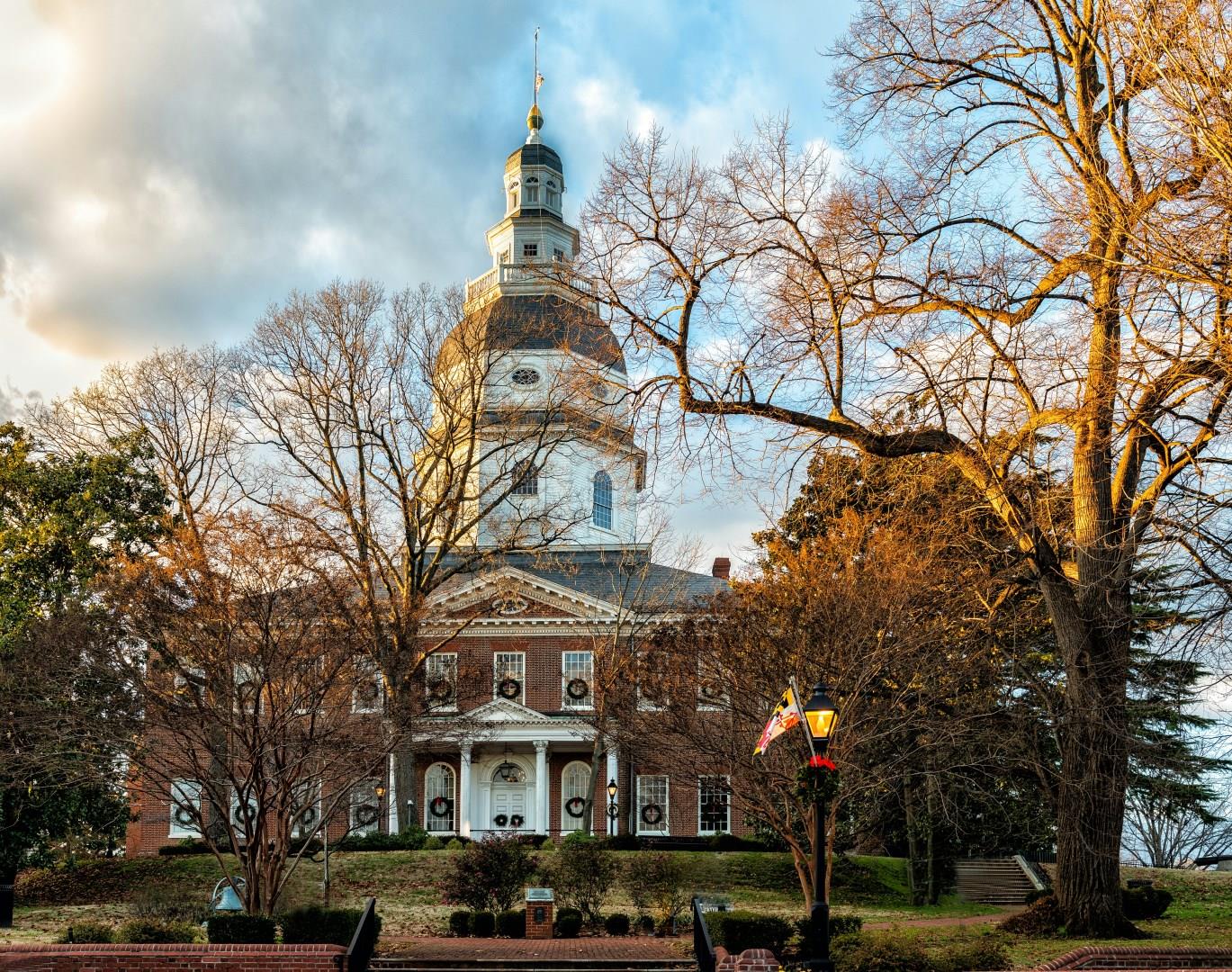
Annapolis
Annapolis may be best known as the state capital, but its real charm lies in its deep maritime history, walkable streets, and Chesapeake Bay lifestyle. Founded in 1649, Annapolis served as the temporary capital of the United States in 1783 and is still home to the oldest state house in continuous legislative use. A visit to the Maryland State House, where George Washington famously resigned his military commission, offers a direct link to the early days of American democracy.
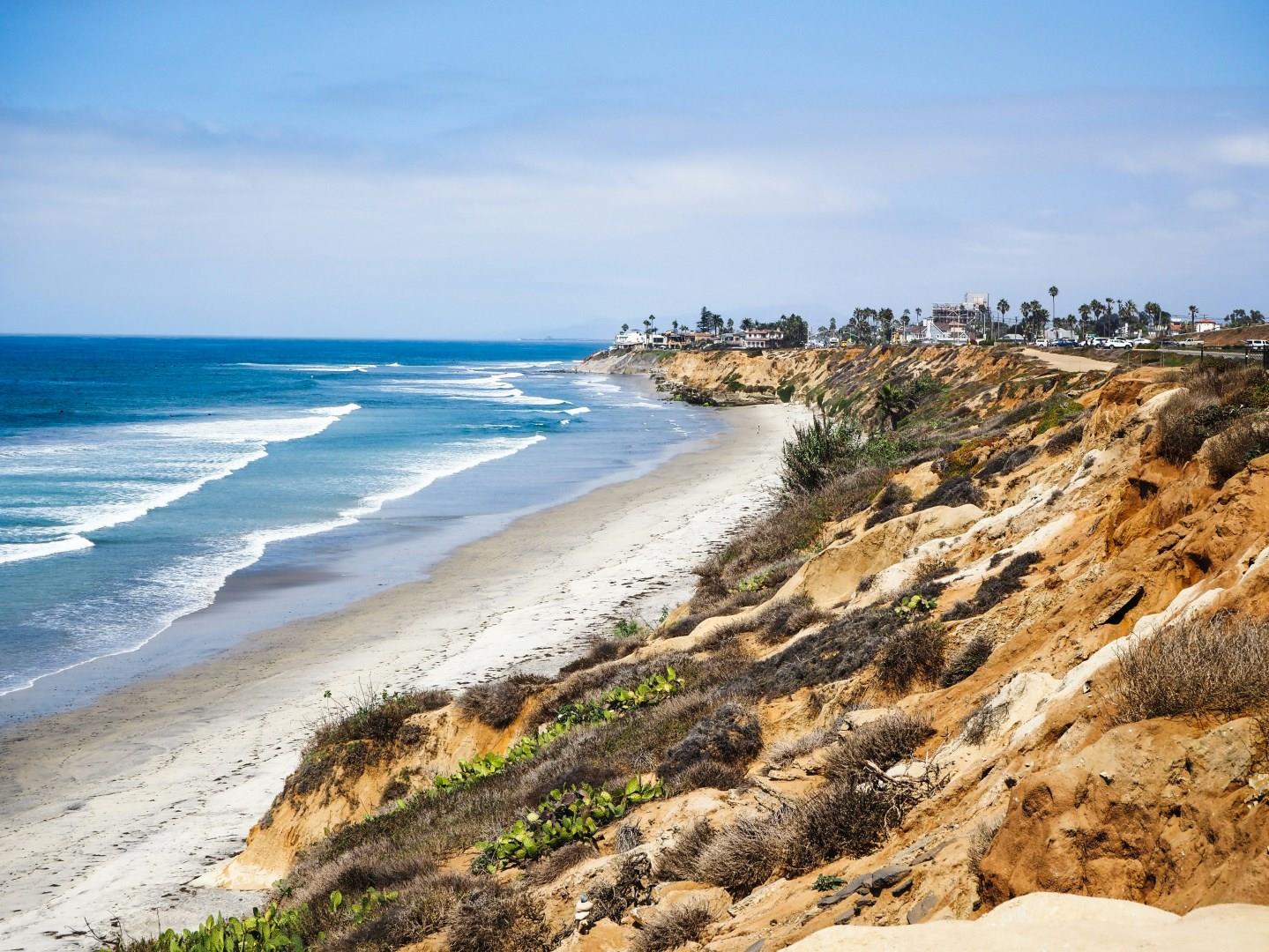
Carlsbad
Carlsbad, California, a coastal gem located between San Diego and Los Angeles, offers visitors a unique mix of stunning beaches, family-friendly attractions, and natural beauty. The city is best known for its beautiful Carlsbad State Beach, where surfers, sunbathers, and swimmers flock year-round to enjoy Southern California’s idyllic weather and shimmering Pacific waters.

Stone Town
As a UNESCO World Heritage site, Stone Town boasts narrow, winding streets lined with towering stone buildings adorned with beautifully carved wooden doors, reflecting its rich history as a major trading hub.
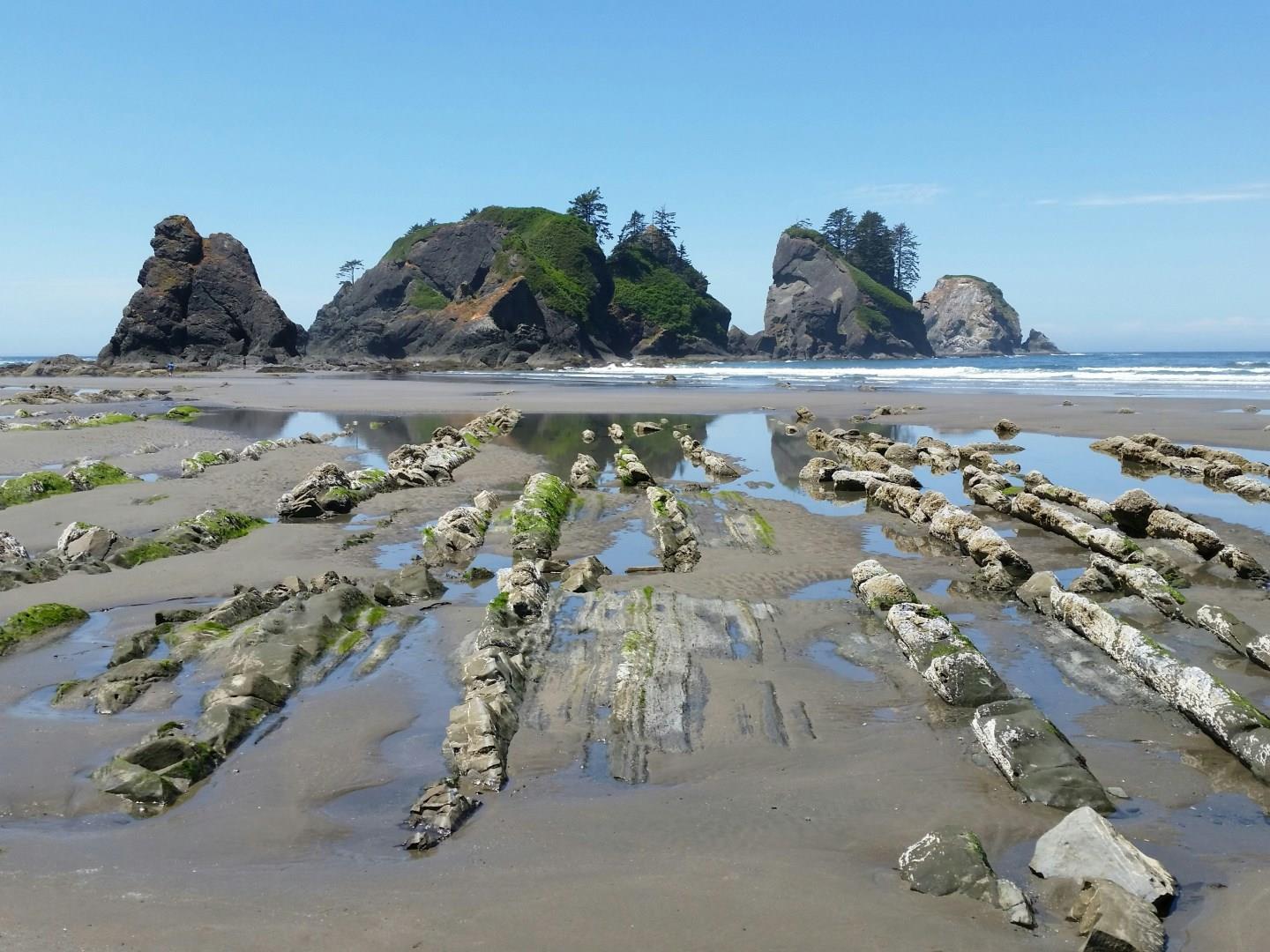
Olympic Peninsula
The Olympic Peninsula occupies the far northwest corner of Washington State, where mountains, rainforest, and coastline meet within a relatively compact area.
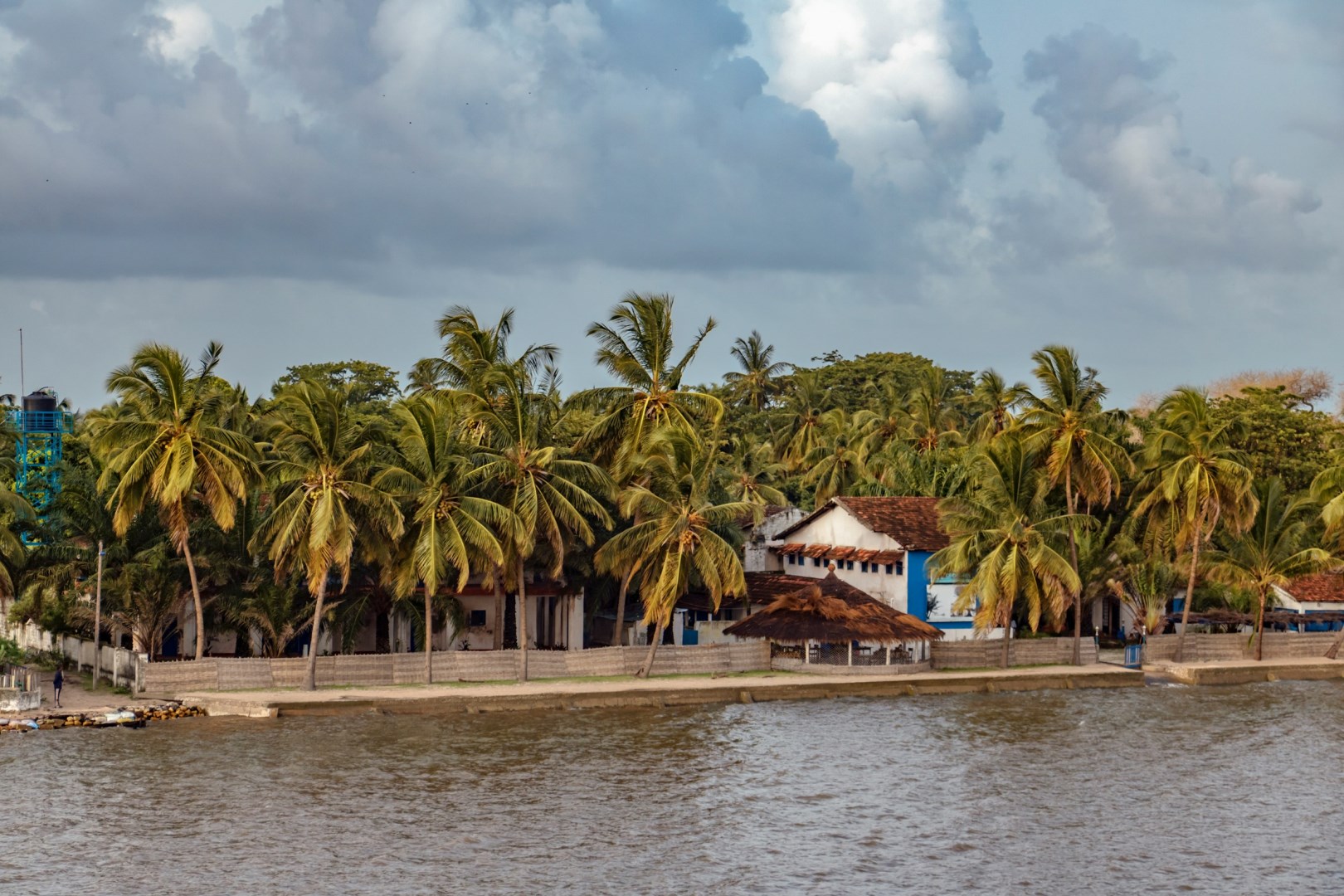
Ziguinchor
Ziguinchor is the regional capital of Casamance in southern Senegal, situated along the Casamance River in a landscape of waterways, mangroves, palm groves, rice fields, and wooded areas. Its riverfront setting gives the city a character that differs from the drier regions farther north. Ziguinchor is an important commercial and transport center for Casamance, with connections by road and river to communities throughout the region.