Belle Île
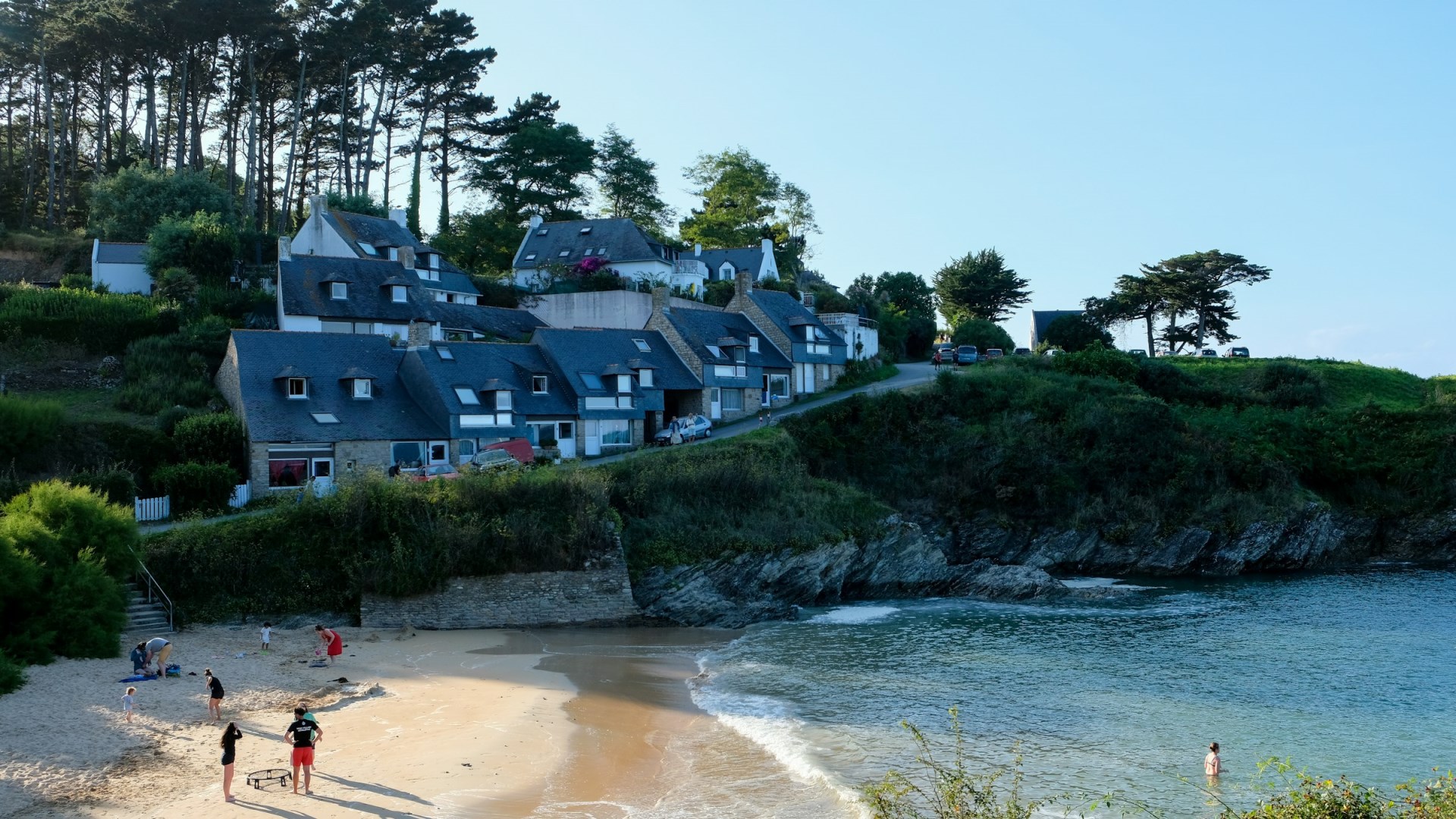
Belle Ile is a stunning display of color. The charm of this island lies in the variety of its scenery; cliffs, coves, woods, brooks, long sandy beaches and fields.
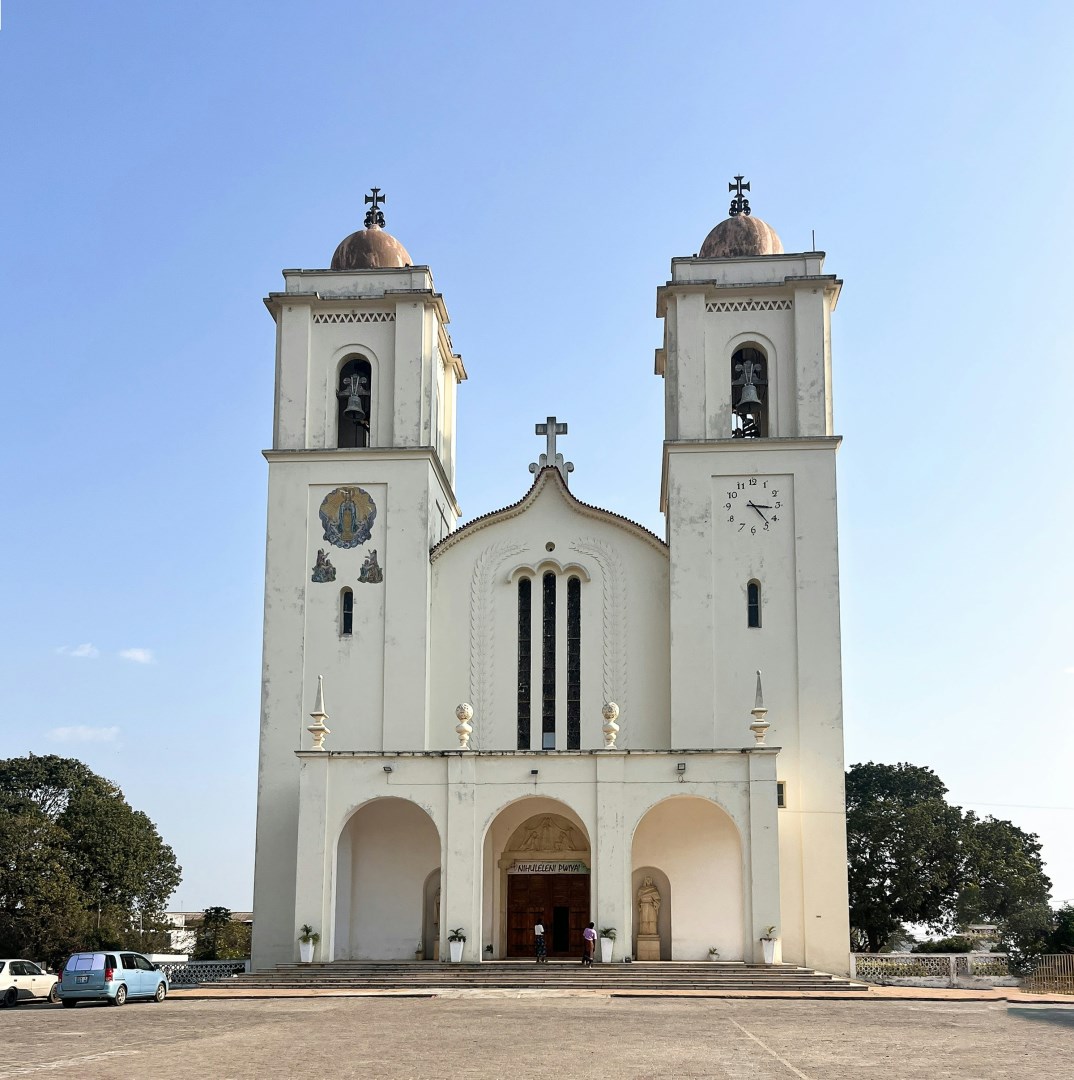
Nampula
Nampula is the largest city in northern Mozambique and the capital of Nampula Province. Set inland on a plateau, it is surrounded by rounded granite hills and distinctive rocky outcrops that rise above the surrounding farmland.
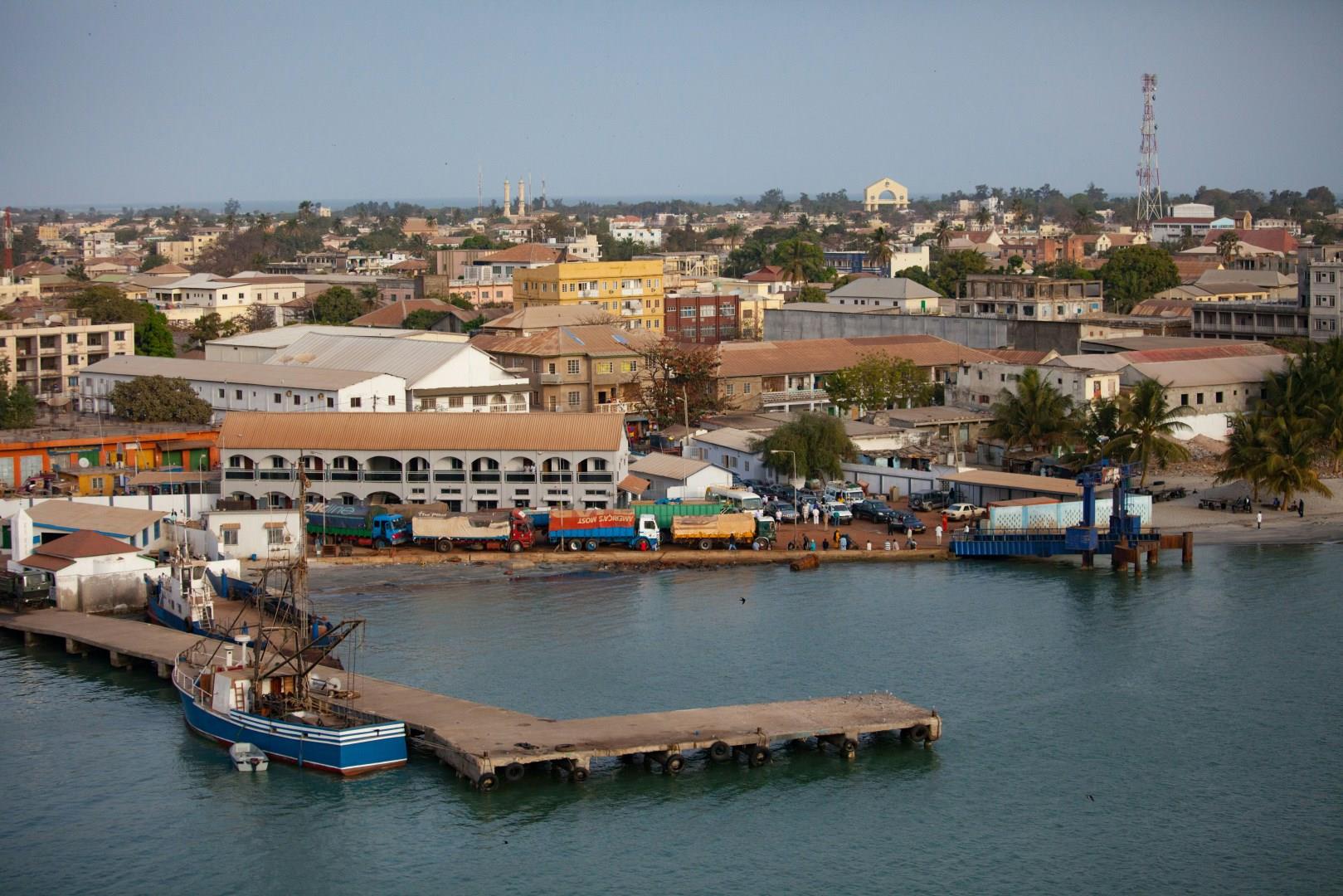
Banjul
Banjul, the capital of The Gambia, is located on St. Mary’s Island at the mouth of the Gambia River, giving it a unique waterfront setting.
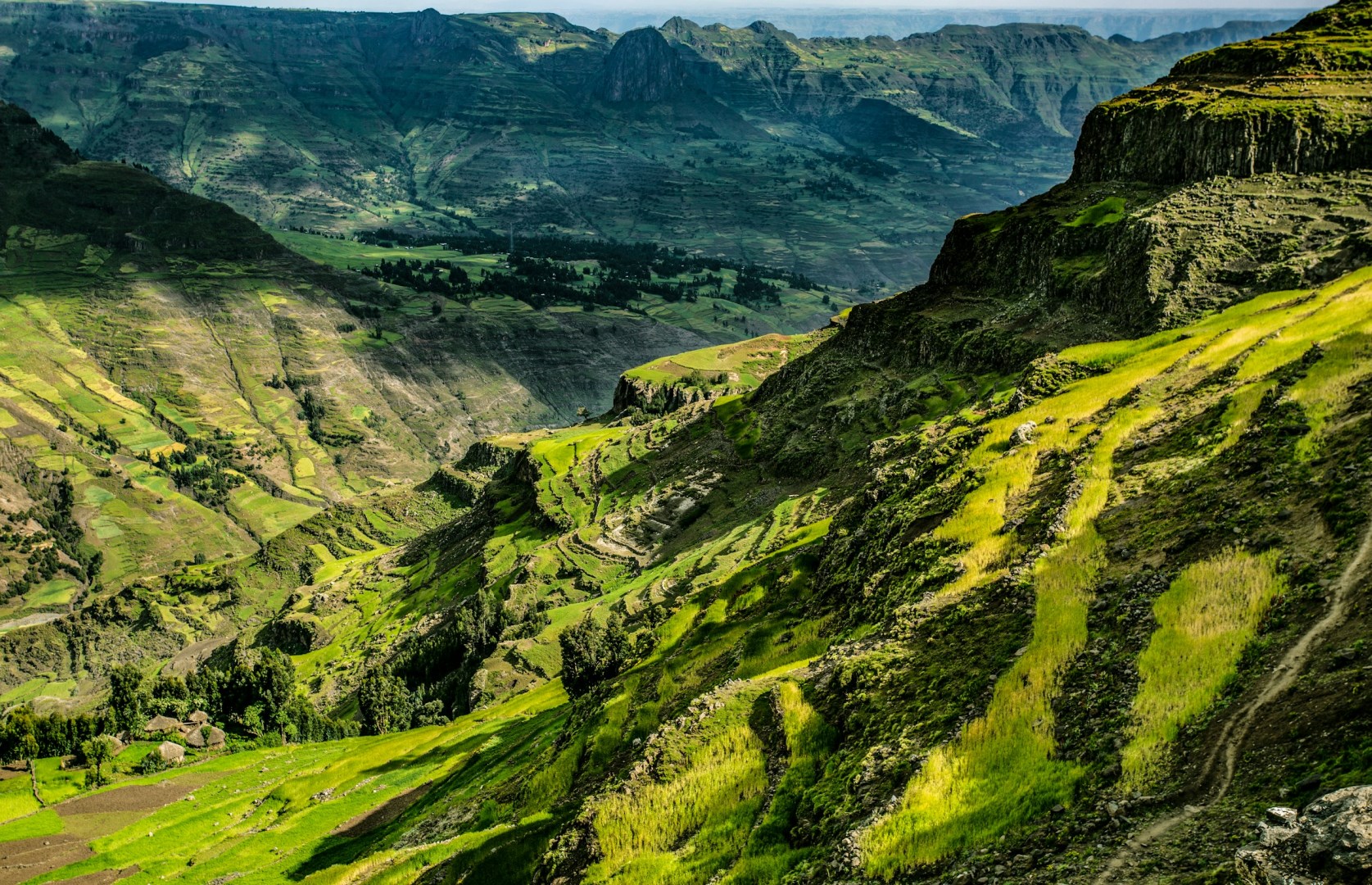
Ethiopia
From the rugged highlands and volcanic plateaus to the lowland deserts and the Great Rift Valley, Ethiopia's terrain is as varied as it is dramatic.
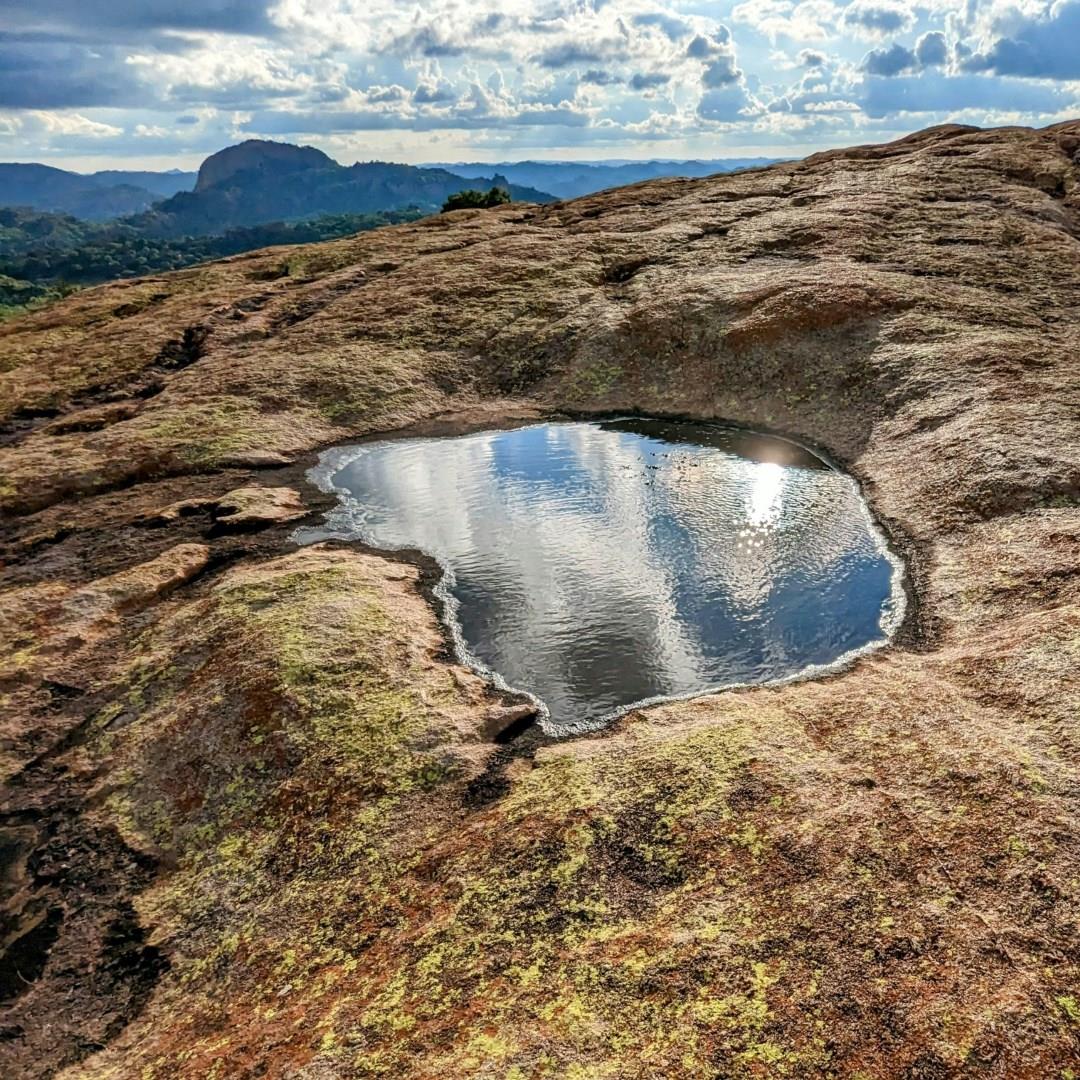
Matobo National Park
Matobo National Park sits in the rolling hills of southern Zimbabwe stands as one of the country’s most remarkable landscapes. Its granite domes, balancing rocks and wooded valleys have formed over more than two billion years, creating a setting that feels both ancient and alive. As a UNESCO World Heritage cultural site, the park preserves a landscape that has shaped human life here for millennia, drawing travelers to explore its unusual terrain and storied past.