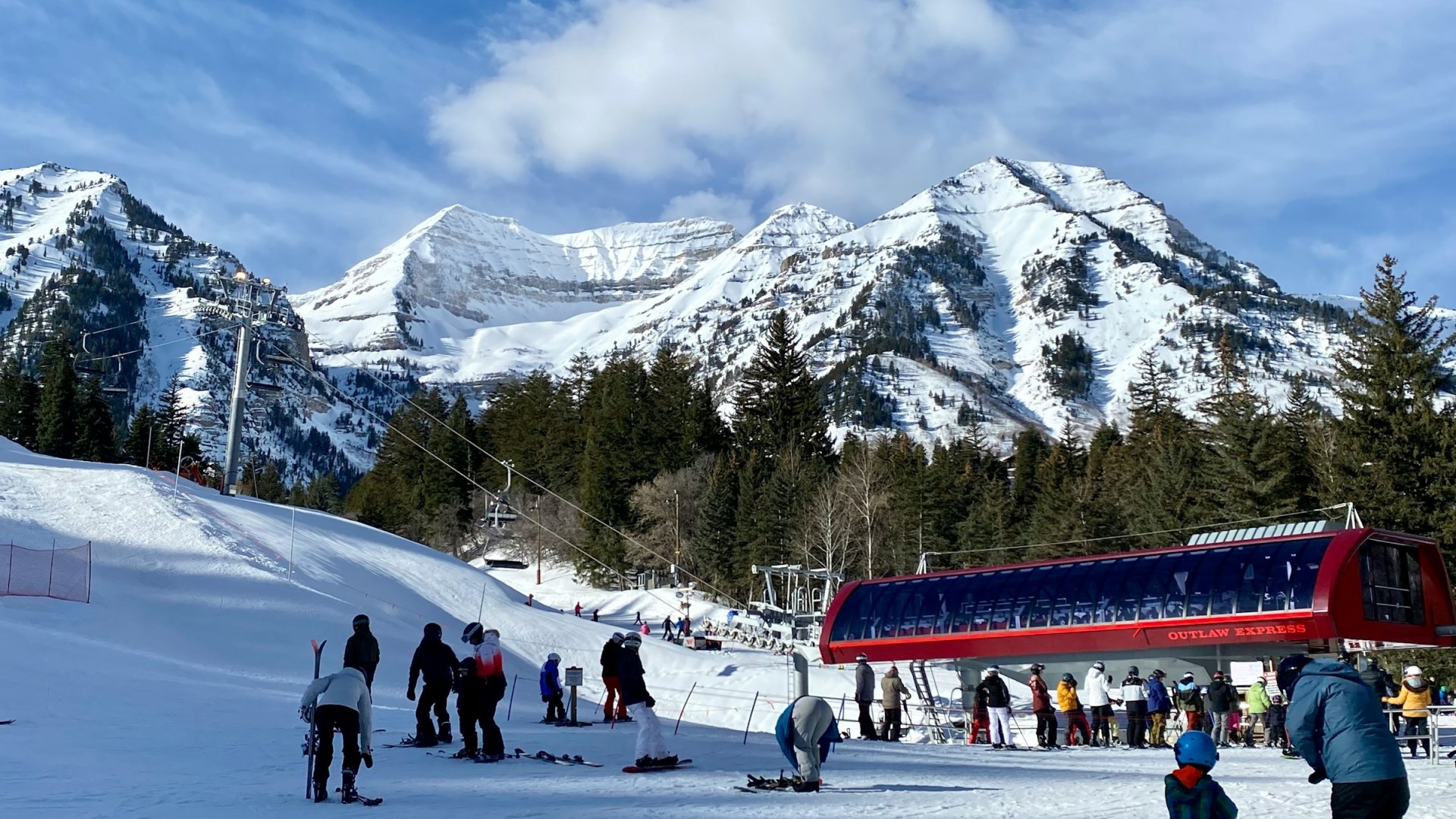
Galveston
Galveston, Texas, a charming island city along the Gulf Coast, is a delightful blend of history, culture, and seaside leisure. Known for its Victorian architecture and sun-soaked beaches, Galveston offers a rich array of experiences for visitors. The Historic Strand District, with its 19th-century buildings housing shops, galleries, and restaurants, takes visitors back in time to an era of bustling port trade and grand social affairs.
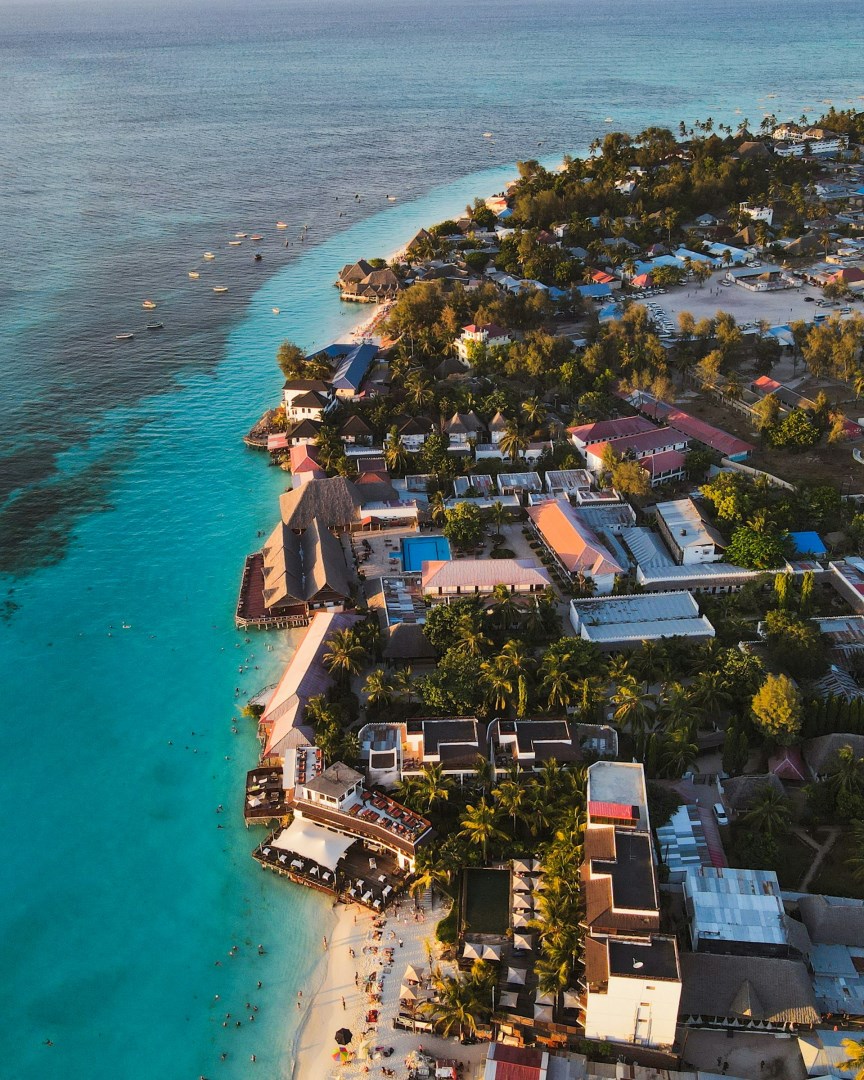
Nungwi
Nungwi is a coastal village at the northern tip of Zanzibar, facing the Indian Ocean on a peninsula known for sandy beaches, shallow lagoons, and clear tropical waters. It developed from a traditional fishing and dhow-building community into one of northern Zanzibar’s main tourism centres, while retaining working boatyards and local residential areas.
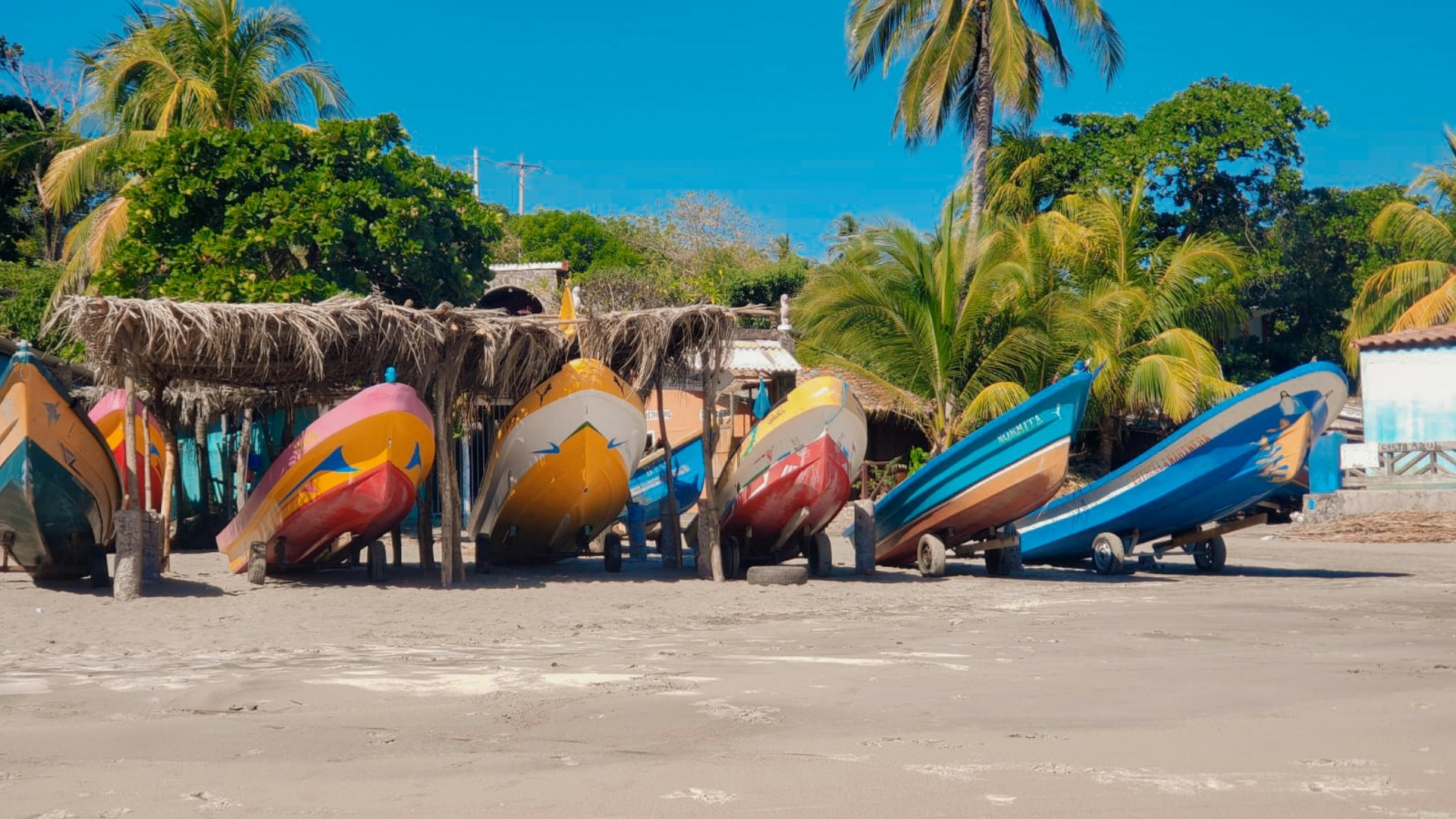
El Cuco
El Cuco is a small coastal community in the department of San Miguel, on El Salvador's eastern Pacific coast. It is known for its long sandy beach, volcanic black sand, warm waters, and setting between the Pacific Ocean and the forested foothills of the Sierra Tecapa-Chinameca range. The area is less urbanized than the country's larger coastal centers, with small hotels, restaurants, guesthouses, and fishing businesses spread around the shoreline.
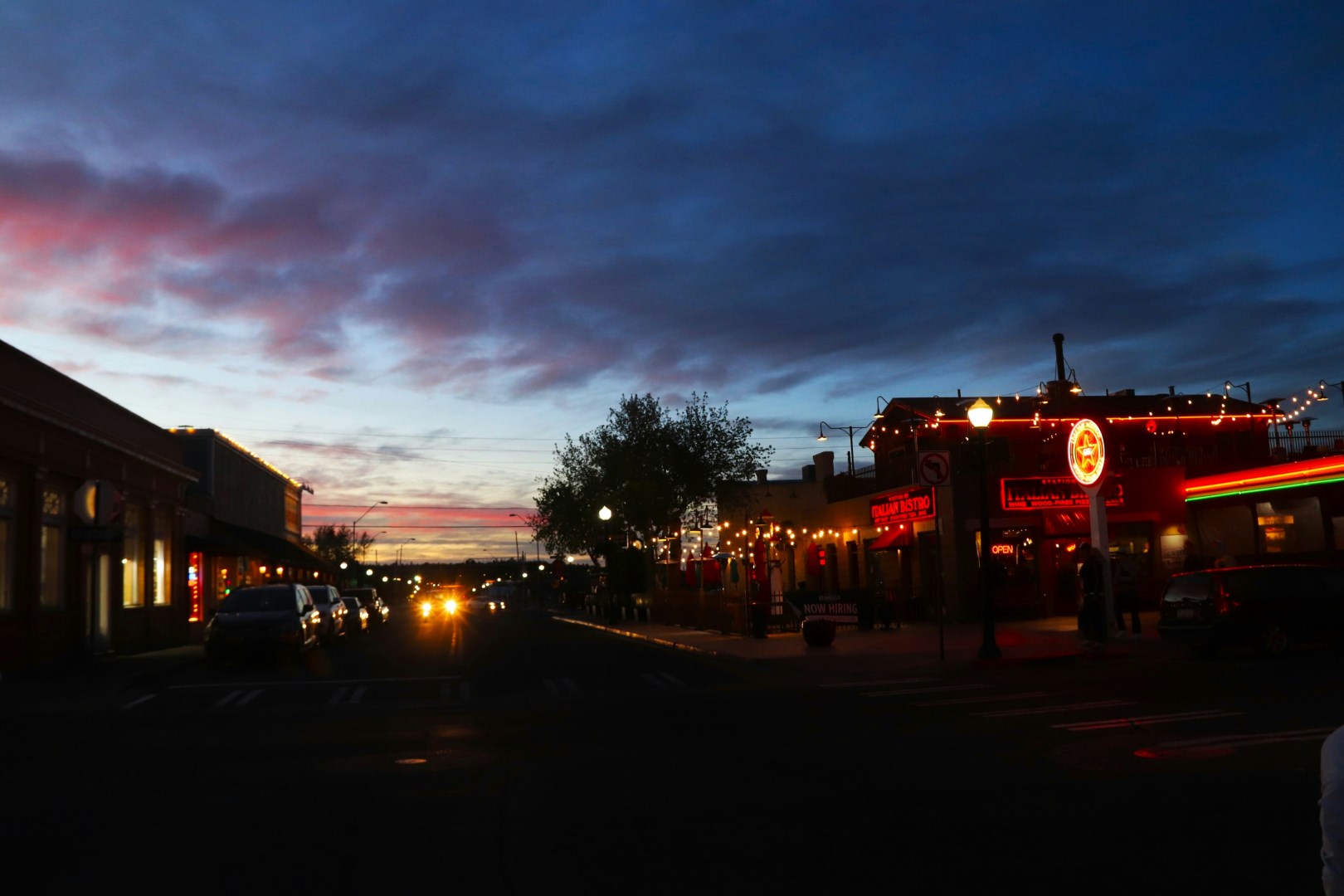
Williams
Williams is a small city in northern Arizona, located along historic Route 66 and near the edge of the Kaibab National Forest. It is often known as the “Gateway to the Grand Canyon” due to its role as a departure point for the Grand Canyon Railway.
Lower Zambezi National Park
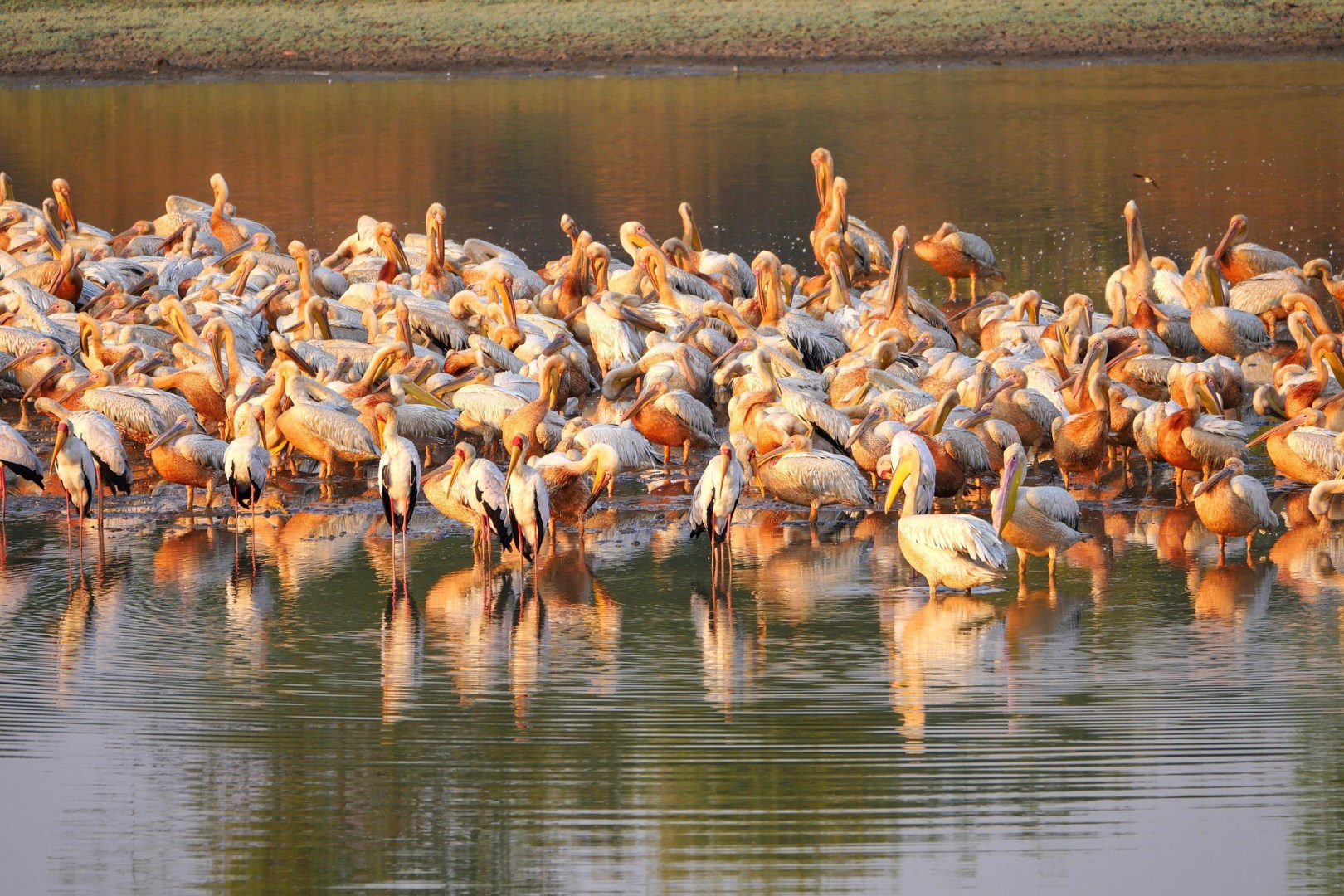
Lower Zambezi National Park is a protected area in eastern Zambia, lying along the northern bank of the Zambezi River opposite Zimbabwe’s Mana Pools. The park covers a broad area of woodland, open grassland, riverine forest, lagoons, and seasonal floodplains. The Zambezi is central to the landscape, providing water for wildlife and shaping habitats along the park’s southern boundary.