Karnak
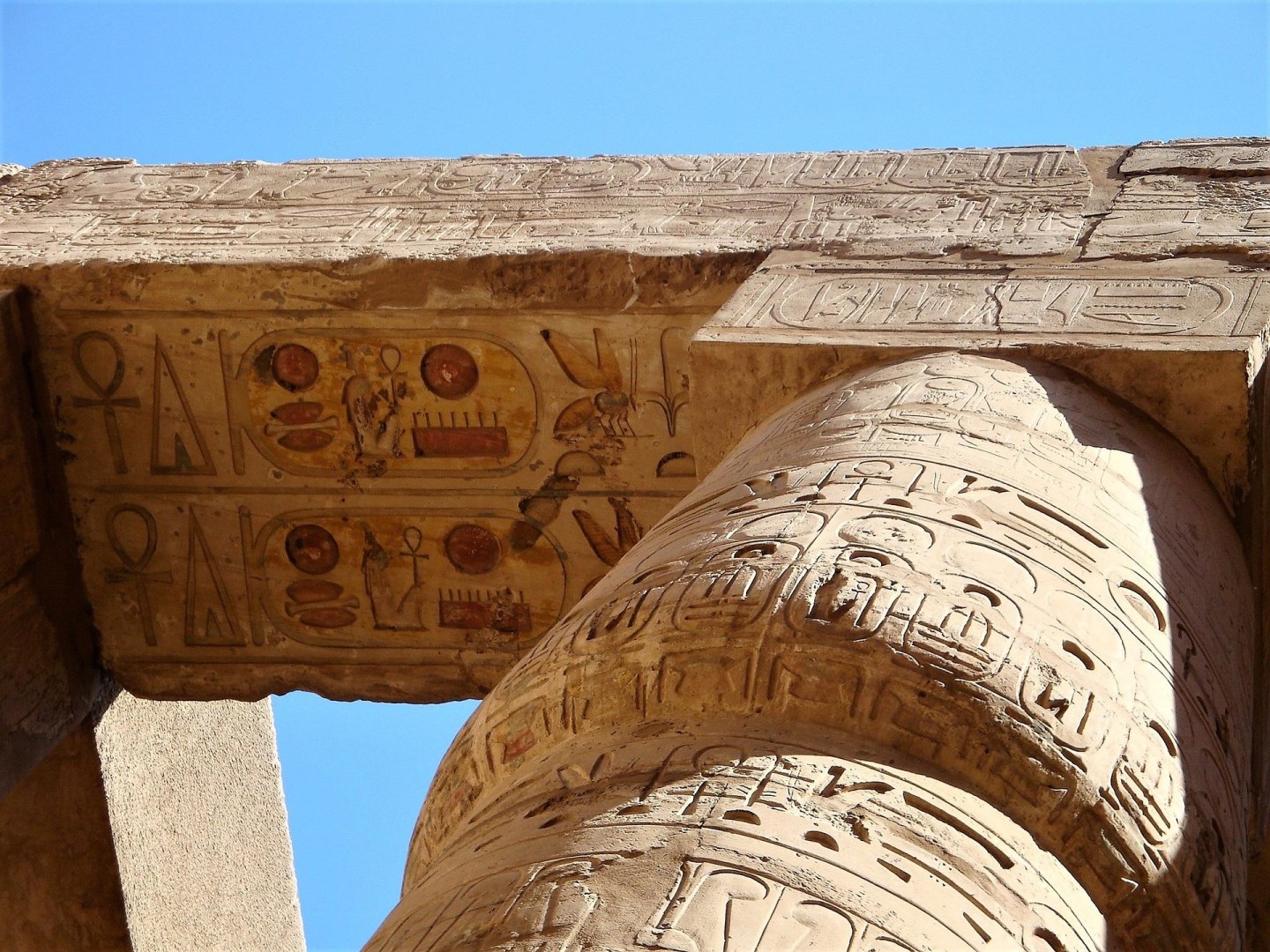
Karnak Temple is a huge, open air complex and, after the Giza Pyramids, the second most visited historical place in Egypt. The largest religious building ever constructed, it sits on 200 acres—a true wonder of the world. Decayed pylons, chapels and temples make up this unmissable historical attraction near Luxor.
Otjiwarongo
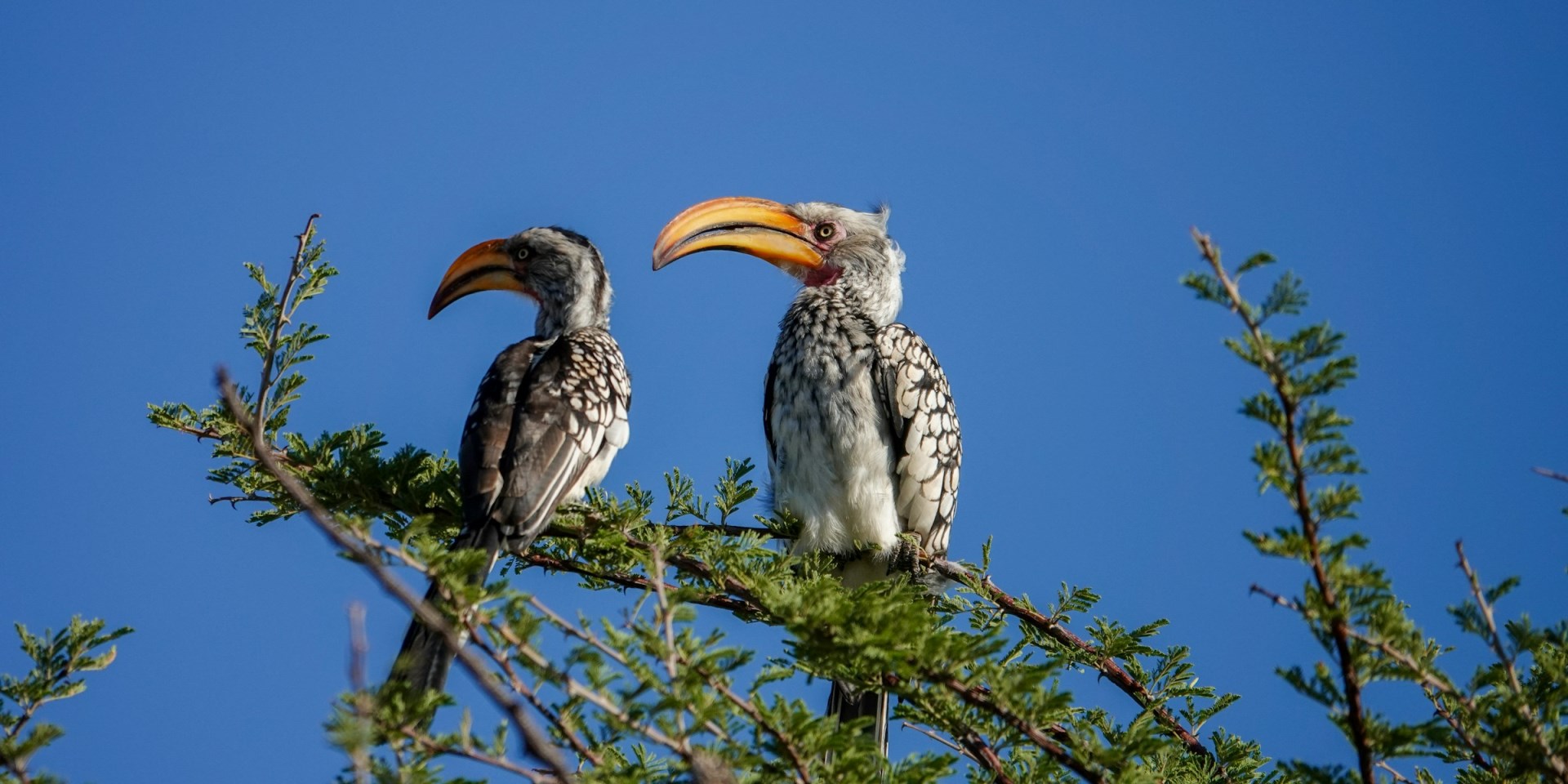
Nestled in the heart of Namibia, Otjiwarongo offers a unique blend of natural beauty and cultural charm. As a gateway to the country's northern wildlife reserves, this vibrant city serves as an ideal base for exploring nearby attractions. The city is renowned for its proximity to the Cheetah Conservation Fund (CCF), a world-leading organization dedicated to the protection of these magnificent creatures.
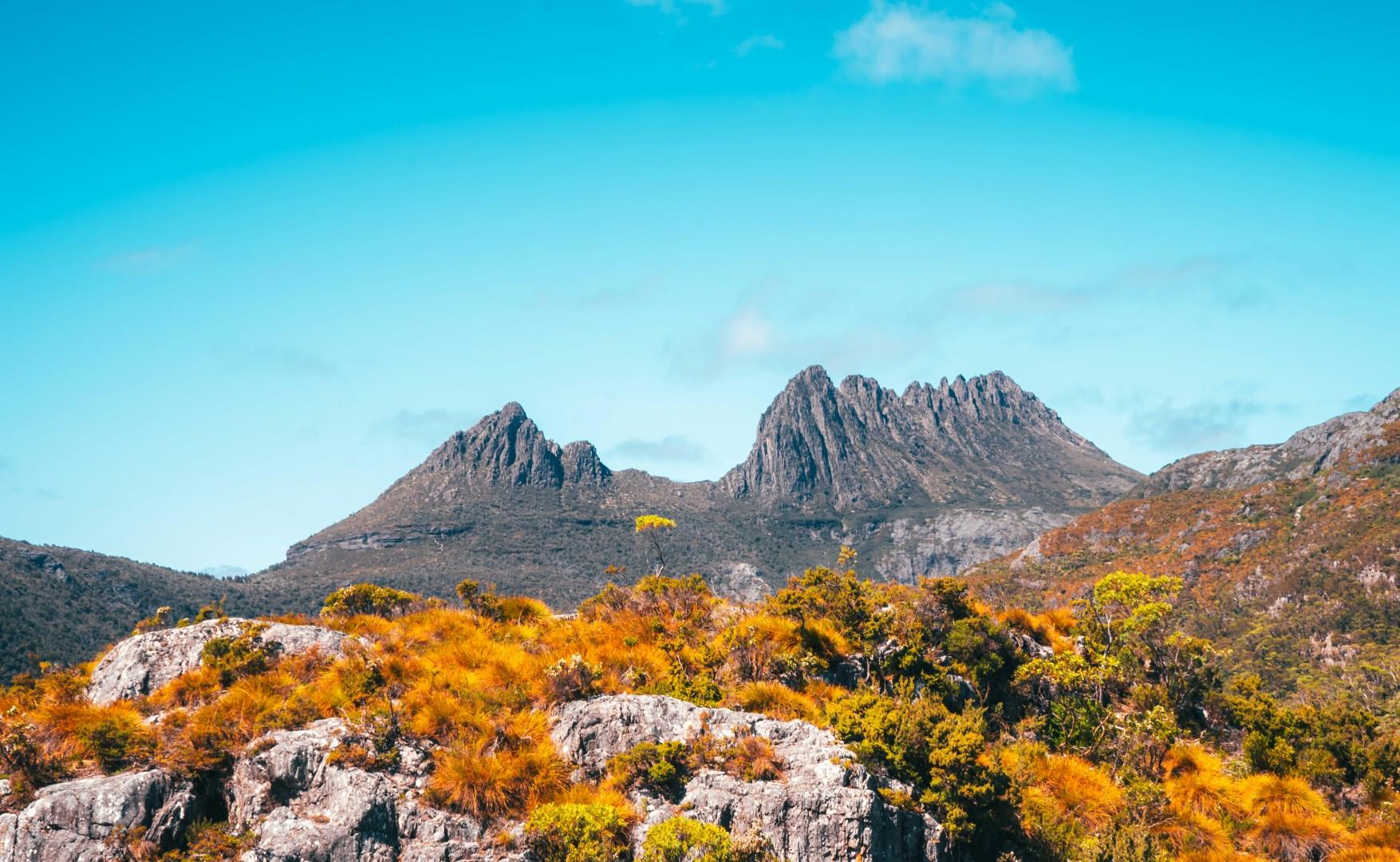
Cradle Mountain Tasmania
Cradle Mountain, located within the Tasmanian Wilderness World Heritage Area, is one of Australia's most distinctive landscapes. Towering over Dove Lake, the craggy peak rises to 1,545 meters and is often dusted with snow, even in spring. The mountain and surrounding area are part of Cradle Mountain–Lake St Clair National Park, which was established in 1922 and has since become a cornerstone of Tasmania’s protected wildlands.
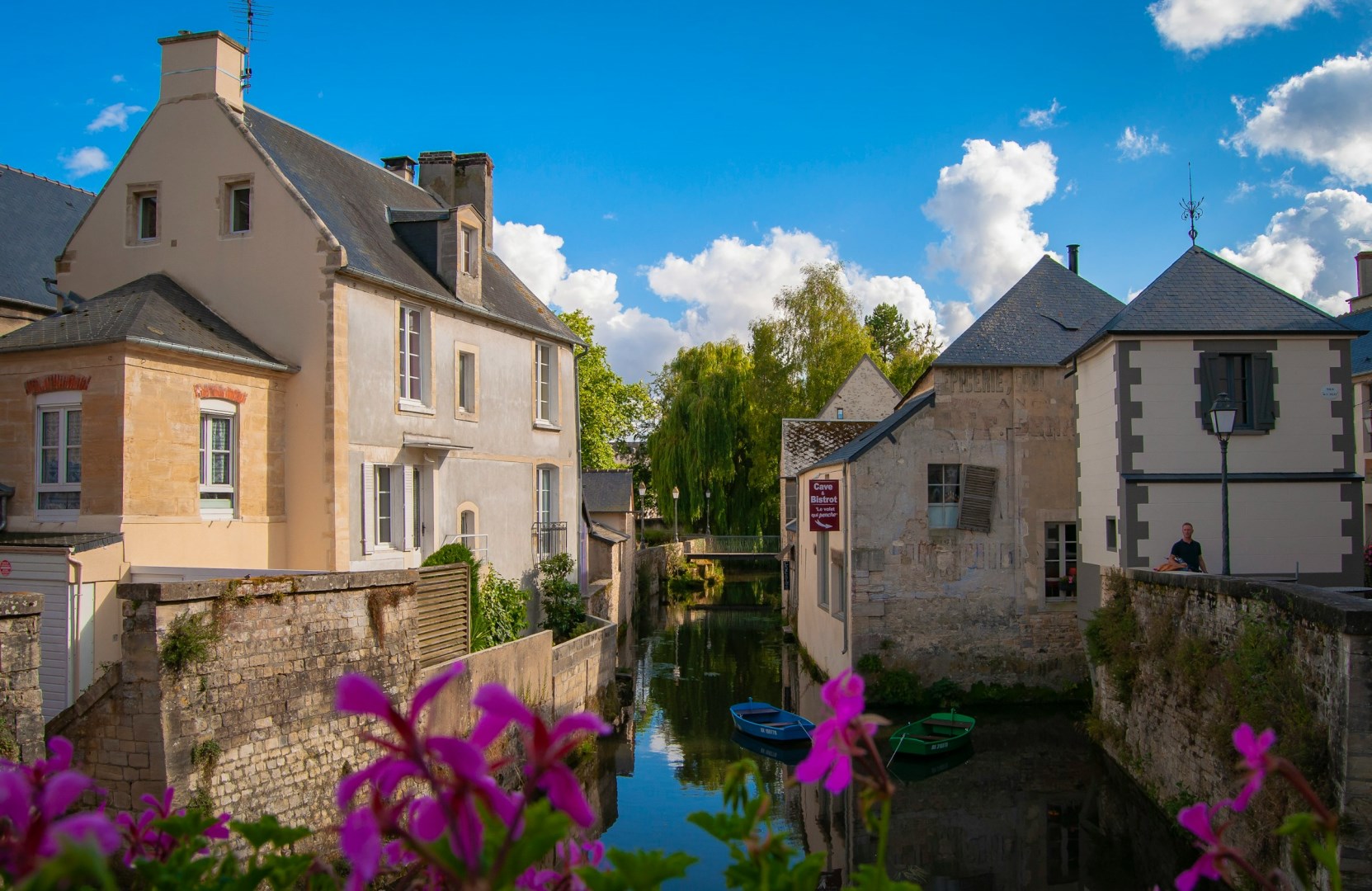
Bayeux
Bayeux is a historic town in Normandy, northern France, set near the Aure River and within easy reach of the Normandy coast. Its compact centre contains medieval streets, timber-framed houses, stone buildings, and gardens surrounding the imposing Bayeux Cathedral. The town is especially known for the Bayeux Tapestry, an extraordinary embroidered work that depicts the Norman Conquest of England and is displayed at the Musée de la Tapisserie de Bayeux.
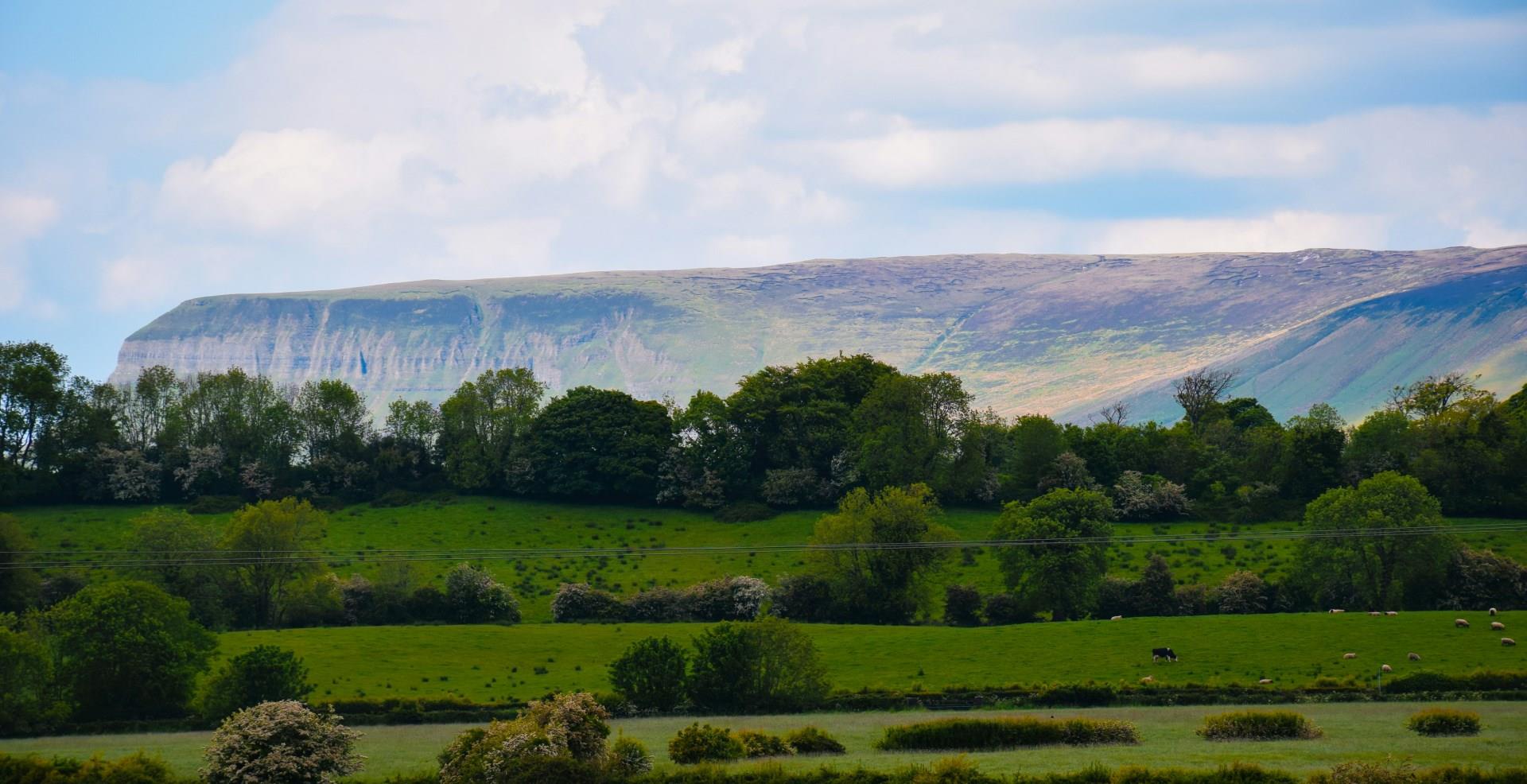
Sligo
Sligo, a coastal town in the northwest of Ireland, is known for its rugged landscapes, literary heritage, and vibrant cultural scene. Nestled between mountains and the Atlantic Ocean, it has long inspired poets and writers, most famously W.B. Yeats, whose presence still echoes through the town’s galleries, libraries, and walking trails. Sligo’s charm lies in its mix of natural beauty and creative energy, where the rugged countryside meets lively streets full of music and arts.