Wakayama
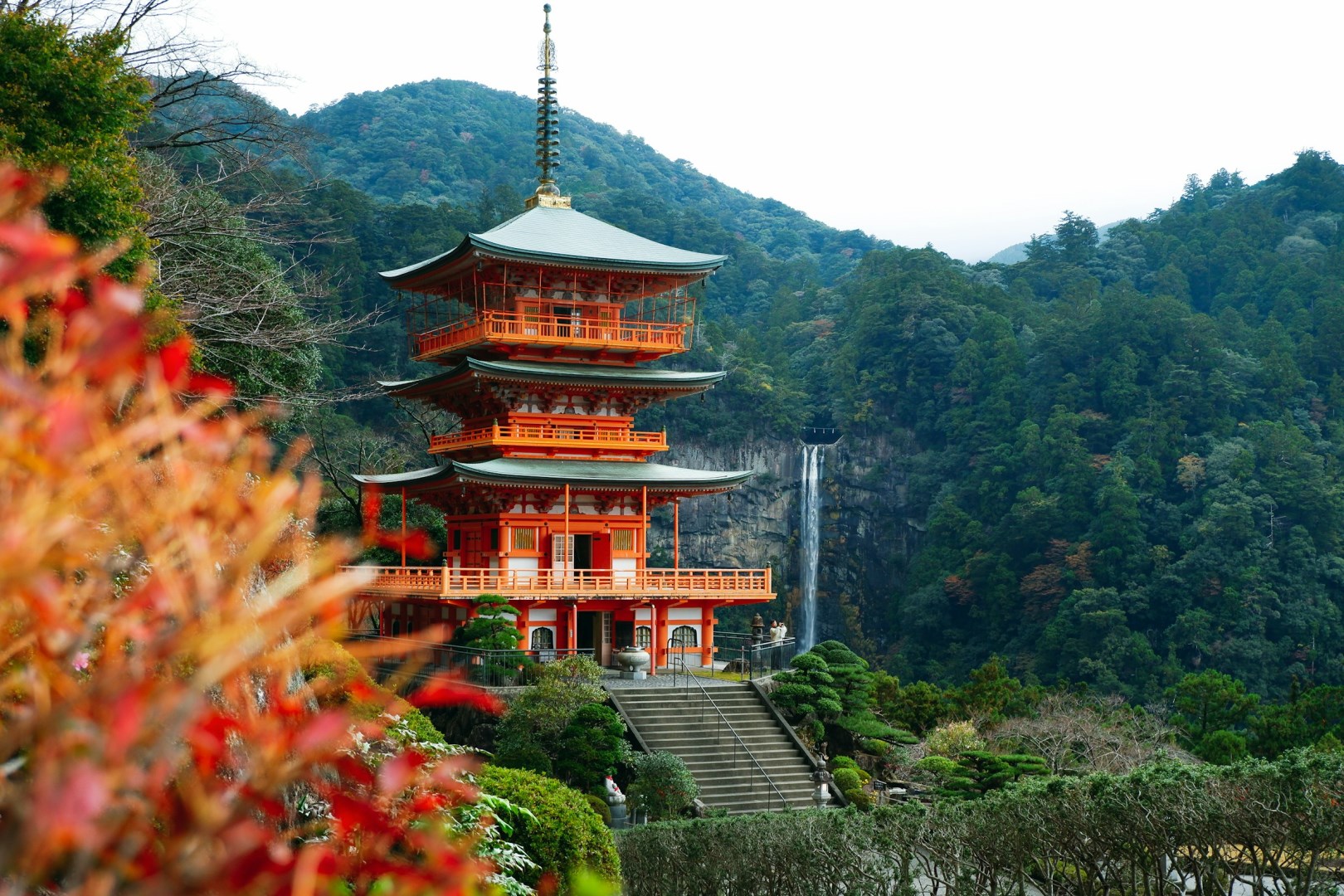
Wakayama is a coastal city in western Japan and the capital of Wakayama Prefecture, located on the Kii Peninsula beside Wakayama Bay. Its setting combines the sea with wooded hills and nearby mountain country, while the city itself has developed around a historic castle town. Wakayama Castle stands on Mount Torafusu near the city center, overlooking the surrounding streets, mountains, and Kii Channel.
Charlotte Bay
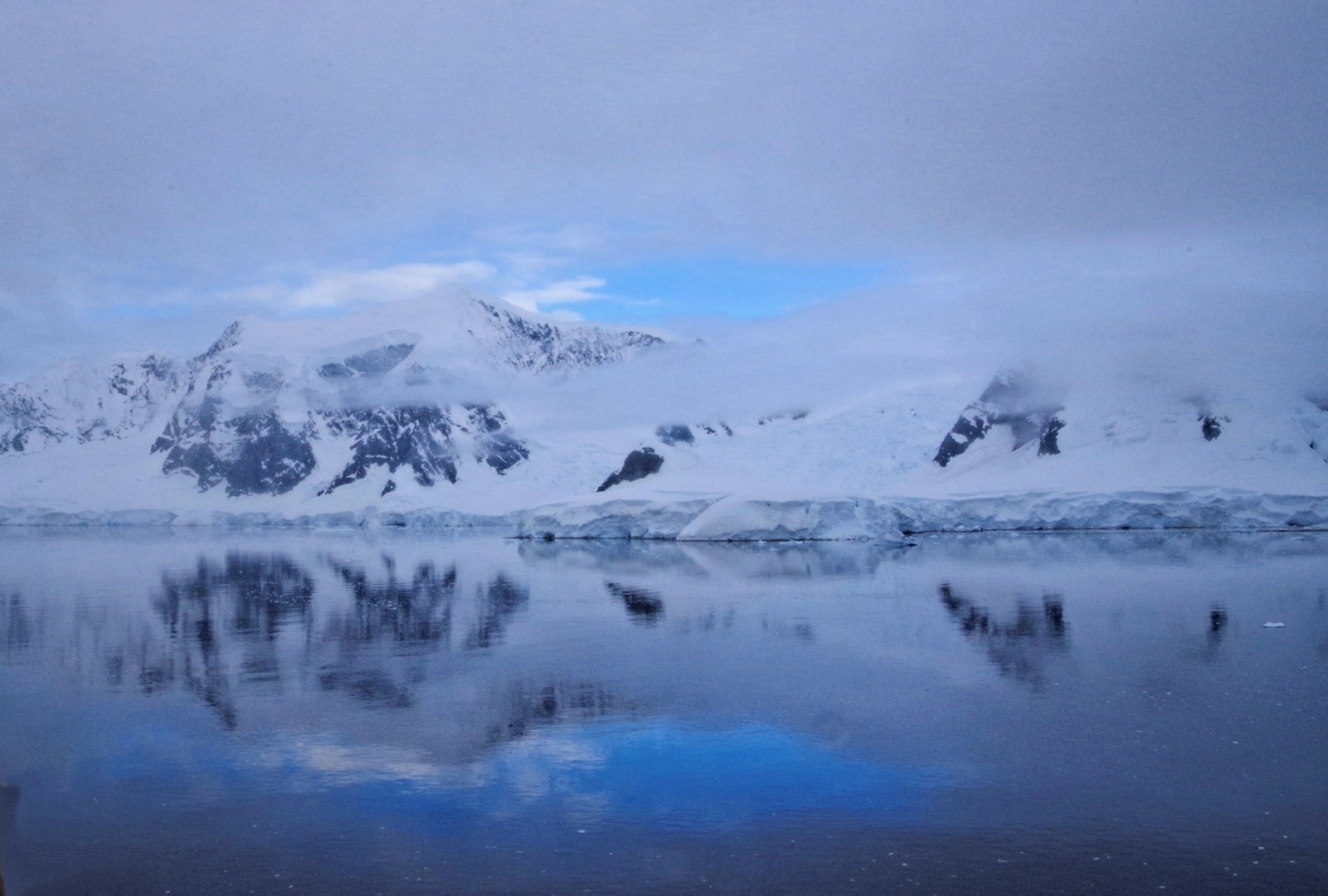
Charlotte Bay is best known for its combination of glacial scenery and marine wildlife. The surrounding mountains descend toward heavily glaciated coastlines, while the bay itself can contain floating sea ice and icebergs of varying sizes. Whales are regularly encountered in the waters of the Antarctic Peninsula, and seals may also be seen around ice and along the shoreline.

Punakha
Punakha sits in one of Bhutan’s most fertile valleys, cradled where the Mo Chhu and Pho Chhu rivers meet. For centuries it served as the kingdom’s capital and remains a place rich with stories woven through its fields, temples, and riverbanks. The city’s low elevation brings warmer weather than much of Bhutan’s highland regions, and rice paddies fill the landscape with vivid green during planting and golden hues at harvest.
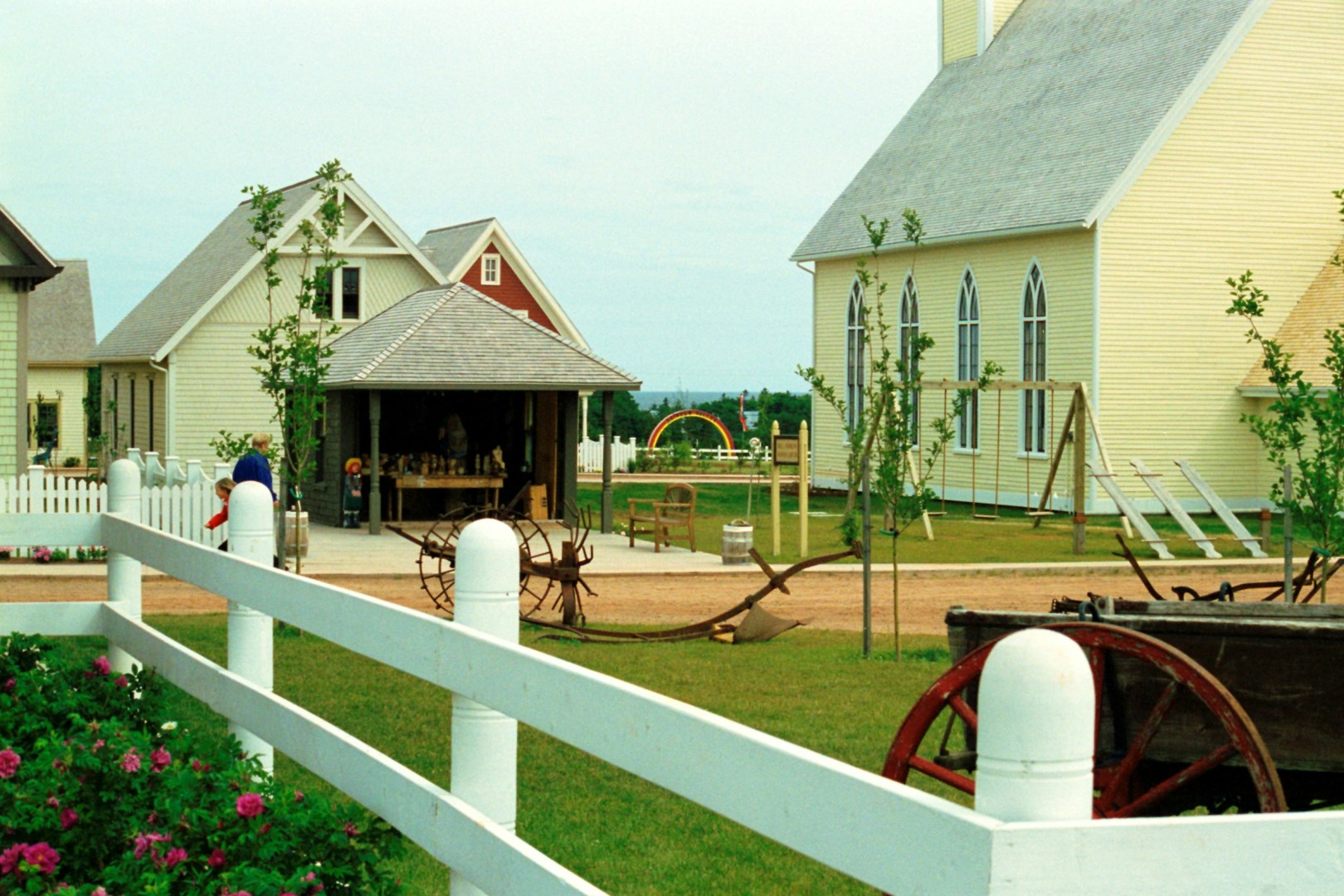
Avonlea Village
Avonlea Village is a seasonal attraction in Cavendish on Prince Edward Island's Green Gables Shore, created around the fictional community of Avonlea from Lucy Maud Montgomery's Anne of Green Gables. The village combines restored heritage buildings with purpose-built replicas of houses and shops inspired by the world of Anne Shirley.
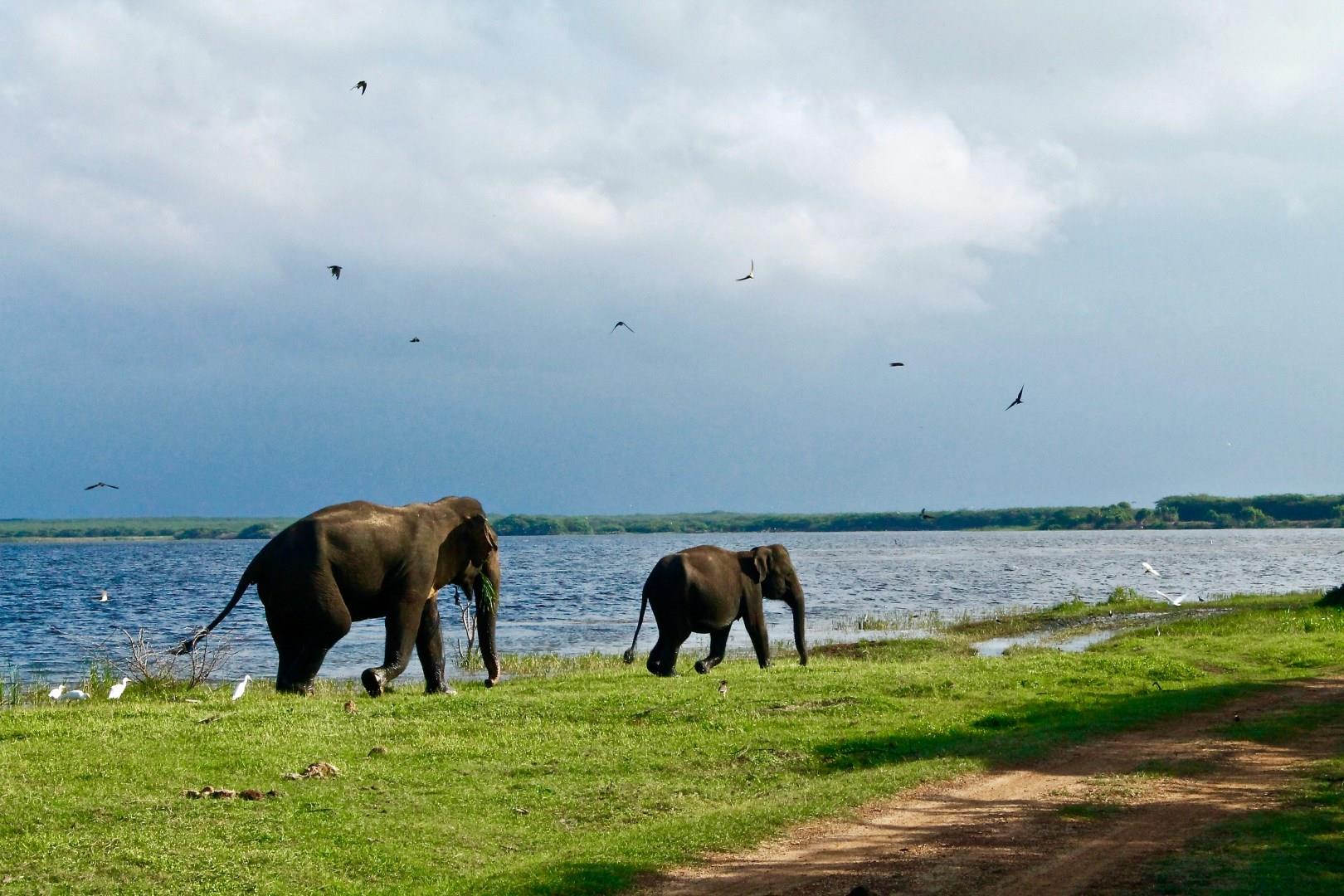
Tissamaharama
Tissamaharama, often called “Tissa” by seasoned travelers, sits in southern Sri Lanka as a town steeped in history and living culture. Once the capital of the ancient Ruhuna Kingdom in the 3rd century BCE, this settlement still radiates stories from the distant past in its temples, reservoirs, and even the streets where market life unfolds each day.