Haugesund
Haugesund, located on the southwestern coast of Norway, is known for its rich Viking heritage and natural landscapes. The town's maritime history is celebrated at the Nordvegen History Centre, where you can learn about the Viking kings who once ruled the area. Nature enthusiasts will appreciate the proximity to the Folgefonna Glacier, where they can enjoy guided glacier hikes and breathtaking views of the surrounding fjords.
Lavrio
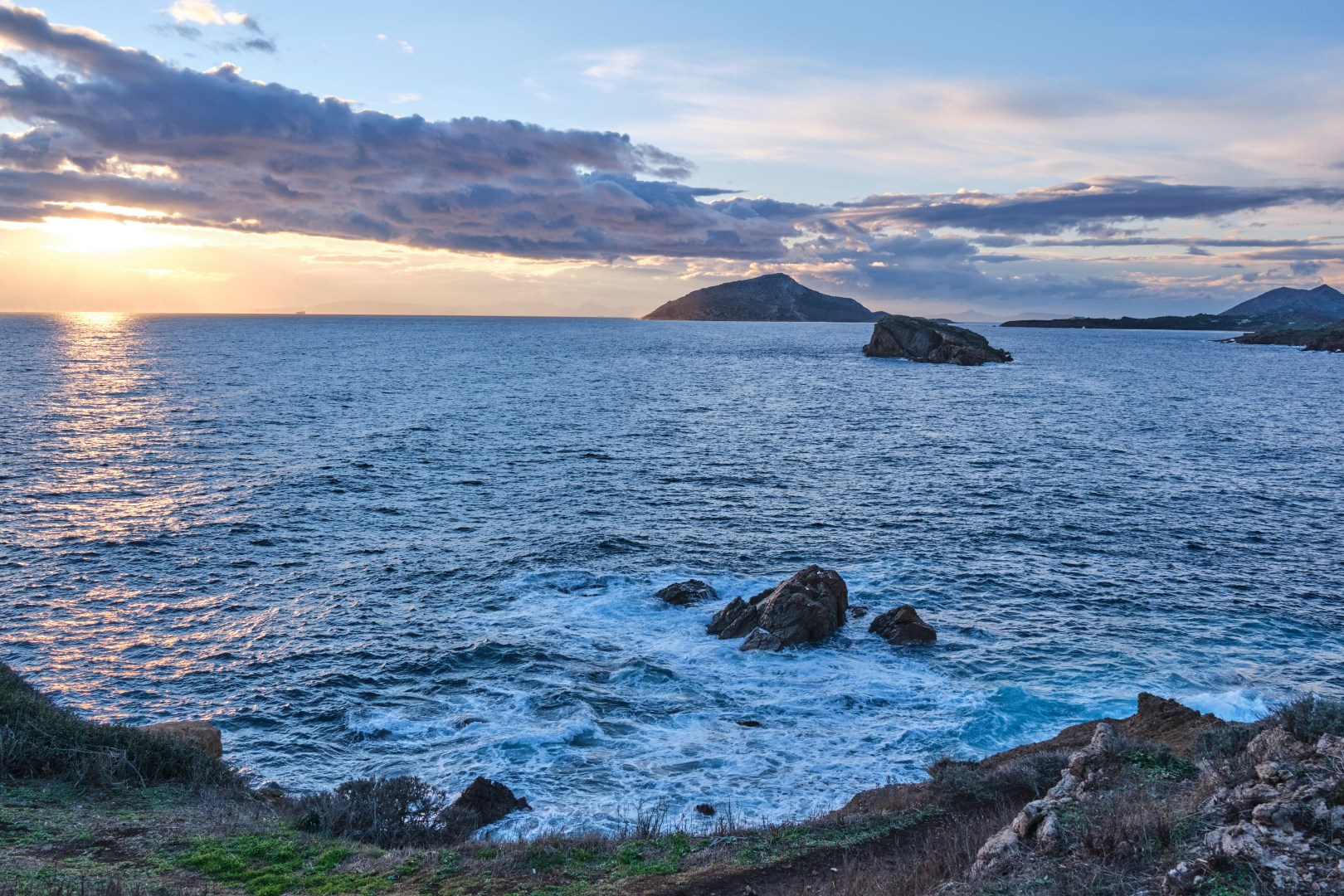
Lavrio is a port town on the southeastern coast of Attica, Greece, facing the Aegean Sea. Its harbour handles ferries, fishing vessels and recreational boats, while the surrounding hills contain extensive traces of mining.

Leon
León, in northwest Spain, is a city where Roman, medieval, and modern layers coexist. Its historical heart features the León Cathedral with its remarkable stained glass, the Basilica of San Isidoro, and winding streets that hint at centuries of trade and culture.
Amédée Islet
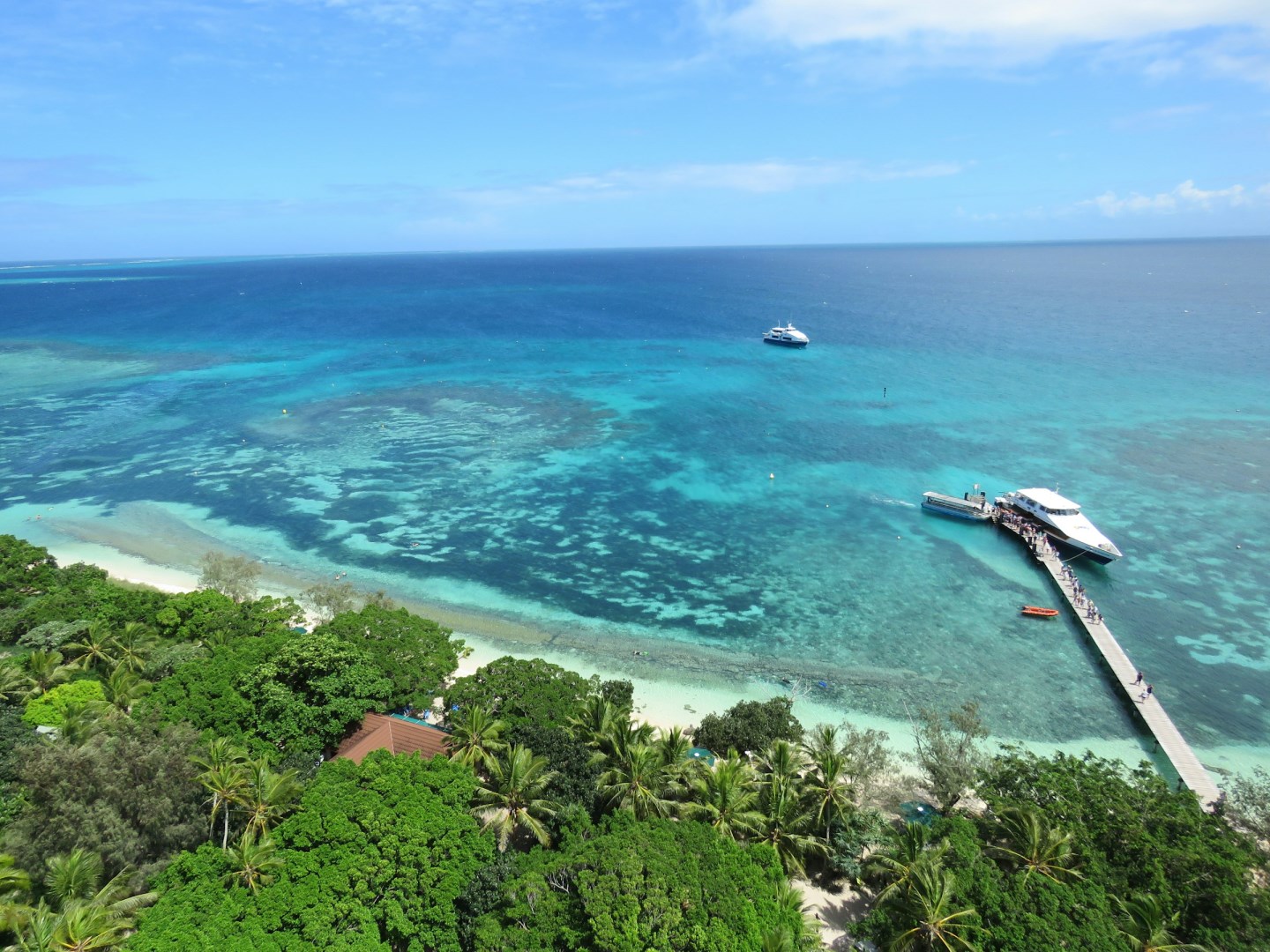
Amédée Islet, known locally as Îlot Amédée, is a small coral islet in the lagoon off the southern coast of New Caledonia. It lies within the New Caledonian Lagoon, a UNESCO World Heritage site recognized for its extensive reef systems and marine habitats. The islet is surrounded by shallow turquoise waters, coral reefs, and sandy beaches, while low vegetation covers much of its interior. Its most recognizable landmark is the Amédée Lighthouse.
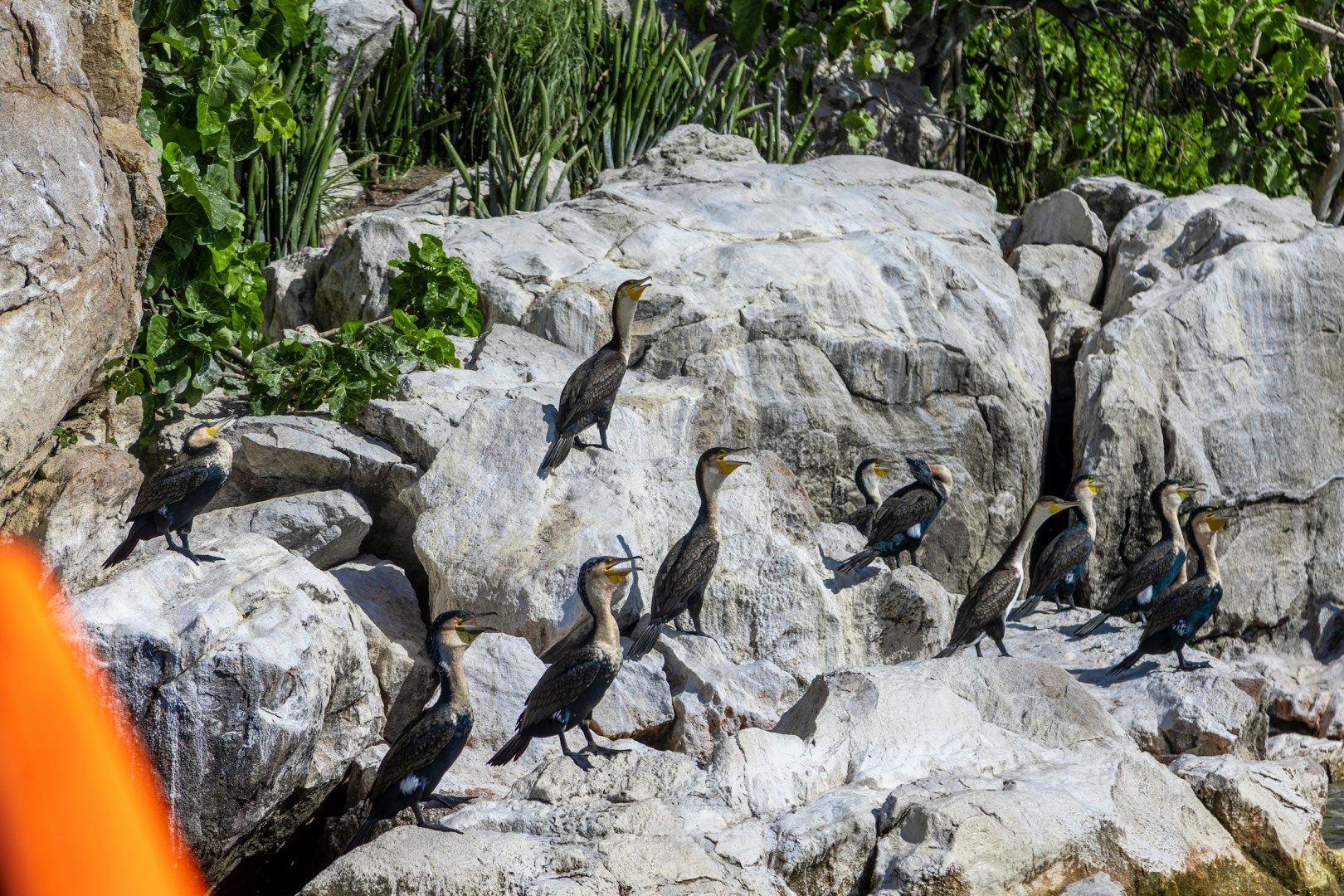
Boadzulu Island
Boadzulu Island is a small, forested island in Lake Malawi, located within the lake's southern basin near Cape Maclear. The island forms part of Lake Malawi National Park, a protected area recognized for its exceptional freshwater biodiversity. Its shores are surrounded by clear lake waters, rocky outcrops, and small bays, while vegetation covers much of the island's interior.