Glendalough
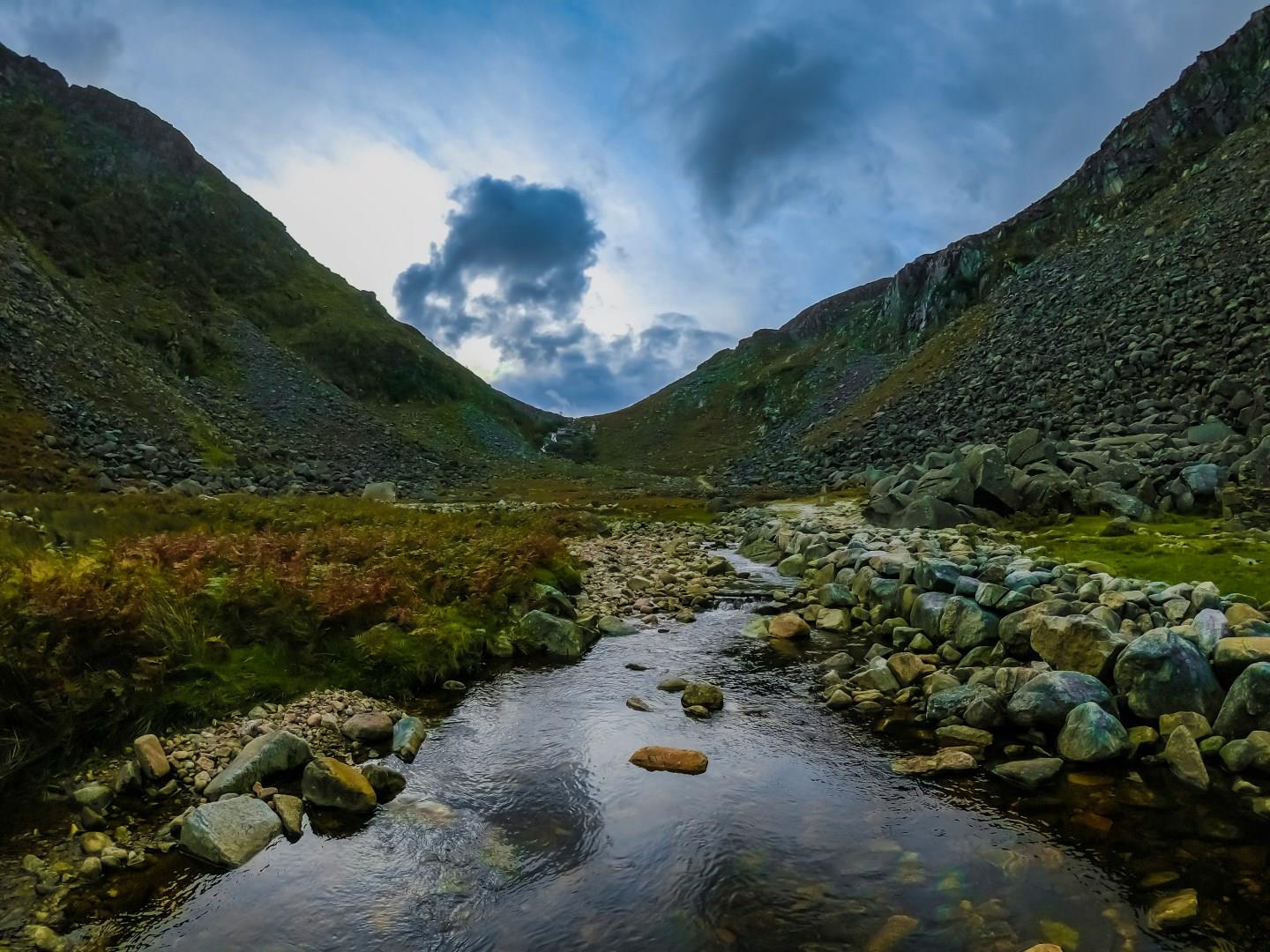
Glendalough, located in County Wicklow, is one of Ireland’s most historically significant and visually striking valleys. It’s best known for its early medieval monastic site, founded by St. Kevin in the 6th century. The round tower, cathedral ruins, and stone churches that remain today are surrounded by forests, lakes, and mountain trails, creating a setting that feels both ancient and untouched.
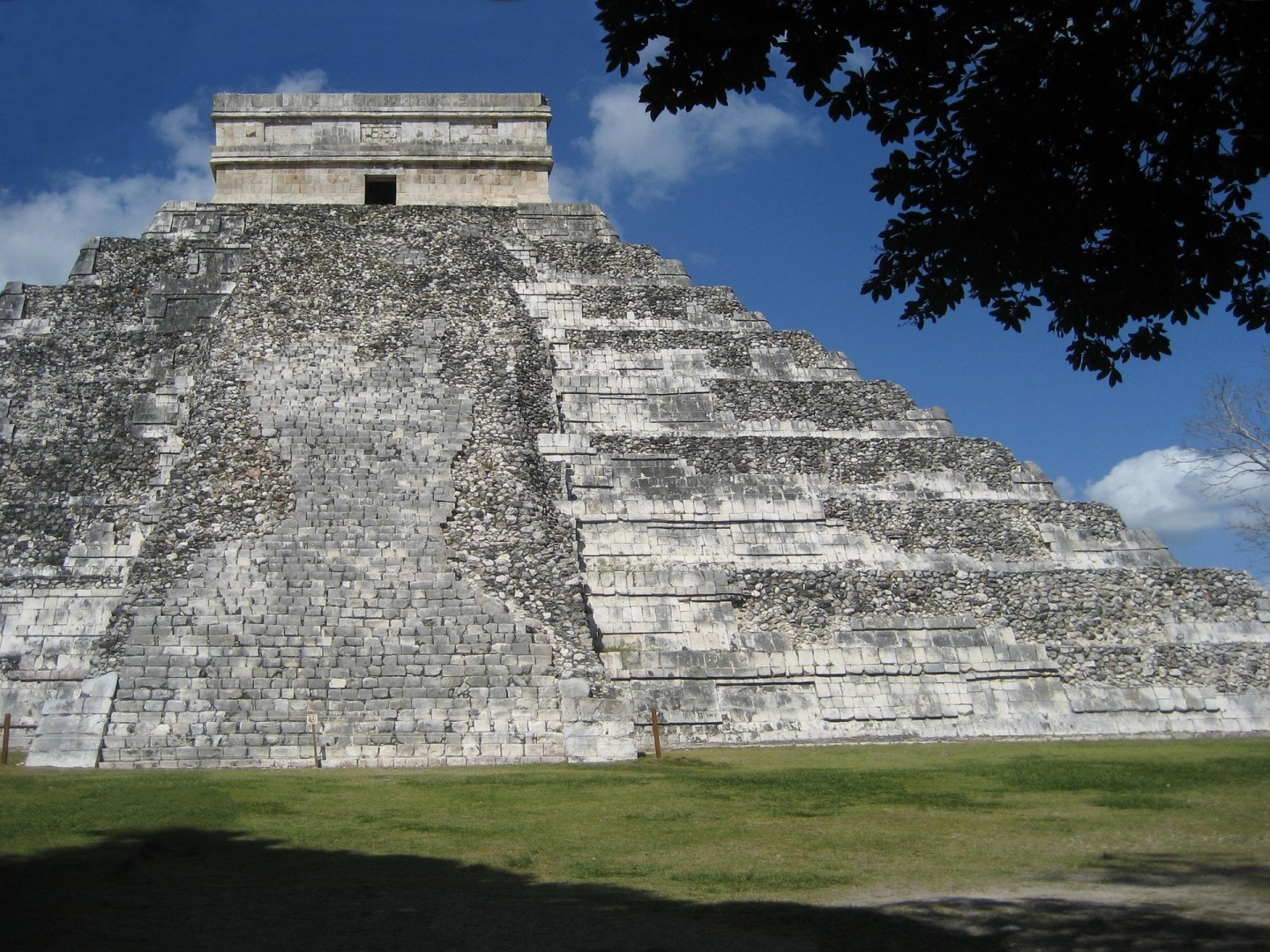
Chichén Itzá
Located on the Yucatan Peninsula of Mexico, Chichen Itza is the site a well preserved Mayan ruins, including several large pyramid structures and more.
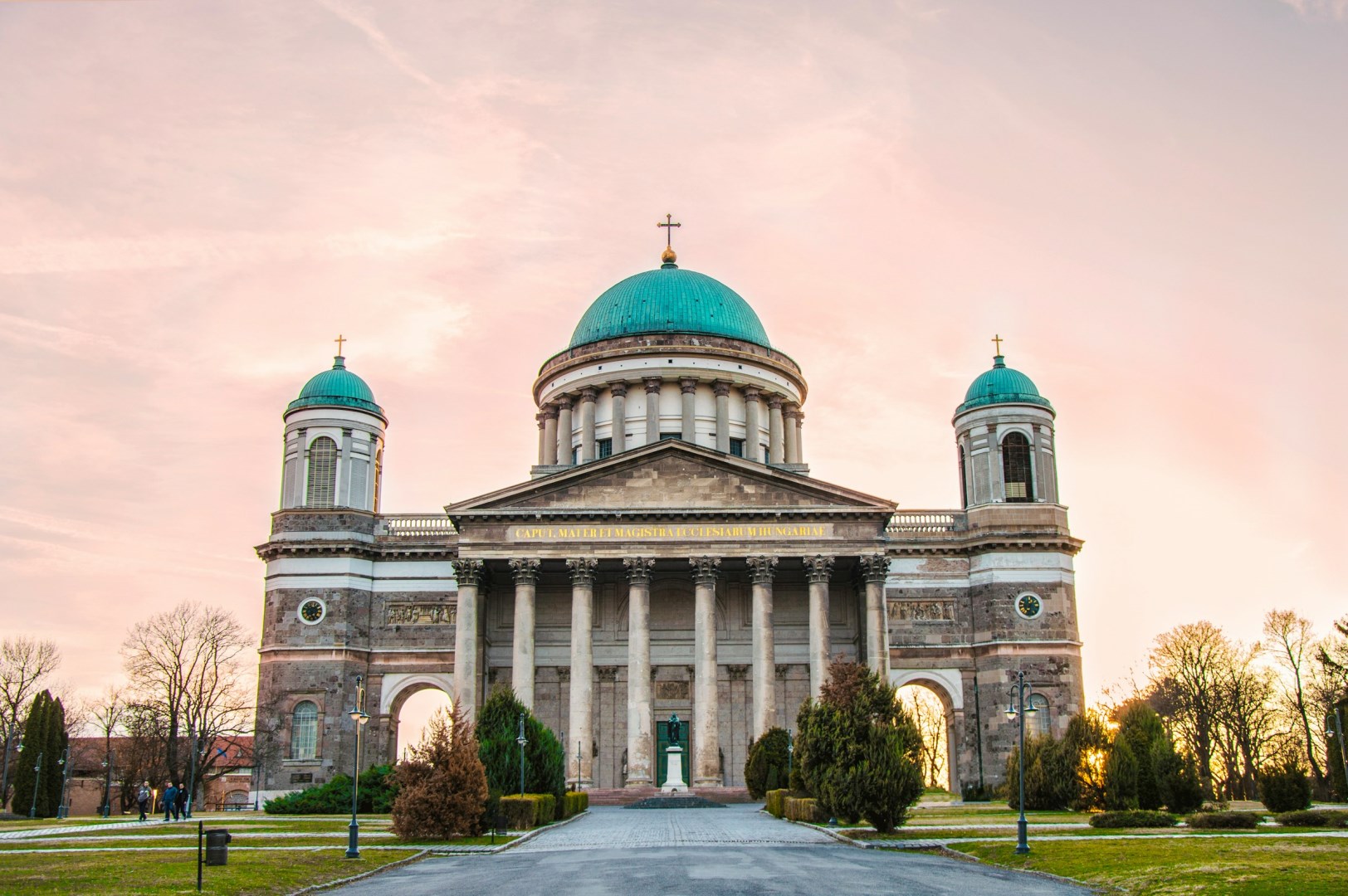
Esztergom
Esztergom is one of Hungary’s oldest and most historically significant towns, located along the Danube River just an hour north of Budapest. It was the country’s royal capital during the Middle Ages and the birthplace of its first king, Saint Stephen. Today, visitors are drawn to the Esztergom Basilica, the largest church in Hungary. Its dome rises over 70 meters high and offers panoramic views of the river, the surrounding hills, and neighboring Slovakia across the Mária Valéria Bridge.

Salvador da Bahia
Salvador da Bahia, often simply called Salvador, is a city where the soul of Brazil truly shines. As the capital of the state of Bahia and one of the oldest colonial cities in the Americas, Salvador offers a rich tapestry of Afro-Brazilian culture, vibrant music, and historic architecture.

Chioggia
Chioggia, often called "Little Venice," is a hidden gem in the Veneto region of Italy, known for its picturesque canals, charming historic center, and vibrant seafood markets. Located just south of Venice on the Venetian Lagoon, this fishing town offers a more peaceful and authentic experience than its famous neighbor, while still boasting beautiful architecture and rich history.