Chioggia
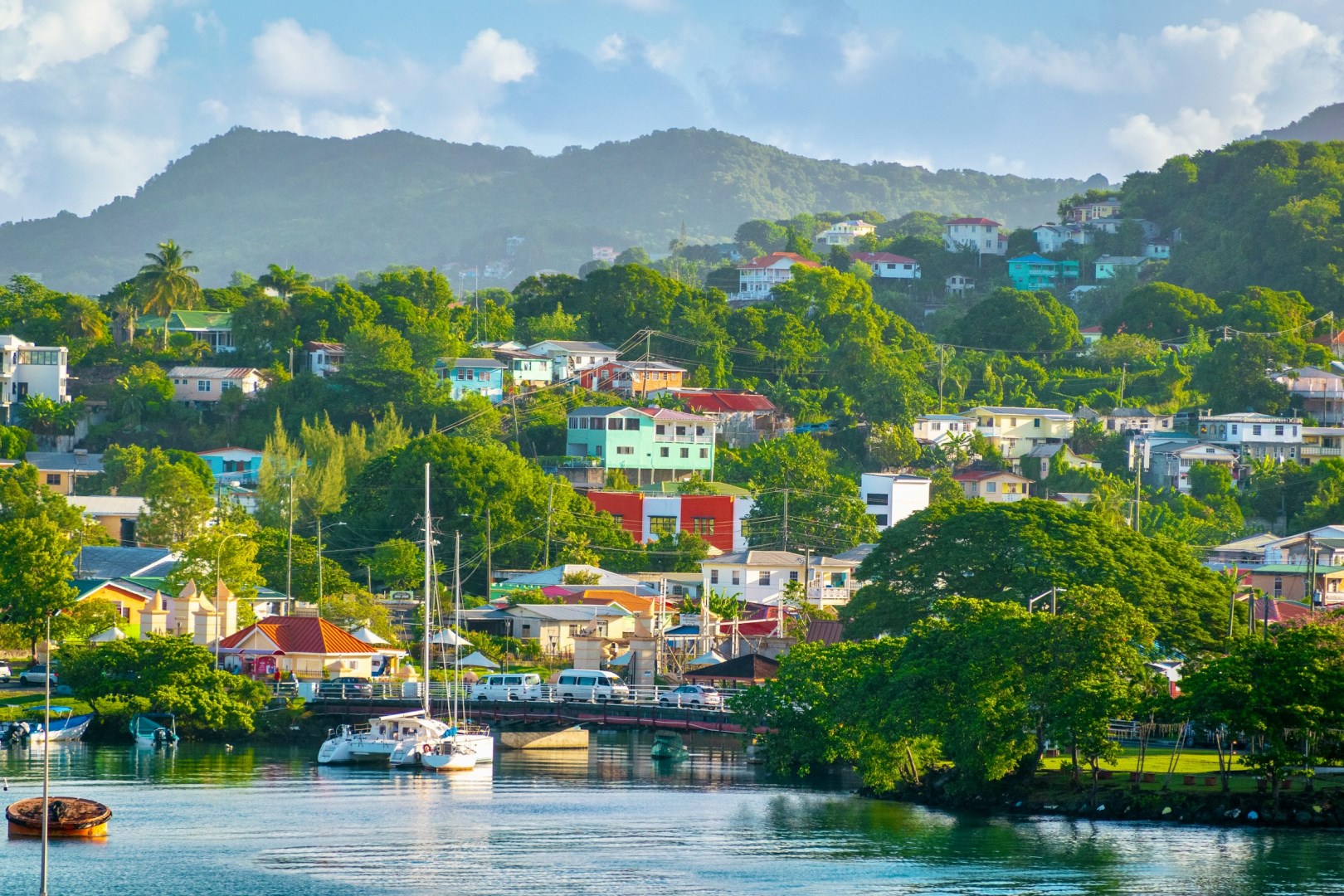
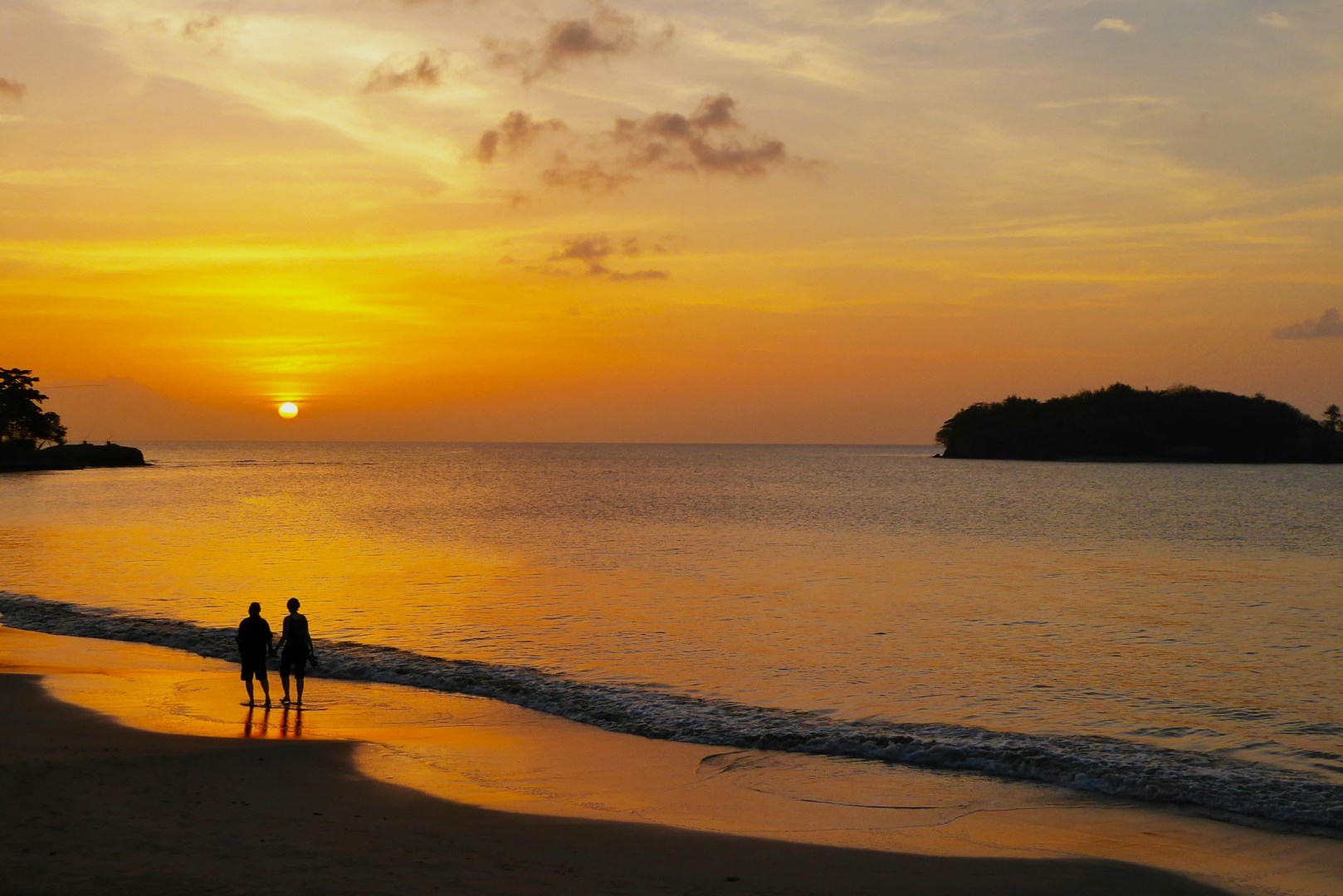
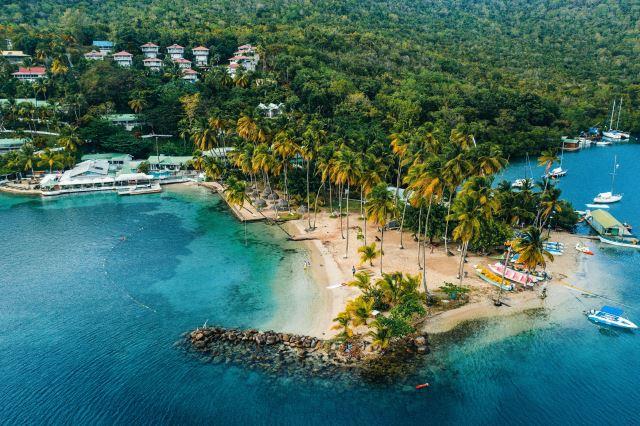
Chioggia, often called "Little Venice," is a hidden gem in the Veneto region of Italy, known for its picturesque canals, charming historic center, and vibrant seafood markets. Located just south of Venice on the Venetian Lagoon, this fishing town offers a more peaceful and authentic experience than its famous neighbor, while still boasting beautiful architecture and rich history.
Newport
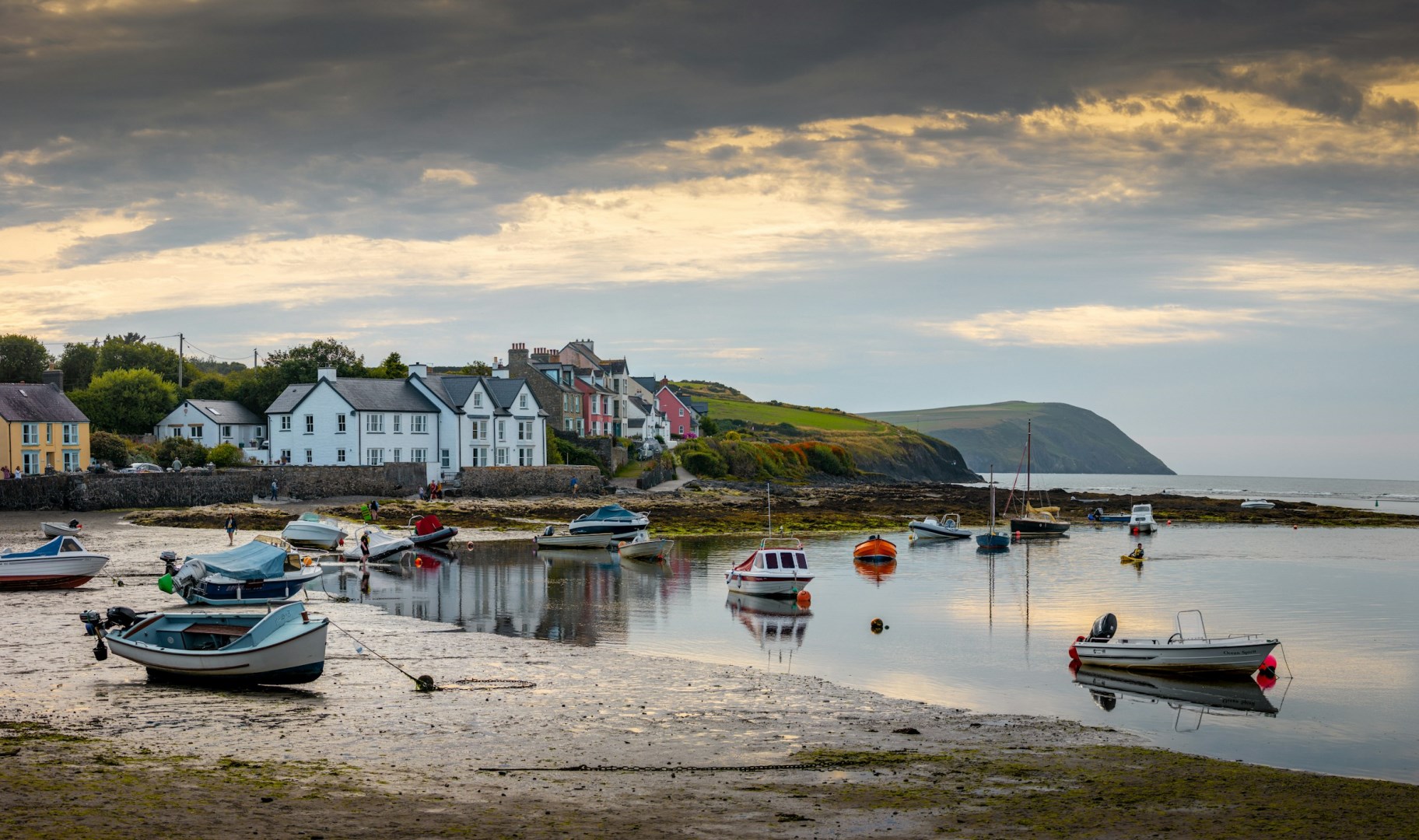
Newport, a historic city on the River Usk in southeast Wales, blends its industrial heritage with a growing reputation for culture and green spaces.

Pittsburgh
Located in Pennsylvania, Pittsburgh is one of the oldest cities in the nation.

Mount Shasta
Mount Shasta is a small city in Northern California at the foot of the volcanic peak that shares its name. The community sits in the upper Sacramento River watershed, surrounded by conifer forests, mountain meadows, and the broader Cascade Range. Mount Shasta rises prominently to the east and reaches more than 14,000 feet, making it one of the most recognizable mountains in the state.

Komodo National Park
Komodo National Park is a natural wonder, home to the world’s largest lizards, breathtaking pink sand beaches, and colorful coral reefs. Trek through rugged landscapes to spot Komodo dragons in the wild or dive alongside graceful manta rays and colorful fish. With jagged hills rising from turquoise waters, the park offers an unforgettable adventure that feels truly otherworldly.