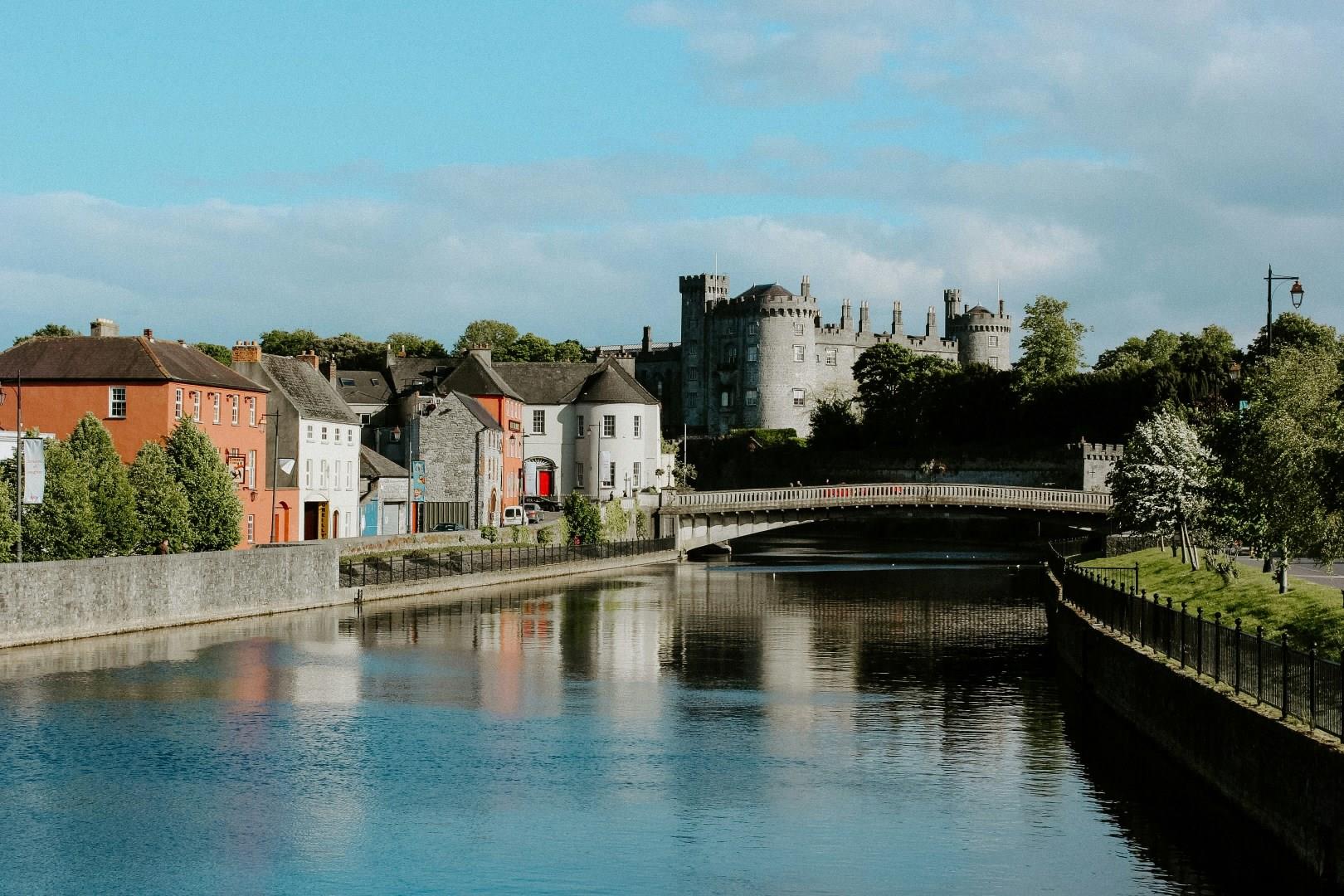
Kilkenny is a city where history sits beside everyday life, and stories from centuries past shape the streets visitors walk today. At its heart stands Kilkenny Castle, first built in the 12th century and home to the Butler family for more than 600 years. From here, the Medieval Mile creates a natural path through the city, linking key sites such as St. Canice’s Cathedral. Its round tower, one of the few in Ireland still open to climb, rewards visitors with wide views across the rooftops.
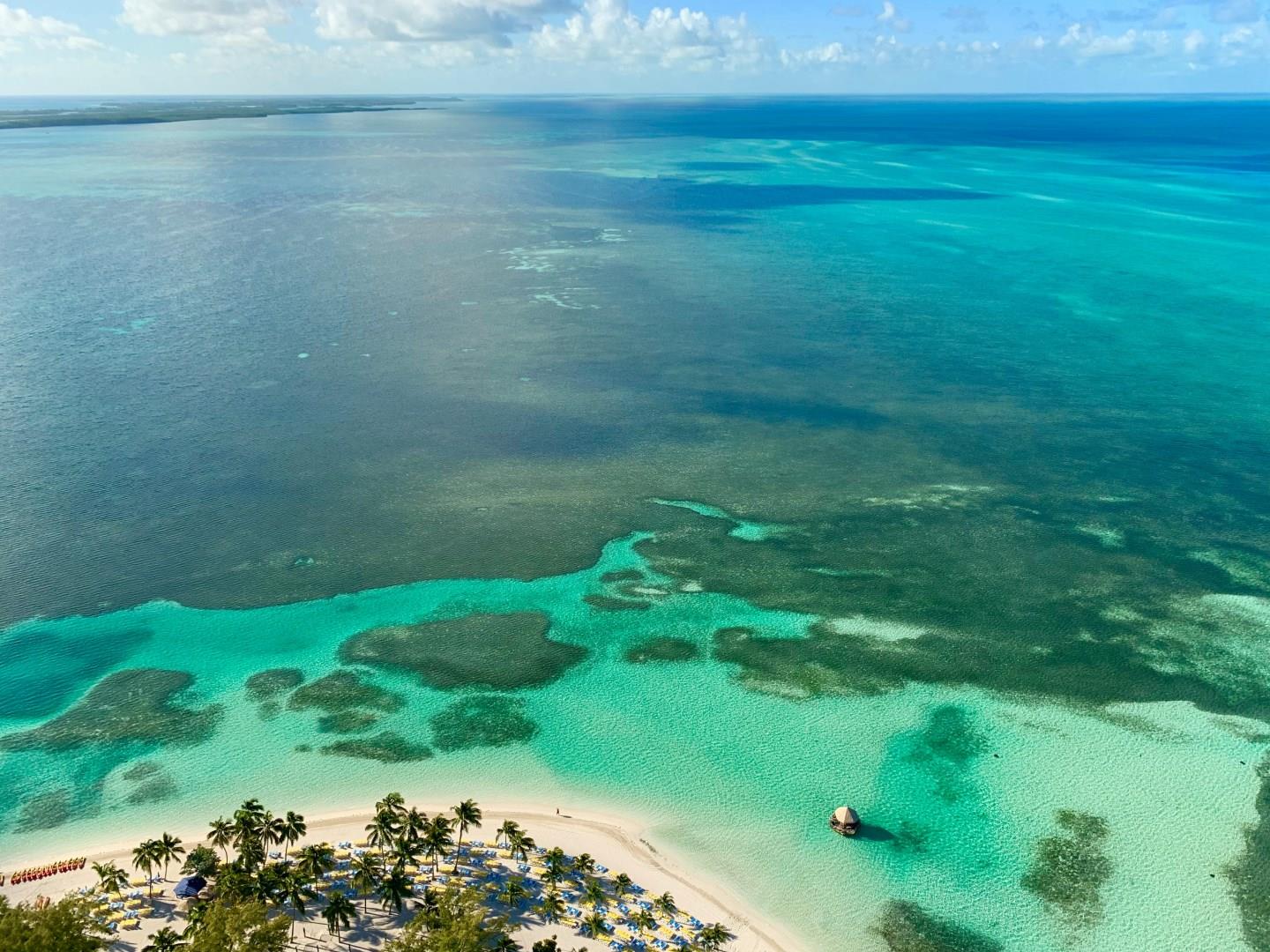
CocoCay, officially known as Perfect Day at CocoCay, is Royal Caribbean’s private island in the Bahamas designed to combine the laid-back charm of the Caribbean with world-class resort amenities.
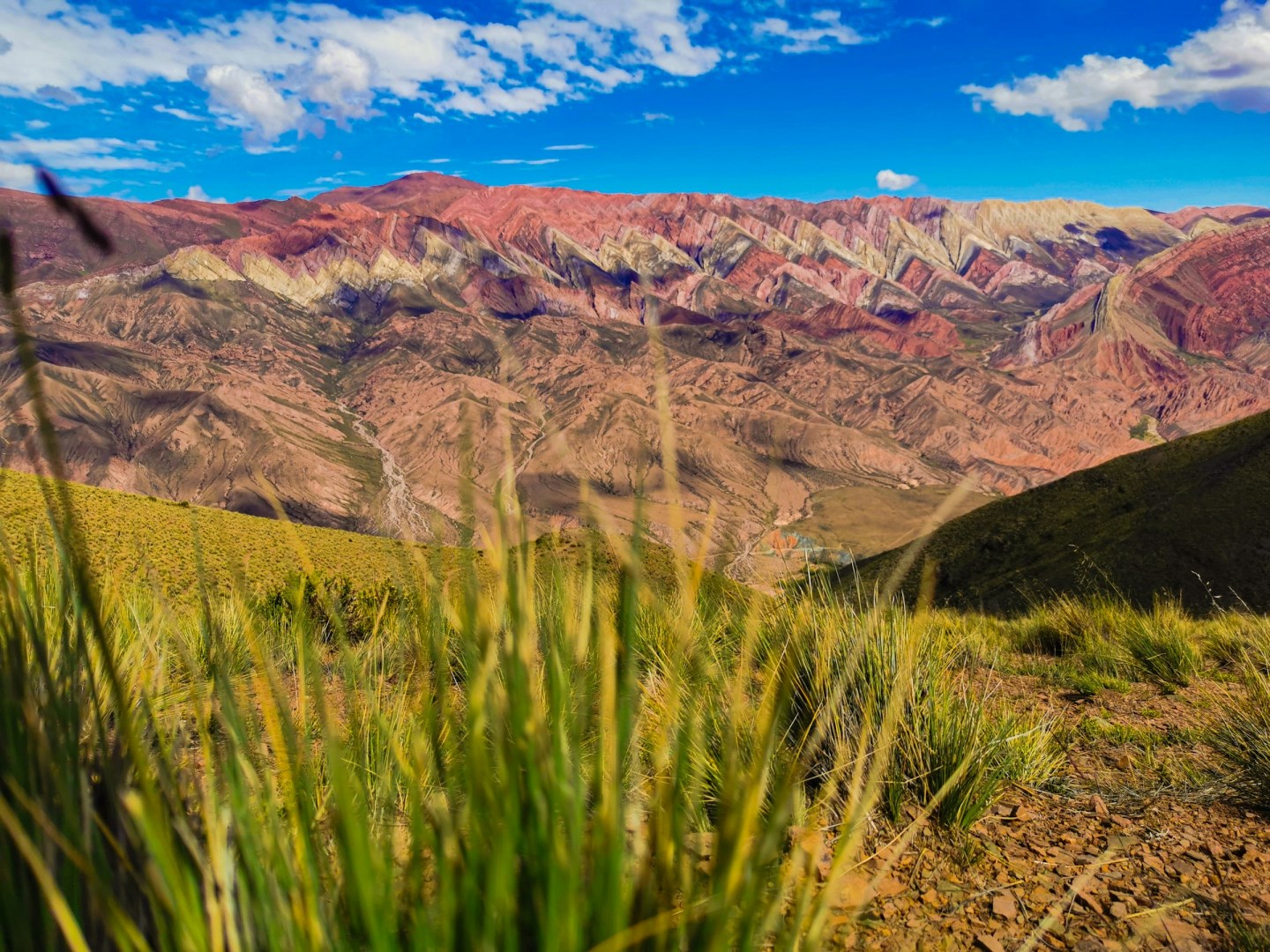
Humahuaca is a small town in northern Argentina’s Jujuy Province, located in the Quebrada de Humahuaca, a long mountain valley shaped by the Río Grande. Its setting among dry, multicolored mountains gives the town a distinct Andean character. Narrow streets, adobe buildings, and traditional plazas reflect the region’s strong connection to Indigenous and colonial heritage. Humahuaca also serves as a cultural and transport center for communities across the surrounding highlands, where agriculture,
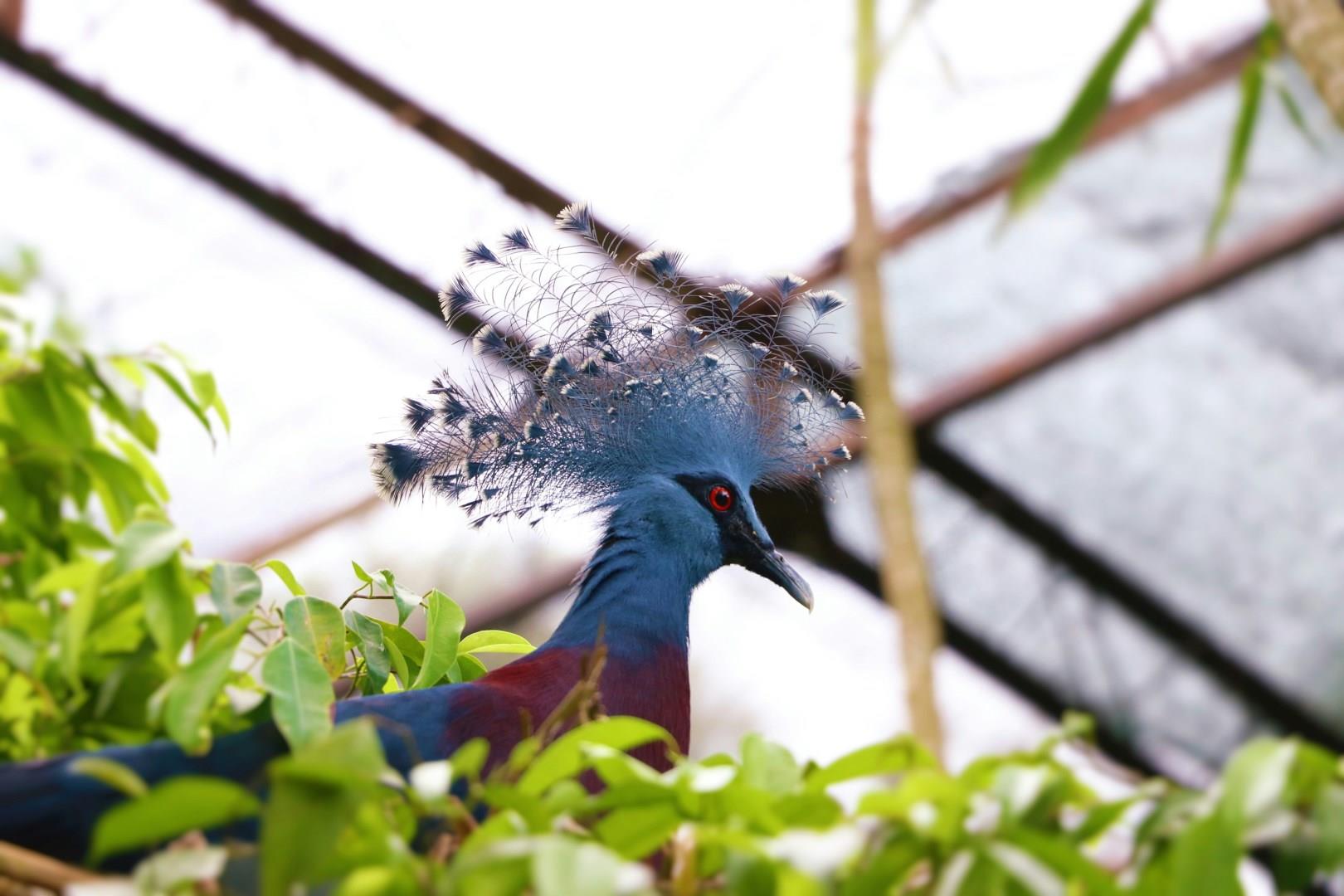
Port Moresby sits by the Coral Sea as Papua New Guinea’s capital and shows visitors a city of contrasts where glittering new buildings rise beside traditional villages built on stilts. One such place is Hanuabada, the original Motuan village, where roofs reach above water’s edge and everyday life still unfolds in Tok Pisin and local tongue.
Slovakia is a country shaped by mountains, castles, and centuries of shifting borders. Tucked in the heart of Europe, it offers visitors a chance to explore medieval towns, alpine peaks, and deep-rooted traditions still practiced in daily life. Bratislava, the capital, sits along the Danube River and is one of the few national capitals that borders Austria and Hungary.
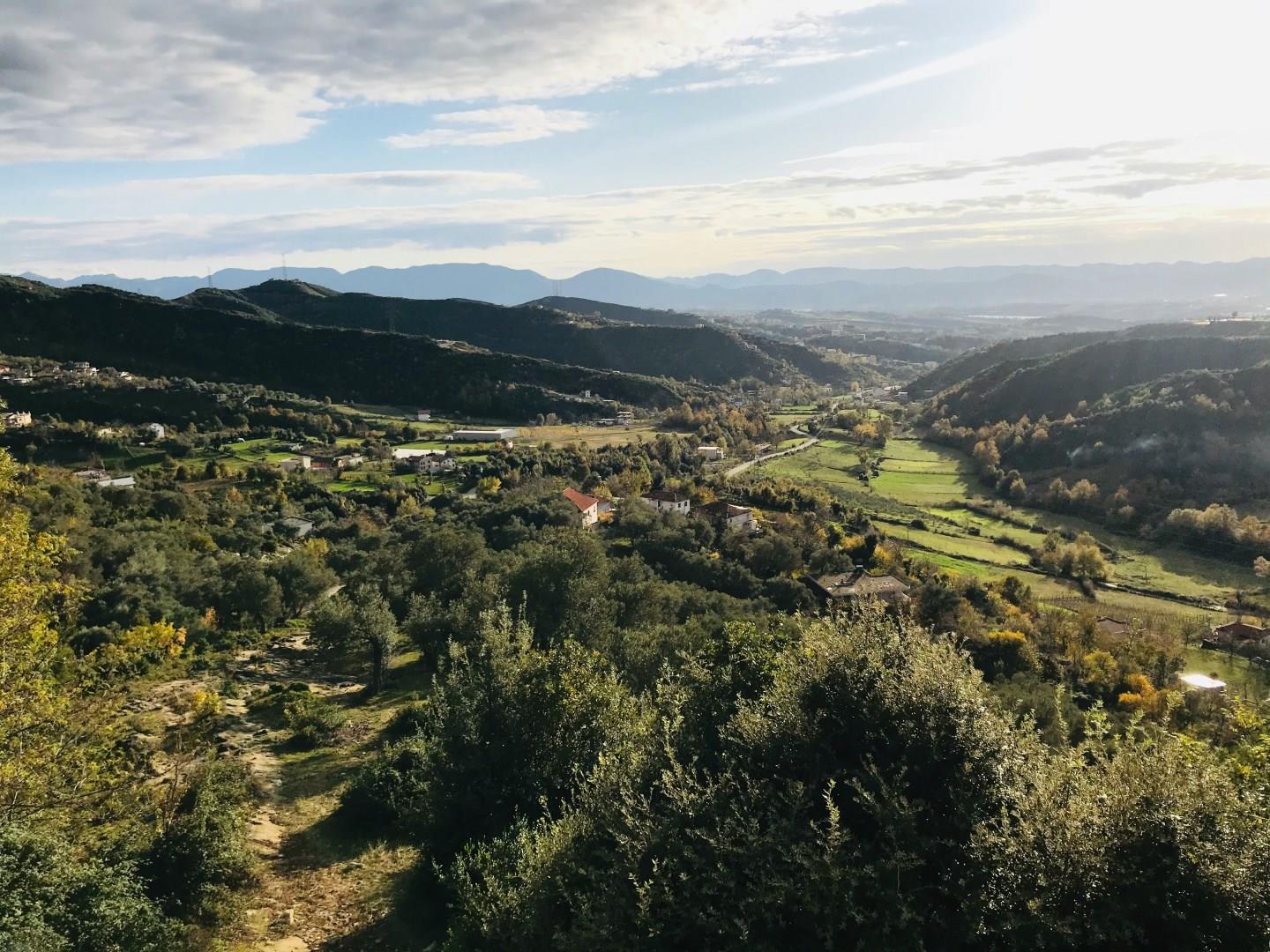
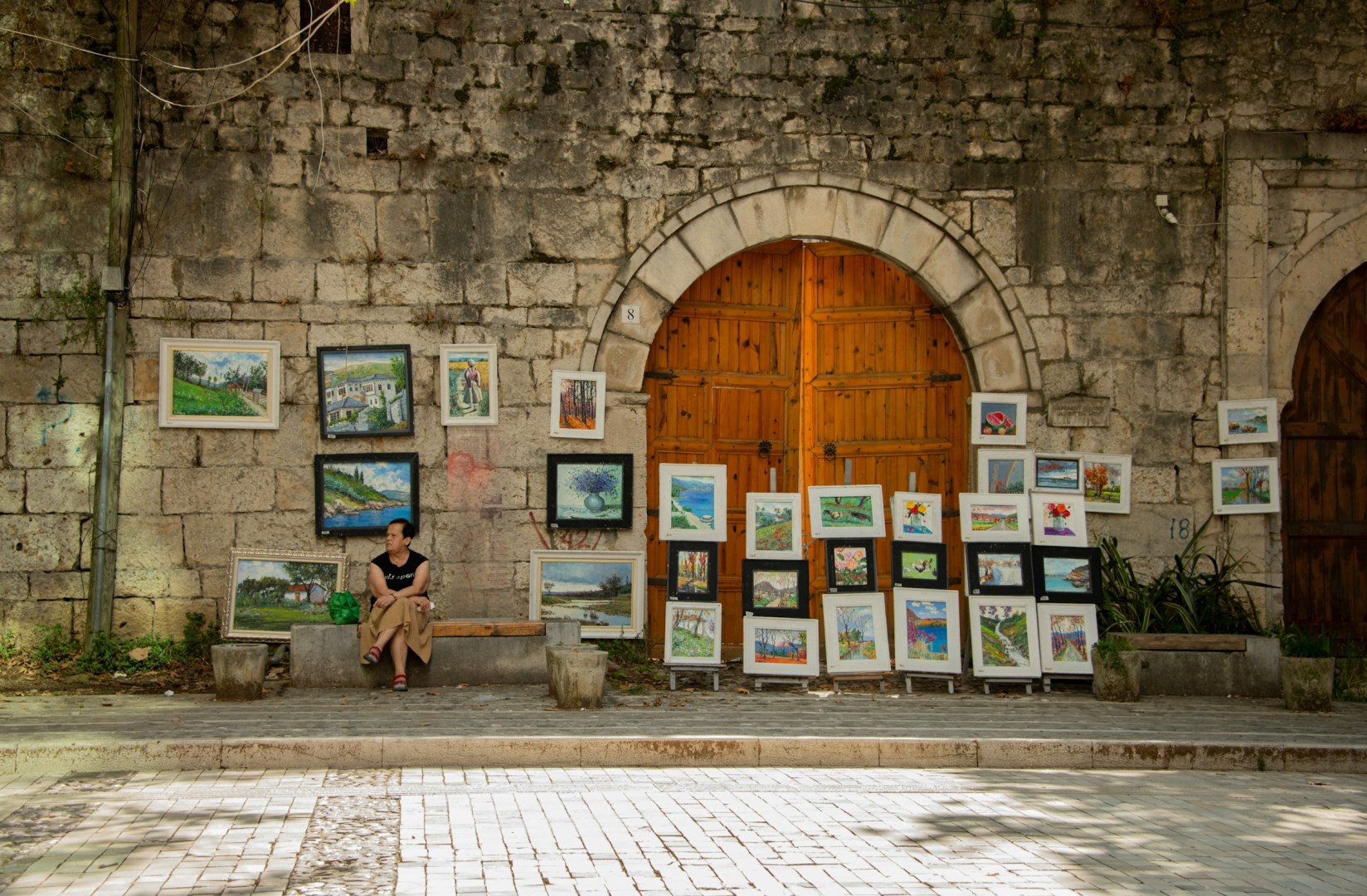
Photo Credit: Photo by Adventure Albania on Unsplash
Photo Credit: Photo by Linda Gerbec on Unsplash
Photo Credit: Photo by Michael Silkesjöö on Unsplash
Photo Credit: Photo by Daniel Silva on Unsplash
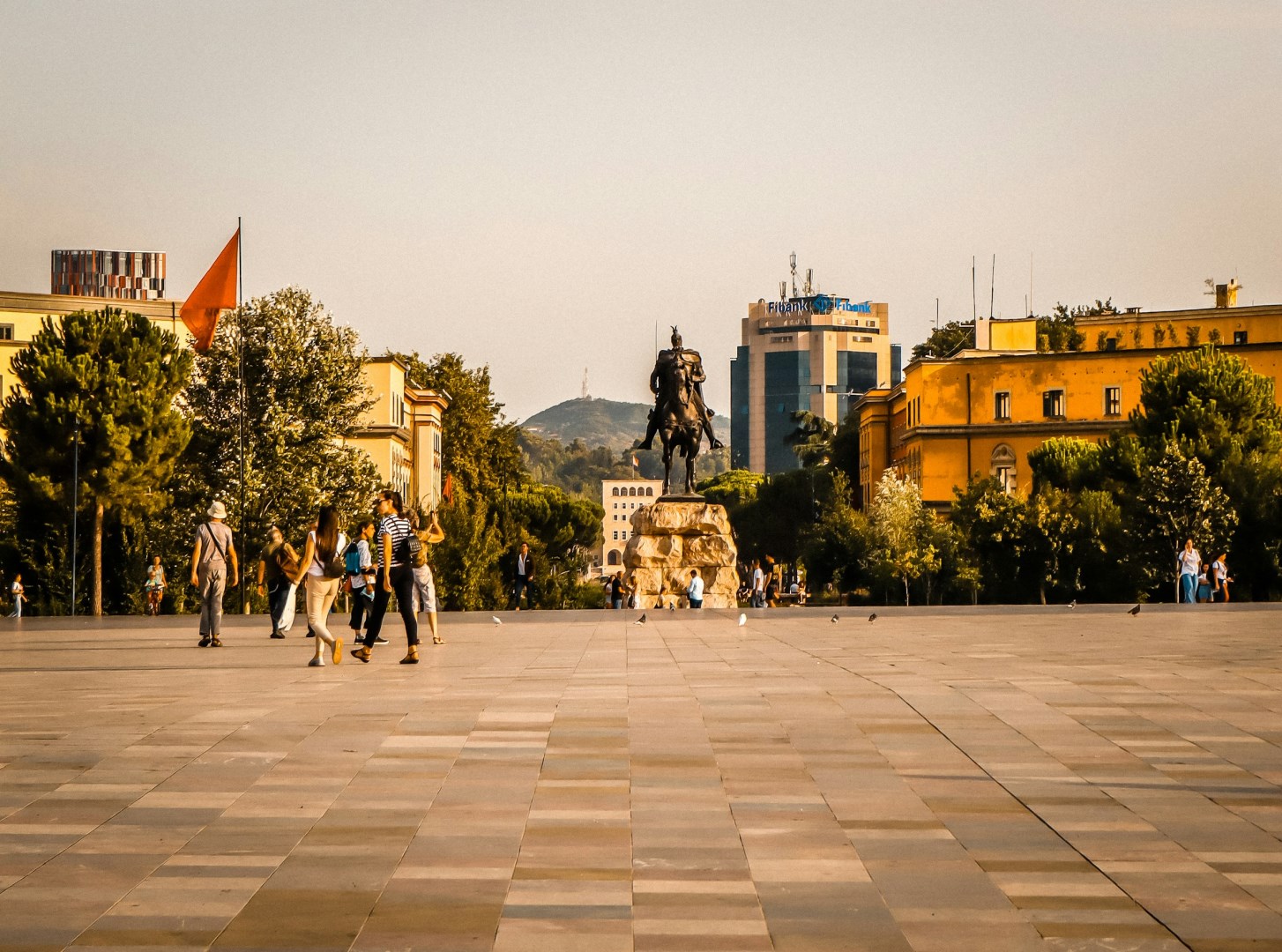
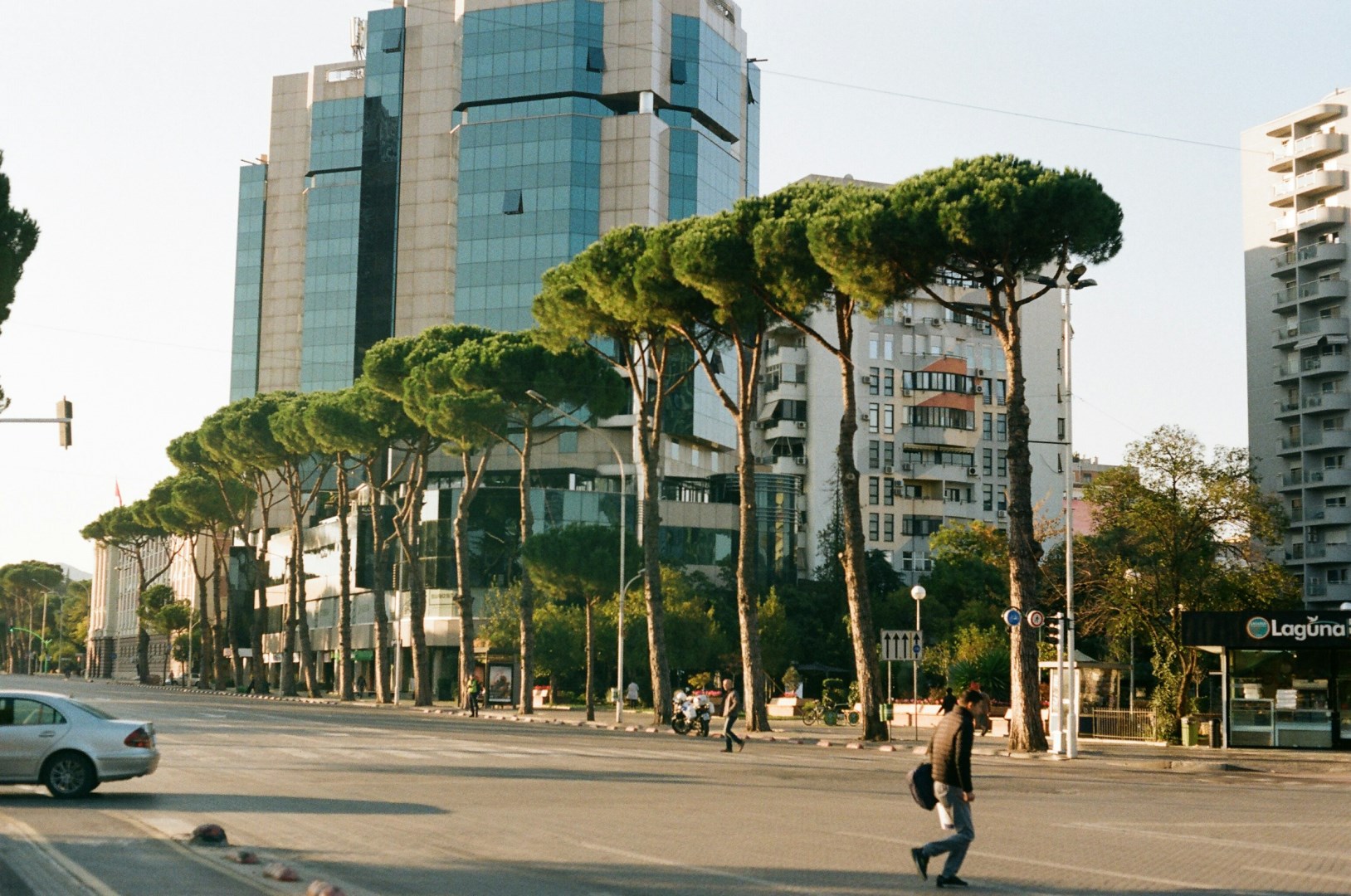
Tirana, the lively capital of Albania, is a city that blends historical charm with modern vibrancy. At the heart of its transformation is Skanderbeg Square, a bustling hub named after the national hero Gjergj Kastrioti Skanderbeg. The square is surrounded by architectural gems like the National History Museum, whose mosaic facade depicts Albania's rich past, and the Et'hem Bey Mosque, a beautifully preserved Ottoman-era structure. For a deeper dive into local culture, visit the nearby Grand Park of Tirana, a green oasis perfect for a leisurely stroll or a boat ride on its artificial lake.
Tirana's colorful, eclectic architecture is a testament to its dynamic history and contemporary spirit. The cityscape features a striking blend of communist-era buildings and modern constructions, including the innovative Pyramid of Tirana, originally built as a museum dedicated to the former dictator Enver Hoxha and now reimagined as a cultural space. Vibrant murals and street art adorn many buildings, reflecting the city’s artistic pulse and youthful energy. The ongoing urban renewal projects are reshaping Tirana into a hub of creativity and modernity.
For those interested in culinary adventures, Tirana offers a feast of traditional Albanian cuisine. Enjoy local dishes such as byrek (savory pastries filled with cheese or meat), or sample fresh seafood from the Mediterranean. The Blloku neighborhood, once an exclusive area for the communist elite, is now a trendy district filled with cafes, restaurants, and bars that provide a lively nightlife scene. Stroll through the colorful streets and experience the city’s warm hospitality and rich flavors.
Fun fact: Tirana’s transformation into a colorful city was inspired by the vision of former mayor Edi Rama, who was also an artist. His efforts to brighten up the city with vibrant colors and innovative urban design have significantly contributed to Tirana's unique and welcoming atmosphere.
Other Popular Destinations in Albania
Gjirokastër
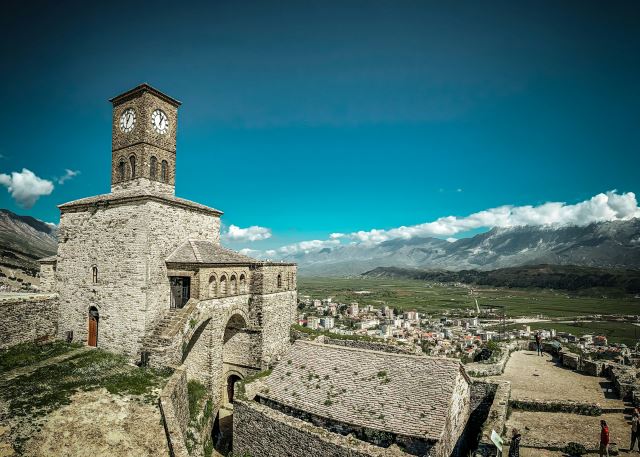
Gjirokaster is Albania's second museum city, where you can see the Fortress with its Armory Museum and the Teque Mosque and Bazaar. A city of stone, the peculiarities of its construction have led many to call it the "The Silver City". Gjirokaster is the birthplace of Enver Hoxja who was, until recently, Albania's infamous dictator.
Himarë
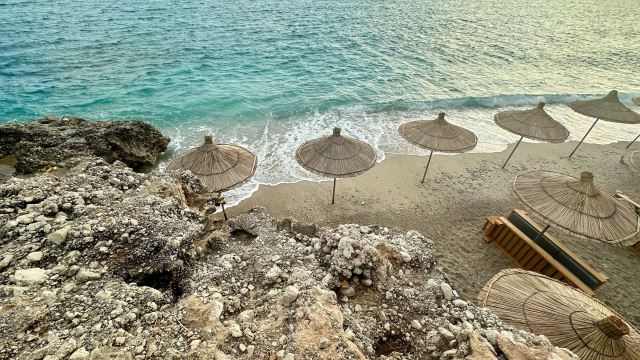
Himare is a coastal town in southern Albania, set along the Ionian Sea between steep mountains and a series of beaches, coves, and rocky headlands. The town is part of the Albanian Riviera and combines a modern waterfront with the older settlement of Himara on a hill above the coast. Olive and citrus trees grow across the surrounding slopes, while the sea shapes much of daily life and local recreation.