Rovinj
Rovinj, a picturesque city on Croatia’s Istrian Peninsula, invites travelers to immerse themselves in its enchanting blend of history and natural beauty. The city's charming Old Town, with its narrow, cobblestone streets and colorful facades, is a delight to explore. The heart of this historic area is the Church of St. Euphemia, a Baroque masterpiece that offers panoramic views of the Adriatic Sea from its bell tower.
Mohács
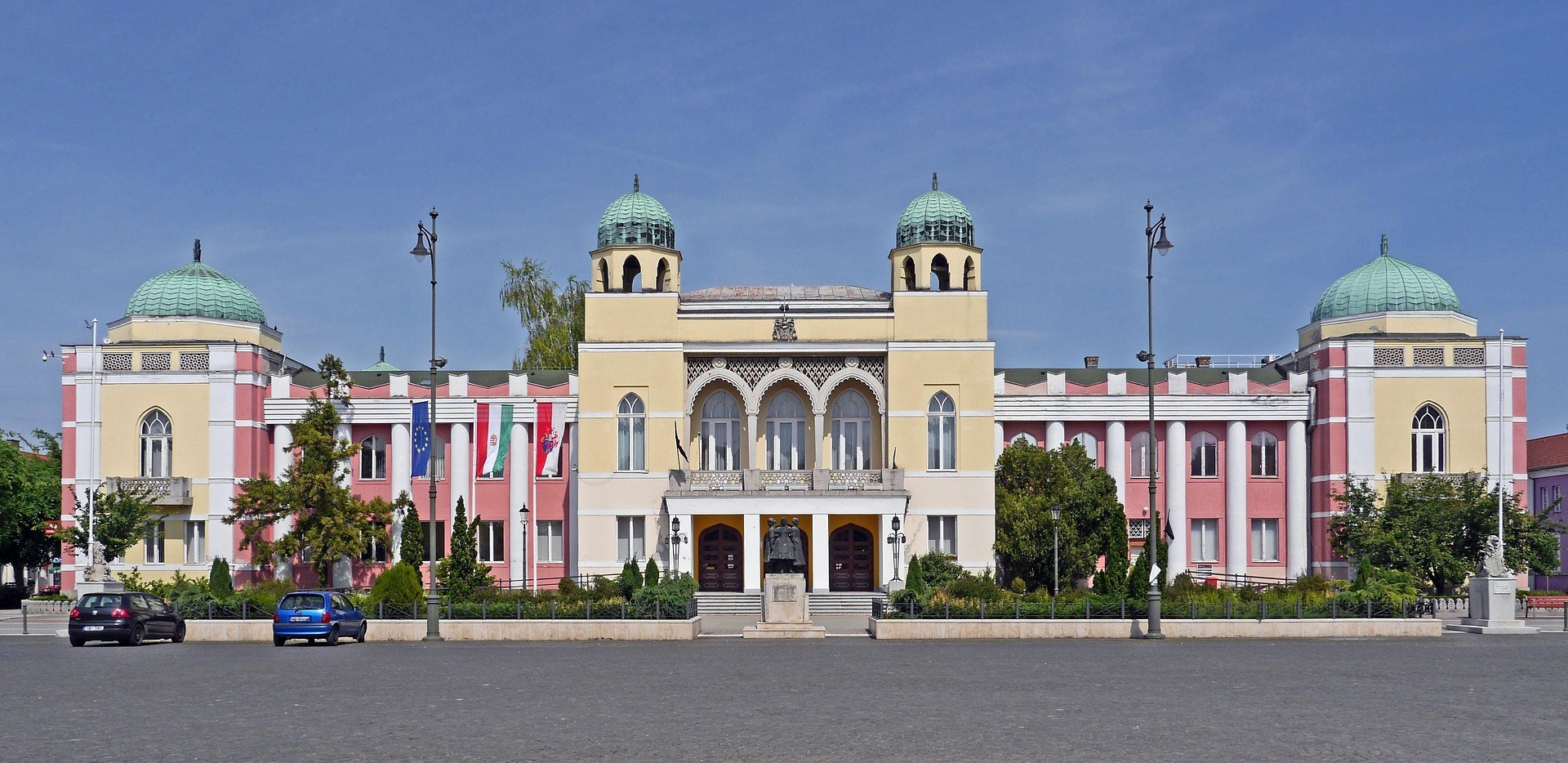
Mohács is a Danube-side town in southern Hungary, close to the country’s border with Croatia. Its riverside setting has shaped local life, trade, agriculture, and recreation, while the town’s streets contain a mixture of traditional houses and distinctive public buildings. Mohács is especially associated with the Busó festivities, a masked end-of-winter carnival that has become the city’s defining cultural tradition.
Montserrat
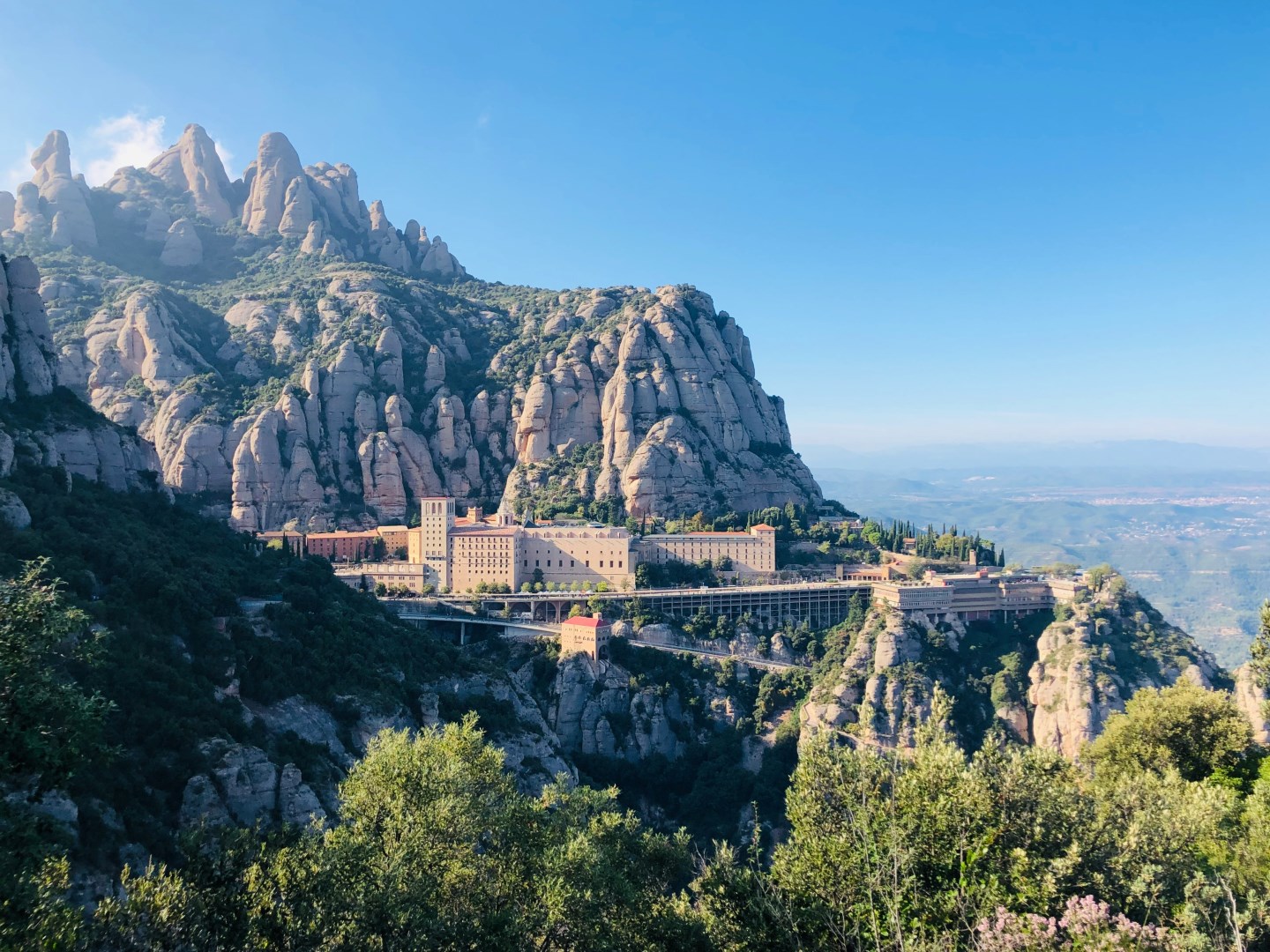
Montserrat Mountain rises sharply from the plains of Catalonia, its jagged rock shapes visible from far away. The mountain is known for its unusual rounded peaks and narrow ridges, formed into striking forms that look almost carved by hand. Trails and cable cars lead visitors upward from nearby villages such as Monistrol de Montserrat, where the climb quickly reveals wide views across the region, stretching toward Barcelona on clear days.
Cape Peninsula
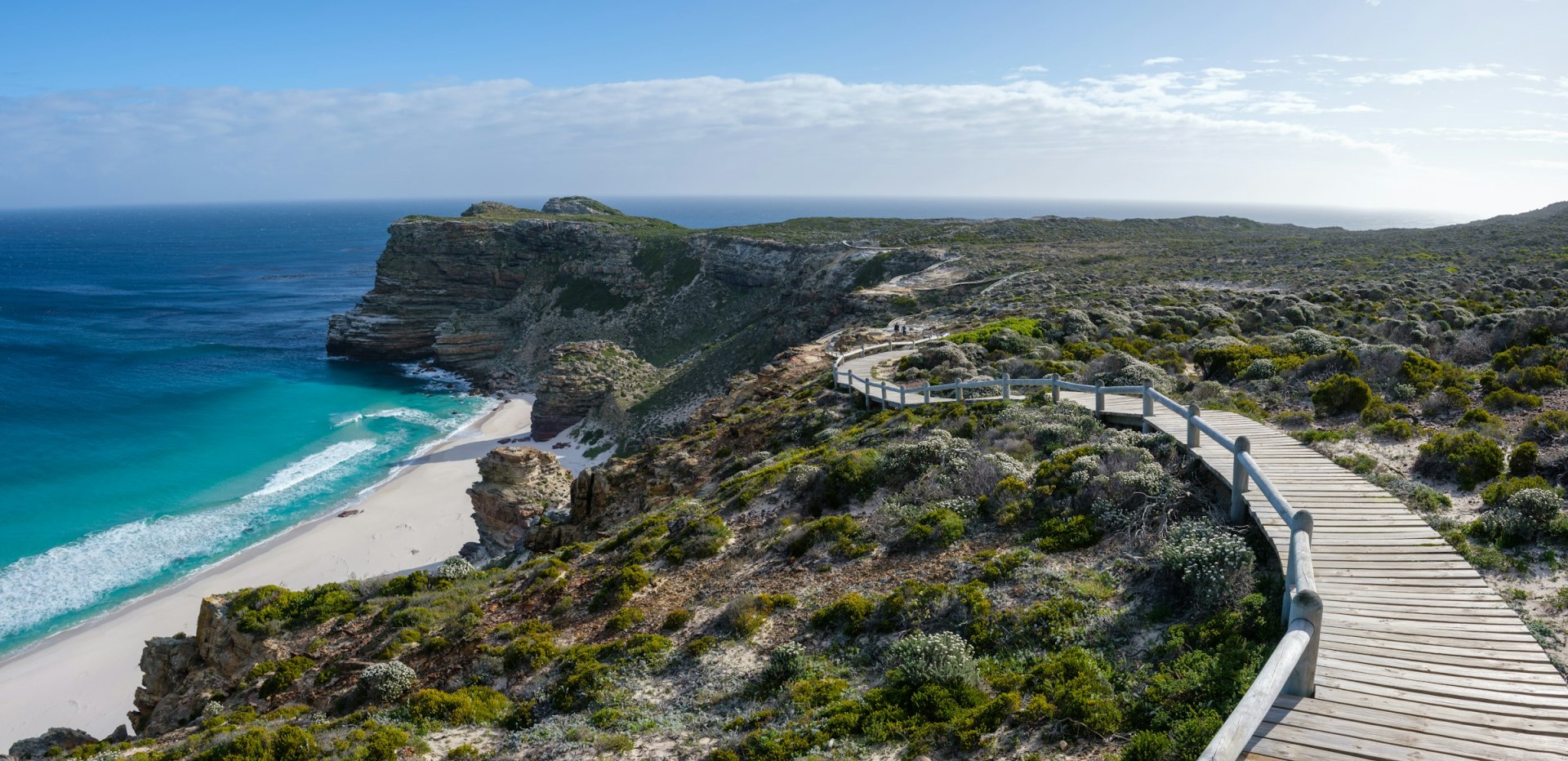
Cape Peninsula is the mountainous, coastal region extending south from Cape Town into the Atlantic Ocean and False Bay. Its landscape combines Table Mountain, rocky headlands, sandy beaches, forests, and open fynbos-covered slopes. Table Mountain National Park runs along much of the peninsula, protecting the mountain chain and coastline from Signal Hill to Cape Point.

Marquesas Islands
Farther from a continental landfall than any other group of islands on earth, the twelve Marquesas jut out of the open Pacific just south of the equator, shrouded in a constant cloud cover.