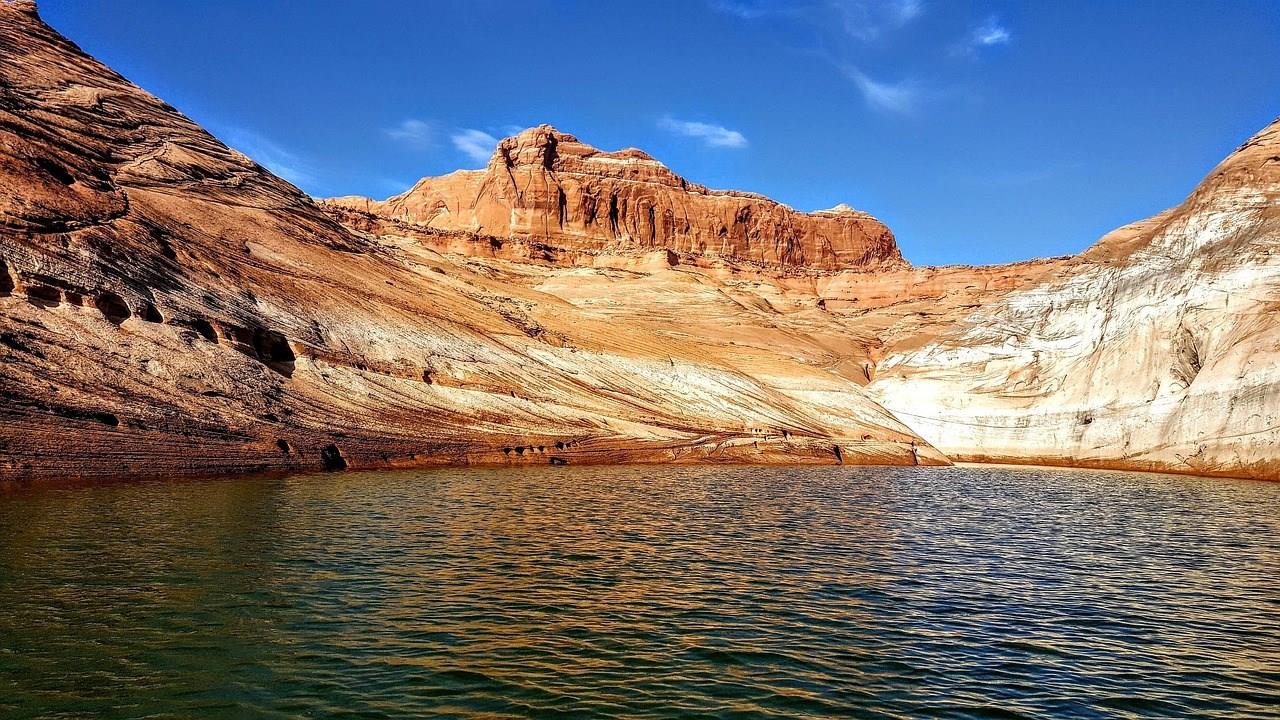
St. George
St. George, Utah, is a desert city in the state’s southwest corner, celebrated for its striking red rock landscapes, mild climate, and proximity to some of the American West’s most iconic natural wonders.

Europe
Europe is a continent where centuries of history, diverse cultures, and striking landscapes are woven together. From the snowy peaks of the Alps to the sun-soaked shores of the Mediterranean, each region offers its own distinct character and traditions.
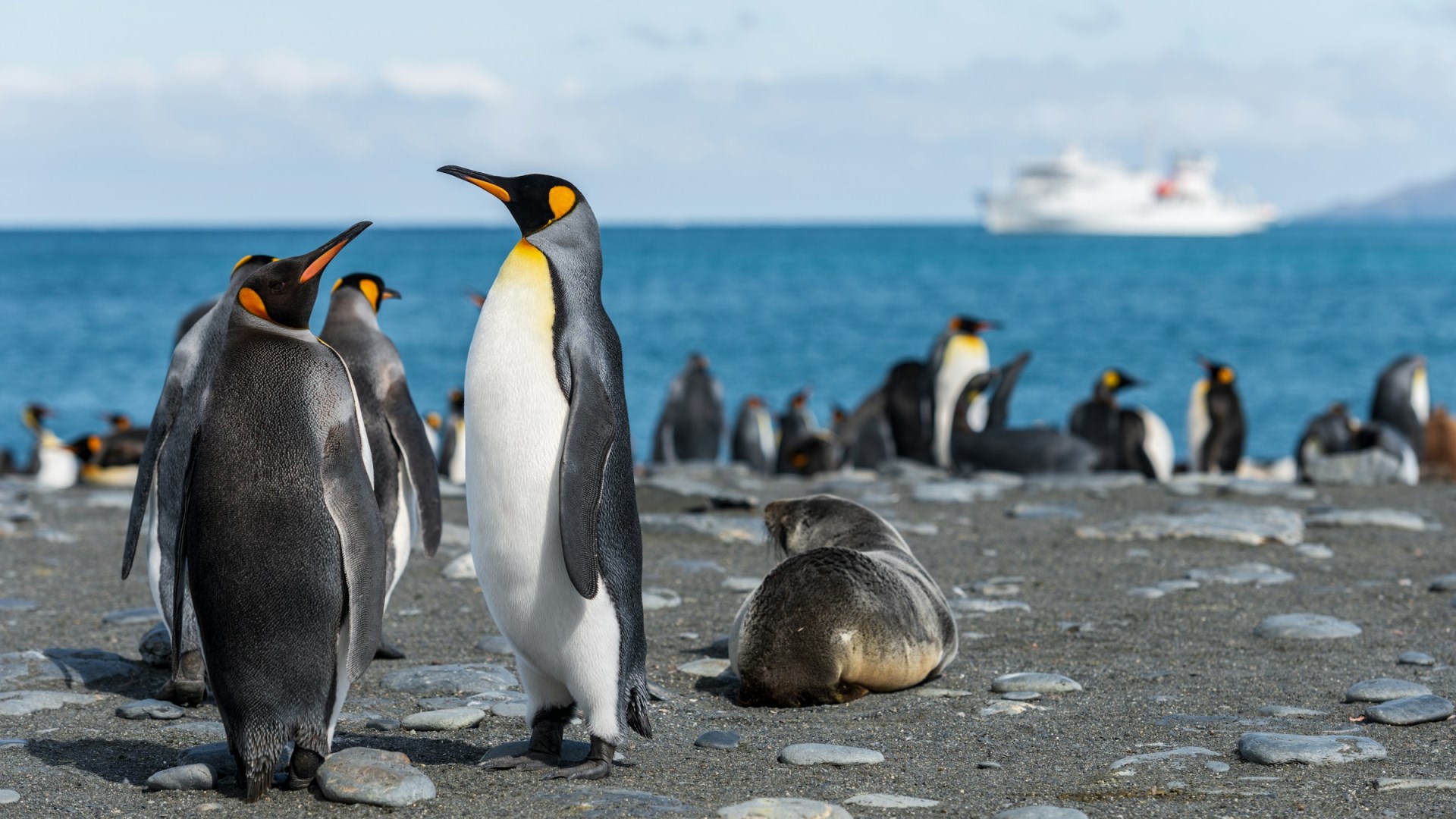
Gold Harbour
Gold Harbour is a small bay on the southeastern coast of South Georgia, where a narrow beach sits beneath steep mountains and hanging glaciers. The site is known for its rich concentration of wildlife and its dramatic setting, with the snow-covered Salvesen Range forming a backdrop behind the shoreline. The name reflects the golden appearance of the cliffs and mountains when illuminated by low sunlight.
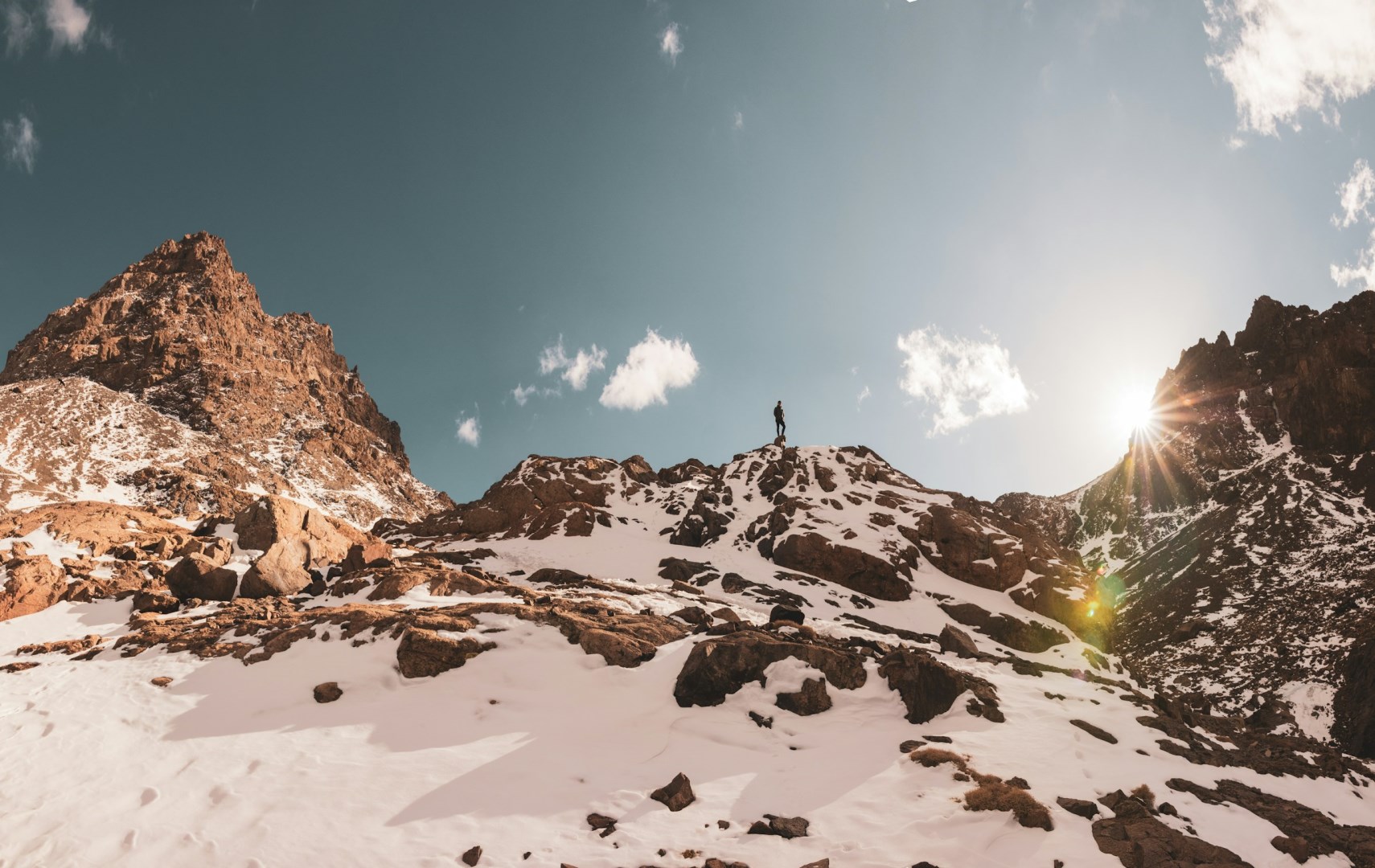
Toubkal
Jbel Toubkal is the highest mountain in Morocco and the highest peak in North Africa, rising to 4,167 meters in the High Atlas Mountains. It stands within Toubkal National Park, south of Marrakech, above valleys and Amazigh villages including Imlil. The mountain is surrounded by steep ridges, rocky slopes, high-altitude valleys, and seasonal snow.
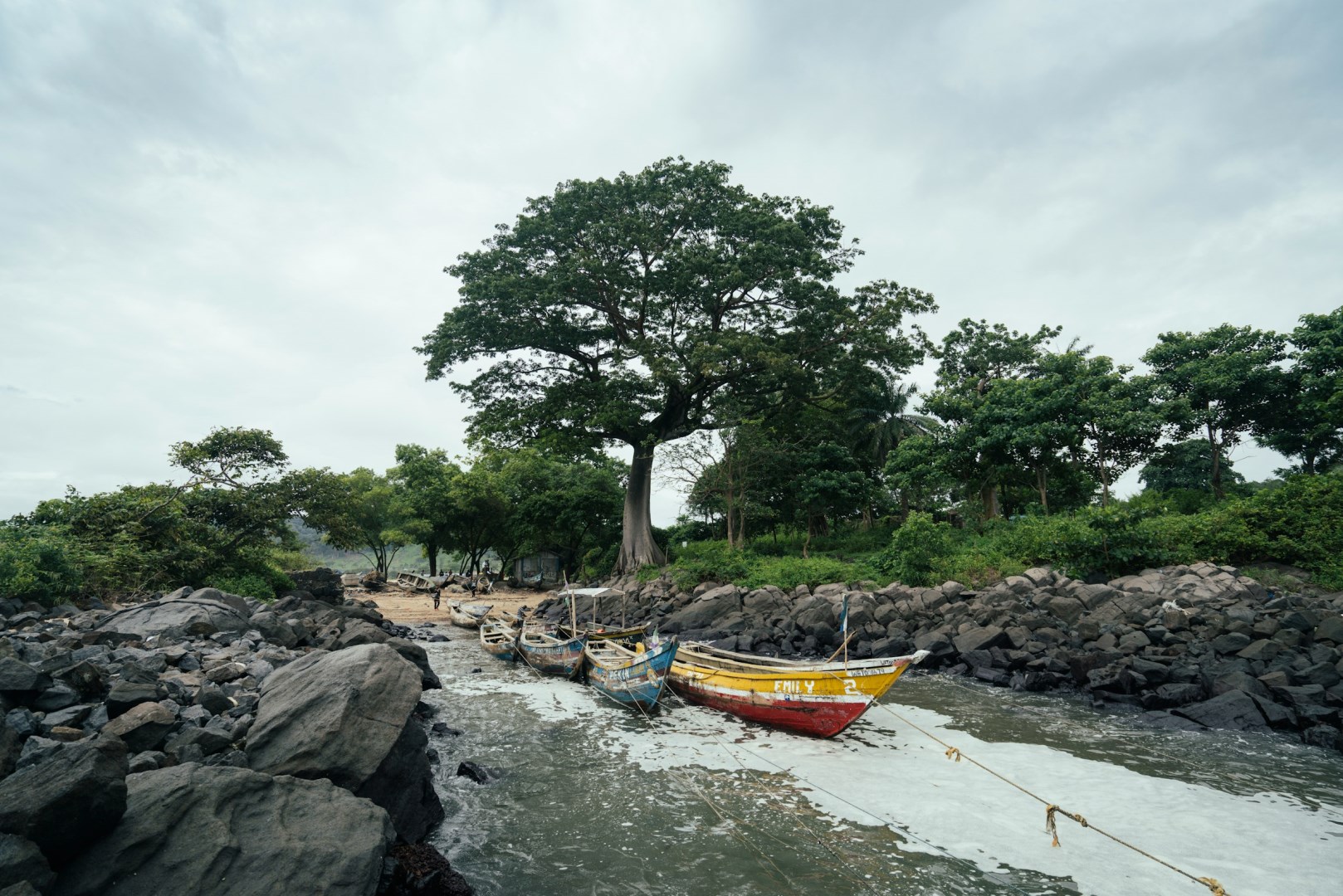
Banana Islands
The Banana Islands are a small group of three islands off the coast of Yawri Bay, southwest of Sierra Leone’s Freetown Peninsula. Dublin and Ricketts are connected by a stone causeway, while smaller Mes-Meheux is uninhabited. The islands combine sandy beaches, tropical forest, fishing settlements, and quiet coastal waters.