Phu Quoc
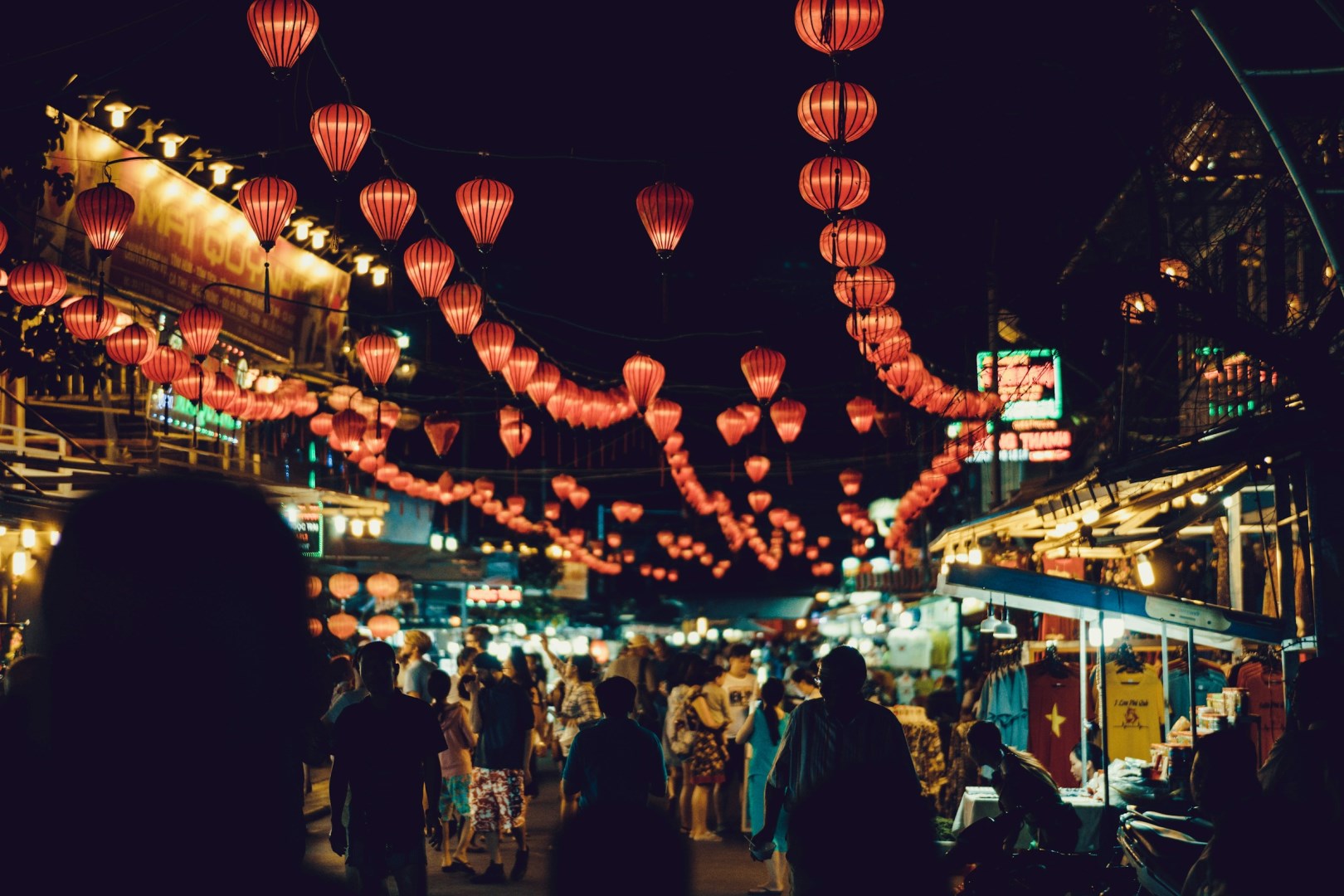
This island in the Gulf of Thailand is known for white sand beaches, lush national parks, and night markets packed with fresh seafood. Visitors can spend mornings snorkeling, afternoons exploring temples, and evenings tasting local fish sauce, one of the island’s specialties.

Le Havre
Le Havre is a captivating port city in Normandy, France where the English Channel meets the Seine River. Having evolved from a small fishing village into a bustling maritime hub, it is a blend of rich history, modern architecture, and stunning natural beauty. The city's historic roots are especially evident in landmarks such as the Graville Abbey, one of the oldest monuments in the area, and the impressive St. Joseph's Church, a modern architectural marvel designed by Auguste Perret.
Nakhitchevan
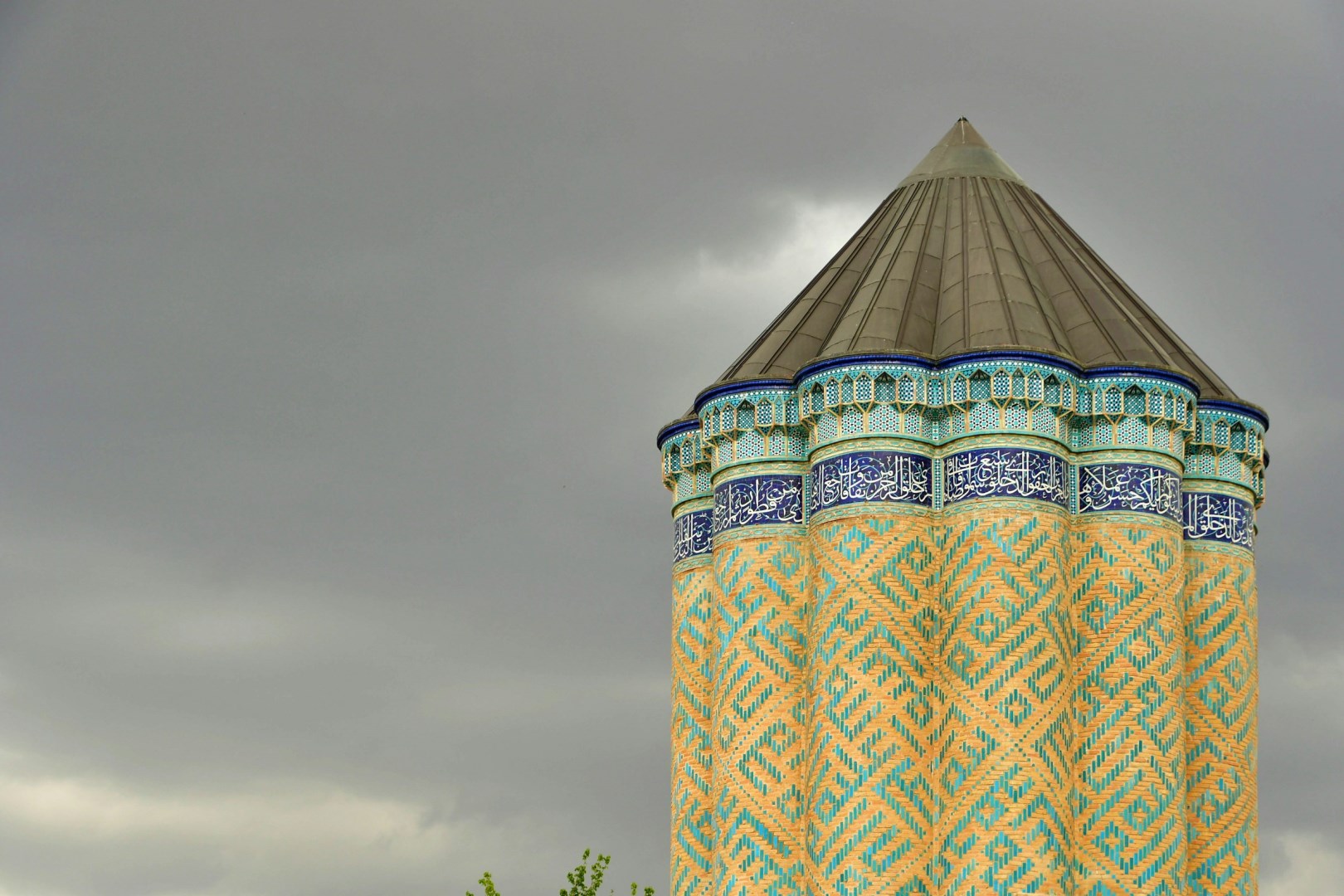
Nakhchivan is the capital of the Nakhchivan Autonomous Republic, an exclave of Azerbaijan located between Armenia, Iran, and Türkiye. The city lies in a broad valley surrounded by dry mountains, with the Nakhchivanchay River and irrigated farmland supporting orchards, vineyards, and gardens. Nakhchivan has a long history as a regional center of settlement, trade, and craftsmanship, and its landscape contains a notable concentration of historic monuments.

Kalambaka
Nestled in the heart of Greece's Thessaly region, Kalabaka is a charming town renowned for its striking natural and historical attractions. Most famous for its proximity to the Meteora rock formation, Kalabaka offers a unique blend of geological marvel and spiritual history.

Pula
Pula, a historic city located on the Istrian Peninsula in Croatia, is renowned for its impressive Roman heritage and vibrant cultural scene. The city's centerpiece is the Pula Arena, one of the best-preserved Roman amphitheaters in the world. This monumental structure, built in the 1st century AD, offers visitors a glimpse into ancient spectacles and gladiatorial contests. Today, it hosts various events, including concerts and film festivals.