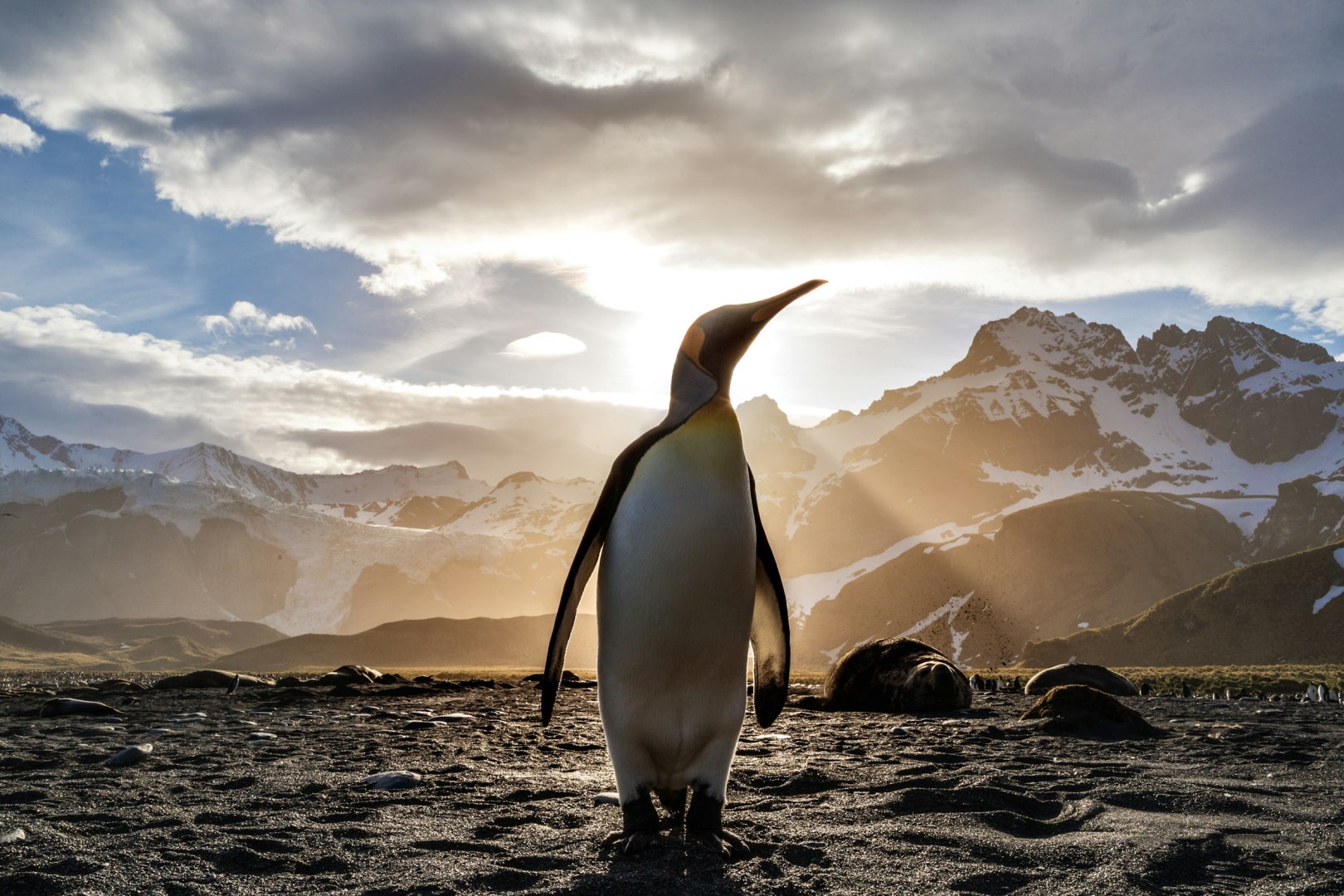
South Georgia
Remote, windswept, and bursting with wildlife, South Georgia is a sub-Antarctic island that surprises nearly everyone who steps ashore. Though uninhabited by civilians, the island hosts a small British research station and welcomes visitors via expedition cruises. What draws people here is not luxury or convenience, but the scale of its wildness.
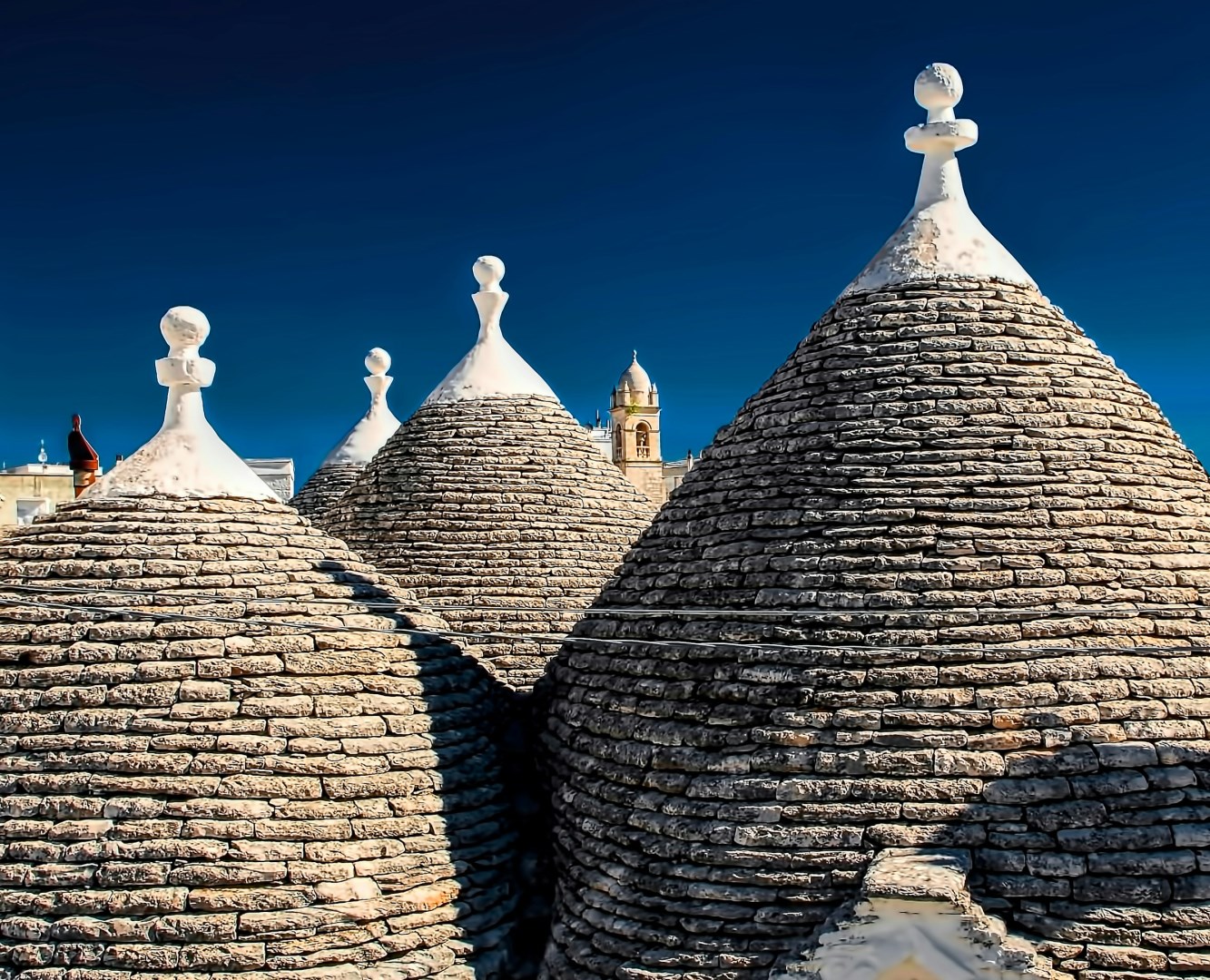
Alberobello
Alberobello in southern Italy’s Puglia region captures the imagination with its distinctive trulli houses. These structures were built using a dry-stone technique passed down over centuries, without mortar or cement, and their unique form comes from layer upon layer of limestone nestled from nearby fields. Alberobello’s trulli are so remarkable that in 1996 the historic center was inscribed as a UNESCO World Heritage Site, where more than 1,600 of these buildings still stand.

Stromboli
Stromboli is a small volcanic island in the Tyrrhenian Sea, just off the north coast of Sicily. Referred to by some as the "Lighthouse of the Mediterranean," Stromboli is in a constant state of mild volcanic activity, so don't venture out on a hike without an experienced guide.
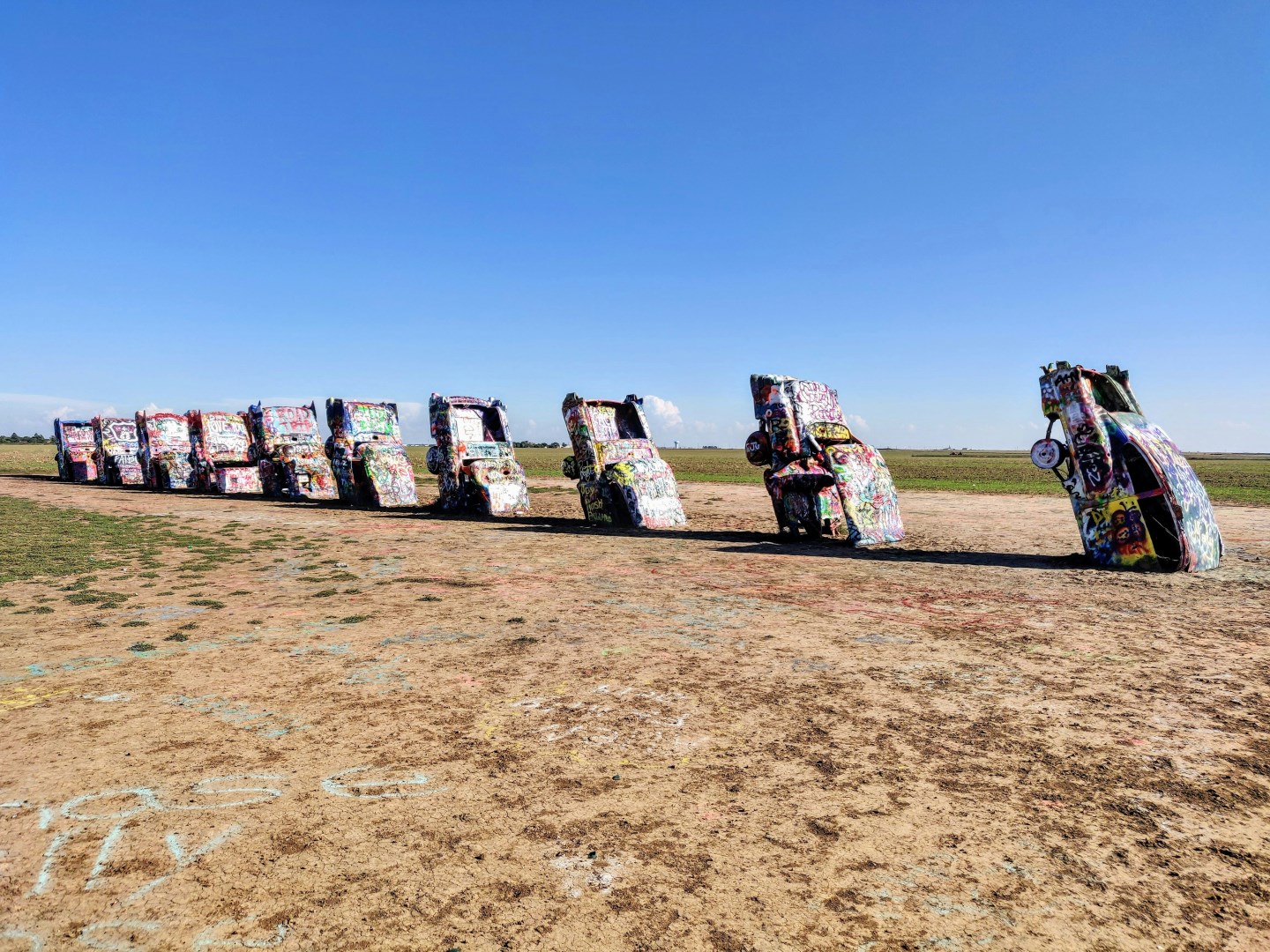
Amarillo
Amarillo is a city in the Texas Panhandle known for its wide-open plains, cattle industry, and strong connection to Route 66 culture. Positioned along Interstate 40, the city developed as a transportation and trade center serving ranching communities across the region.
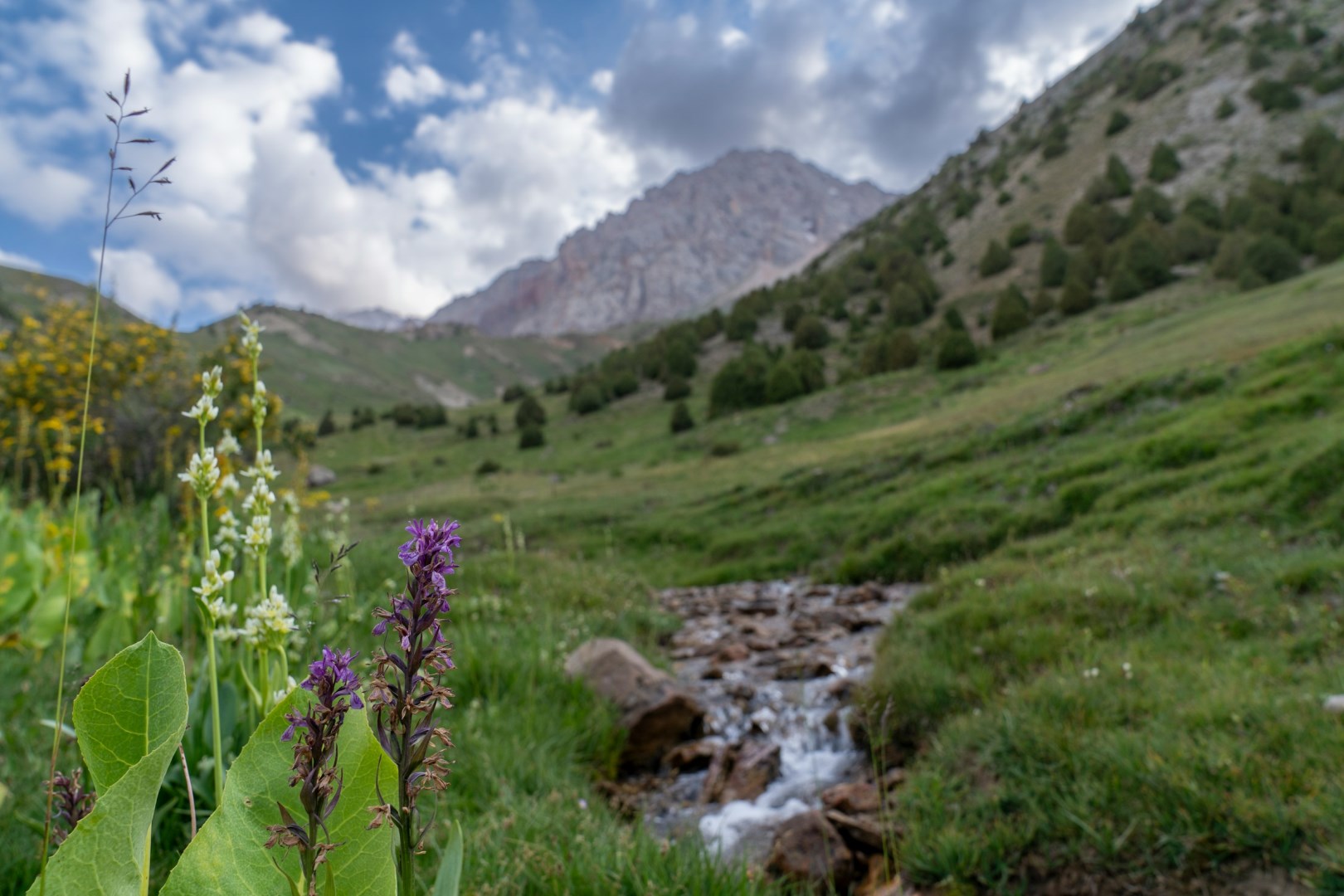
Fann Mountains
The Fann Mountains are a high mountain range in western Tajikistan, forming part of the Pamir-Alai system between the Zeravshan and Hisor ranges. The region is known for steep peaks, deep valleys, glaciers, alpine lakes, and juniper-covered slopes. Several summits rise above 5,000 meters, including Chimtarga, the highest peak in the Fann Mountains. The range is accessible from settlements such as Ayni and Panjakent and contains some of Tajikistan's most recognized mountain landscapes.