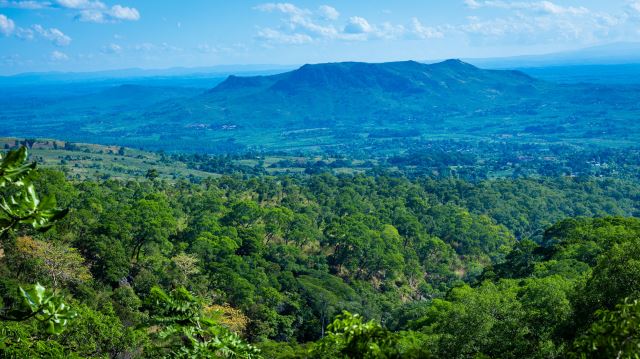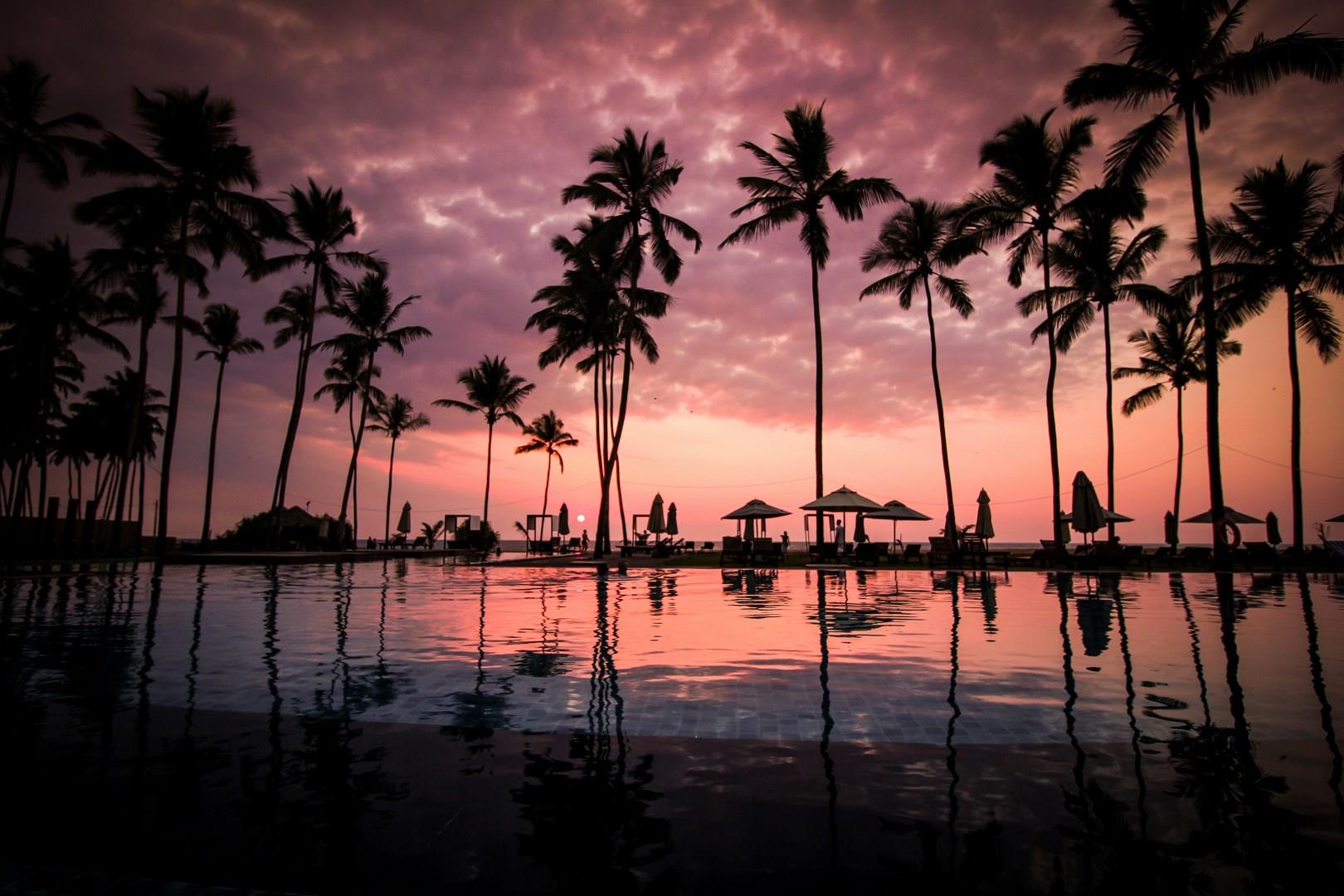
Negombo, located just north of Colombo and minutes from Sri Lanka’s main international airport, offers a coastal town experience steeped in layered history and local life. Once a vital trading post for cinnamon during the colonial era, Negombo has seen Portuguese, Dutch, and British influence with each leaving a mark on its architecture and culture. The Dutch-era canal system, still used by fishermen and local vendors today, runs through parts of the town and can be explored by boat or bicycle.
Matera, one of Italy's most enchanting cities, is a living testament to human resilience and creativity. Nestled in the southern region of Basilicata, Matera is renowned for its ancient cave dwellings, known as the Sassi. These prehistoric stone houses, carved directly into the limestone rock, date back thousands of years, making Matera one of the world's oldest continuously inhabited cities.
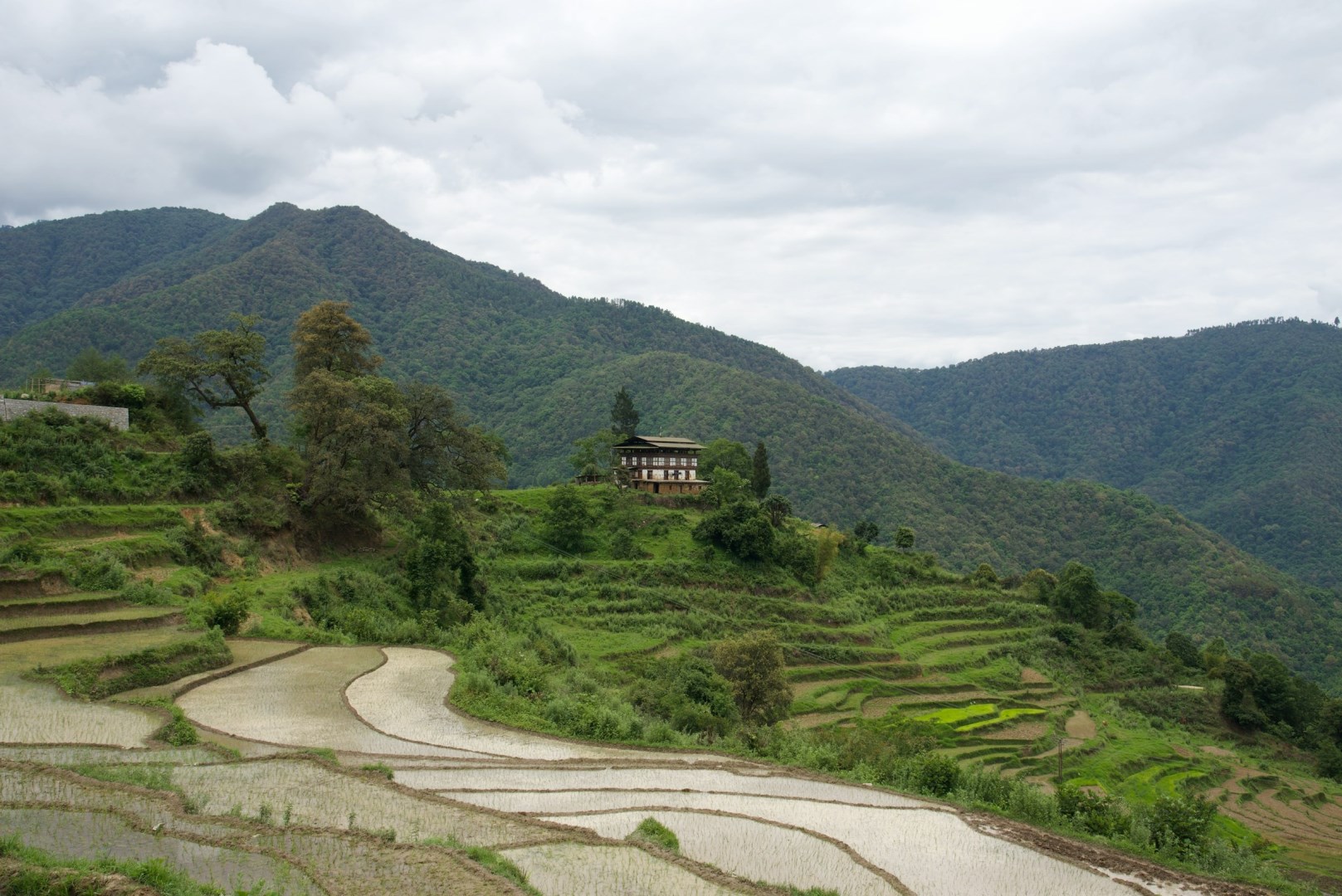
Khuruthang is a small town in Punakha District in western Bhutan, situated along the Punatsangchhu River in the fertile Punakha Valley. It serves as the main township of Punakha and contains residential areas, shops, government institutions, schools, and a local market. The town is surrounded by hills, villages, and cultivated land, with rice fields visible across parts of the valley. Khuruthang is also an important stopping point for travelers visiting nearby Punakha, making it a practical base
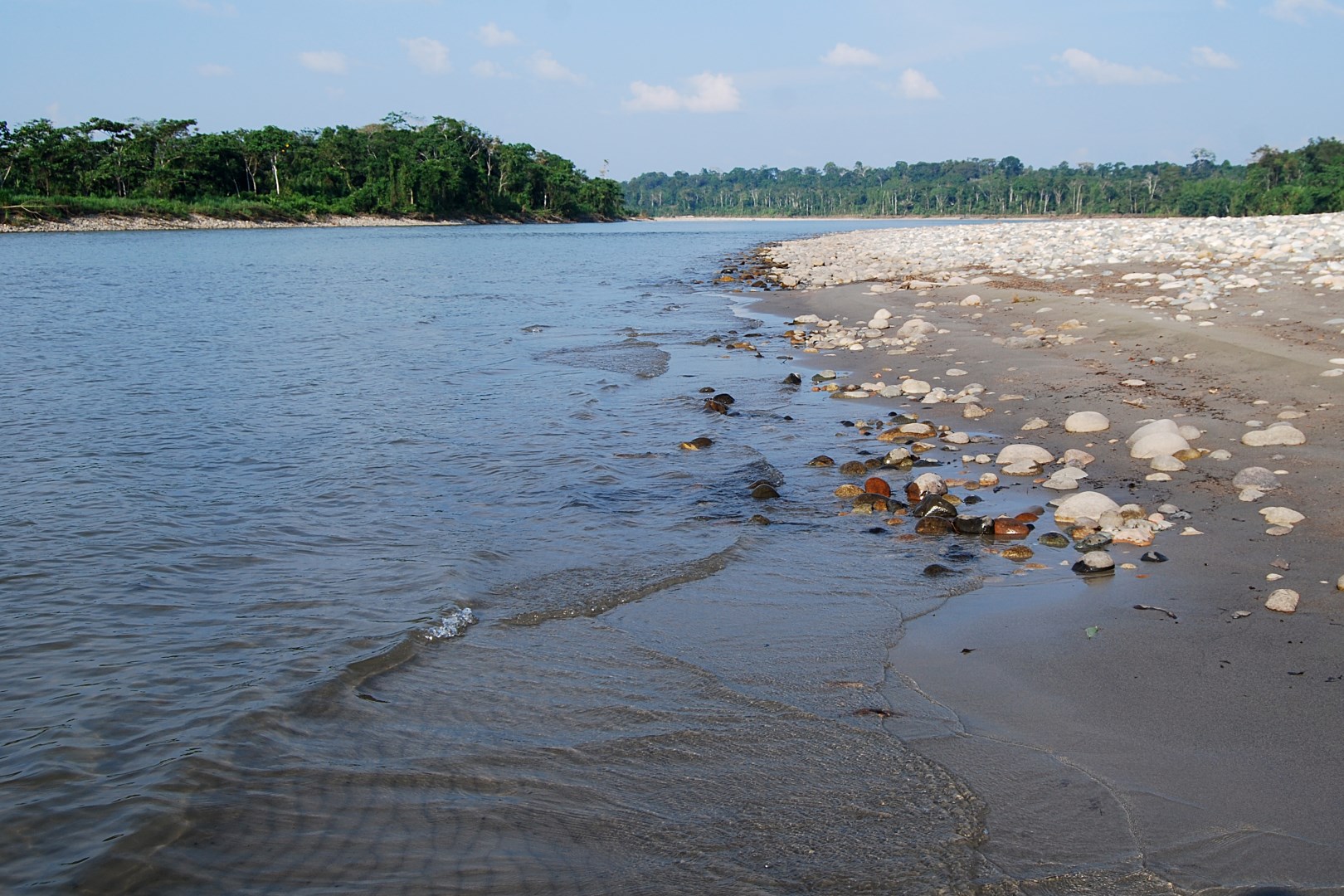
A tributary of the Amazon, the Napo River (Río Napo) originates in the east Andes mountains. It flows east through Ecuador, then southeast into Peru, where it joins the larger river roughly 50 miles downstream from Iquitos.
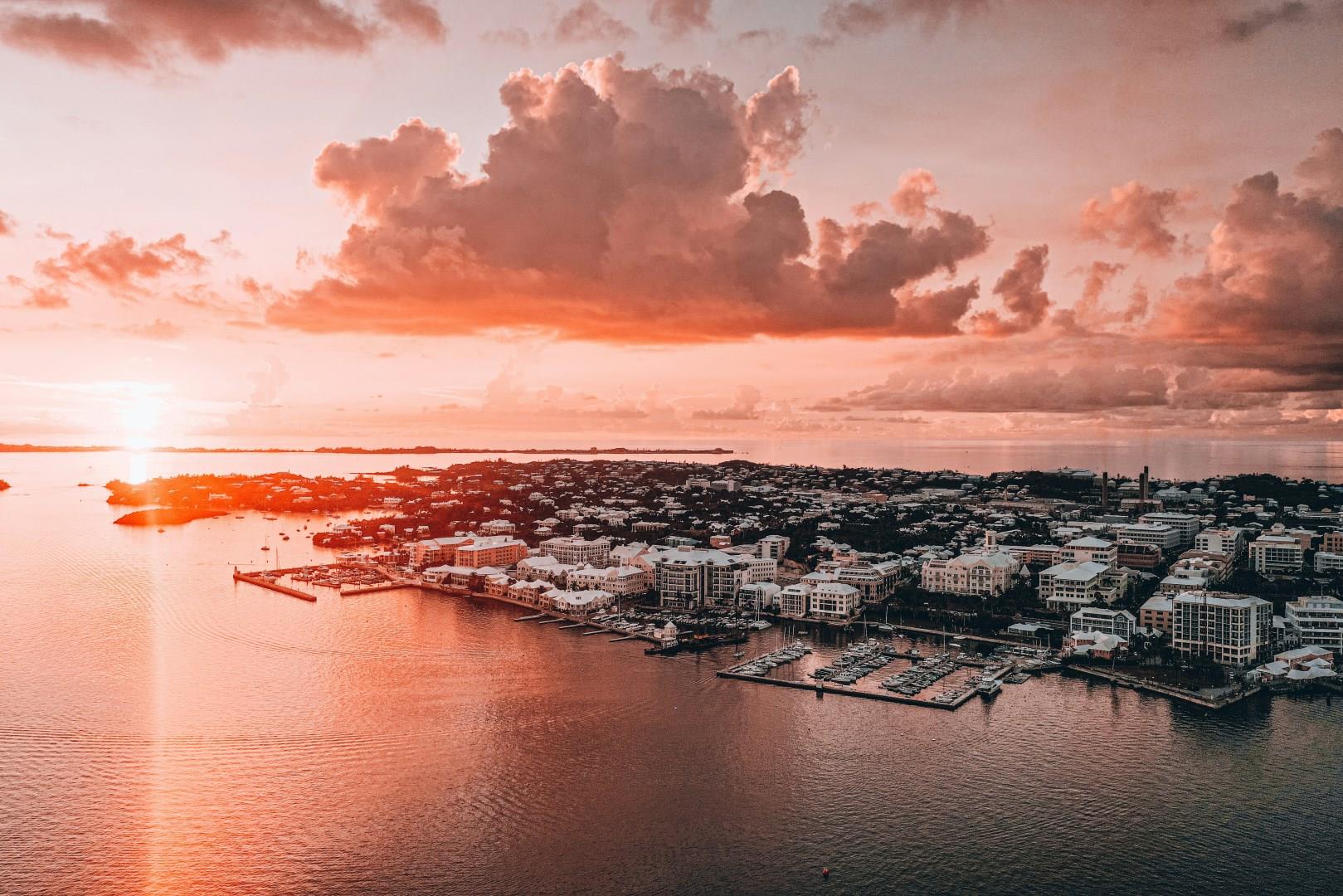
Hamilton, the capital of Bermuda, is the island’s lively cultural and commercial heart. Established in 1793, the city blends colonial charm with a modern island vibe, framed by pastel buildings and a picturesque harbor.
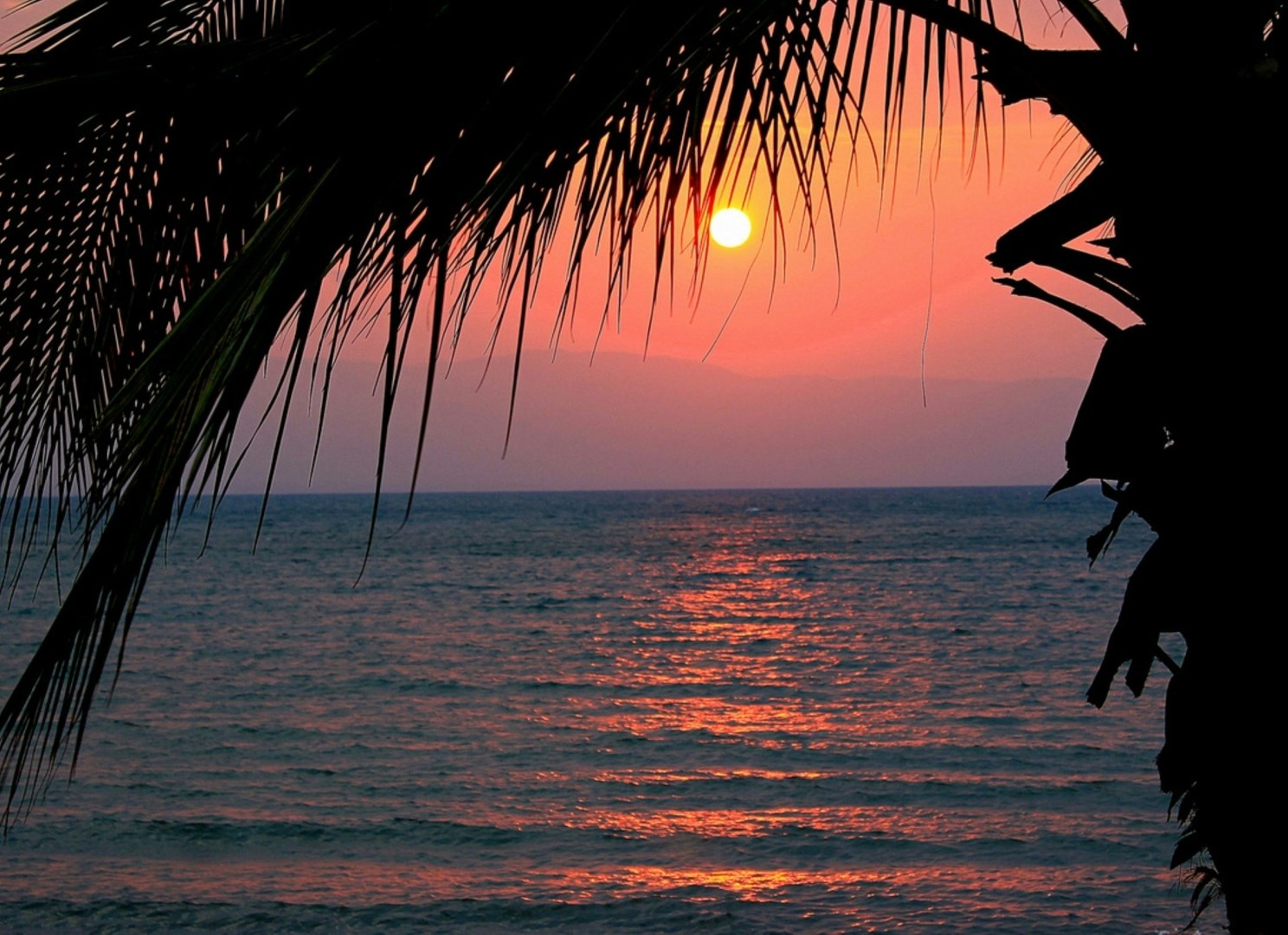
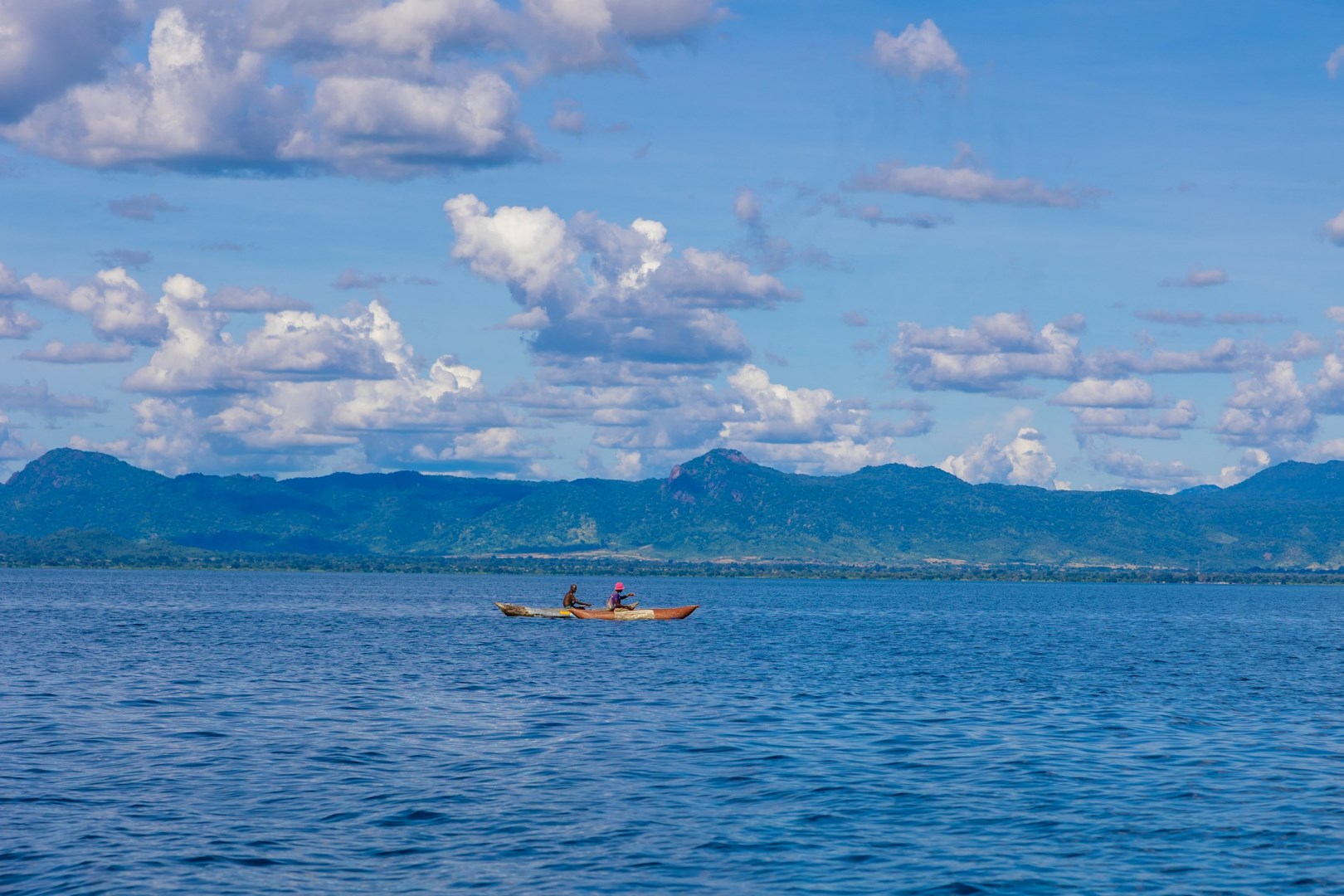
Lake Malawi - The Lake of Stars - is an immense inland sea of fresh, crystal clear water in which tropical fish abound. Its shores and the deserted islands which dot its surface are home to a variety of game and an abundance of exotic birdlife. Local fishermen leisurely paddle their traditional "mokoros", or dugouts, across its expanse, and the sun drenched serenity is but enhanced by the shriek of a Fish Eagle or the grunting of distant hippo.
Lake Malawi is one of a series of lakes in Africa's Rift Valley. It is the ninth largest lake in the world, with a surface area of about 30,000 square km, a length of about 580 km, and is approximately 704 meters deep. Lake Malawi has a very diverse bottom, ranging from rocky, to sandy, to heavily planted areas. As with Lake Tanganyika, the lower layers of the lake are completely devoid of oxygen and uninhabitable by fish. It was reported in "African Cichlids of Lakes Malawi and
Tanganyika-12th Ed." that there are 225 known species of cichlids in the lake, with 40+ species of non-cichlids. Lake Malawi's fish population is a prime food source for many Malawi inhabitants. Lake Malawi National Park, opened in 1980 near Monkey Bay, was put in place to protect the many cichlid species of the lake from extinction due to over-fishing and
collection for export.
Other Popular Destinations in Malawi
Lilongwe
Lilongwe, the capital of Malawi, blends modern development with a laid-back atmosphere, offering visitors an introduction to the country’s culture and daily life. Markets are at the heart of Lilongwe’s character, with the bustling Old Town Market standing out as a must-visit. Here, traders sell everything from fresh produce and local crafts to colorful fabrics and handmade goods.
Zomba
Zomba is a city in southern Malawi situated at the foot of the Zomba Plateau, a large mountain massif rising above the surrounding Shire Highlands. The city is known for its tree-lined streets, cooler climate, and access to forested mountain landscapes. Zomba Plateau dominates the local scenery, with steep slopes, streams, waterfalls, and broad viewpoints overlooking the plains below.