Bulgaria is a republic in southeastern Europe. The capital and largest city is Sofiya. Bulgarian culture has been influenced successively by Byzantine, Greek, Russian, and Western cultures.
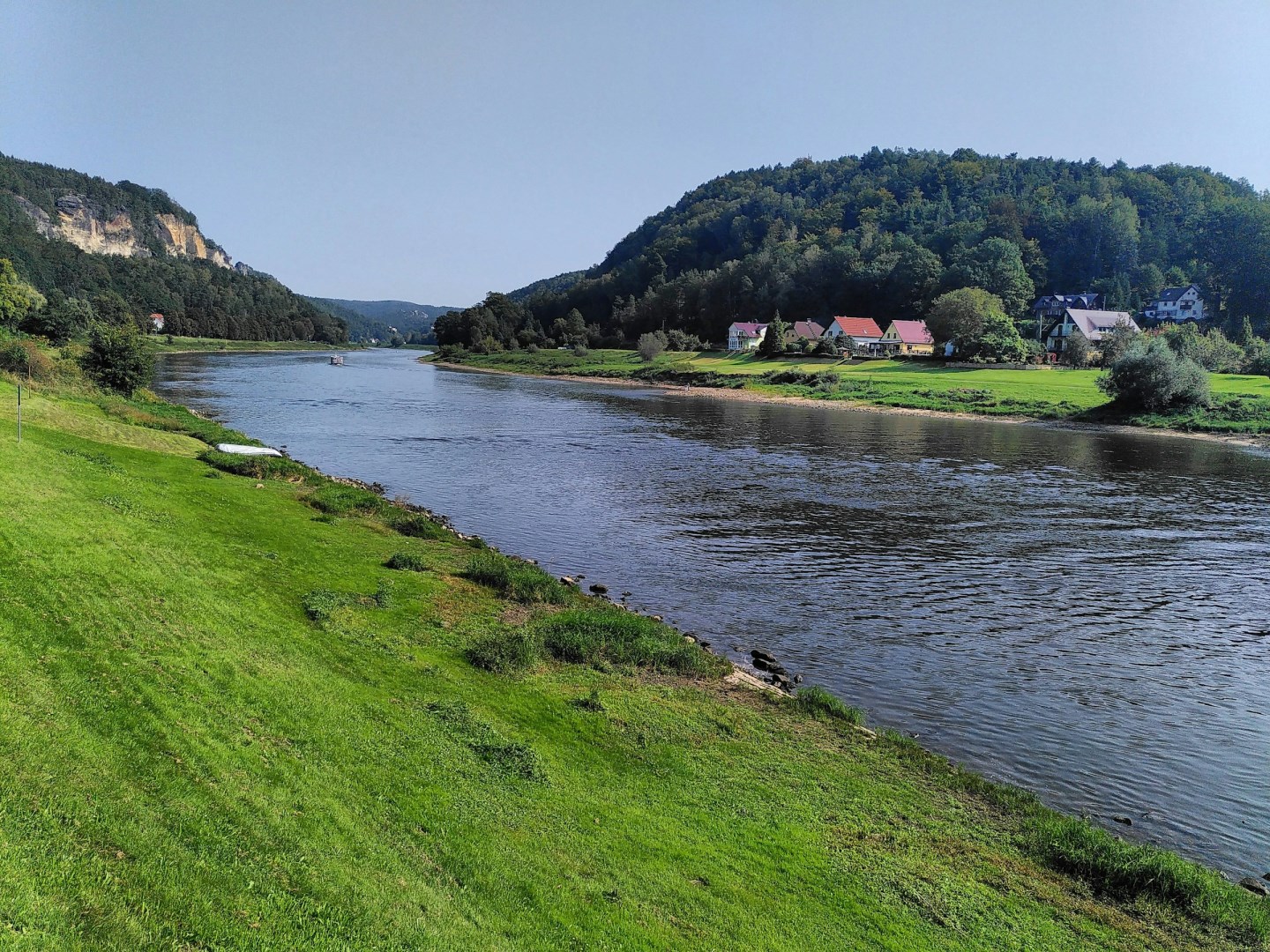
The Elbe is one of the Central Europe's greatest rivers, rising in the northern Czech Republic, traversing through Bohemia and Germany, and flowing into the North Sea not far from Hamburg. The river and its route have been largely untouched, so wildlife visibly abounds along its wetlands and wooded regions. Other scenery includes terraced vineyards and charming wine villages.
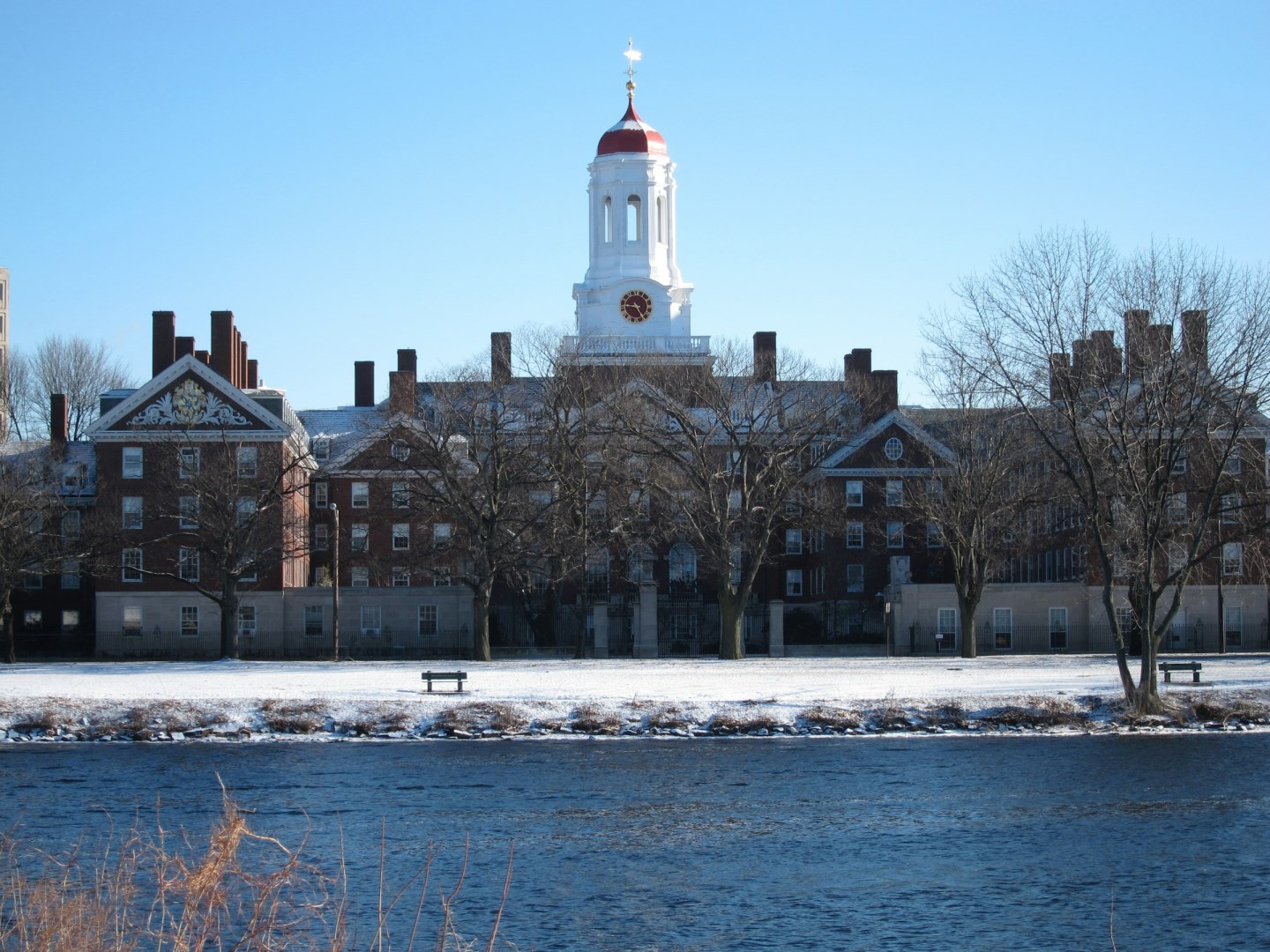
Cambridge, Massachusetts, sits across the Charles River from Boston and is known for its universities, historic neighborhoods, research institutions, and distinctive network of public squares. Harvard University and the Massachusetts Institute of Technology give the city an international academic profile, while areas such as Harvard Square, Central Square, Kendall Square, and Inman Square each have their own mix of shops, restaurants, cultural venues, and businesses.
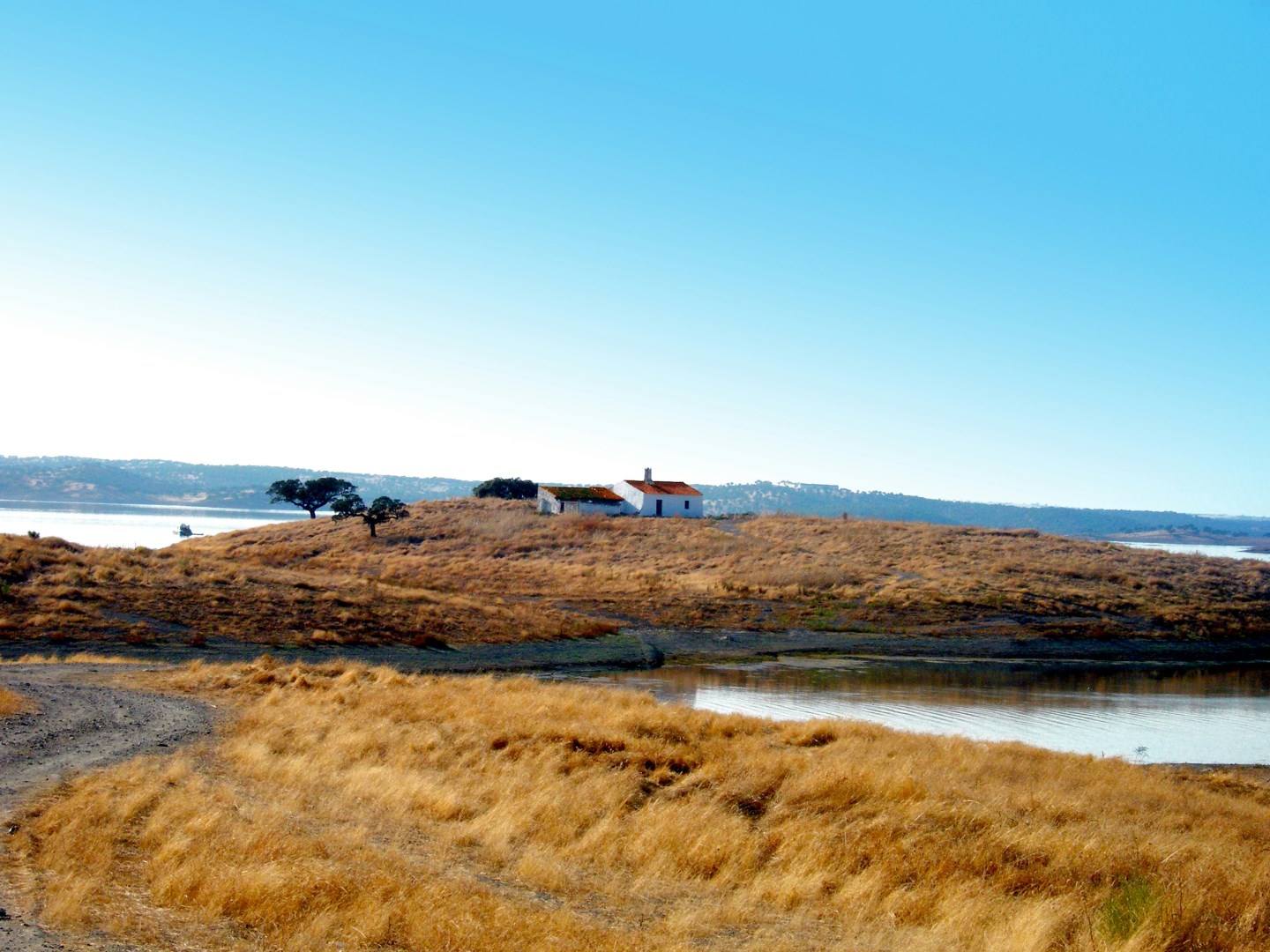
Alentejo is a large region in southern Portugal known for its wide plains, cork oak forests, whitewashed towns, and slower rural pace. Stretching from the Tagus River to the Algarve and from the Atlantic coast to the Spanish border, it covers much of the country’s interior farmland and wine-producing territory.
Skopje, the capital of North Macedonia, offers a fascinating blend of ancient history and modern transformation. A walk through the city reveals layers of Roman, Byzantine, and Ottoman influences, making it a treasure trove for history lovers. Begin your journey at the iconic Stone Bridge, a symbol of the city that dates back to the 15th century, linking the Ottoman Old Bazaar with Skopje’s modern city center.
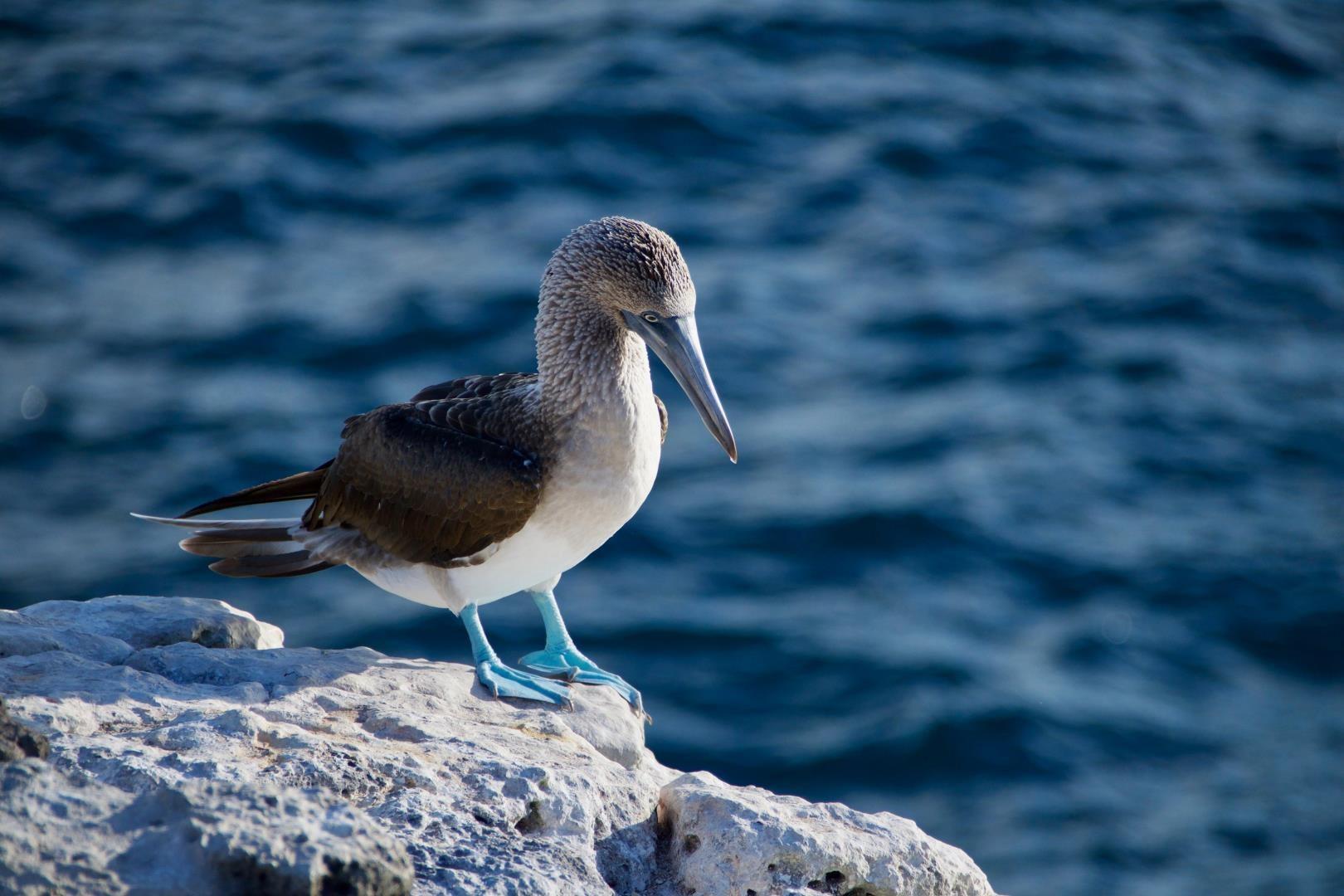
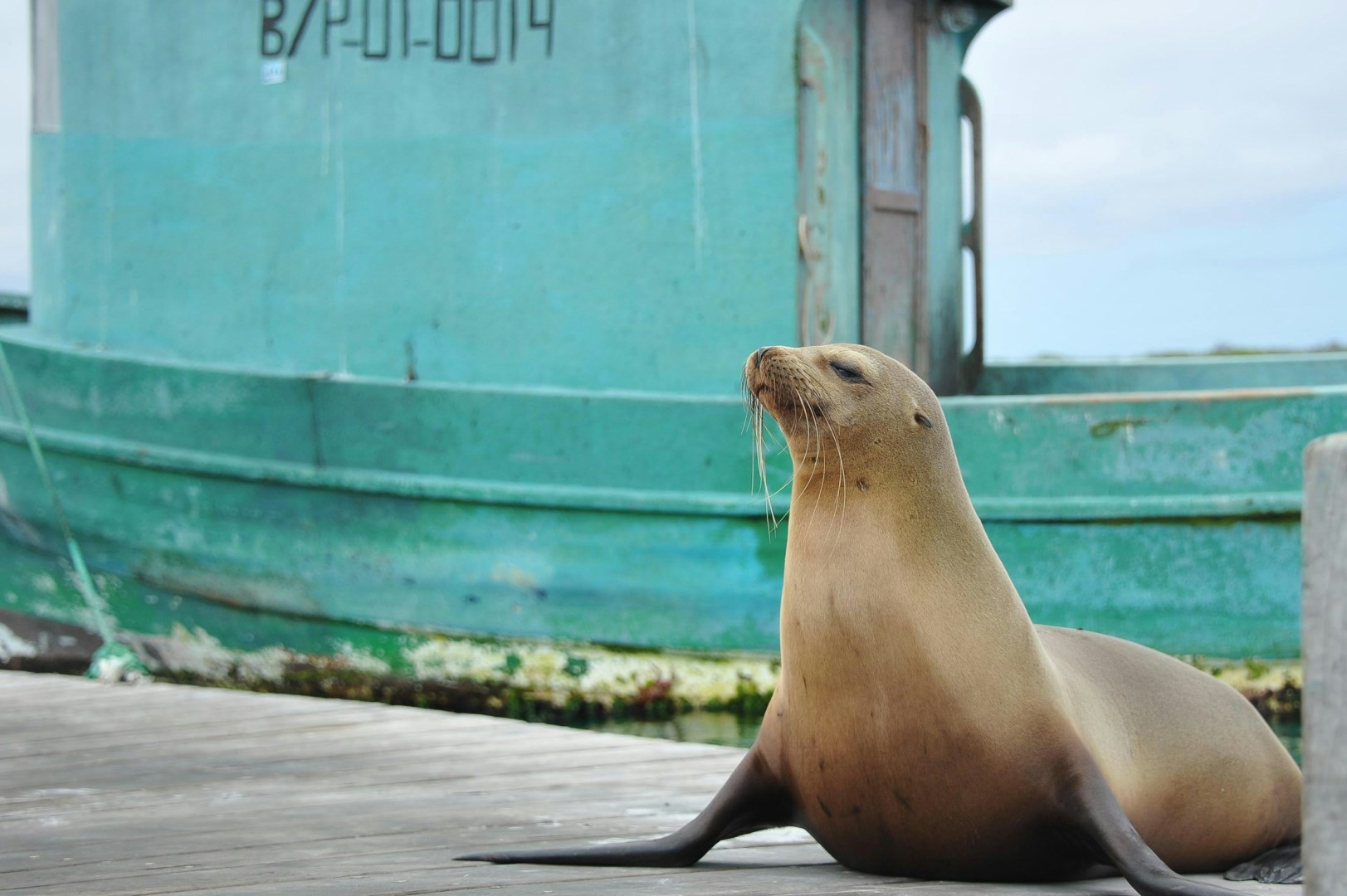
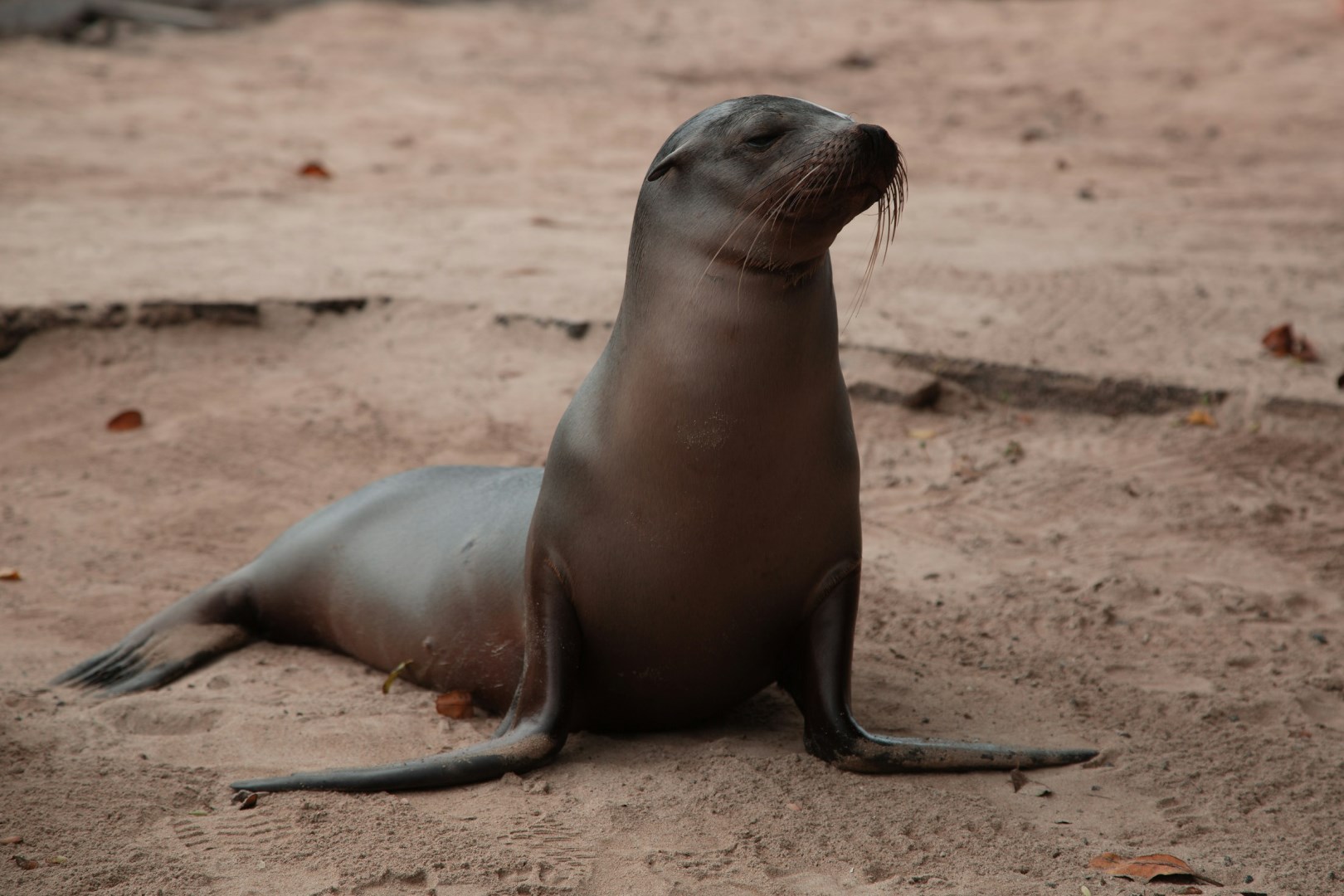
Photo Credit: Photo by Bjarn Bronsveld on Unsplash
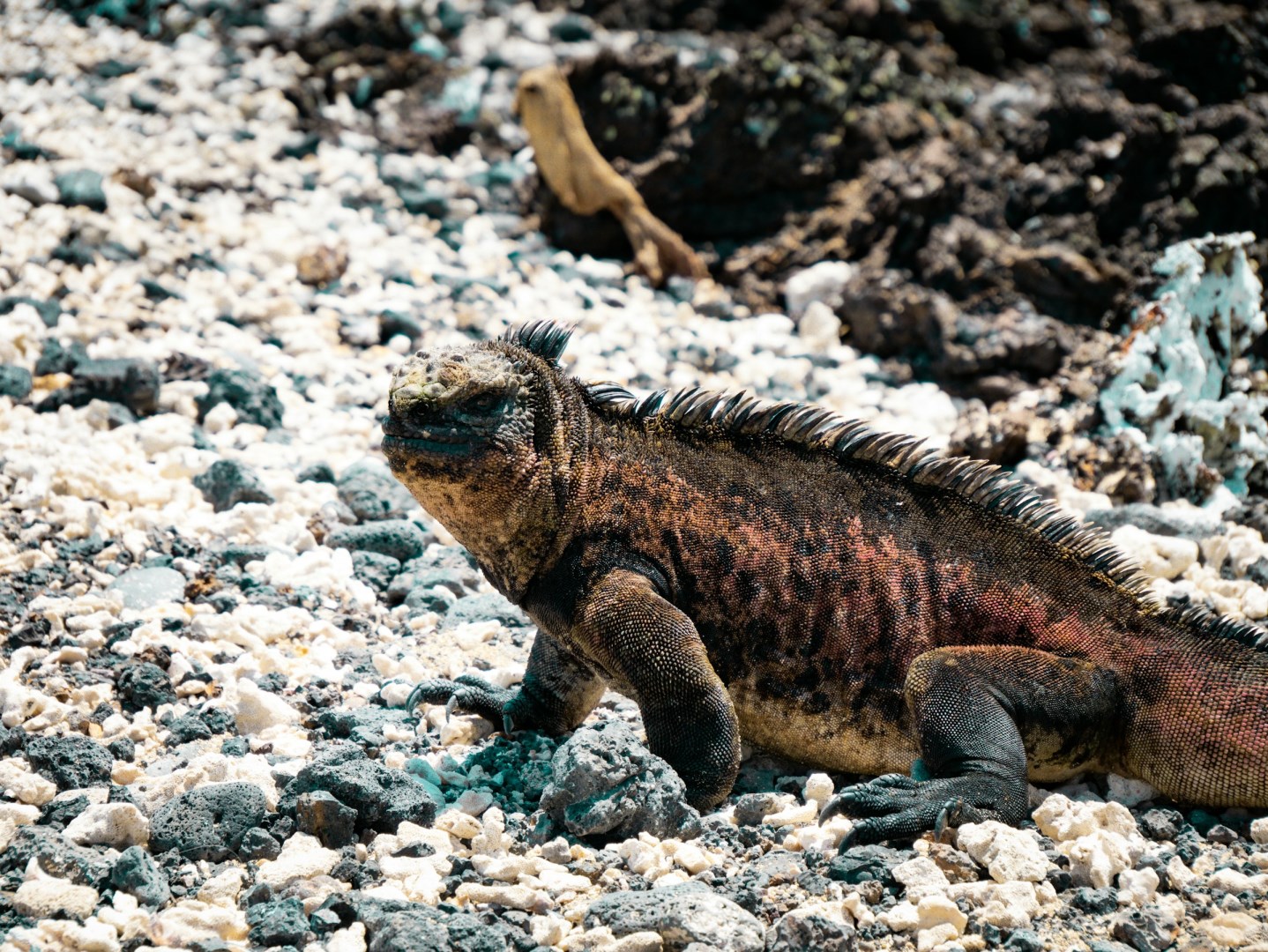
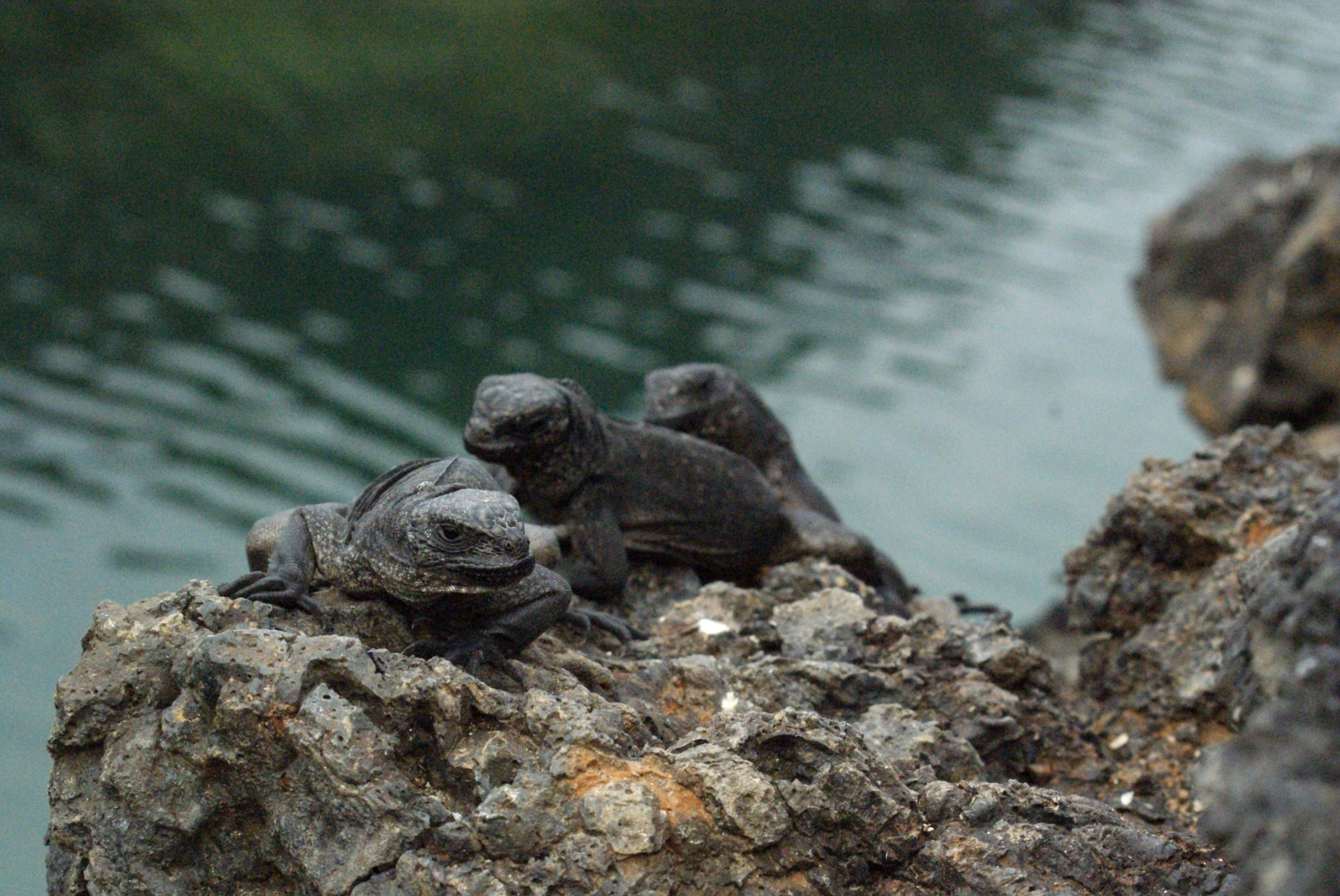
Marine iguana
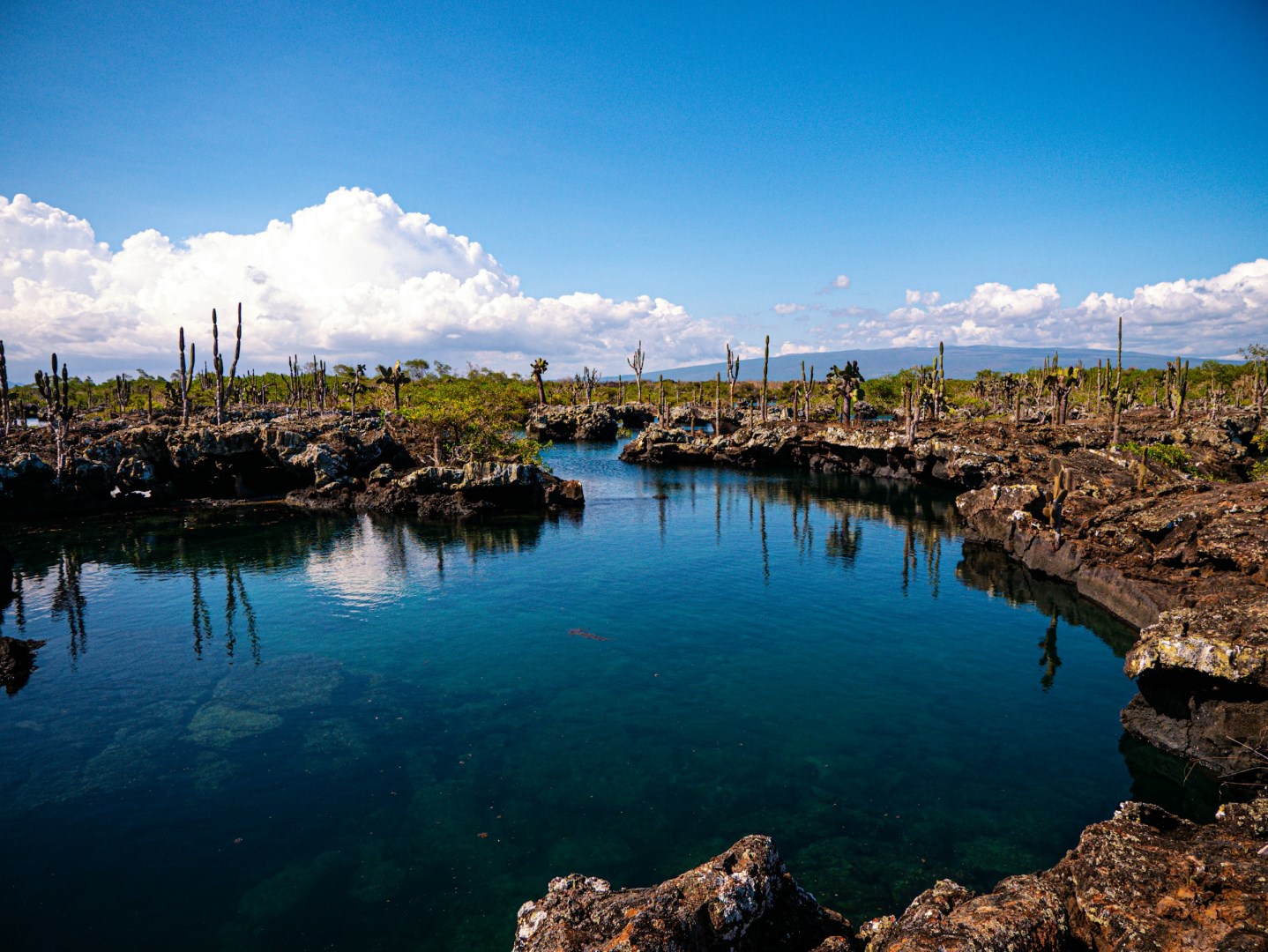
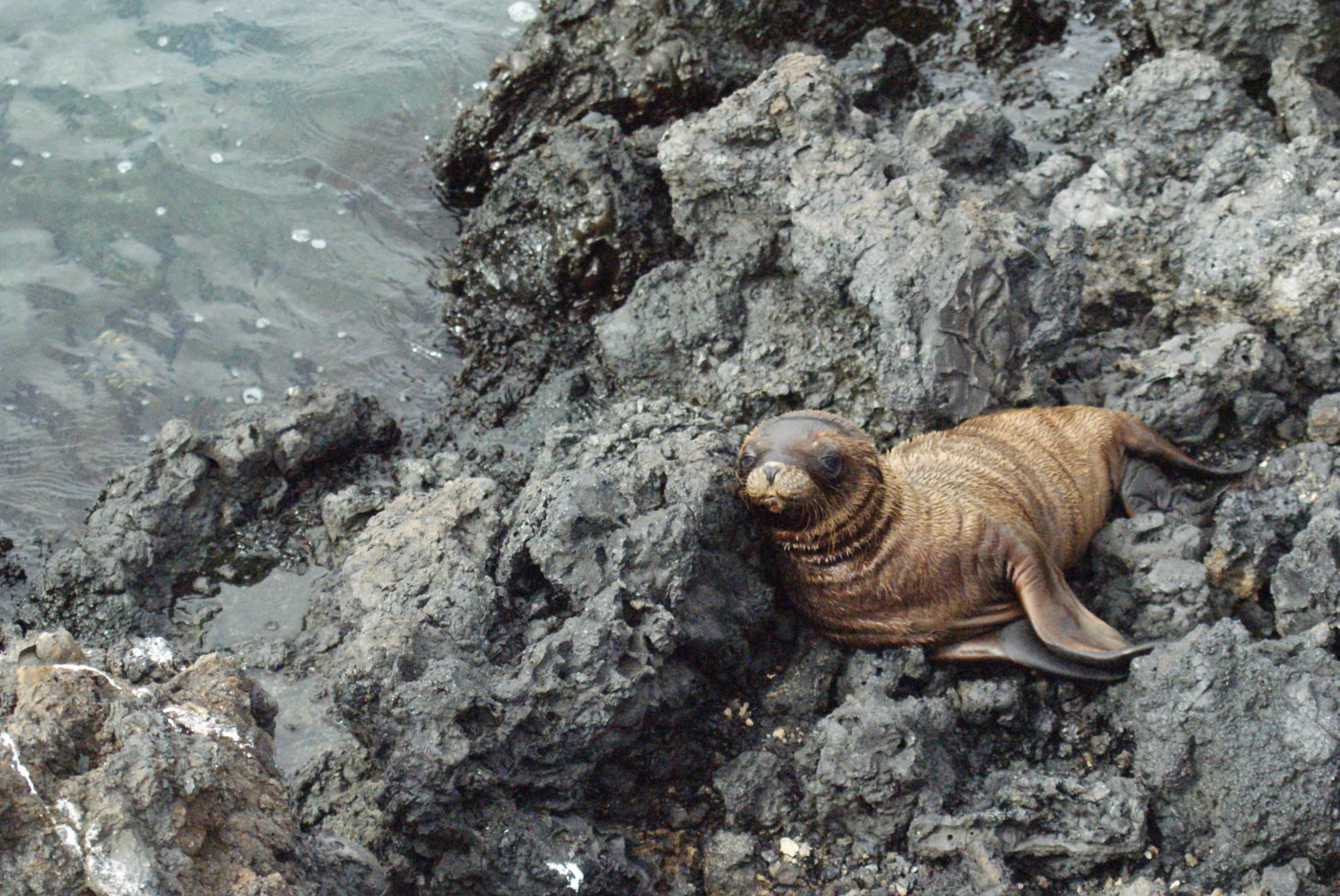
Photo Credit: Photo by Bjarn Bronsveld on Unsplash
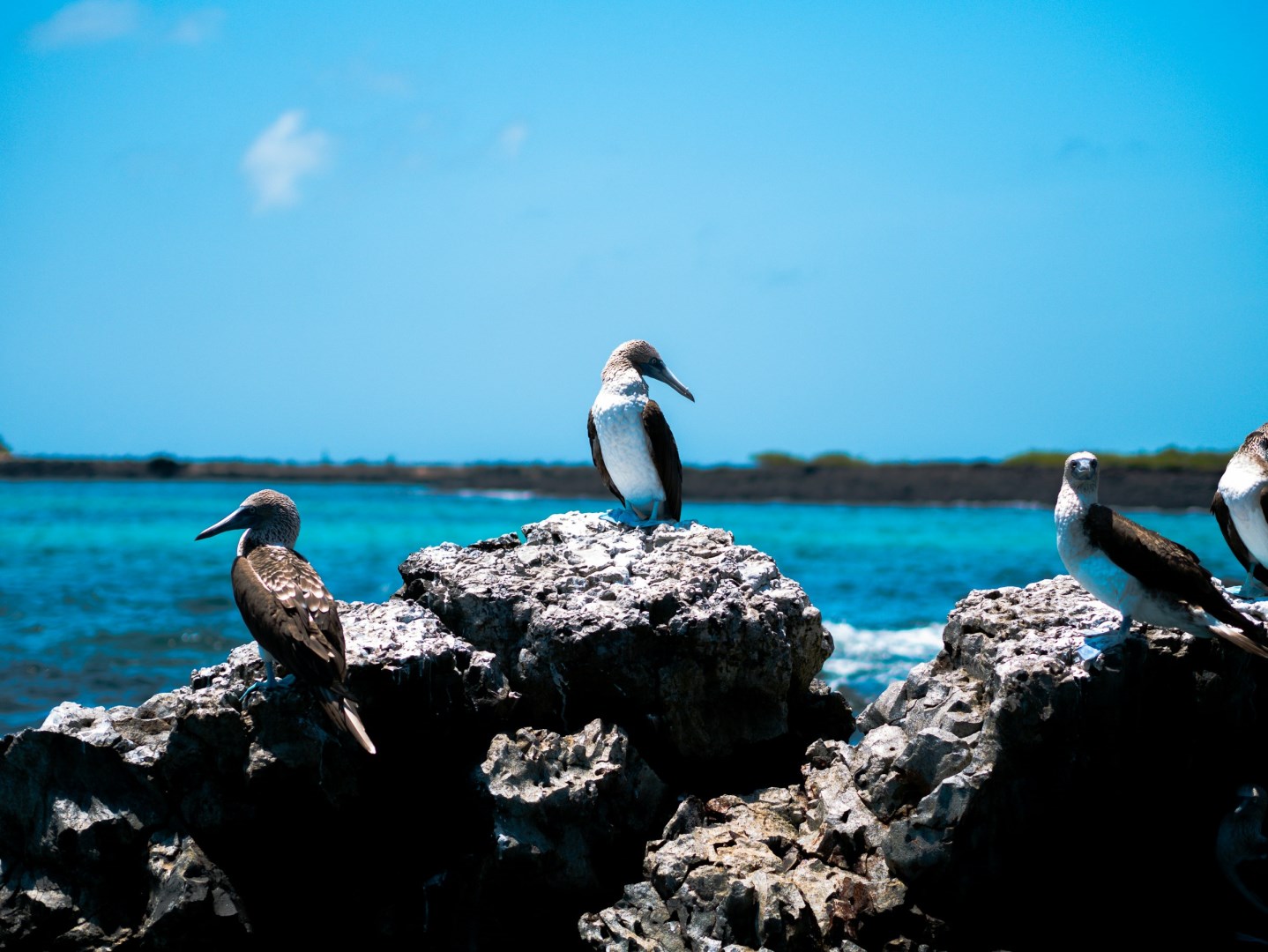
Blue Footed Boobies
Photo Credit: Photo by Bjarn Bronsveld on Unsplash
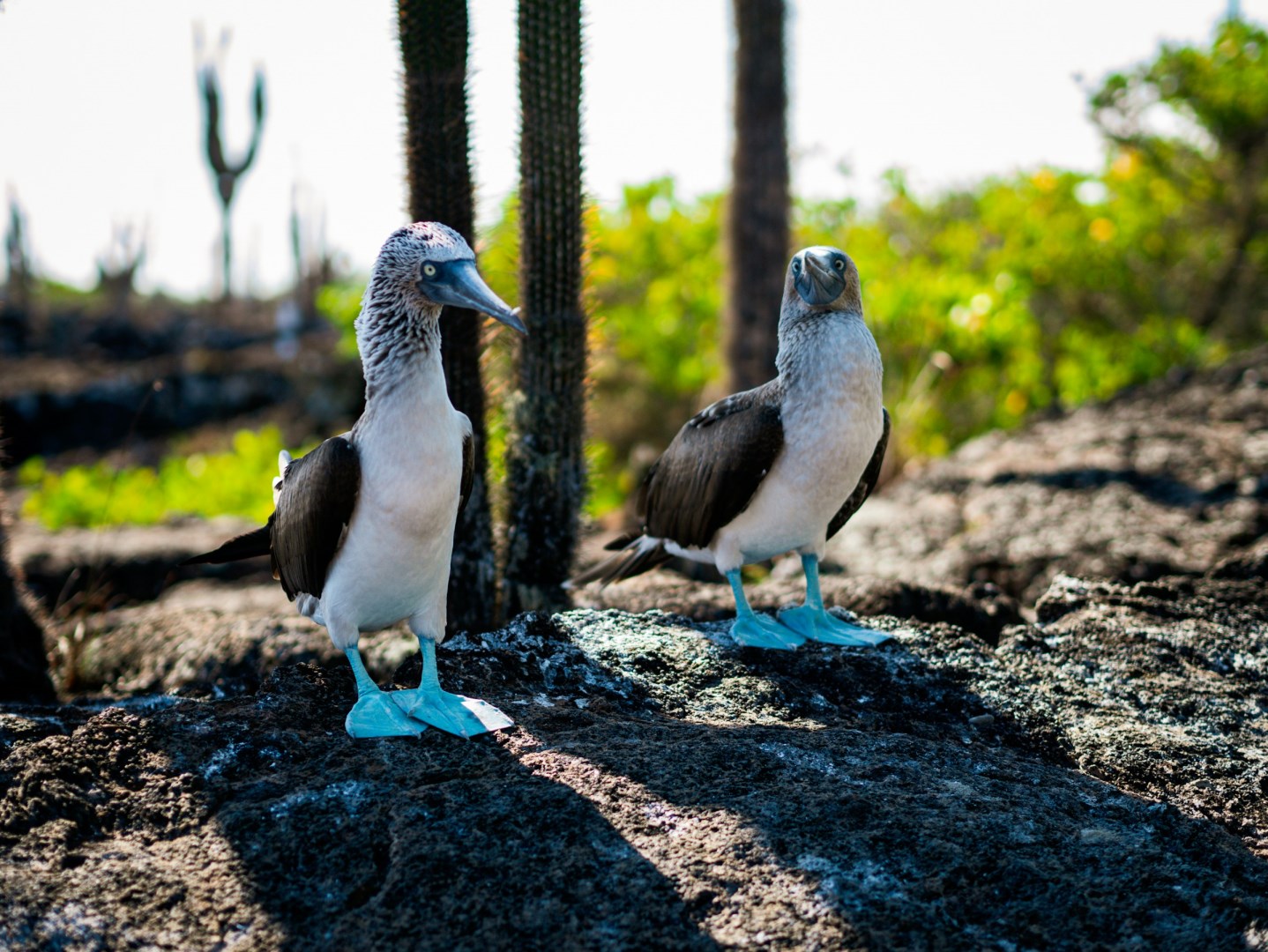
Blue Footed Boobies
Photo Credit: Photo by Bjarn Bronsveld on Unsplash
Photo Credit: Photo by Rein Ketelaars on Unsplash
Photo Credit: Photo by Sofia on Unsplash
Photo Credit: Photo by Dallas Krentzel Wikimedia
Photo Credit: Photo by Dallas Krentzel from Wikimedia
Isabela Island is the largest of the Galapagos islands, on the western end of the archipelago. Shaped like a seahorse when viewed from above, Isabela is home to more wild tortoises than any other island, as well as a wide variety of other animal, bird and marine life.
On Isabela's west coast lies Tagus Cove, a natural protected harbor where centuries ago whalers safely spent the night and left their ships' signatures painted on the rocks. Near Elizabeth Bay, Moreno Point is a birdwatcher's delight. Further inland, visitors will find six volcanoes, five of which are still active and two that sit directly on the Equator. At the base of Alcedo Volcano is Urbina Bay, a perfect spot for snorkeling and home to the biggest land iguanas in the Galapagos.
To the north, located at the "mouth" of the island, is Punta Vicente Roca. Although it's a marine-only site (meaning it can only be accessed via dinghy or SCUBA diving), the formation nonetheless draws plenty of visitors eager to see its spectacular sea life - penguins, seahorses, sea turtles, sunfish, and more.
Other Popular Destinations in Ecuador
Guayaquil
Guayaquil, Ecuador, is a vibrant port city and a frequent starting point for cruises to the Galapagos Islands.
Galapagos Islands
Off the coast of Ecuador, the iconic and biodiverse Galápagos Islands, made famous by Charles Darwin’s nineteenth-century research expeditions on HMS Beagle, beckon you. This glittering archipelago, surrounded by vivid turquoise waves, abounds with stunning beaches and spectacular wildlife, perfect for the adventurous traveler.