Kalsoy
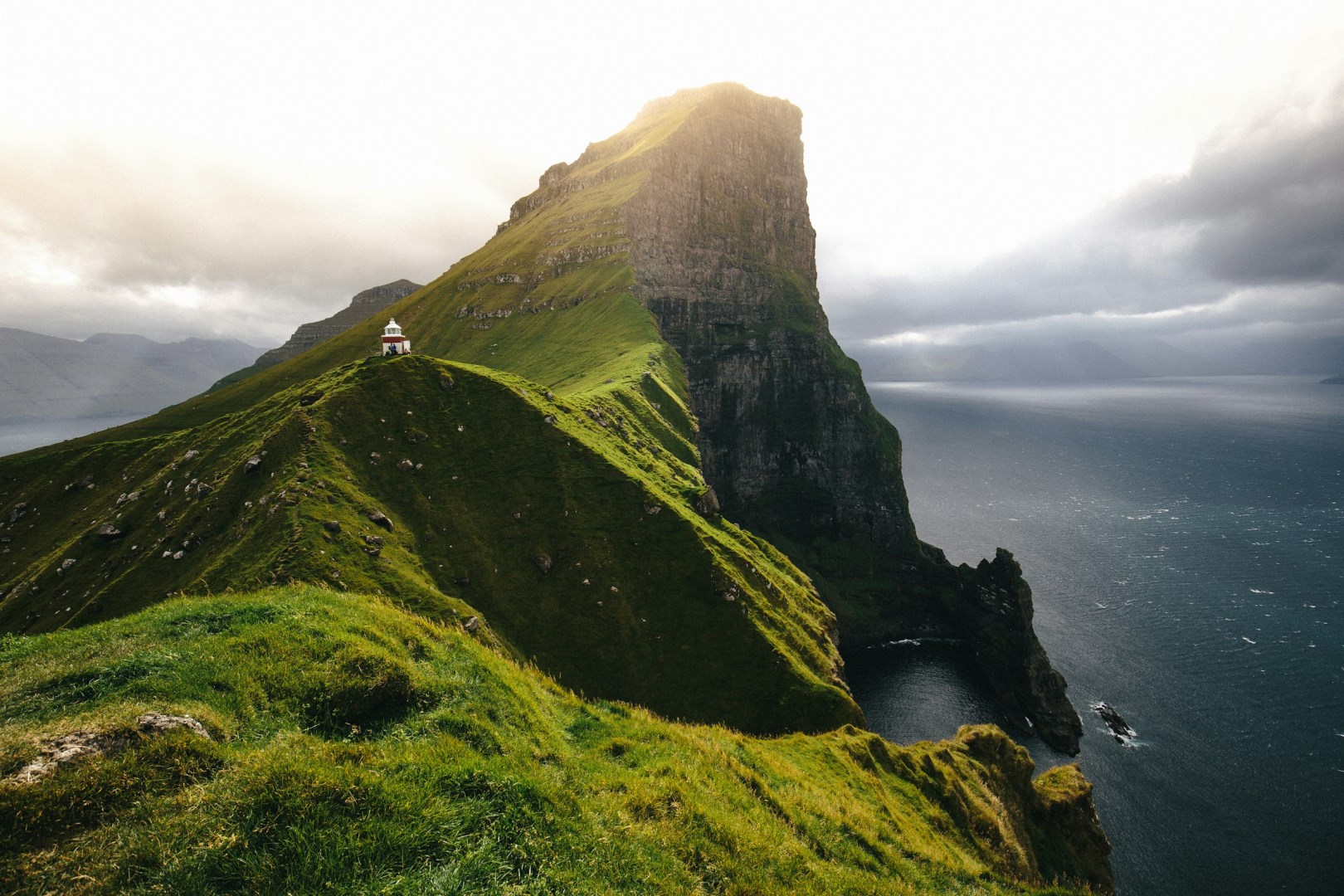
Kalsoy is a narrow, mountainous island in the northern Faroe Islands, known for its steep eastern cliffs, deep valleys, and small settlements along the western side. The island is reached by ferry from Klaksvík, and its road passes through several short tunnels as it connects the villages of Húsar, Mikladalur, and Trøllanes. Much of Kalsoy remains open pasture and rugged mountain terrain, with the sea visible from almost every part of the island.
Lake Mburo National Park
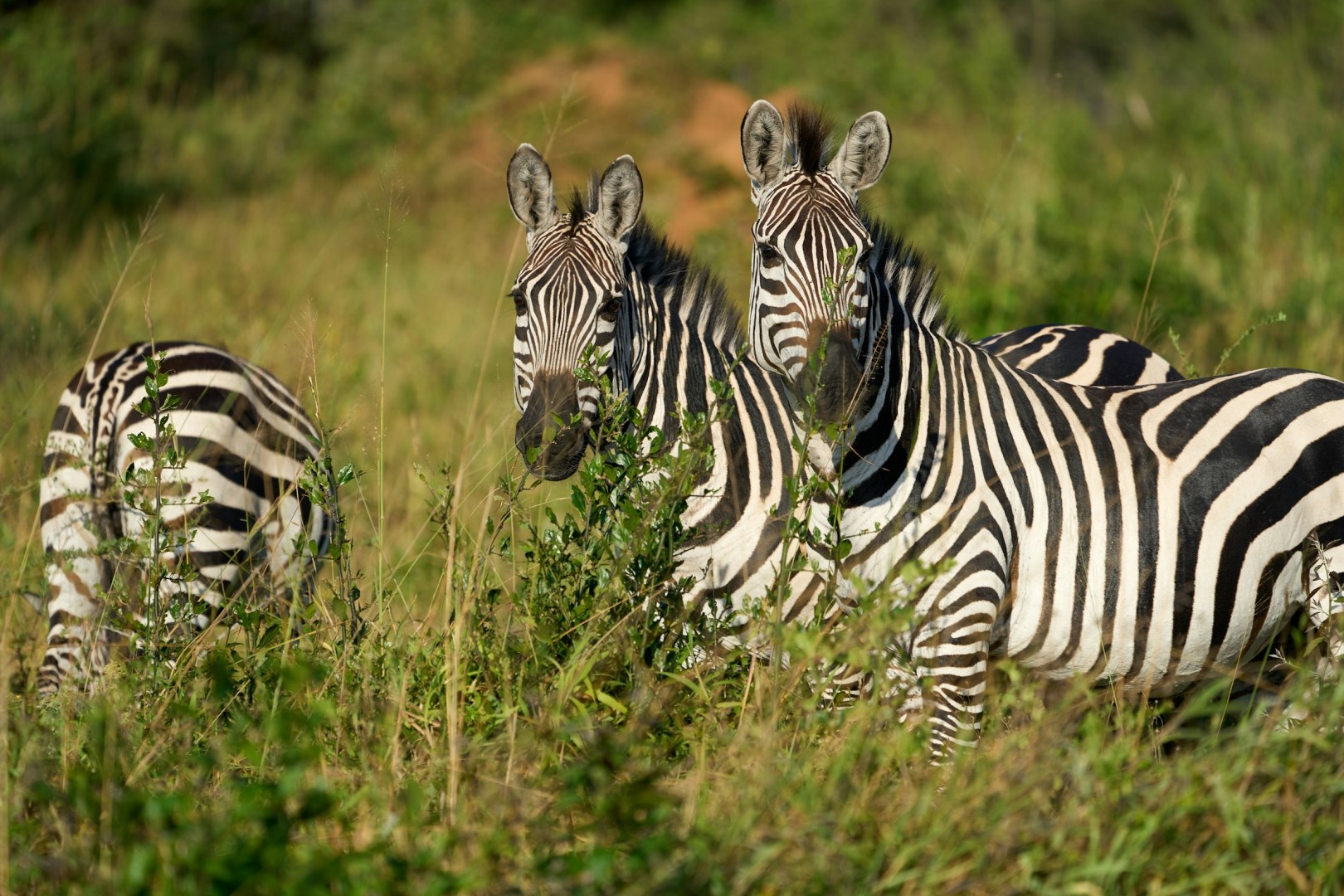
Lake Mburo National Park is a protected area in southwestern Uganda, situated between Kampala and the western highlands. It is centered on a chain of lakes and a landscape of rolling hills, open grassland, woodland, wetlands, and rocky outcrops. Lake Mburo is the largest of the park’s lakes and forms an important part of its ecosystem.

Charlottetown
Charlottetown, the charming capital of Prince Edward Island, is where history and modernity blend seamlessly. Often called the "Birthplace of Confederation," this picturesque city holds a special place in Canadian history as the site of the 1864 Charlottetown Conference, which paved the way for the creation of Canada.

Table Mountain
Table Mountain, the iconic flat-topped mountain overlooking Cape Town, South Africa, is a must-visit destination for nature enthusiasts and adventure seekers. Dominating the skyline, this majestic peak is part of the Table Mountain National Park, a UNESCO World Heritage Site known for its diverse flora and fauna. The mountain is renowned for its panoramic views of Cape Town, the Atlantic Ocean, and the surrounding landscapes.

Havana
Havana, Cuba's vibrant capital, is a city where the past and present coalesce to create an unforgettable travel experience. Walking through Old Havana (La Habana Vieja), a UNESCO World Heritage site, feels like stepping back in time. The cobblestone streets are lined with pastel-colored colonial buildings, baroque churches, and iconic plazas, such as Plaza de la Catedral and Plaza Vieja, each with its own unique charm and history.