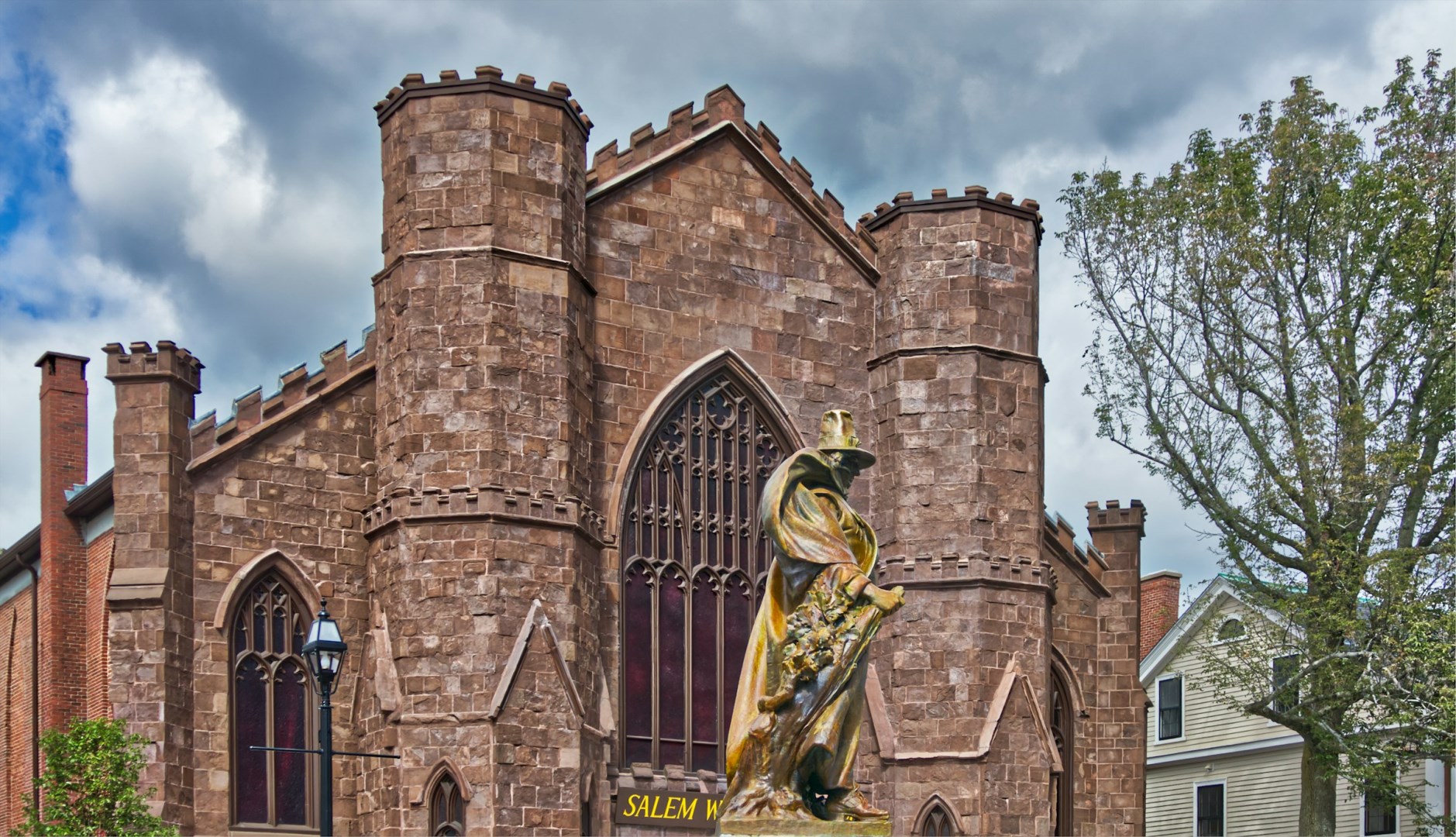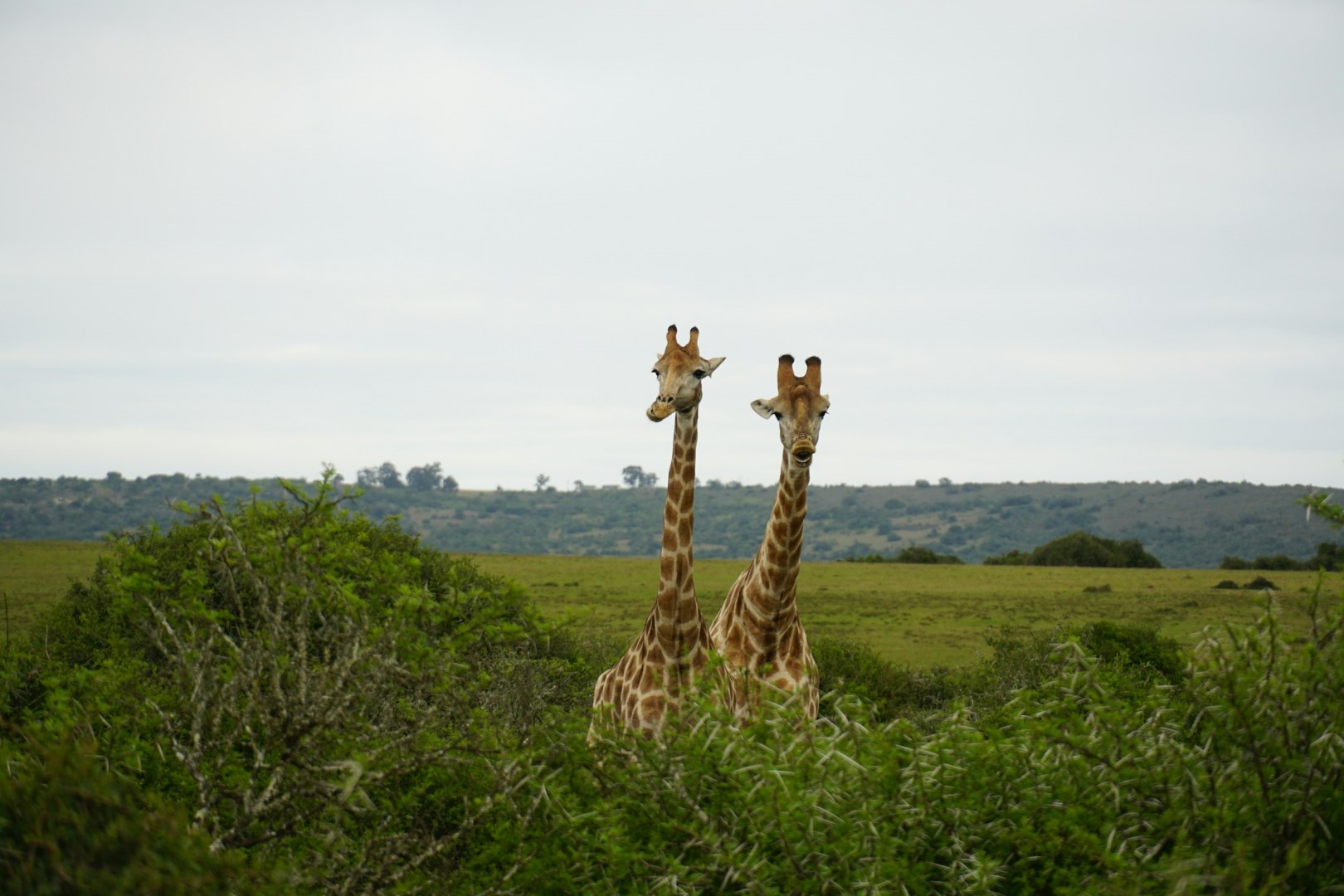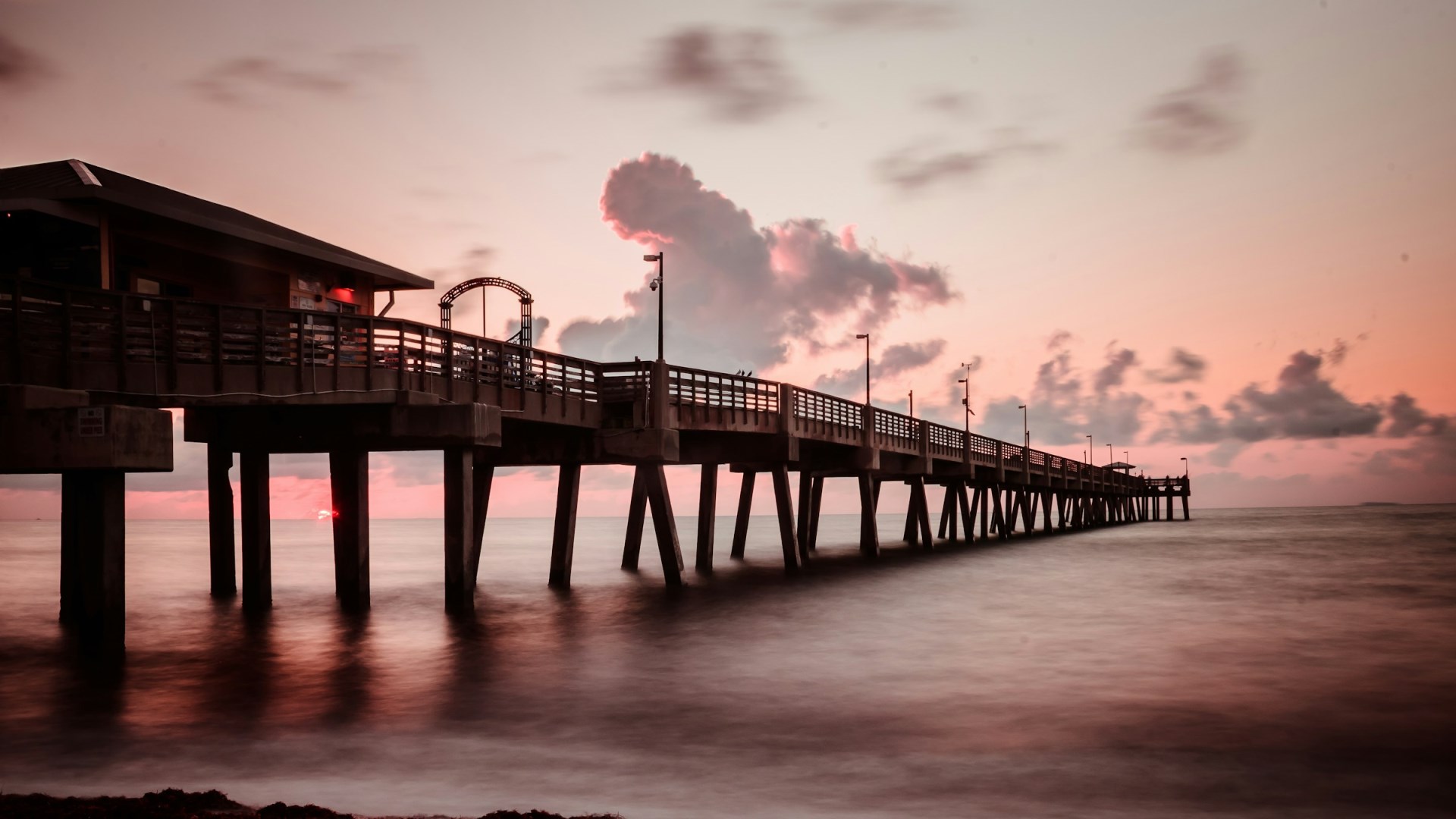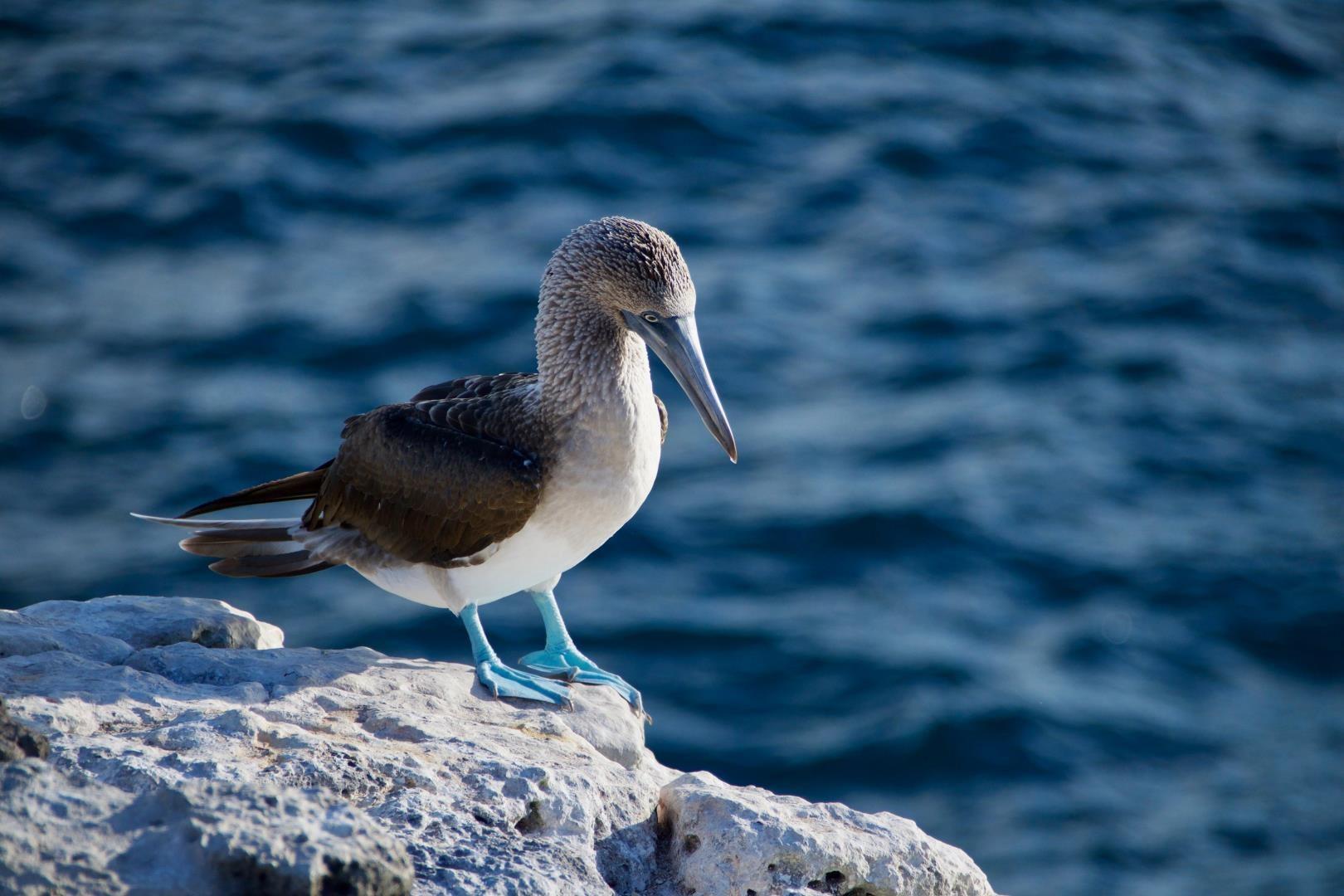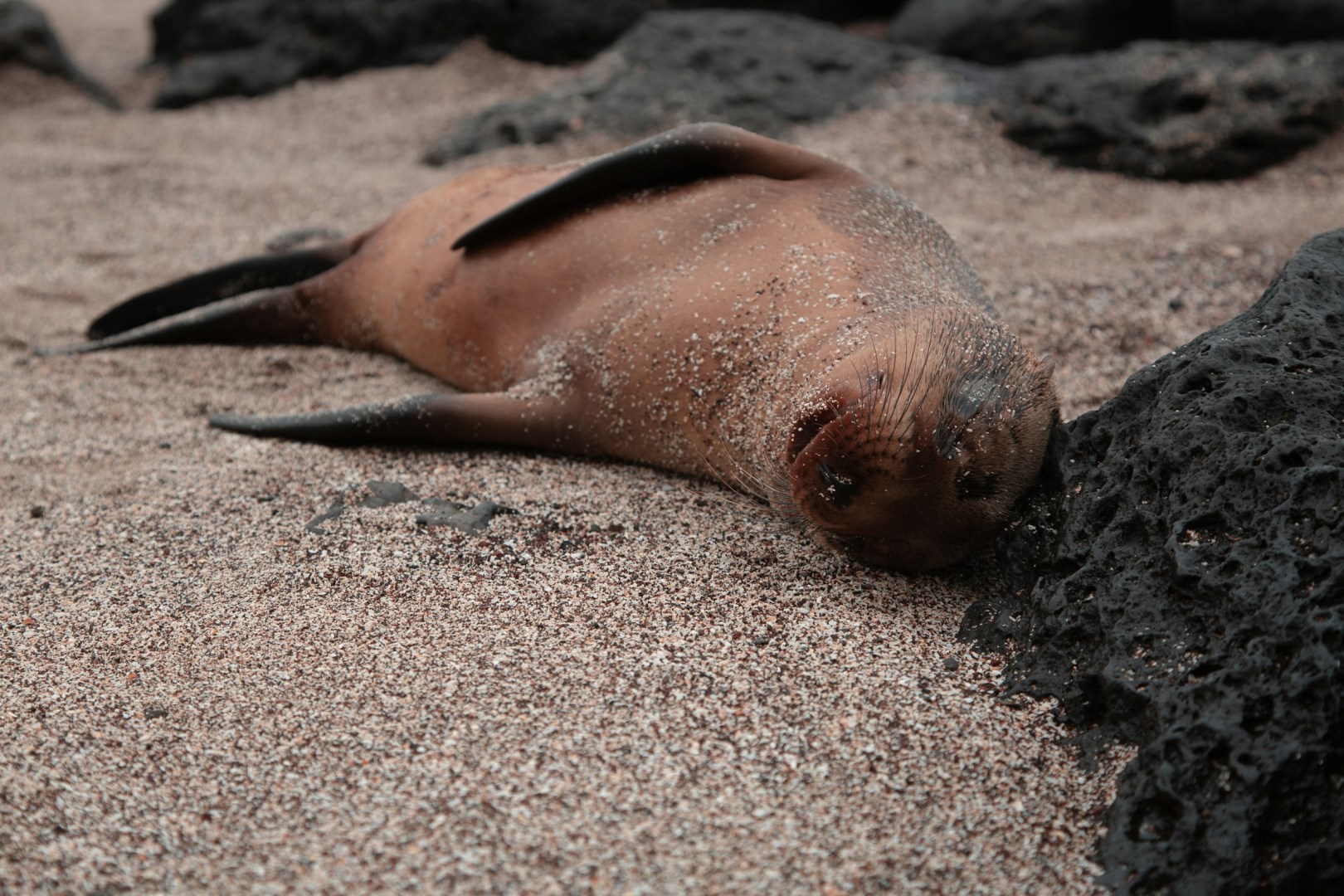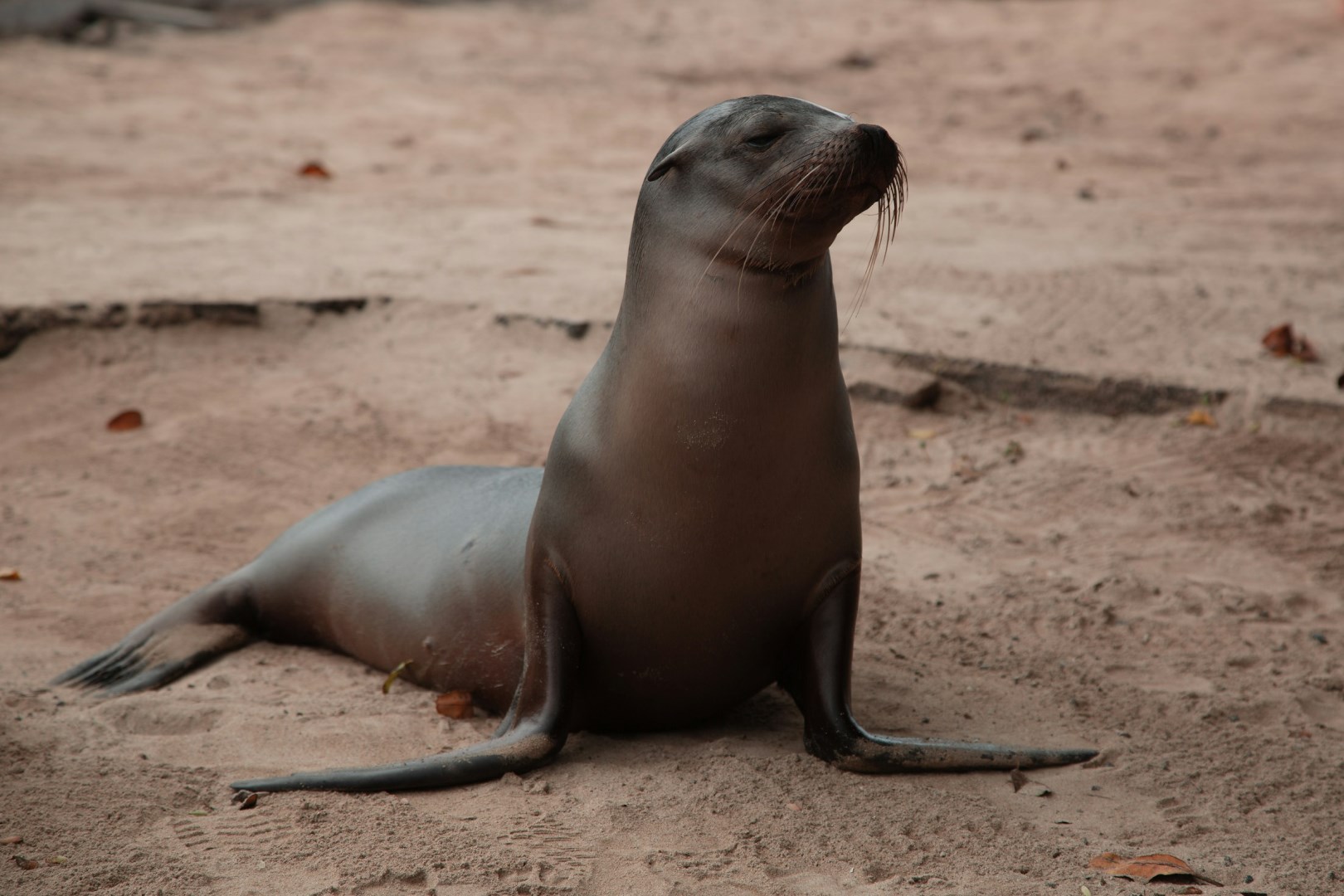
Paracas, a small coastal town in southern Peru, offers a mix of desert landscapes, marine wildlife, and ancient history. Just three hours from Lima, it’s the gateway to the Paracas National Reserve, one of the country’s most important protected areas. This reserve includes both land and sea, making it home to dramatic cliffs, wind-carved rock formations, and waters where dolphins, sea lions, and Humboldt penguins are frequently seen.
Alicante, a captivating coastal city on Spain’s Costa Blanca, enchants visitors with its blend of rich history, Mediterranean charm, and vibrant nightlife. Dominated by the impressive Santa Bárbara Castle perched on Mount Benacantil, the city offers sweeping views of the turquoise Mediterranean Sea and the bustling streets below.
Dominica, known as the “Nature Island of the Caribbean,” is a haven for eco-tourists and adventure seekers. Nestled between the French islands of Guadeloupe and Martinique, this lush island boasts a remarkable landscape of volcanic mountains, dense rainforests, and stunning waterfalls. Dominica’s most iconic natural wonder is the Boiling Lake, the second-largest hot spring in the world.
Sintra, located just 40 minutes from Lisbon, feels like a world apart. Tucked into the hills of the Serra de Sintra, this town has drawn kings, poets, and explorers for centuries. It was once the summer retreat of Portuguese royalty, who left behind palaces and gardens that seem pulled from a storybook. The most famous, Palácio da Pena, is perched high above the town with bold red and yellow towers that blend Romanticism with Moorish and Gothic styles.
Georgetown, Guyana’s capital, is a city of wooden cathedrals, tree-lined canals, and street corners alive with music, food, and political discussion. Located at the mouth of the Demerara River, the streets still follow the Dutch grid system, and the city’s architectural signature, with its elegant wooden buildings with louvered shutters and fretwork, make it one of the most visually distinct capitals in South America.
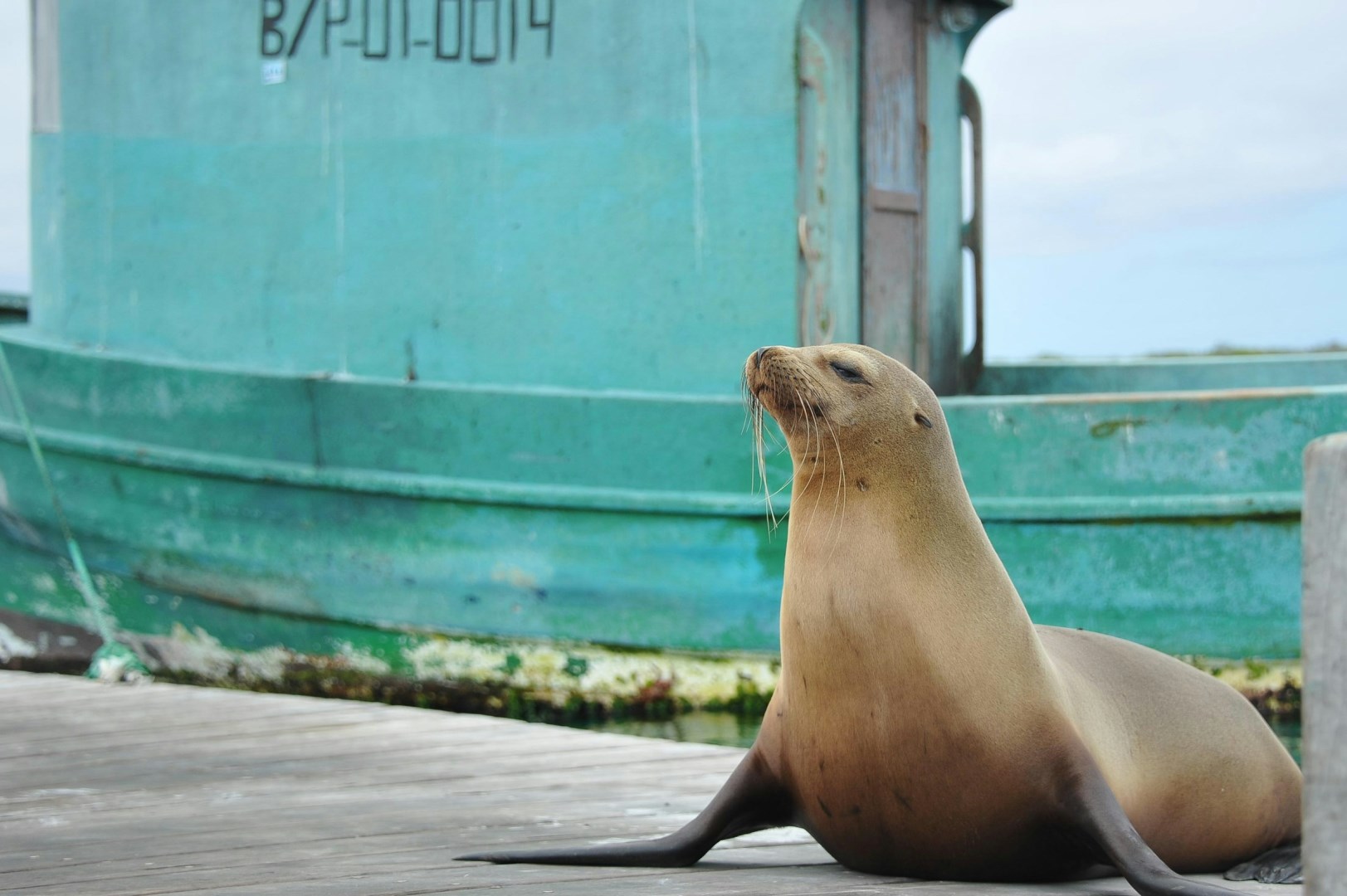
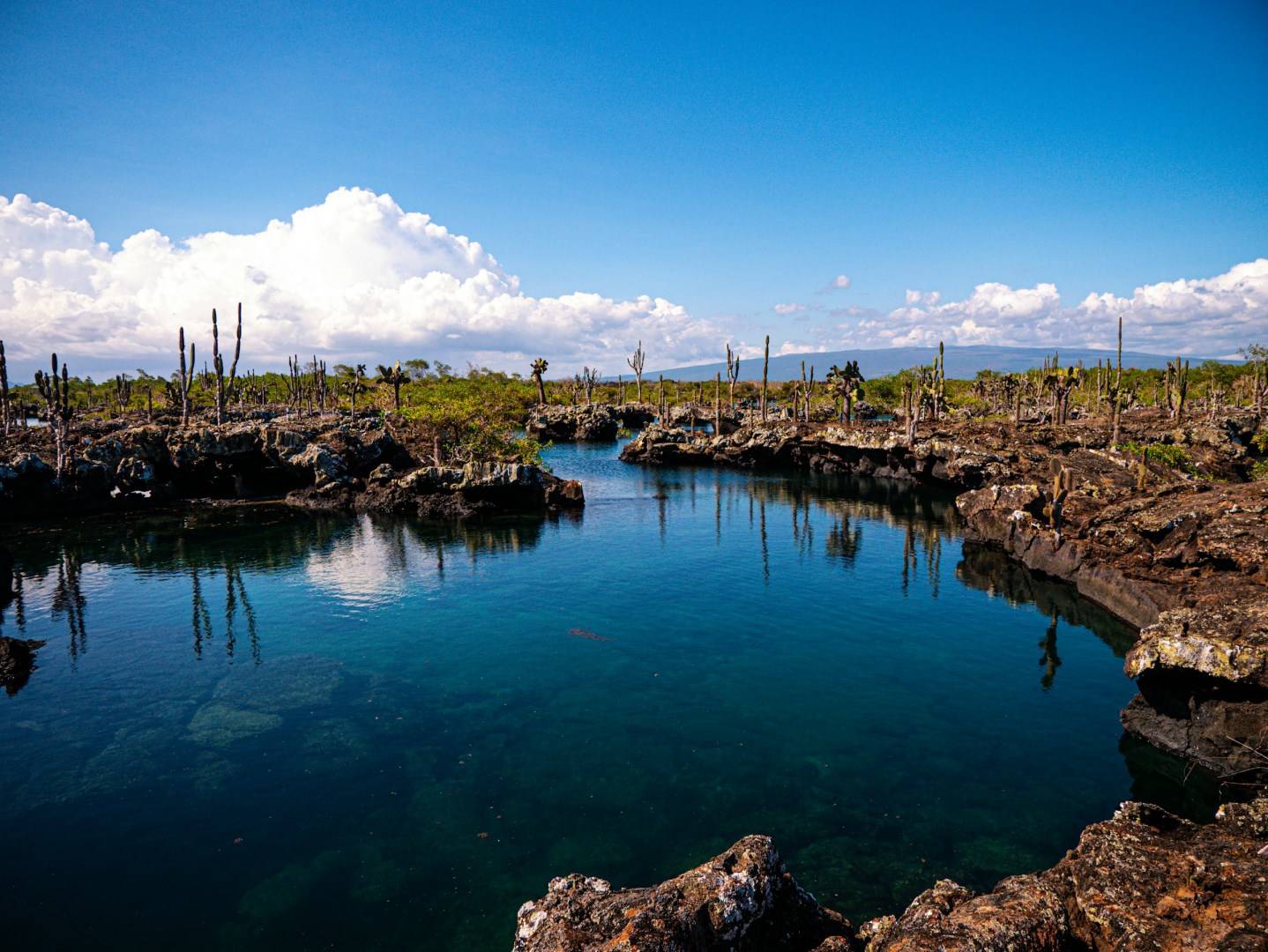
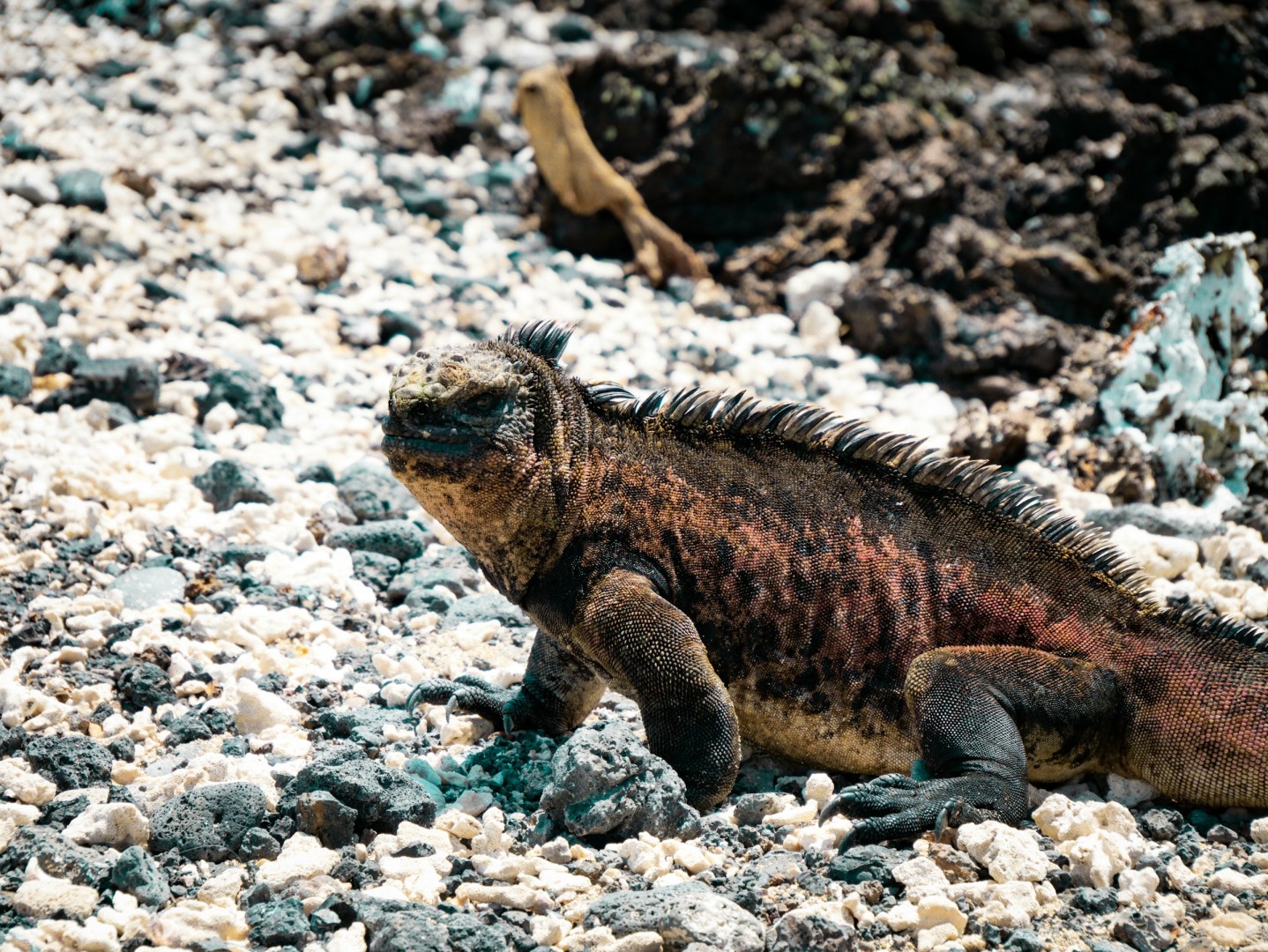
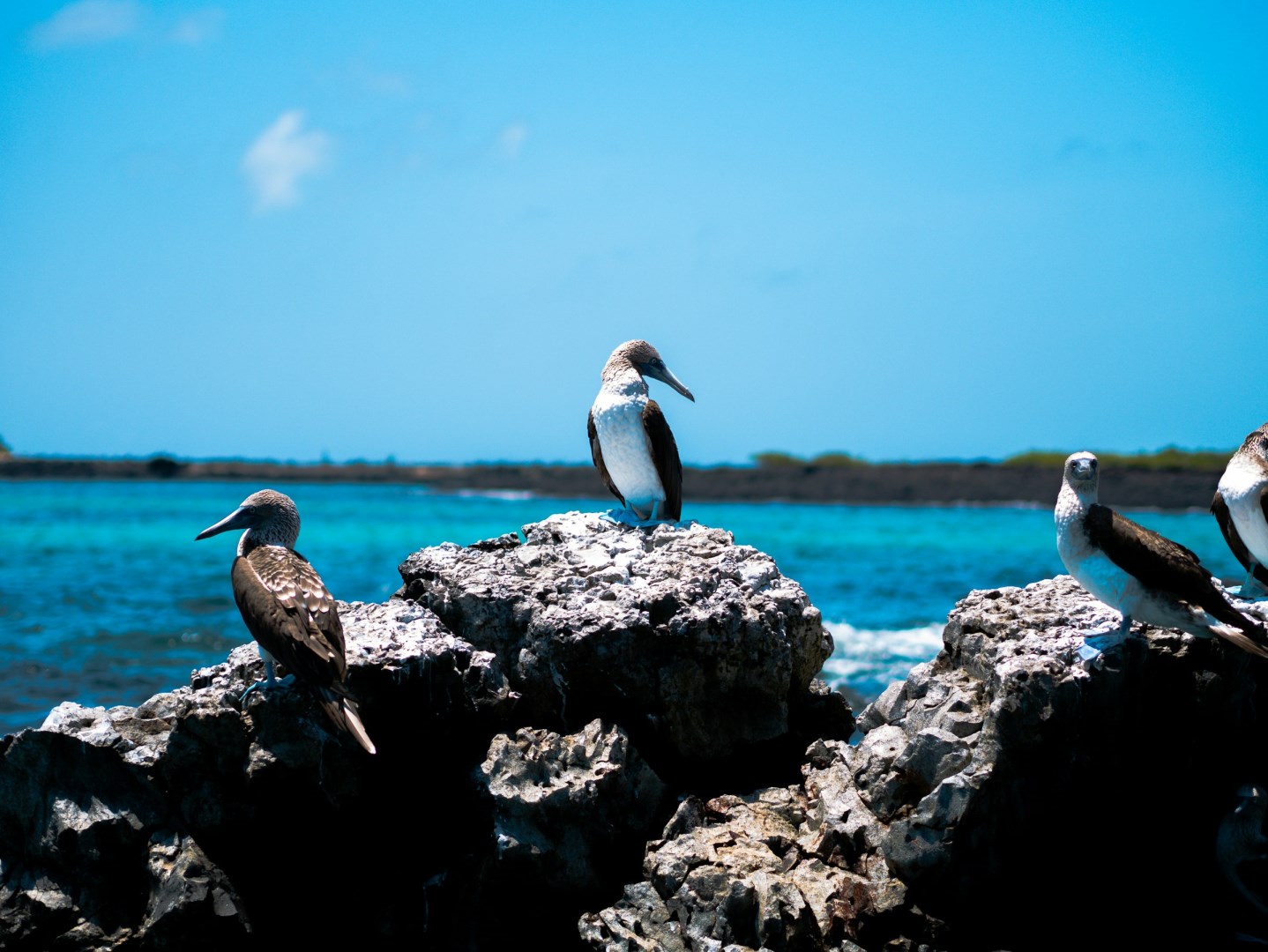
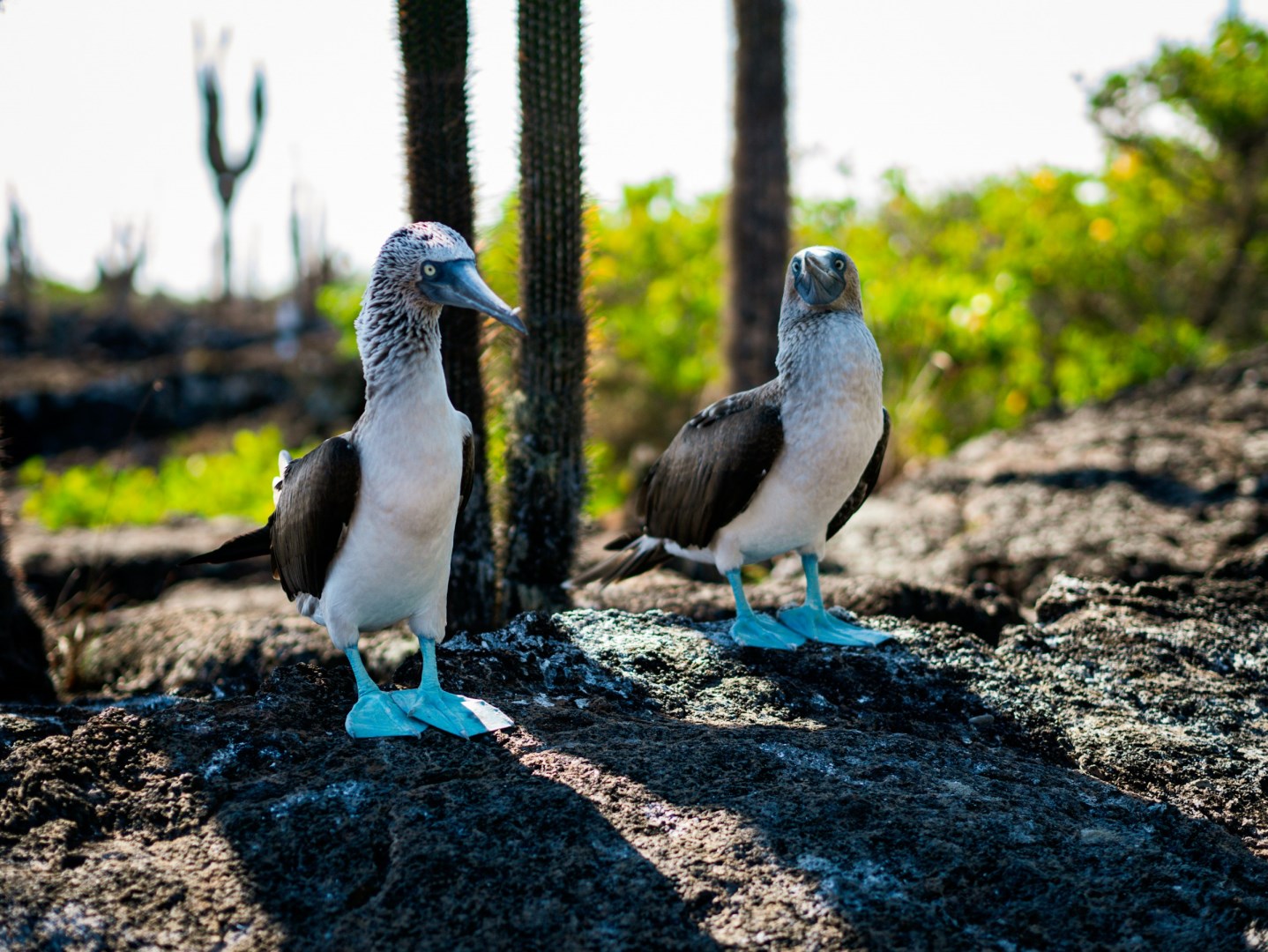
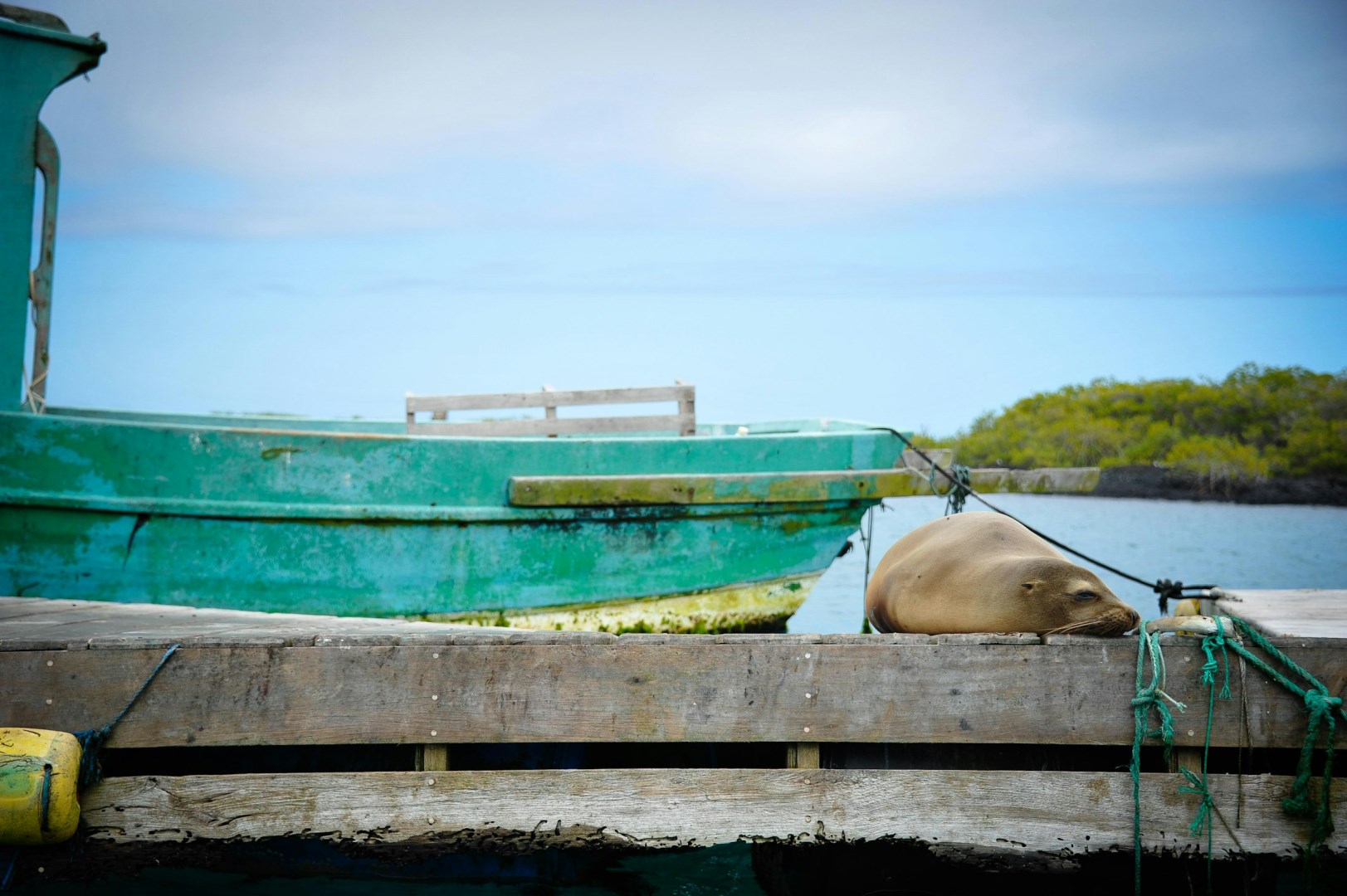
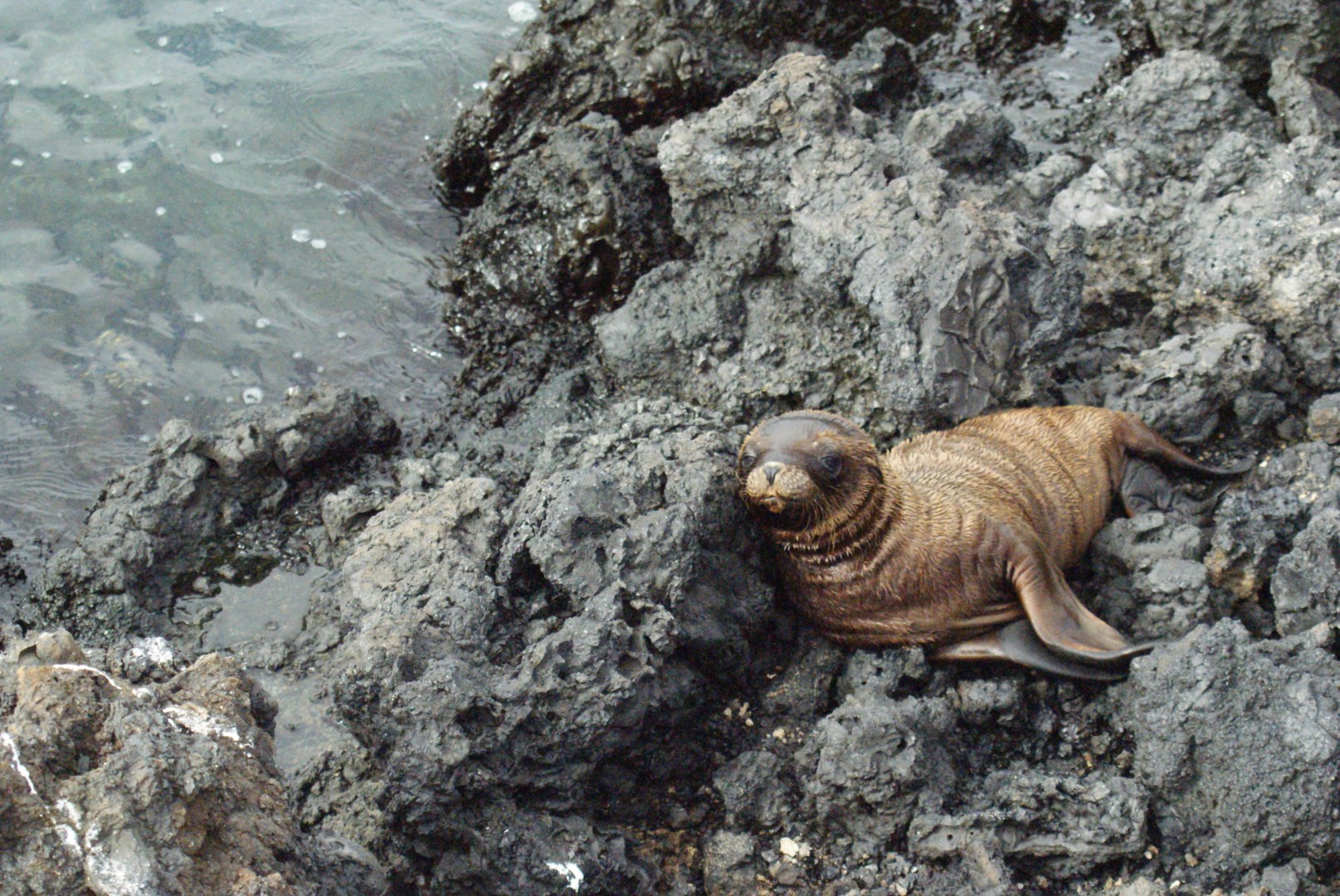
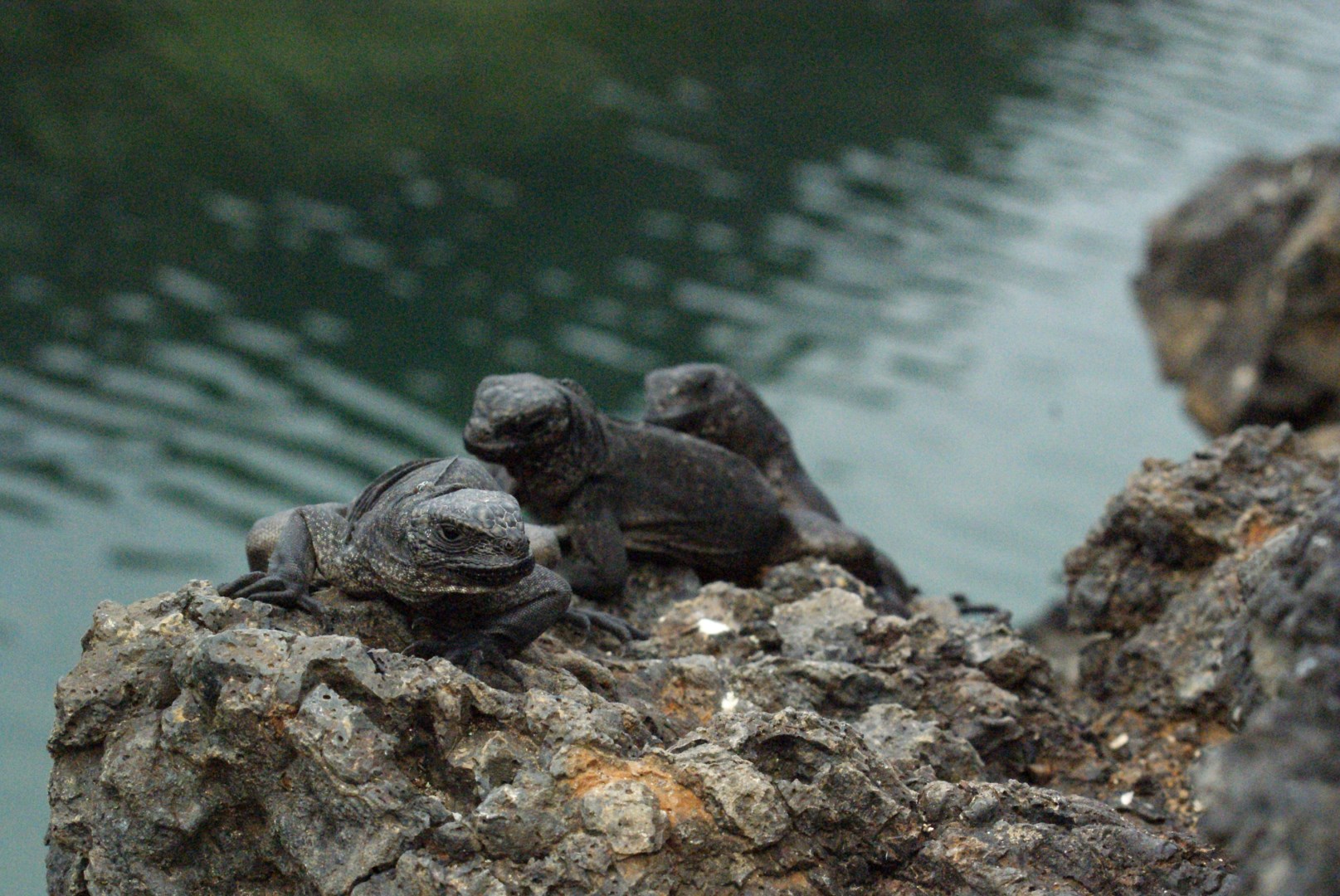
Isabella Island is the largest of the Galapagos islands, on the western end of the archipelago. Shaped like a seahorse when viewed from above, Isabella is home to more wild tortoises than any other island, as well as a wide variety of other animal, bird and marine life.
On Isabella's west coast lies Tagus Cove, a natural protected harbor where centuries ago whalers safely spent the night and left their ships' signatures painted on the rocks. Near Elizabeth Bay, Moreno Point is a birdwatcher's delight. Further inland, visitors will find six volcanoes, five of which are still active and two that sit directly on the Equator. At the base of Alcedo Volcano is Urbina Bay, a perfect spot for snorkeling and home to the biggest land iguanas in the Galapagos.
To the north, located at the "mouth" of the island, is Punta Vicente Roca. Although it's a marine-only site (meaning it can only be accessed via dinghy or SCUBA diving), the formation nonetheless draws plenty of visitors eager to see its spectacular sea life - penguins, seahorses, sea turtles, sunfish, and more.