Hazyview
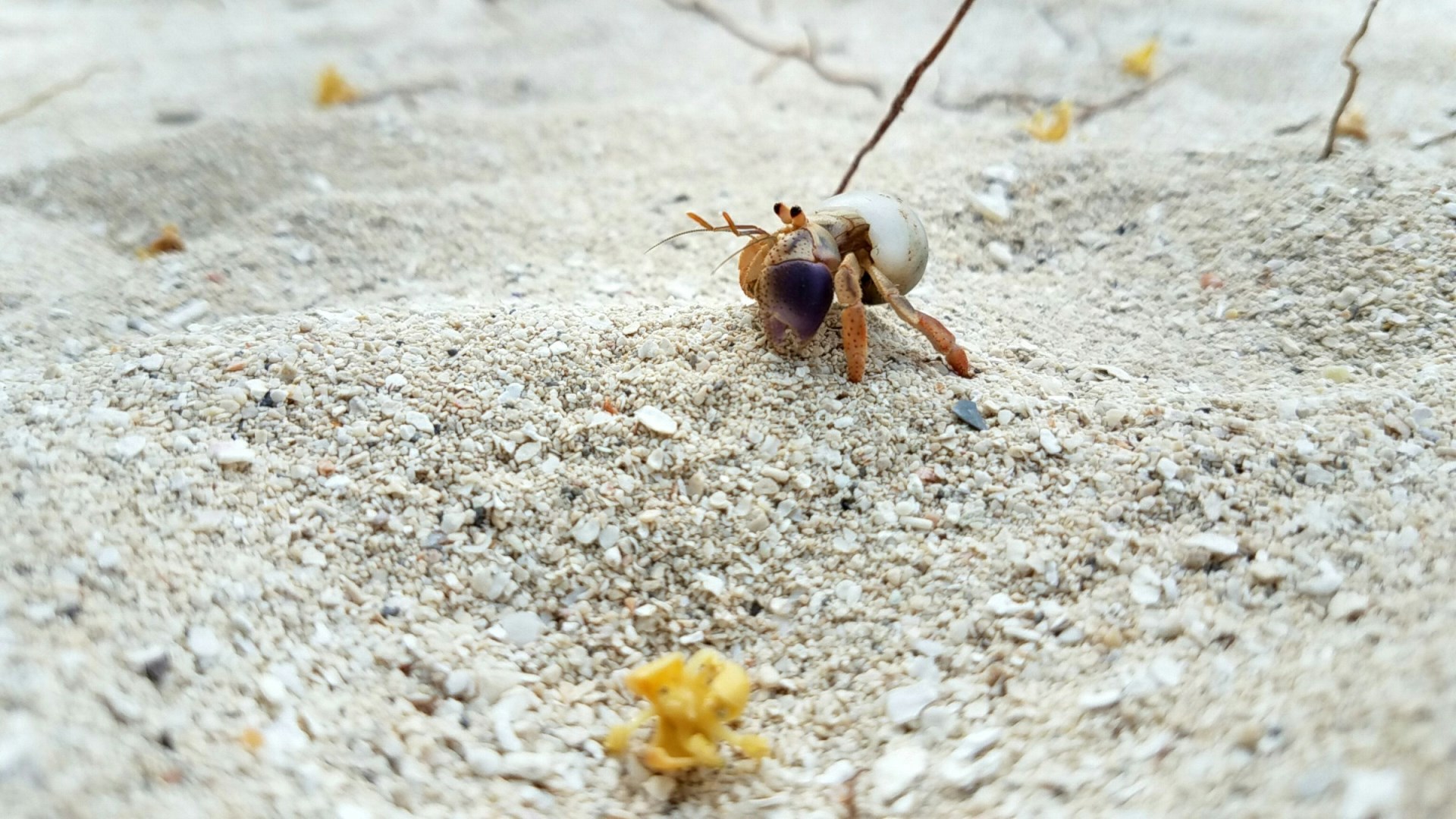
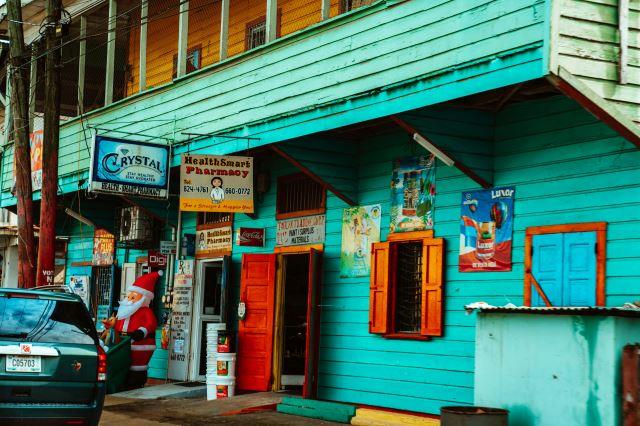
Hazyview is a small town in Mpumalanga Province in northeastern South Africa, positioned near the southern entrance of Kruger National Park.
Nesvizh
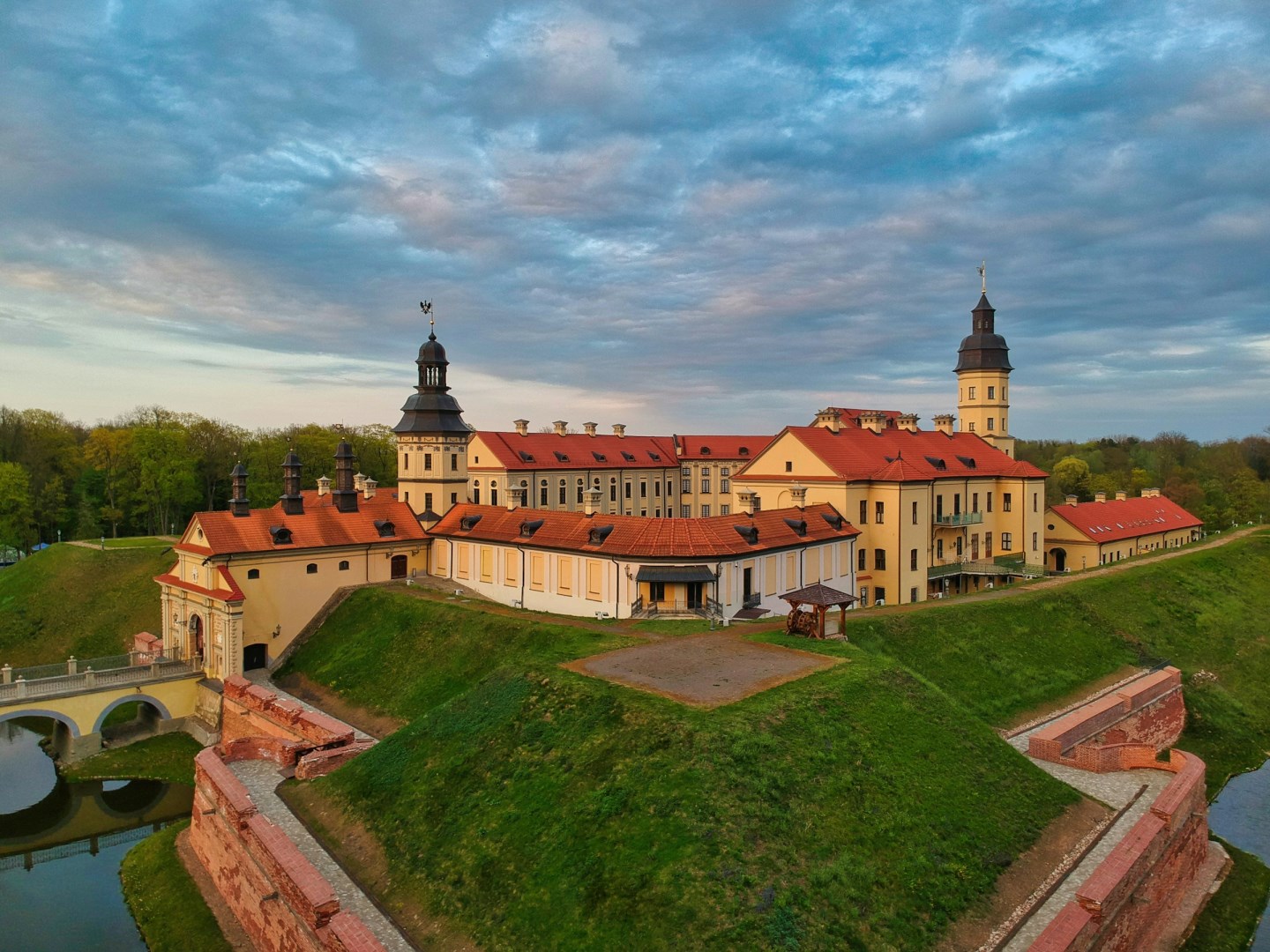
Nesvizh is a historic town in central Belarus known for its connection with the Radziwill family and its well-preserved architectural heritage. The town lies among low wooded landscapes and cultivated fields, with the Nesvizh Castle complex forming its principal landmark.
Jeffreys Bay
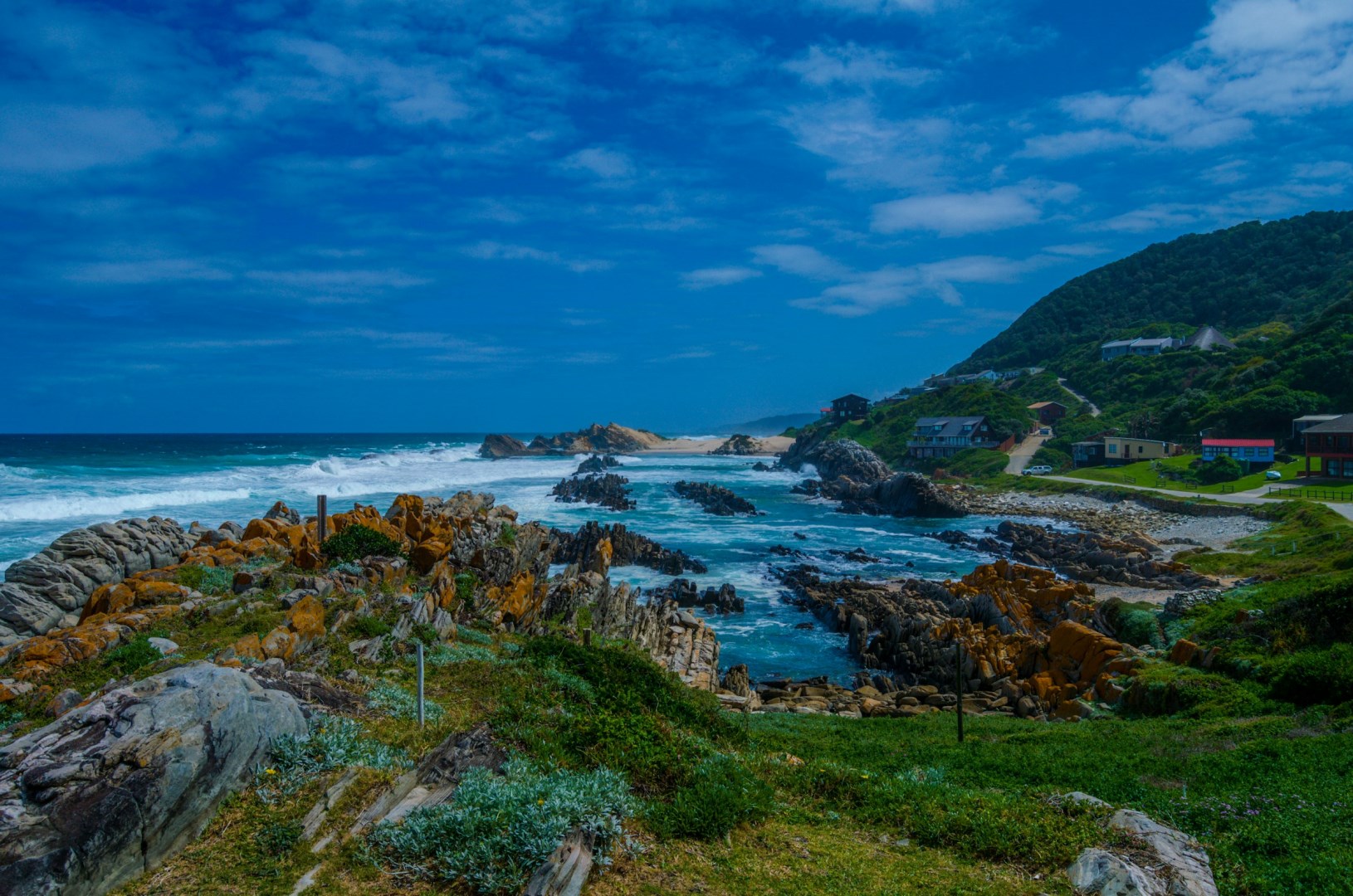
Jeffreys Bay is a coastal town in South Africa’s Eastern Cape province, situated along the Indian Ocean about 75 kilometres west of Gqeberha.
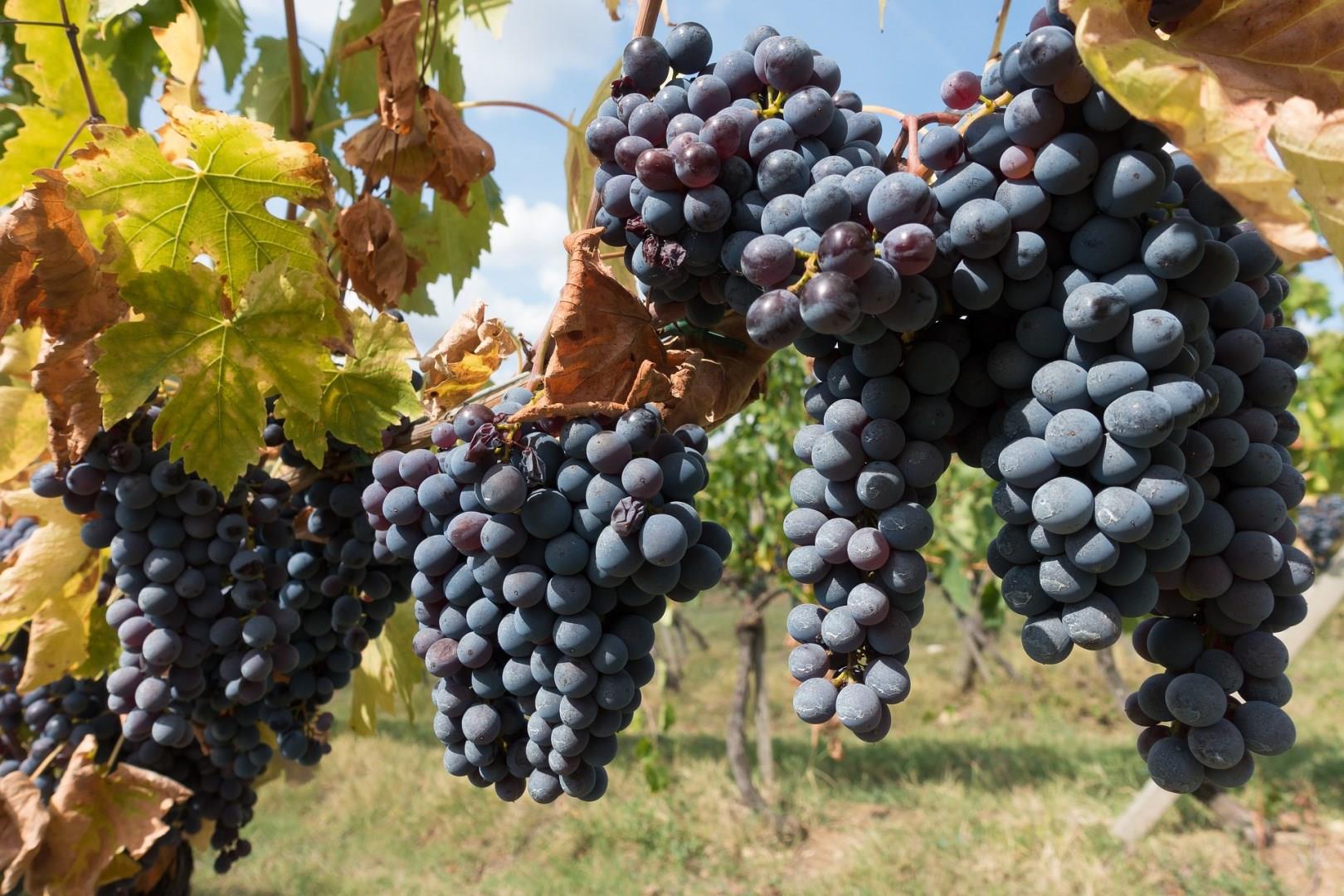
Chianti
Chianti, nestled in the heart of Tuscany between Florence and Siena, is a world-renowned wine region that exudes quintessential Italian charm. Famous for its rolling hills, cypress-lined roads, and sprawling vineyards, Chianti offers travelers an unforgettable experience of Italy’s rich viticulture and history. Visitors can explore charming medieval villages like Greve in Chianti and Castellina in Chianti, where cobbled streets, ancient stone buildings, and historic piazzas transport you back in
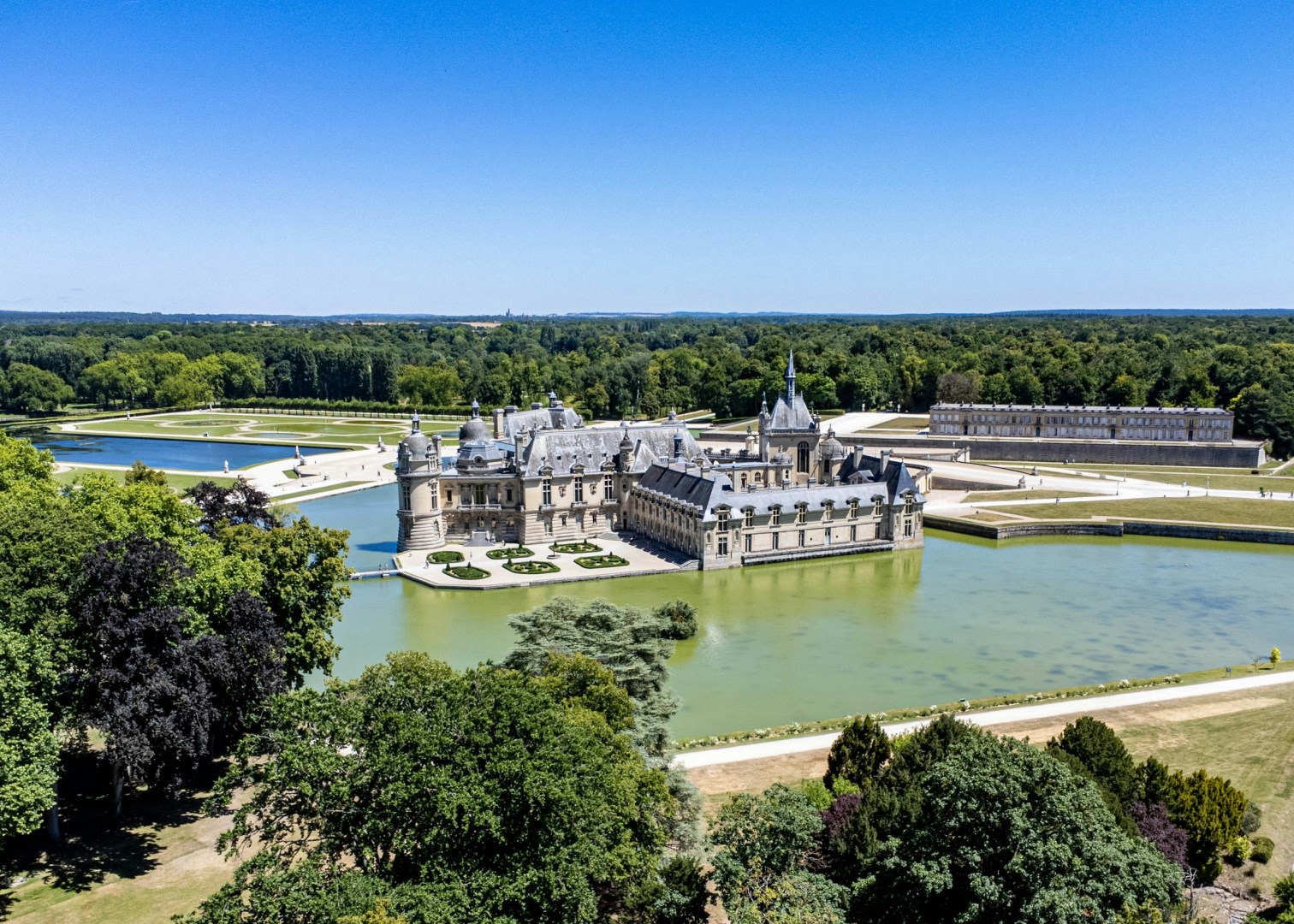
Chantilly
Chantilly is a town north of Paris in the Oise department, surrounded by extensive forests and closely associated with the Château de Chantilly. The château complex combines a grand Renaissance-style palace, the Petit Château, formal gardens, waterways, and the Great Stables, creating a distinctive cultural landscape. Chantilly's forest is crossed by walking and riding paths, while the town itself contains elegant streets, historic buildings, and areas of open parkland.