Tomar
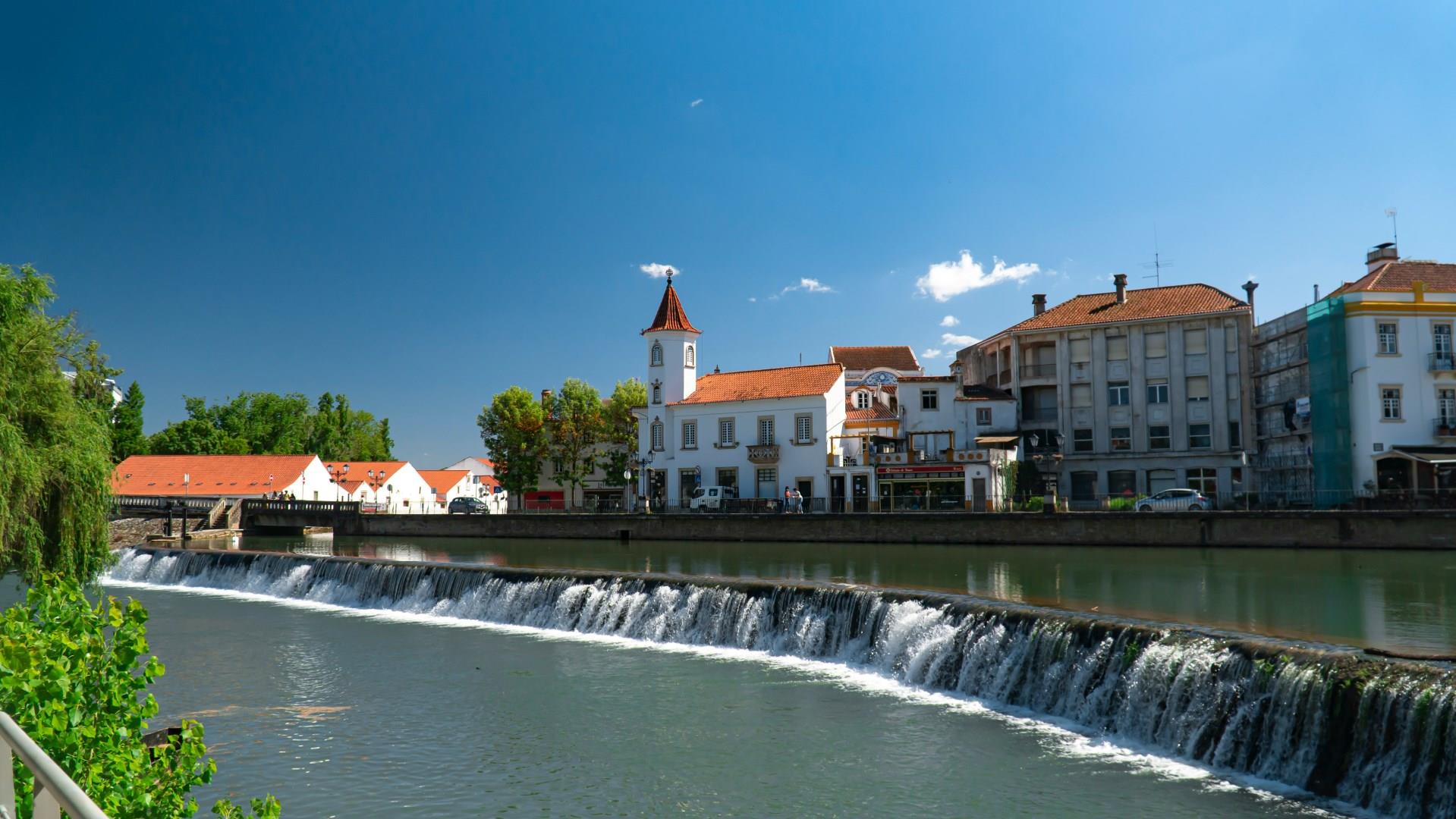
Tomar sits on the Nabão River in central Portugal as a place where medieval history and everyday life meet in welcoming streets and grand monuments. Just outside the convent walls lies the Pegões Aqueduct, an impressive feat of engineering more than 6 kilometers long that once carried water from distant springs to the hilltop site. Some sections of its arches rise more than 30 meters above the valley floor, making it a striking backdrop for photos.

Nakuru
Nestled in Kenya's Rift Valley, Nakuru is a city that captivates with its stunning natural beauty and vibrant wildlife. The city is renowned for Lake Nakuru National Park, a UNESCO World Heritage Site known for its extraordinary flocks of flamingos that once numbered in the millions. Although flamingo populations fluctuate, the lake remains a sanctuary for other bird species and wildlife, including black and white rhinos, giraffes, and lions.

Atacama Desert
The Atacama Desert in Chile, the driest non-polar desert on Earth, is a place of extraordinary beauty and otherworldly landscapes. Stretching over 600 miles along the Pacific coast, the Atacama's stark, lunar-like terrain is punctuated by salt flats, active geysers, and rugged canyons. One of the most striking sights is the Valle de la Luna, or Valley of the Moon, where wind-sculpted sand dunes and jagged rock formations create a surreal environment that appears as if it's straight from another
Siyazan
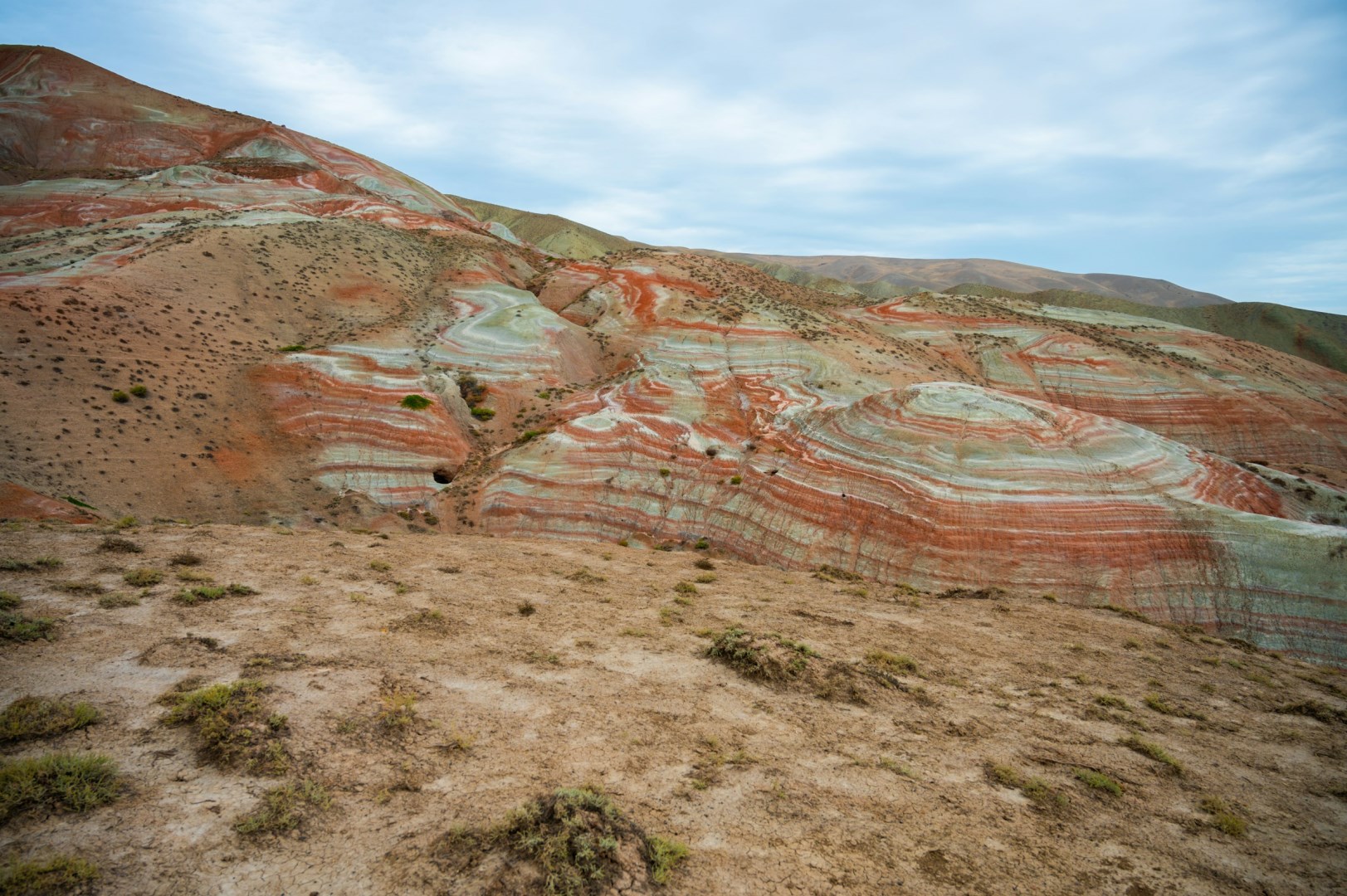
Siyazan is a small city and district in northern Azerbaijan, located along the Caspian Sea north of Baku. The area combines a dry semi-desert landscape with coastal plains, low mountains, sparse woodland, and the Gilgilchay and Atachay rivers. Its setting makes Siyazan a useful base for exploring several natural and archaeological sites in the surrounding region.
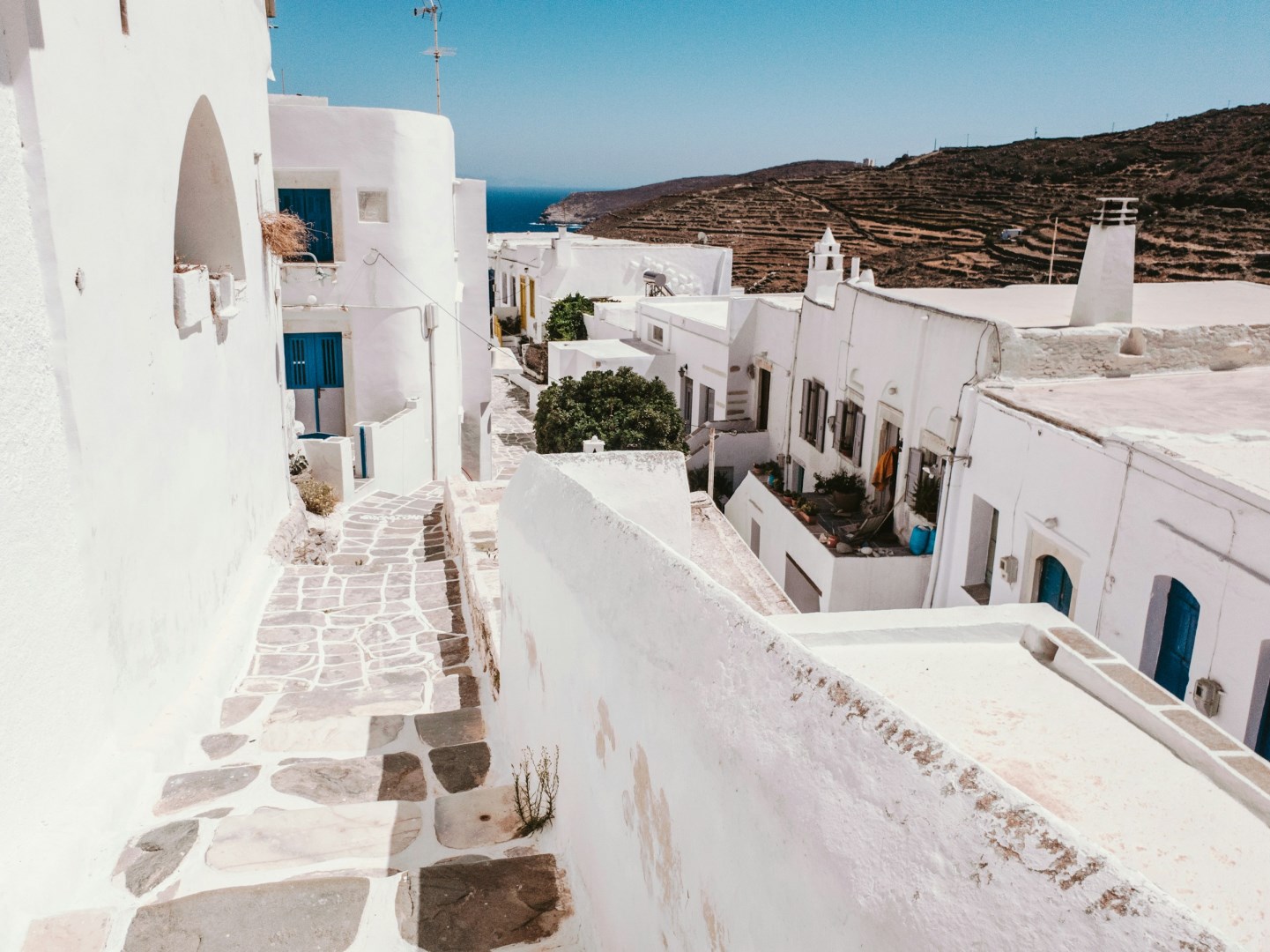
Sífnos
Sífnos is a Cycladic island in the southwestern Aegean, known for its whitewashed villages, stone-paved lanes, terraced hillsides, pottery workshops, and well-marked walking trails. Apollonia, the island’s main settlement, spreads across several hills at the center and serves as its cultural and social hub. Smaller villages such as Artemonas, Kastro, and Exambela retain traditional houses, churches, courtyards, and narrow alleys.