New Haven
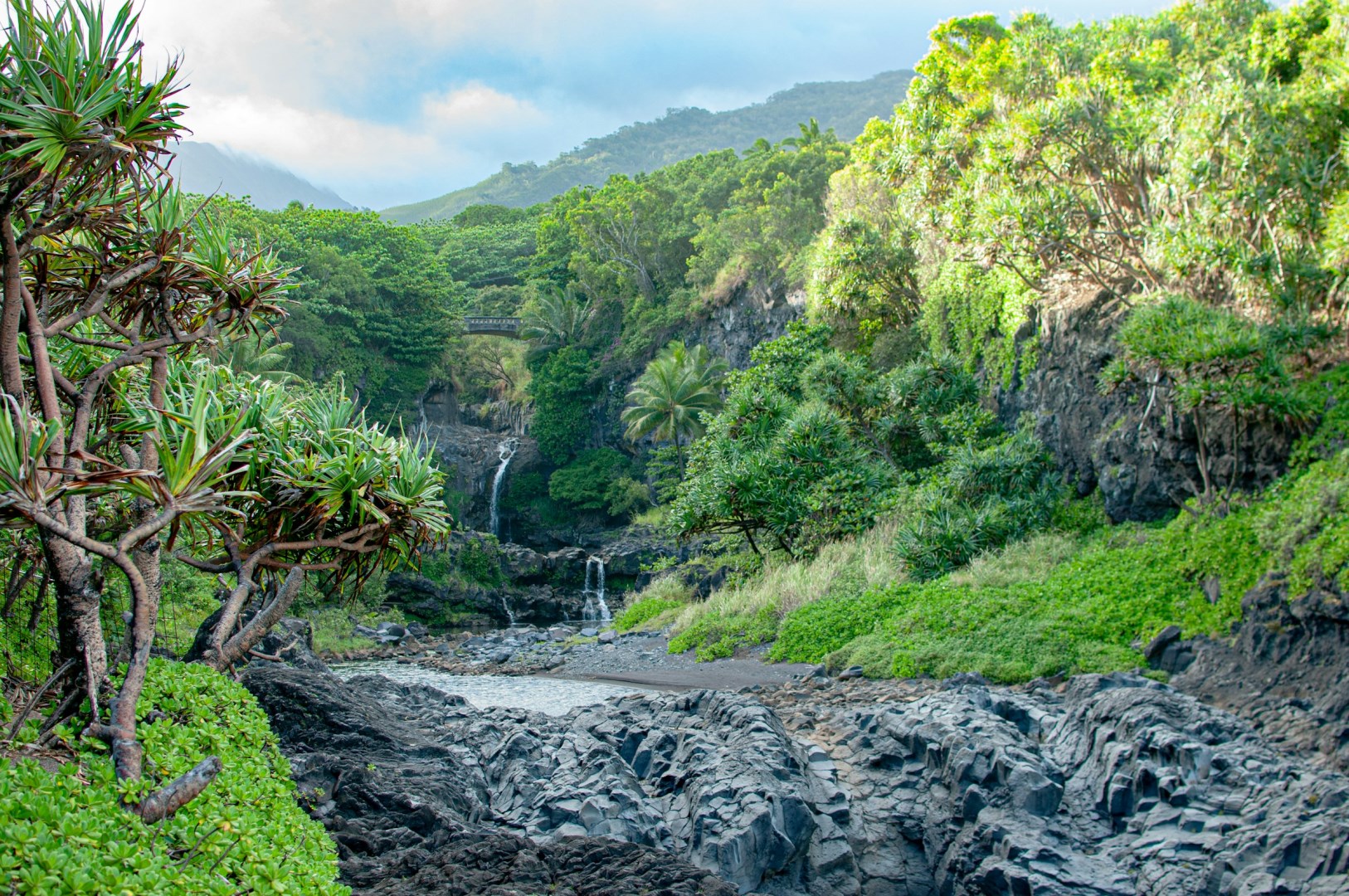
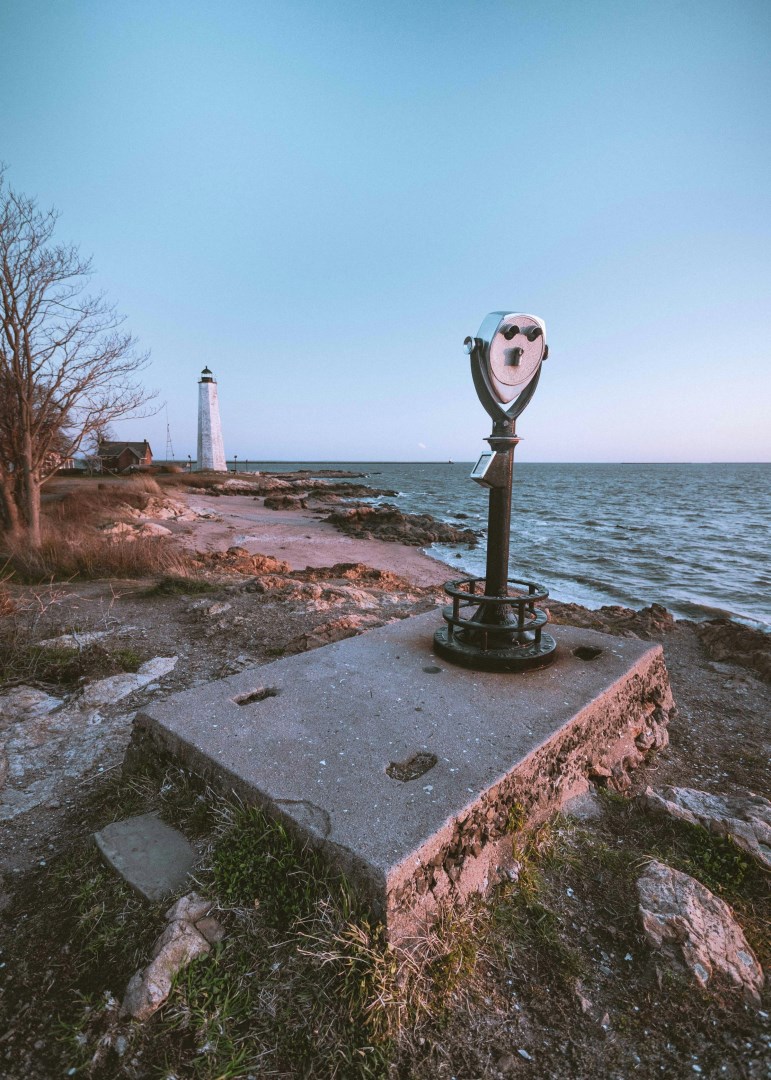
New Haven, city in New Haven County, southern Connecticut, a port on Long Island Sound, at the mouth of the Quinnipiac River. It is known as an educational center and is the seat of Yale University (1701), Albertus Magnus College (1925), and Southern Connecticut State College (1893); the University of New Haven (1920) is in nearby West Haven.
Trabzon
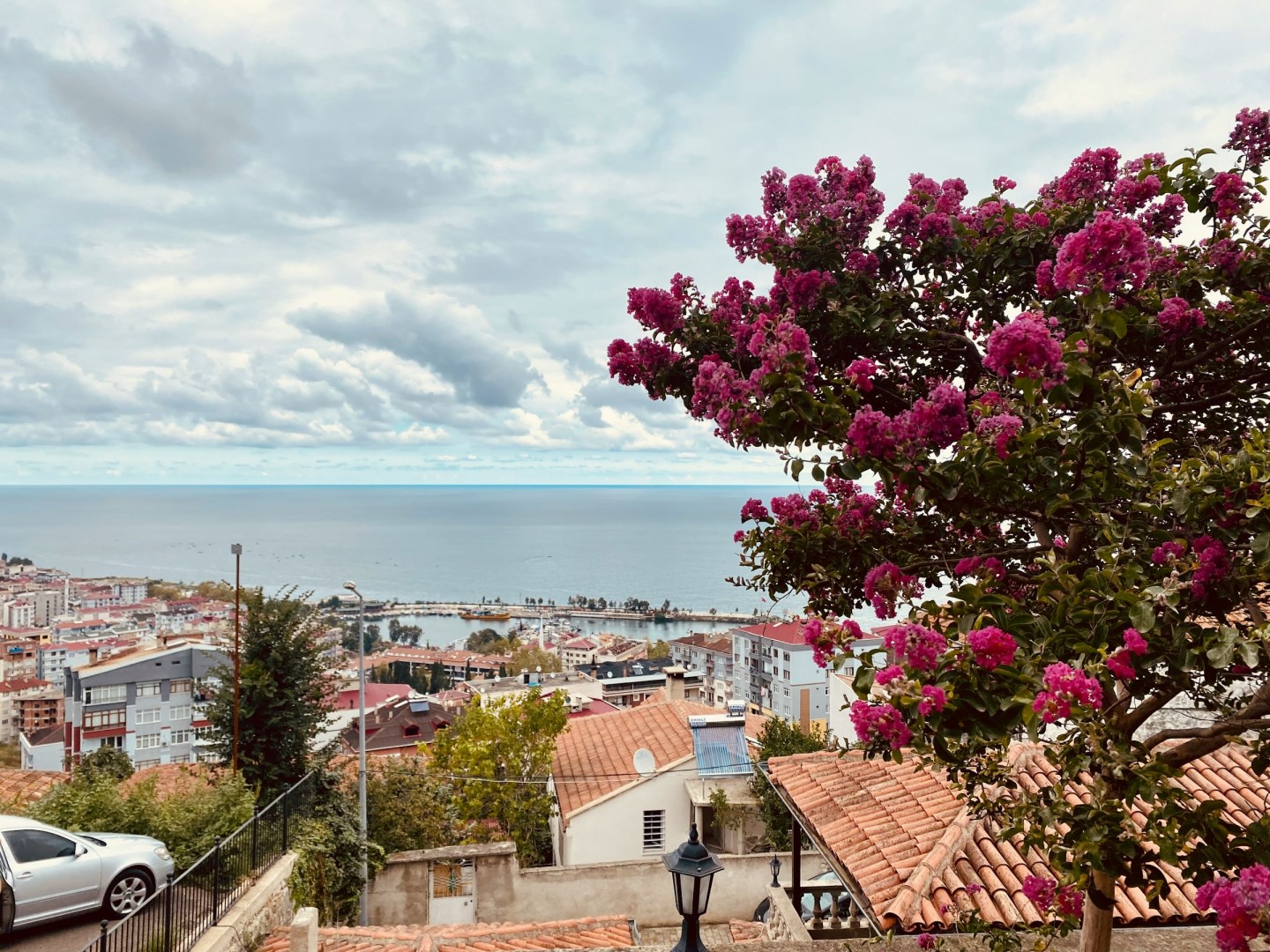
Trabzon was founded in the 7th century B.C. by Milletain colonists. On entering the city, on a green hill descending to the sea, is a well-preserved 13th century Byzantine church, now the Avasofya Museum. The walls of this church are decorated with frescoes, some of the finest examples of Byzantine craftmanship. The higher part of the city, the old quarter, inside the still extant fortifications with its timber houses, should be visited.
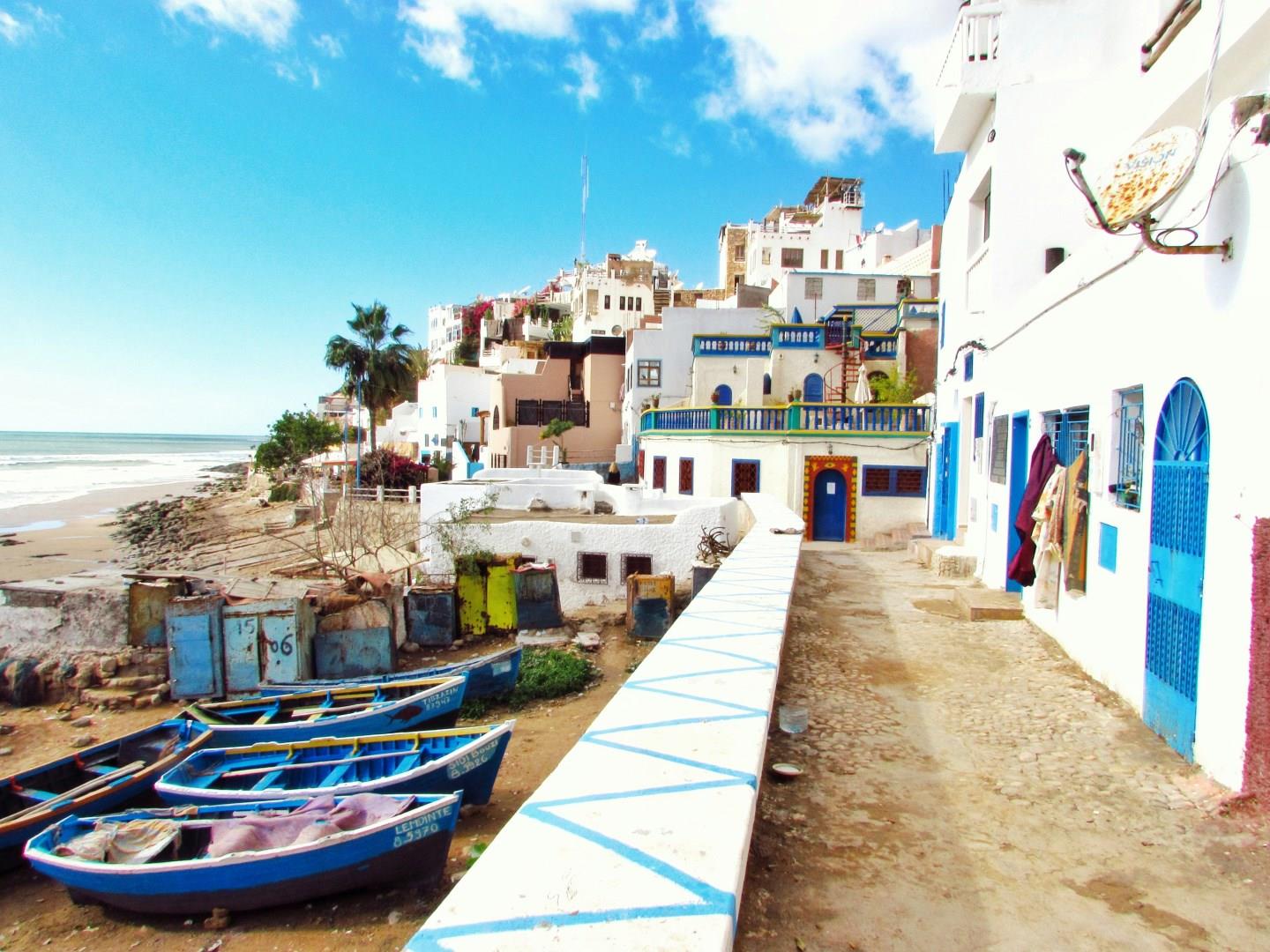
Taghazout
Taghazout is a small coastal village on Morocco’s Atlantic shore, once a quiet fishing settlement that has grown into a global surf destination without fully shedding its roots. Life here still follows the rhythms of the sea, with boats pulled onto the sand and daily routines shaped by tides and weather. Berber culture underpins the village’s identity, visible in local customs, food, and the understated pace that sets Taghazout apart from Morocco’s larger resort towns.

Washington
Washington State offers travelers a dynamic mix of landscapes, cultures, and experiences shaped by volcanoes, forests, coastline, and innovation. Seattle, the state’s largest city, is home to the iconic Space Needle, buzzing Pike Place Market, and holds deep roots in music history. Visitors can stand on the original floor of the first Starbucks, explore interactive exhibits at the Museum of Pop Culture, or catch a ferry from the city’s waterfront for a scenic ride across Puget Sound.
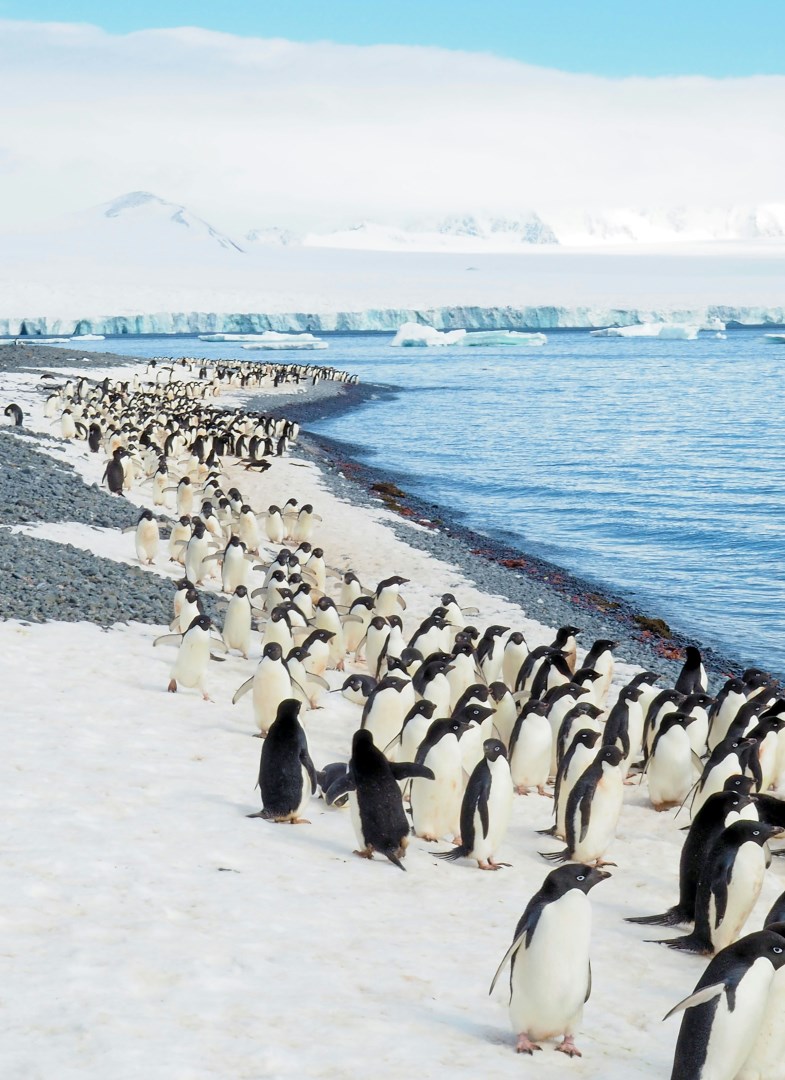
Brown Bluff
Brown Bluff is a distinctive coastal landmark on the east side of the Tabarin Peninsula, overlooking the southwestern Antarctic Sound. Its defining feature is a long beach of cobbles and volcanic ash backed by steep, red-brown cliffs that rise toward an ice-capped, flat-topped mountain. The cliffs are made of volcanic tuff and contain rounded volcanic bombs, giving the shoreline a rugged geological character. Glaciers and permanent ice border the site, while brash ice can sometimes spread across