Guanajuato
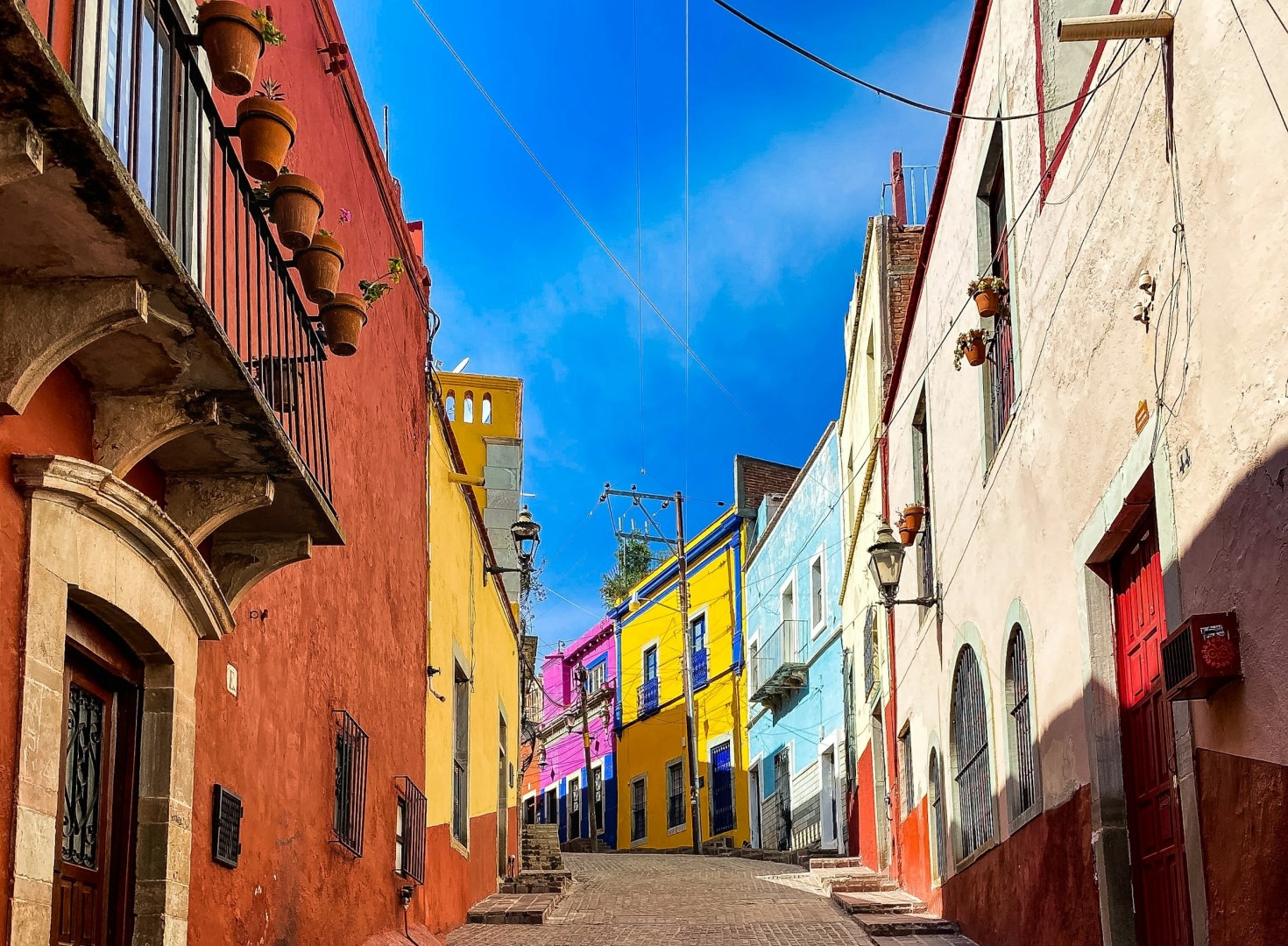
Guanajuato, a UNESCO World Heritage City nestled in the mountains of central Mexico, is a place where history is built into every hillside alley and underground tunnel. Today, visitors can still tour La Valenciana Mine, where centuries-old tunnels and original mining equipment offer a glimpse into the city's wealth-driven past. The nearby Templo de San Cayetano, built by mine owners in the mid-1700s, is a stunning example of baroque design, lined with gilded altars and intricate woodwork.

Monastir
Monastir, a coastal gem in Tunisia, offers a perfect blend of history, culture, and sun-soaked relaxation. Overlooking the azure waters of the Mediterranean Sea, the city is famous for its majestic Ribat, a well-preserved Islamic fortress dating back to 796 AD. This imposing structure, used historically to defend against Byzantine and European invaders, offers visitors panoramic views of the coastline and the city below.
Ifrane
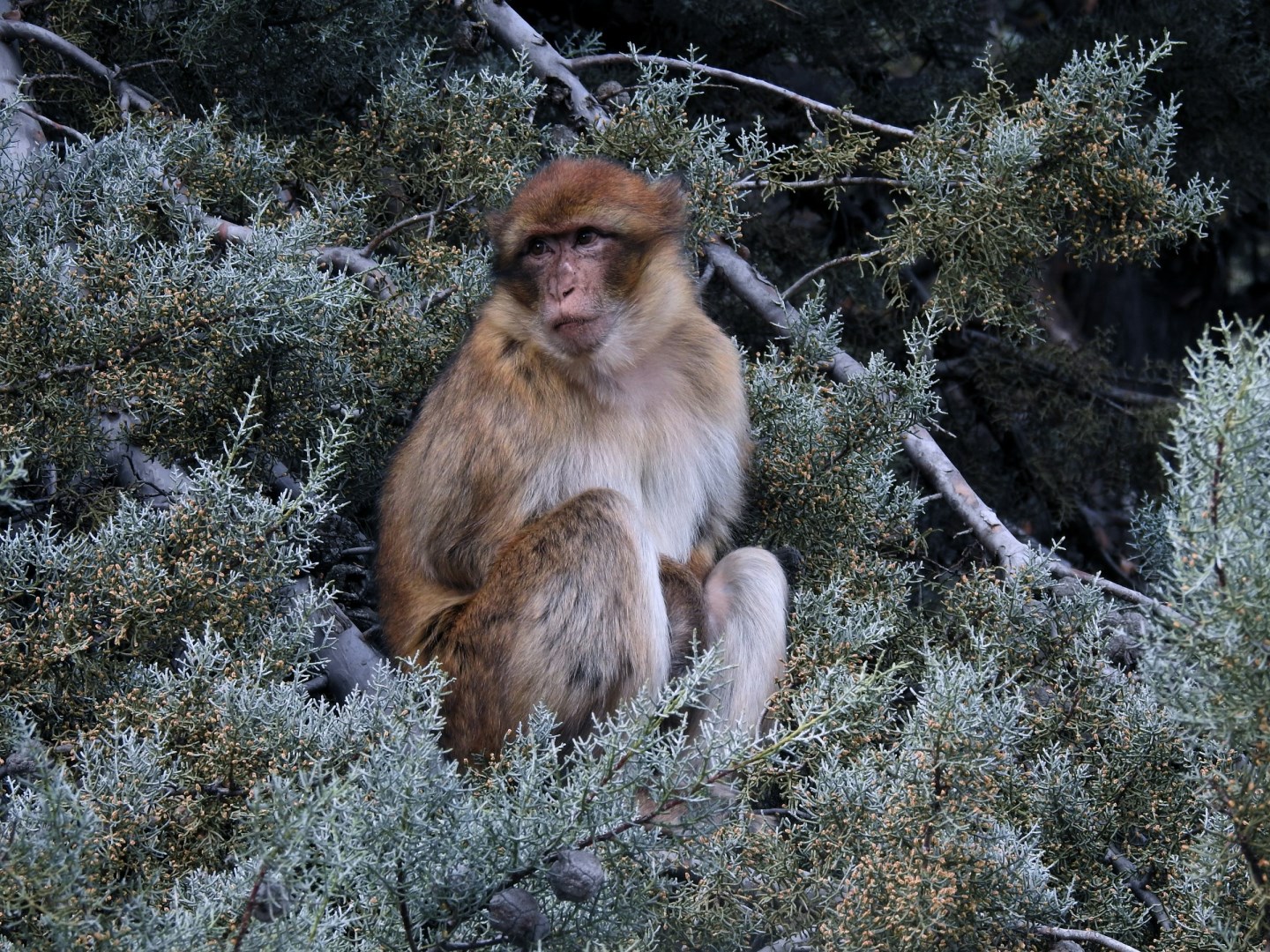
Ifrane is a mountain city in Morocco’s Middle Atlas, set at about 1,650 metres above sea level between Fez and Meknes. Its high elevation gives it a cooler climate than many Moroccan cities, with regular winter snowfall and mild summers.
Tobermory
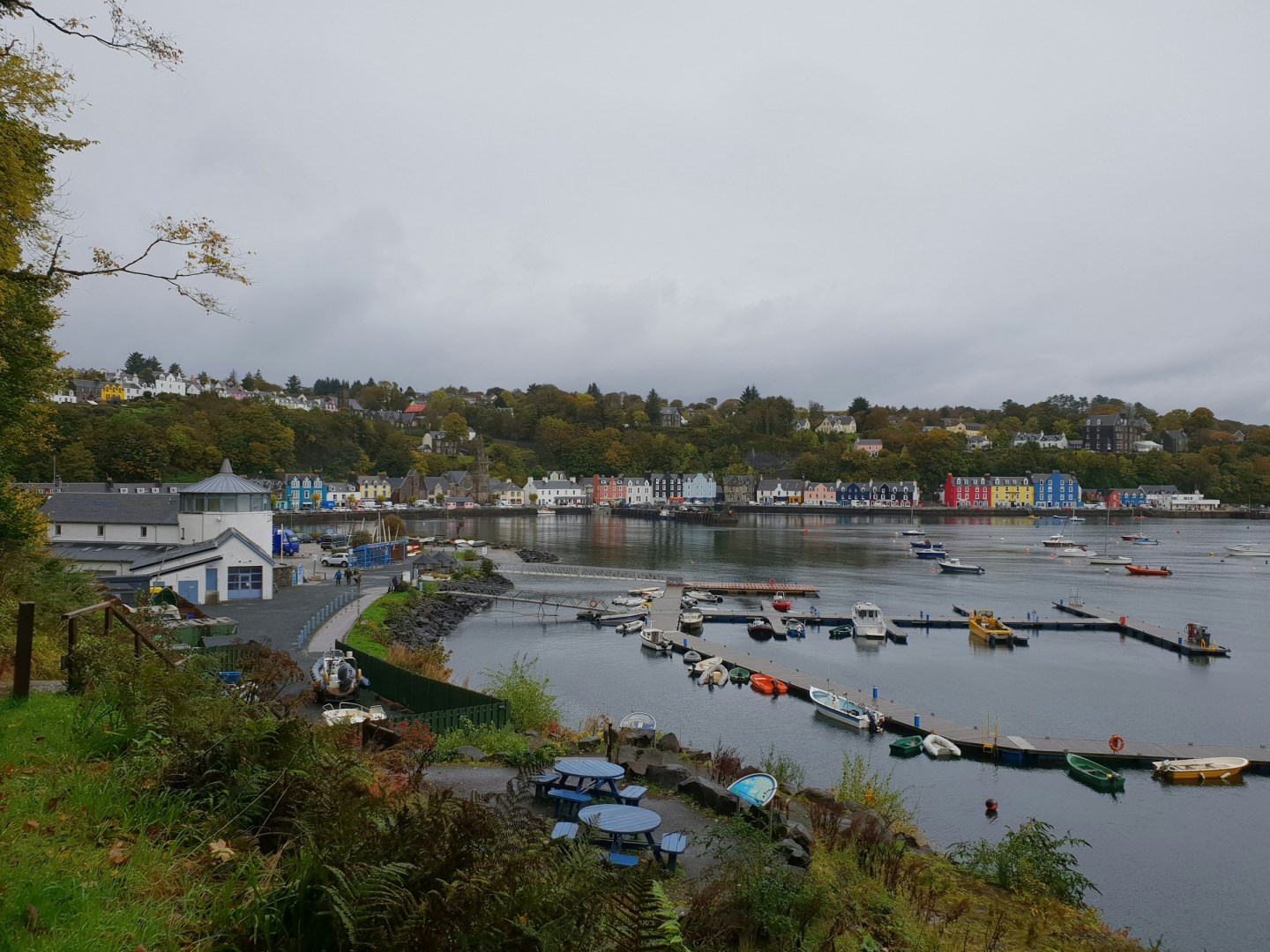
Tobermory is the main settlement on the Isle of Mull in Scotland’s Inner Hebrides, arranged around a sheltered natural harbor on the island’s northeast coast. Its waterfront is lined with brightly painted buildings, many of which house shops, cafés, galleries, restaurants, and guesthouses. The harbor remains active with fishing boats, pleasure craft, and ferries, while the surrounding hills rise behind the town.
Inuvik
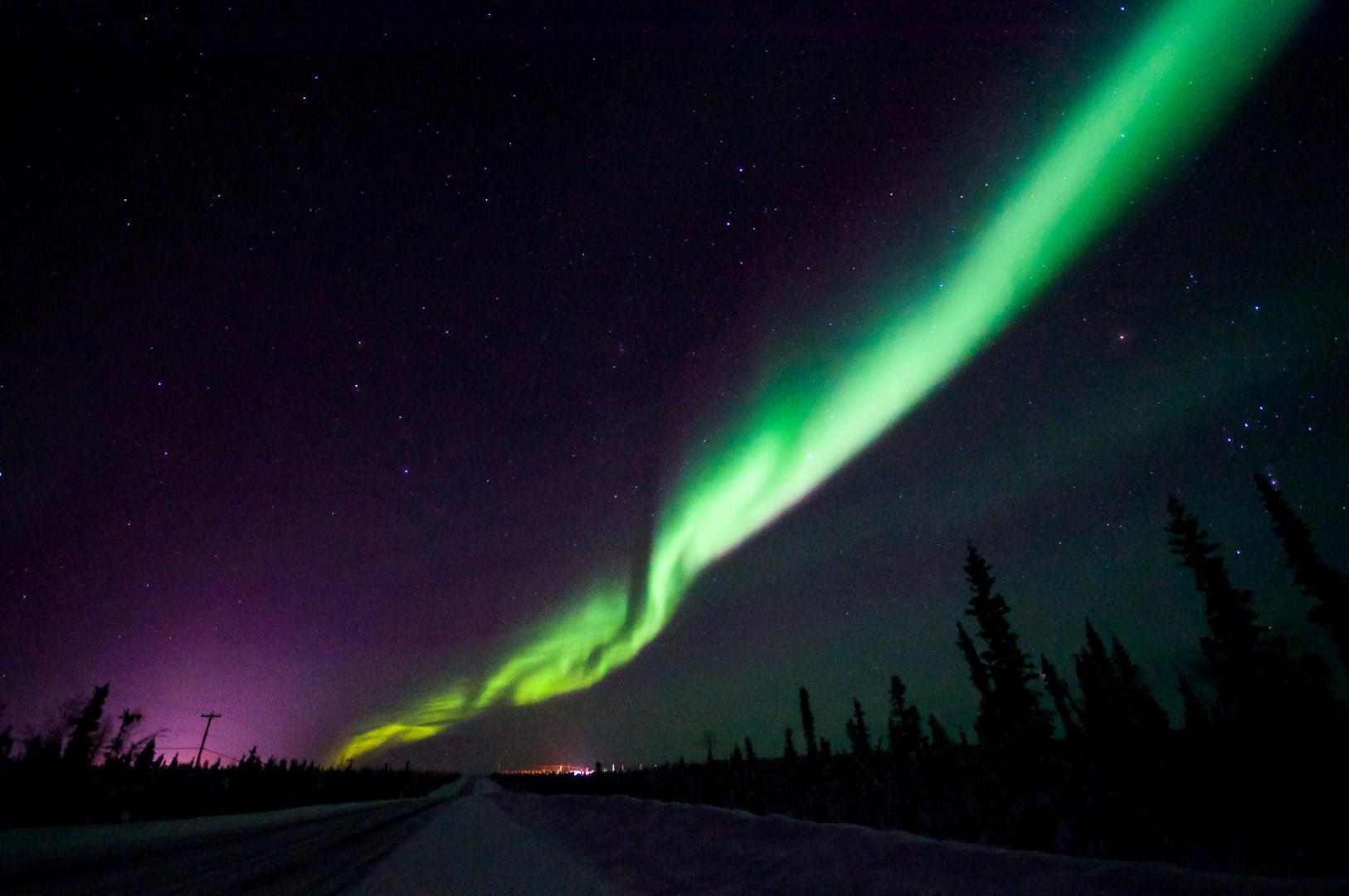
Summer in Inuvik brings the surreal experience of the Midnight Sun where the region experiences 56 days of continuous daylight from late May through mid-July. This natural phenomenon creates ideal conditions for exploring the dramatic tundra landscape and the nearby Mackenzie River Delta, one of the largest in North America. Adventurers can paddle through winding channels, spot migratory birds, or visit Tuktoyaktuk via the Inuvik-Tuktoyaktuk Highway.