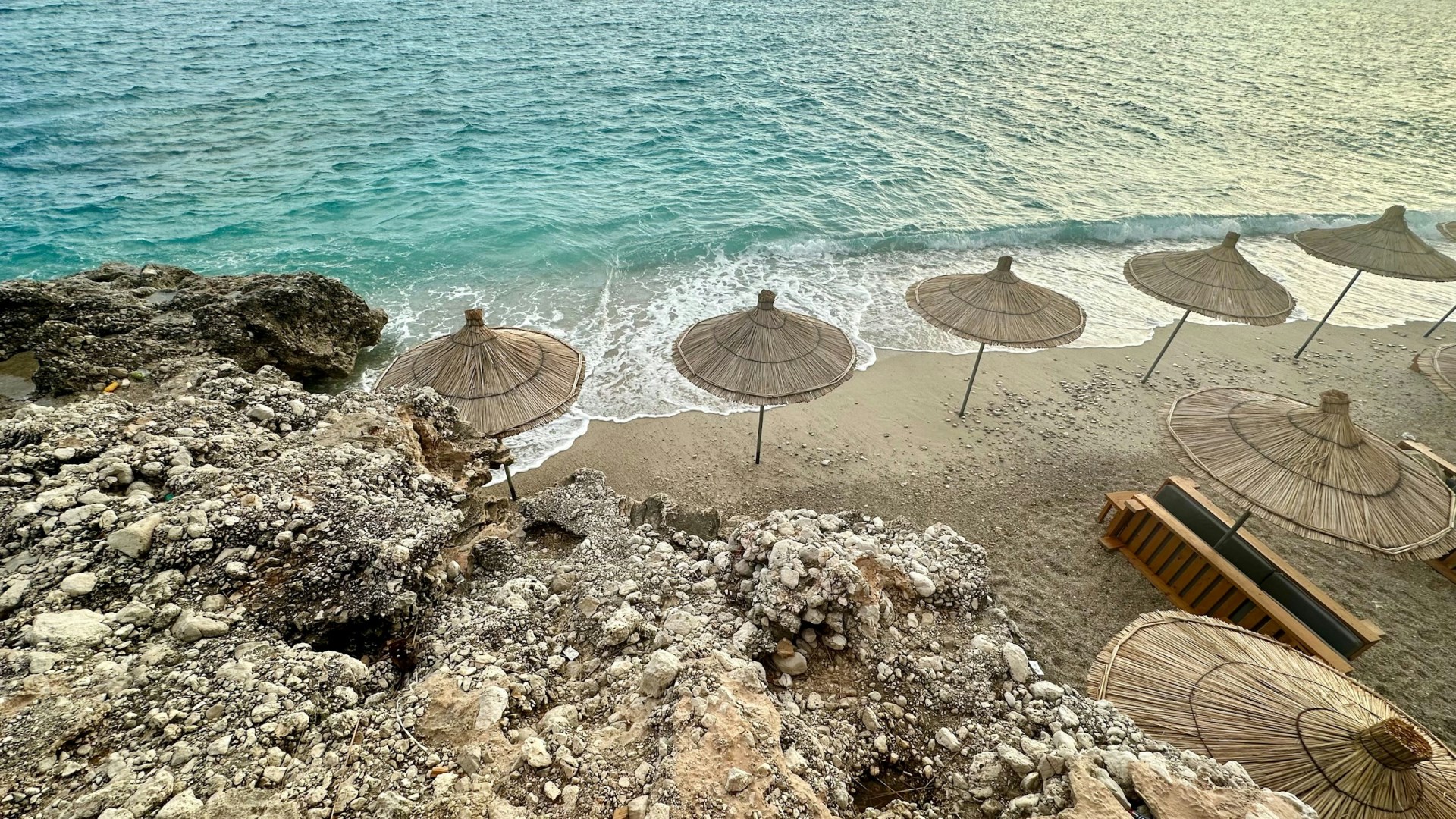
Himare is a coastal town in southern Albania, set along the Ionian Sea between steep mountains and a series of beaches, coves, and rocky headlands. The town is part of the Albanian Riviera and combines a modern waterfront with the older settlement of Himara on a hill above the coast. Olive and citrus trees grow across the surrounding slopes, while the sea shapes much of daily life and local recreation.
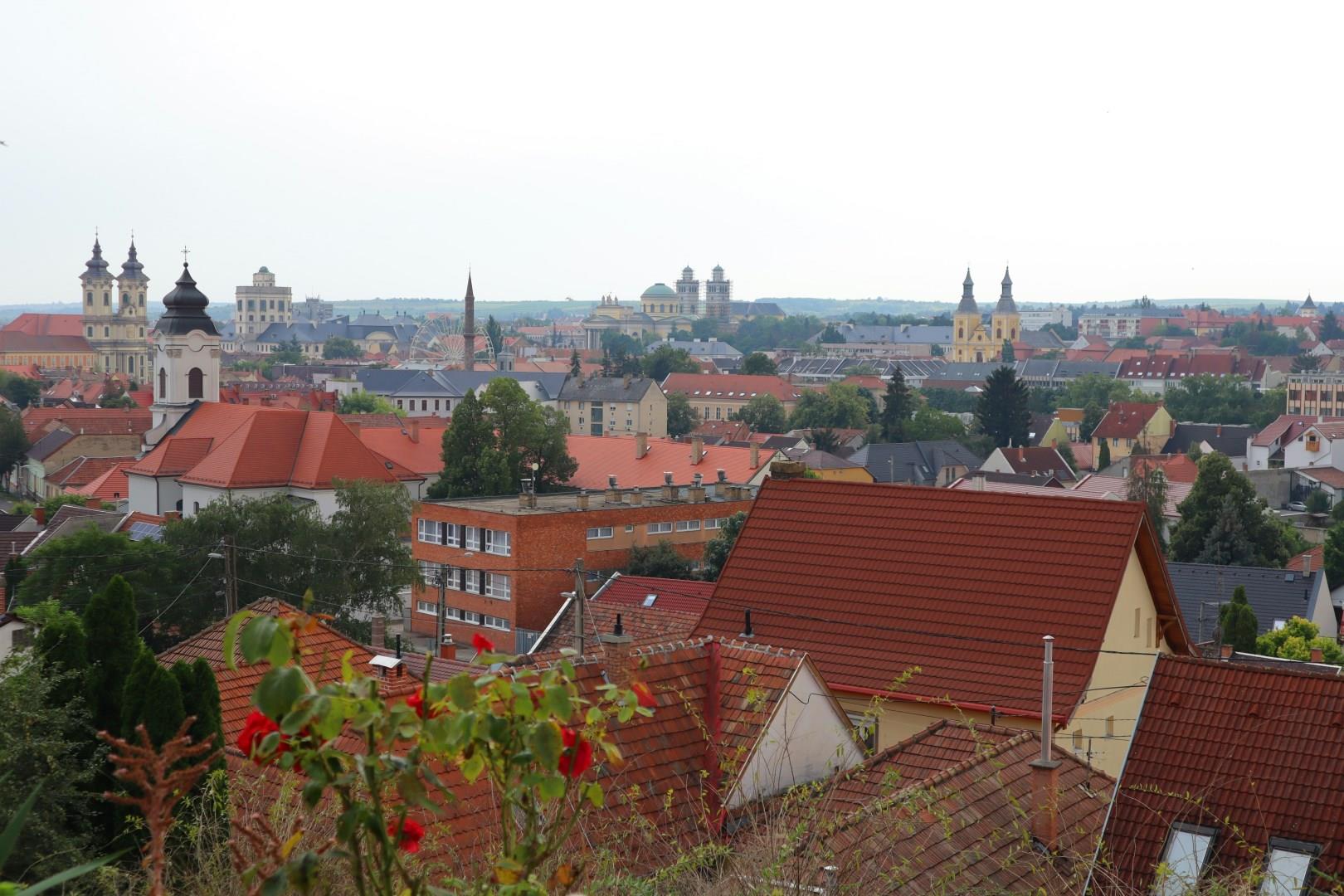
Eger sits in northern Hungary and is known for its well preserved Baroque center, historic castle and long tradition of wine and craft that draw visitors from across Europe. Just beyond the historic center, generations of winemakers have perfected local styles and offer tastings of local varieties. A casual afternoon here can feel like a gentle cellar crawl, with seasonal music or simple snacks adding to relaxed tastings under vine covered walkways.
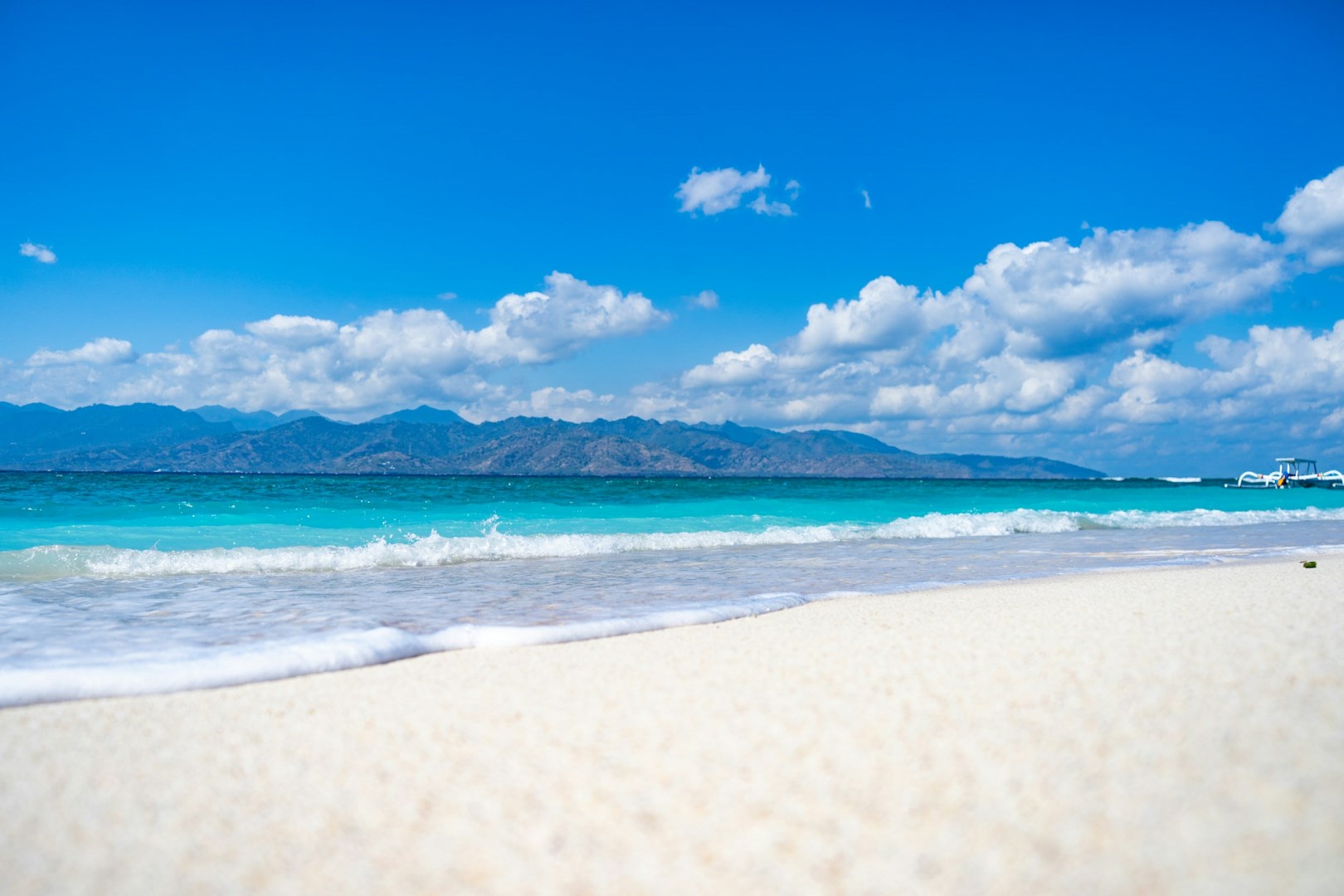
Gili Trawangan is the largest of the three Gili Islands, located off the northwest coast of Lombok in West Nusa Tenggara. The island is surrounded by coral reefs and clear coastal waters, with a sandy shoreline extending around much of its perimeter. Its compact size makes it easy to explore by bicycle or on foot, while horse-drawn cidomo carts provide traditional local transport.
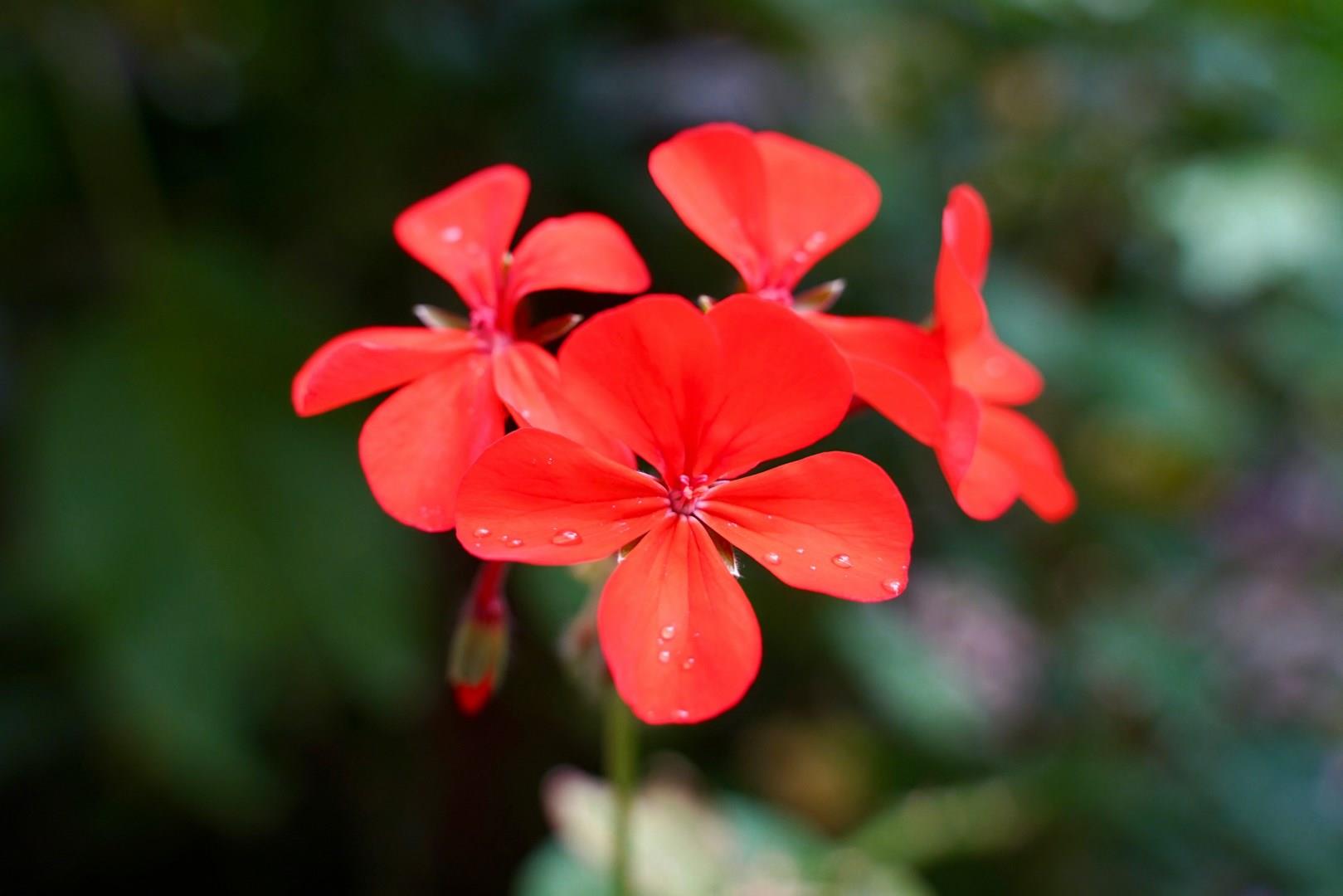
Aguas Calientes, officially called Machupicchu Pueblo, sits in a narrow valley below the ruins of Machu Picchu, shaped almost entirely by geography and access. The town grew around the railway and hot springs that give it its name, becoming a necessary stopping point rather than a destination planned in advance. Its identity is closely tied to movement, with most people arriving on foot or by train and staying briefly before heading uphill.
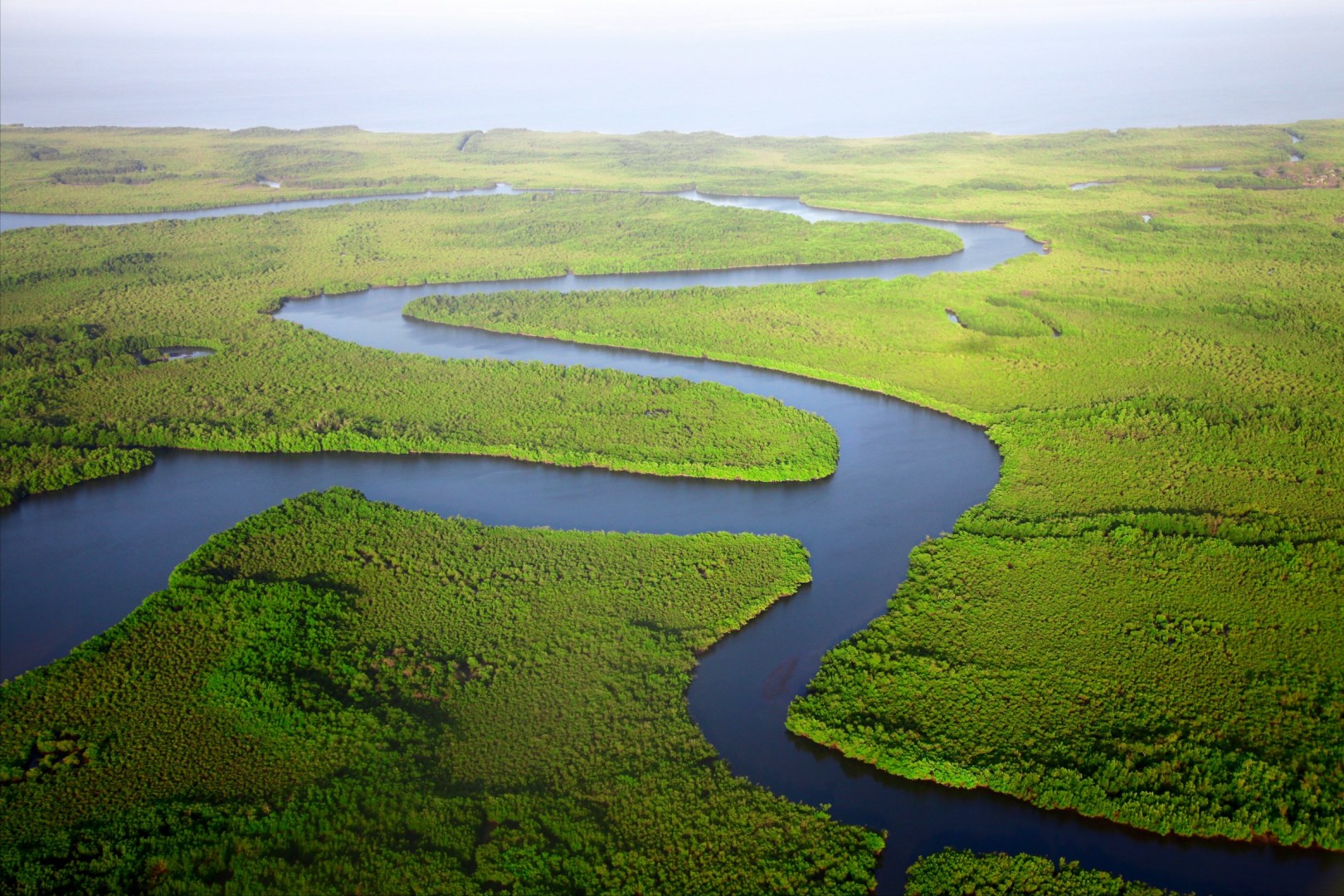
The Gambia is a small West African country known for its rich culture, scenic river landscapes, and warm, welcoming communities. The country is centered around the Gambia River, which flows through the nation and supports agriculture, fishing, and river-based tourism.
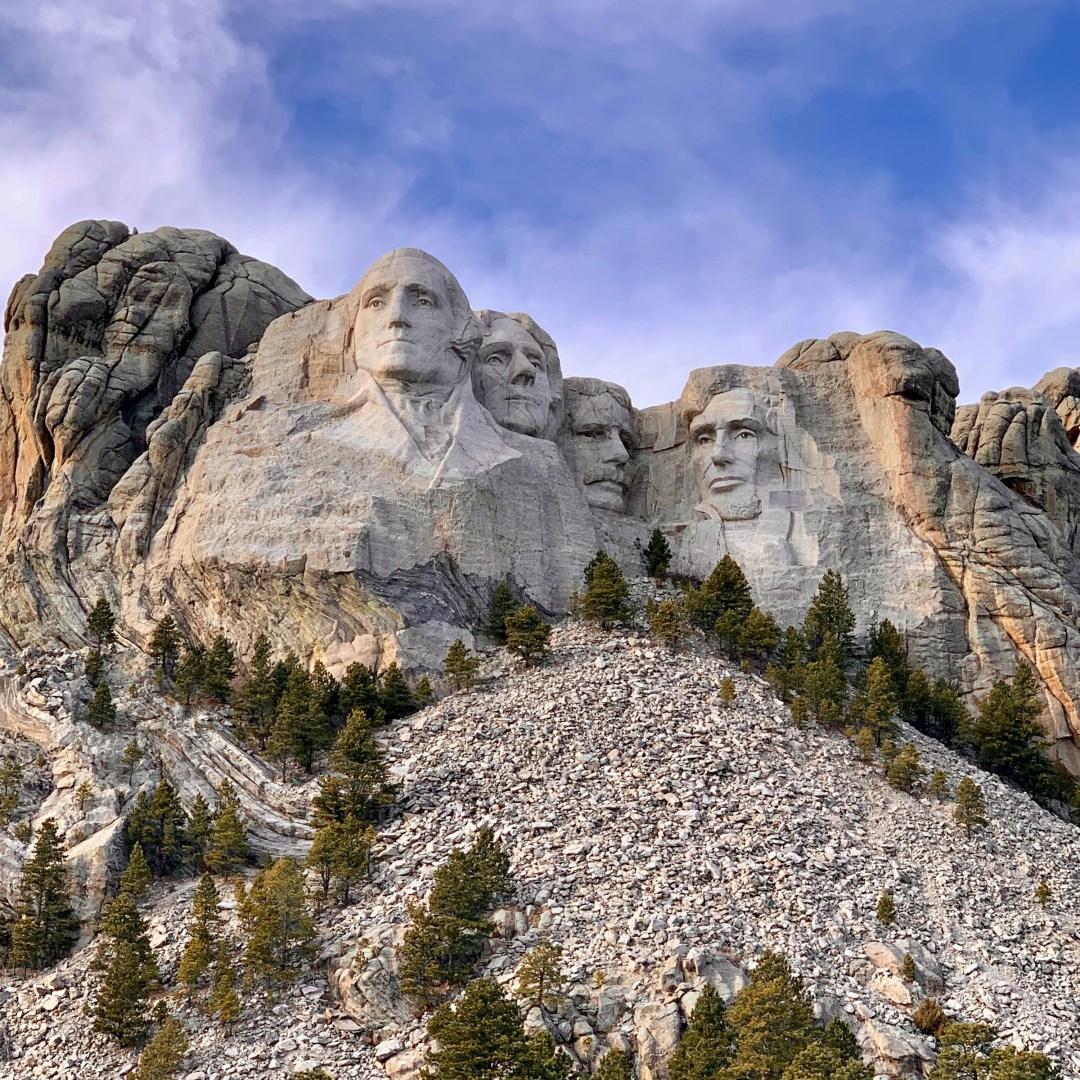
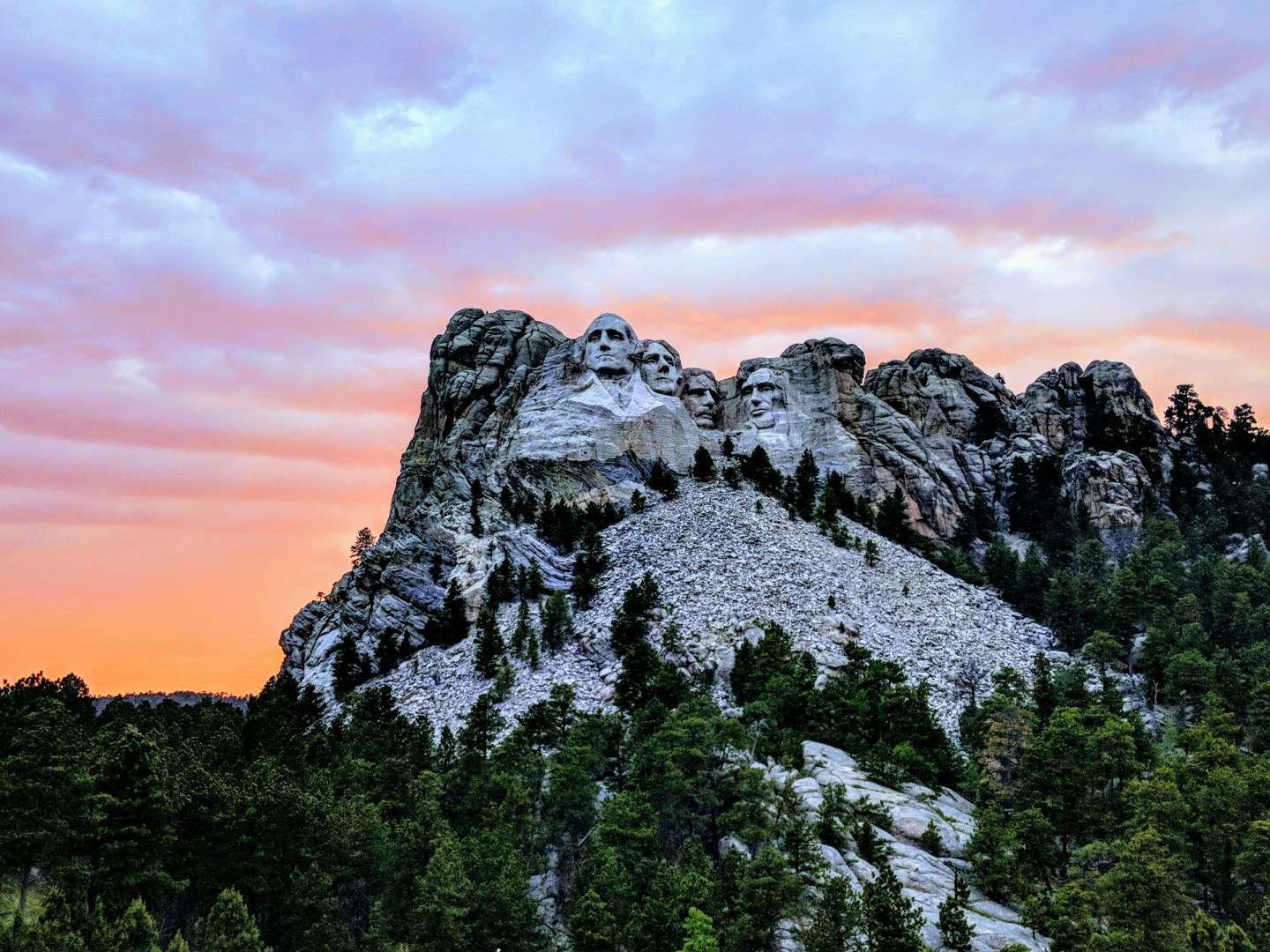
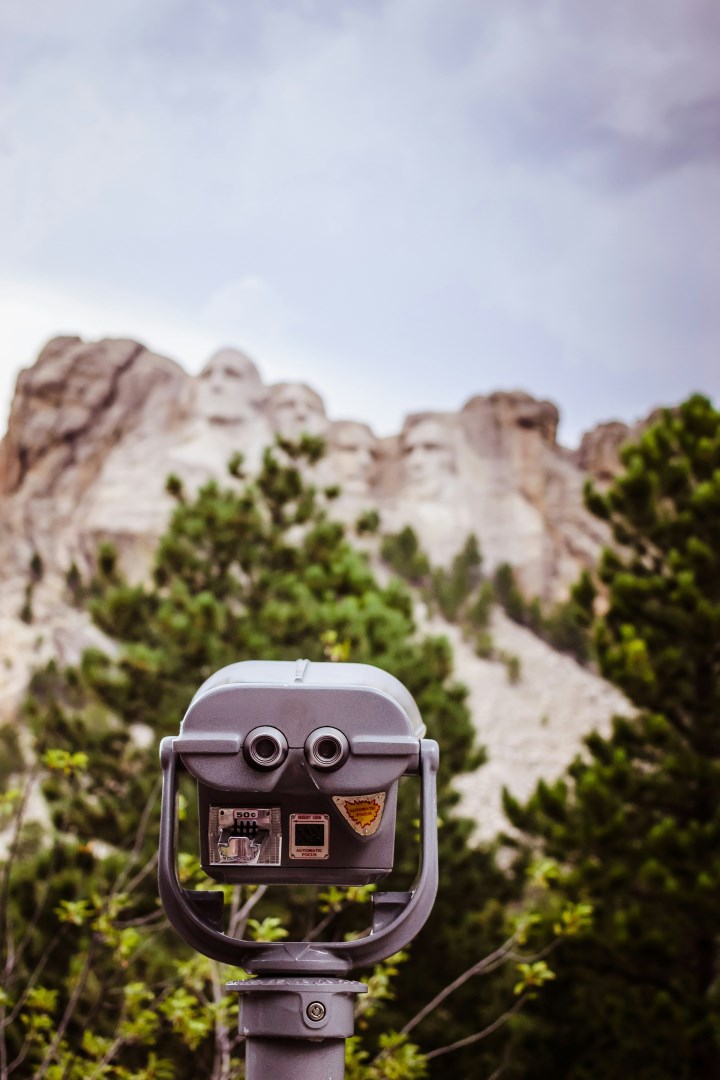
Located about twenty-five miles southwest of Rapid City, South Dakota, lies Mount Rushmore. Following Highway 244 from the west leads to the orientation center. There exhibits tell how sculptor Gutzon Borglum carved away twice the rock needed to construct Egypt's Great Sphinx (which isn't even as tall as Washington's nose). Through a 25-cent telescope one can witness Washington's wide brow and the sad, determined line of Lincoln's mouth, shaped by the terrible decisions of the Civil War. Jefferson gazes heavenward, eyes abrim with lofty ideas. One can observe Teddy Roosevelt's bully grit. And you realize that Borglum intended to incise basic American ideals here, to present history writ large in stone.
Borglum set about creating Mount Rushmore's famous 60-foot-high faces of George Washington, Thomas Jefferson, Theodore Roosevelt, and Abraham Lincoln by blasting and drilling them from Rushmore's gray pegmatite granite. He started work in 1927, wanting to sculpture full busts of the four Presidents, but died in 1941 with only the heads
completed, and almost no work has been done on the mountain since that time. The artist had chosen these President's because he felt they represented America's ideals and also her territorial destiny: Washington, land surveyor and father of his country; Jefferson, architect of the Louisiana Purchase; Lincoln, preserver of the Union in the face of civil war; and Theodore Roosevelt, extender of American prestige abroad and engineer of the Panama Canal Zone acquisition.
Mount Rushmore National Memorial and nearby parklands bring millions of visitors to South Dakota's Black Hills each year.
Other Popular Destinations in South Dakota
Rapid City
Rapid City is the gateway to iconic Mount Rushmore National Memorial and a delightful stop for your next trip to South Dakota.
Crazy Horse Memorial
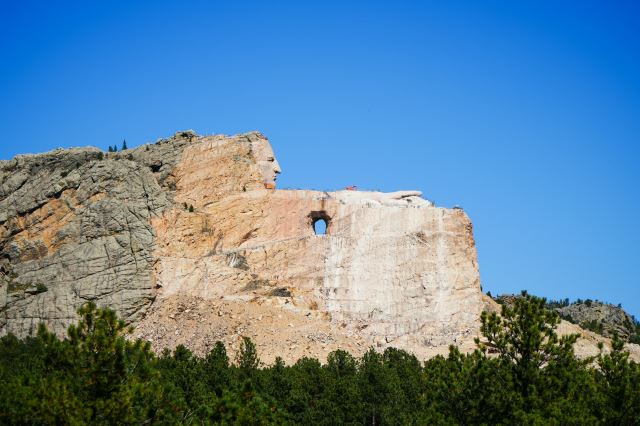
Crazy Horse Memorial stands in the Black Hills of South Dakota, between Custer and Hill City, where a massive mountain carving is being created to honor the Lakota leader Crazy Horse and the cultures of Native American peoples. The sculpture is cut directly into Thunderhead Mountain and is designed to depict Crazy Horse on horseback, pointing toward his ancestral lands