Palenque
Palenque, nestled in the lush jungles of Chiapas, Mexico, offers an enthralling glimpse into the grandeur of the ancient Maya civilization. The city is renowned for its well-preserved ruins, which include the majestic Temple of the Inscriptions, where the tomb of the ruler Pakal the Great was discovered in 1952.
Carmel-by-the-Sea
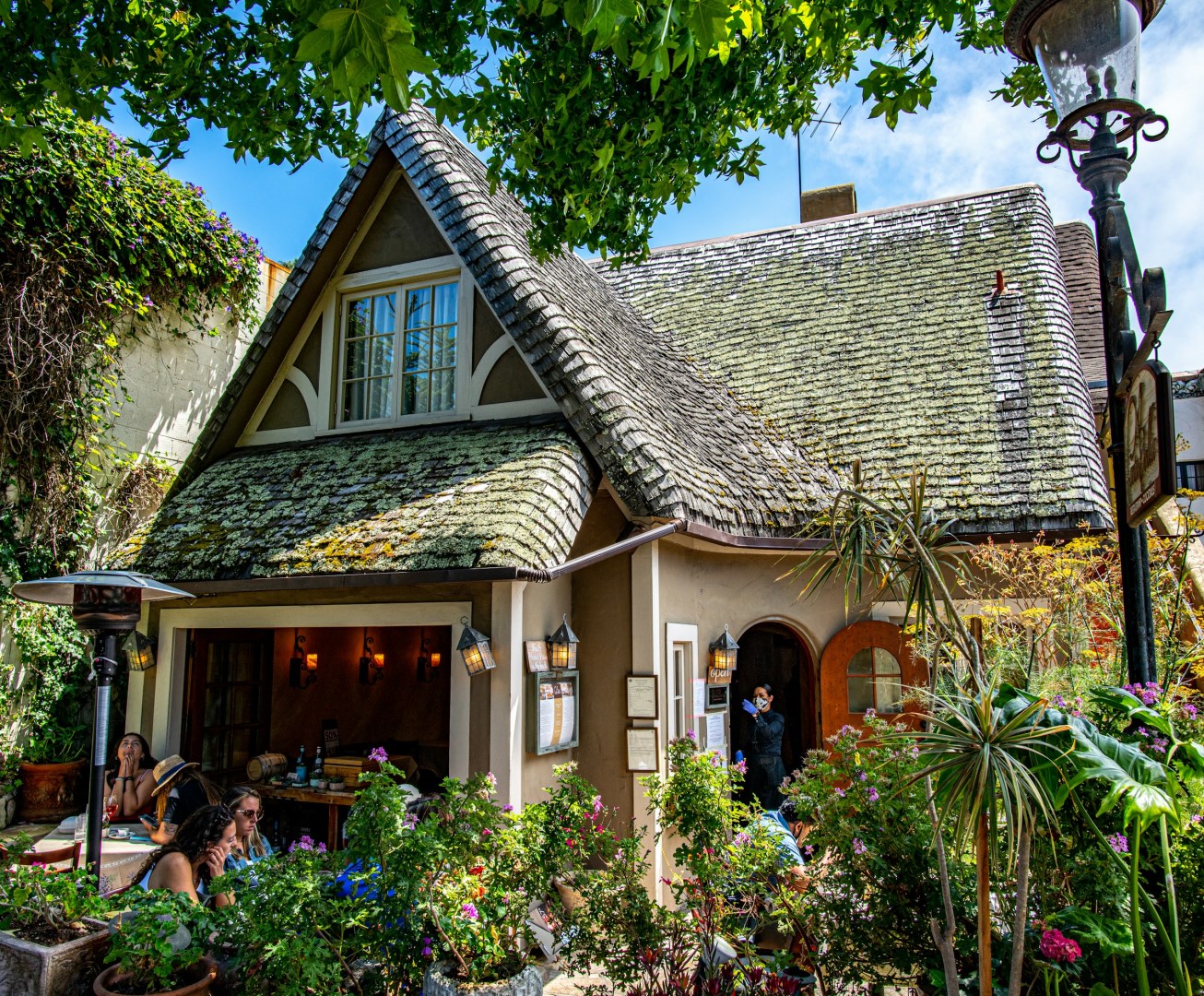
Carmel-by-the-Sea is a small coastal city on California’s Monterey Peninsula, overlooking Carmel Bay and the Pacific Ocean. The community is known for its compact village center, white-sand beach, cypress trees, and architecture that includes distinctive cottages and courtyards. Much of the commercial district can be explored on foot, with galleries, restaurants, boutiques, and wine-tasting rooms concentrated within a small area.
Tskaltubo
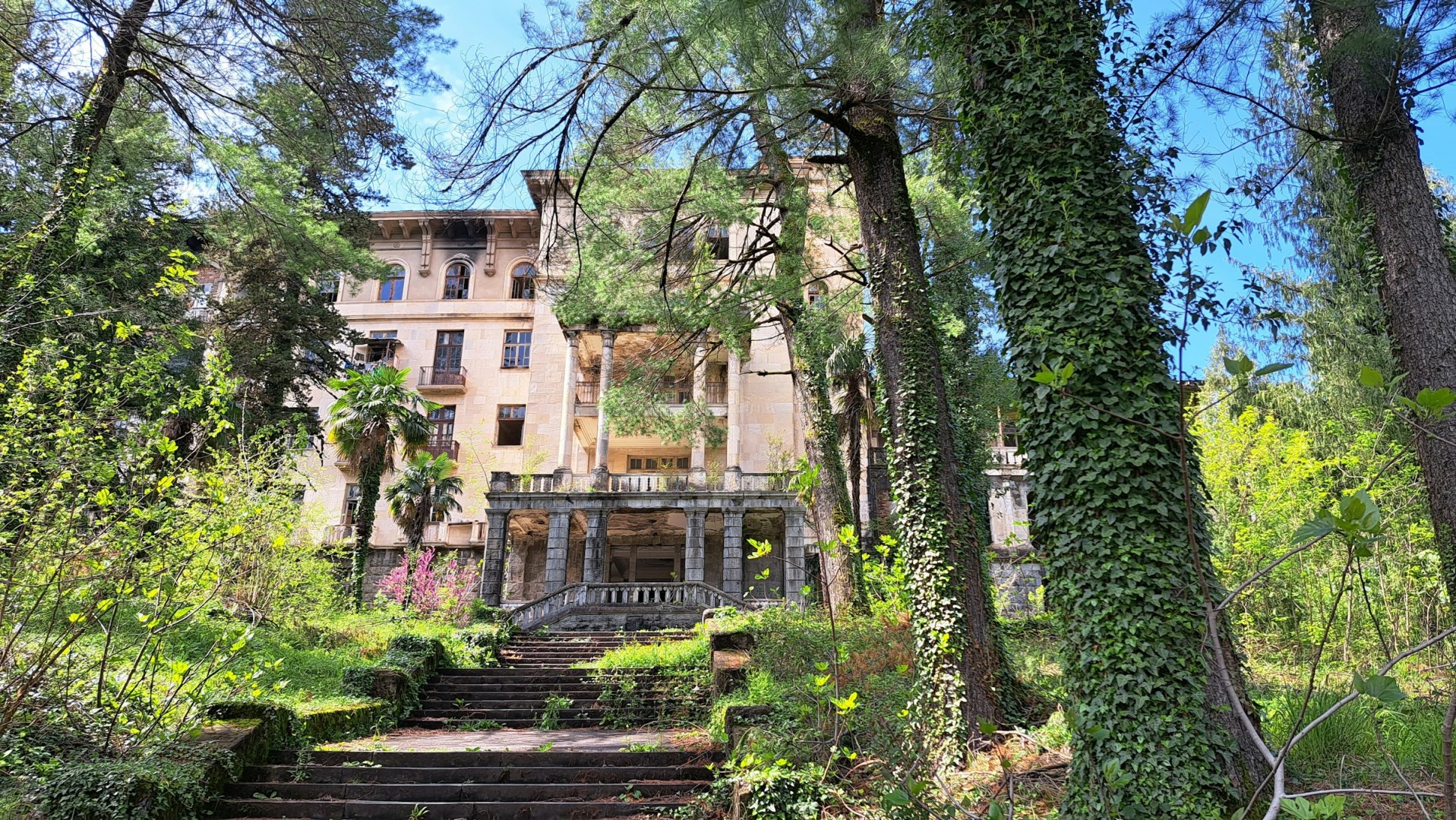
Tskaltubo is a spa town in western Georgia, located in the Imereti region near Kutaisi. The town is known for its naturally warm mineral waters, which emerge from springs beneath the surrounding limestone landscape. Broad streets, parks, gardens, and early resort architecture reflect Tskaltubo's long association with health tourism.
Great Exuma
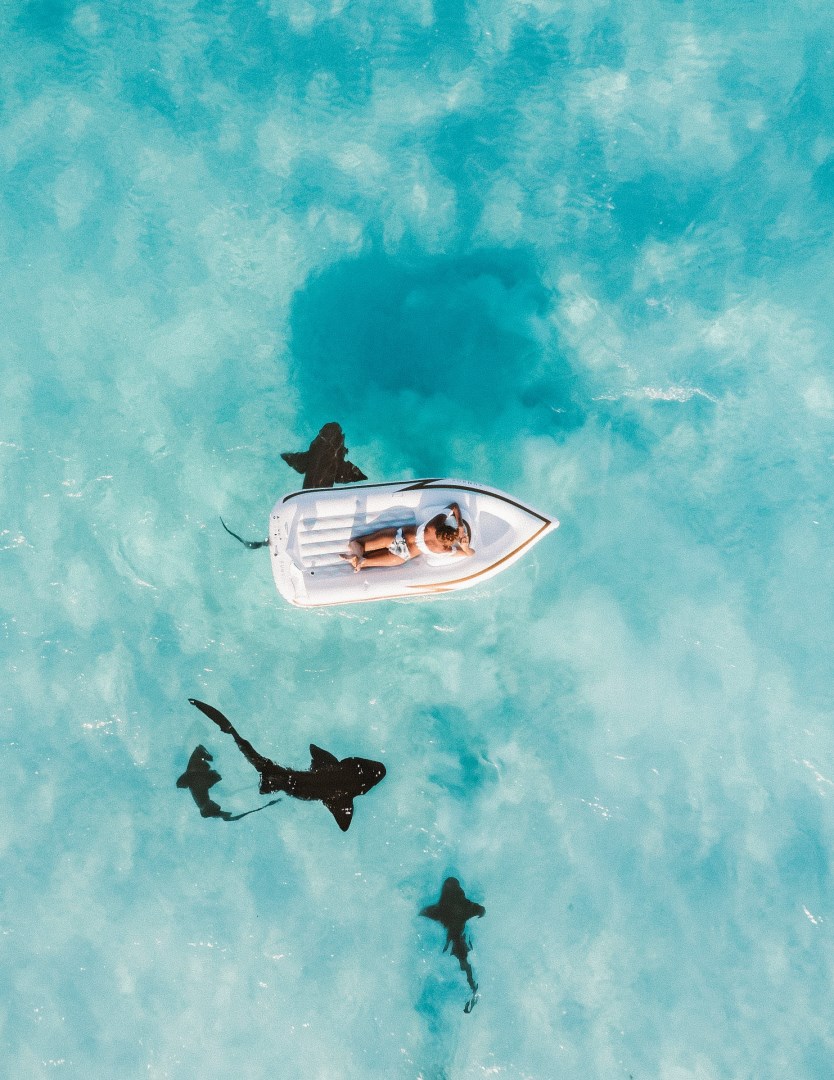
The Exumas are located in the middle of The Bahamas, yet remain mostly undisturbed. A collection of some 365 cays and islands stretching over 120 miles, The Exumas are supported at the far southern tip of the chain by two main islands, Great Exuma and Little Exuma.
Livingstone
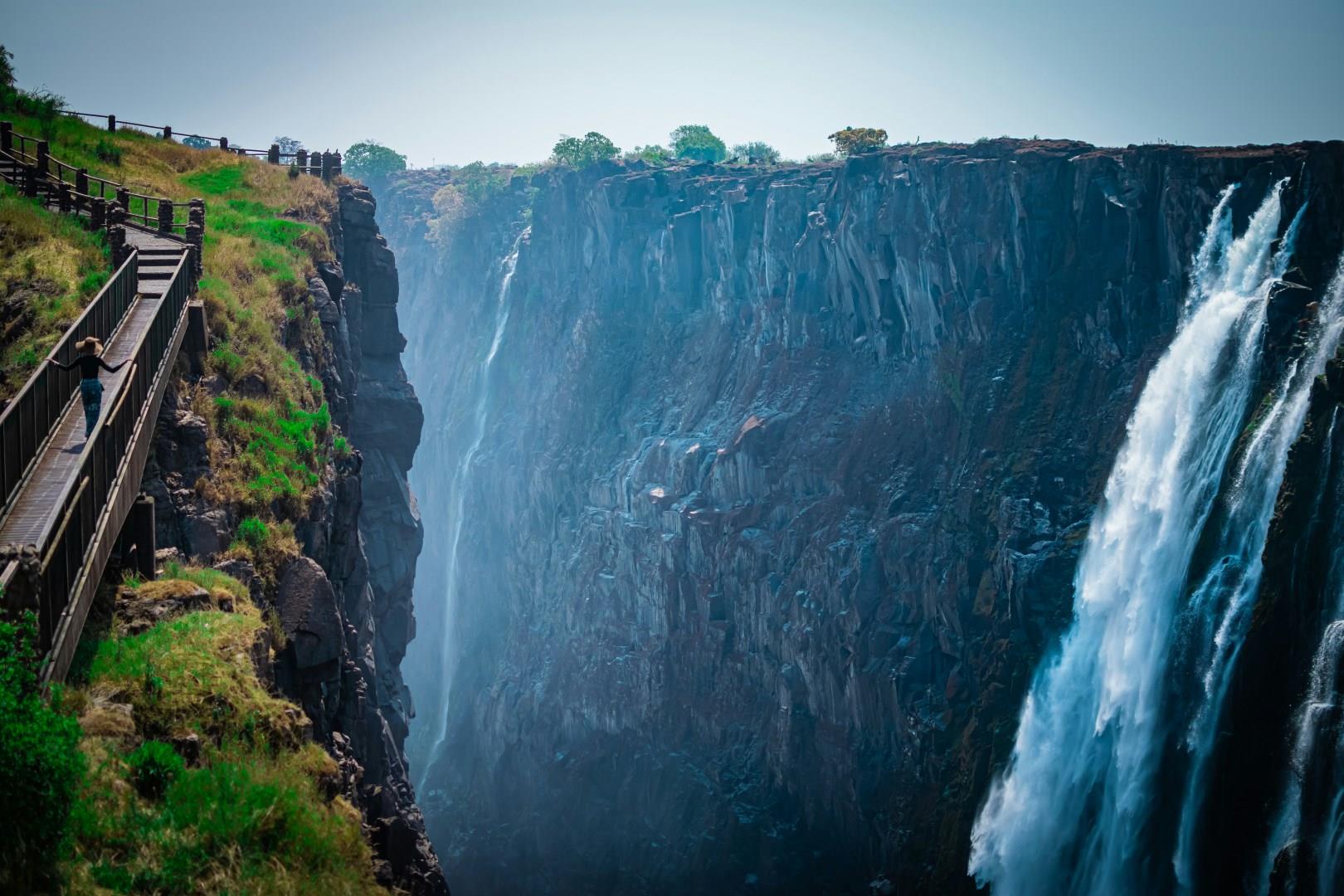
In the heart of Zambia lies Livingstone, a city that serves as the gateway to one of the most spectacular natural wonders in the world: Victoria Falls. This UNESCO World Heritage Site, often referred to as "The Smoke That Thunders," is renowned for its breathtakingly powerful waterfalls on the Zambezi River. The falls, which span over 1,700 meters wide and plunge 108 meters deep, offer a mesmerizing display of nature's might.