Glenwood Springs
Glenwood Springs, Colorado, is a picturesque resort town famous for its geothermal springs. Nestled in a scenic canyon of the Rocky Mountains where the Colorado and Roaring Fork Rivers meet, Glenwood Springs will enthrall you with its natural beauty, including towering red sandstone cliffs, snow-capped mountains, and lush forests.
Hope Bay
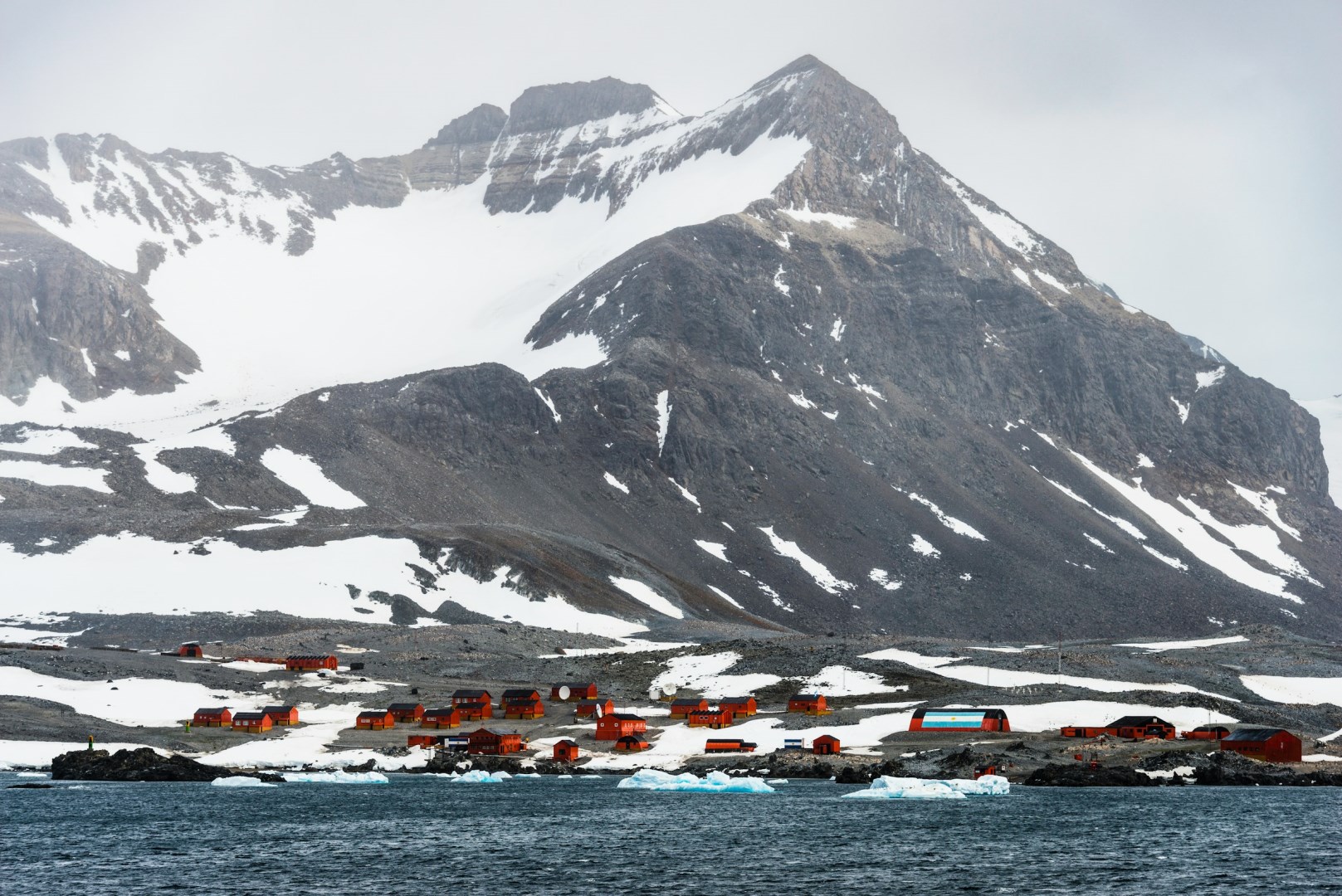
The bay’s environment supports a variety of Antarctic wildlife. Gentoo penguins breed around the shoreline, while skuas and other seabirds can be seen near the colony. Weddell seals and Antarctic fur seals may also occur in the area, particularly around beaches and sea ice. Mount Flora and the surrounding slopes provide a striking backdrop, with exposed rock contrasting against snowfields and glaciers.
Sajama National Park
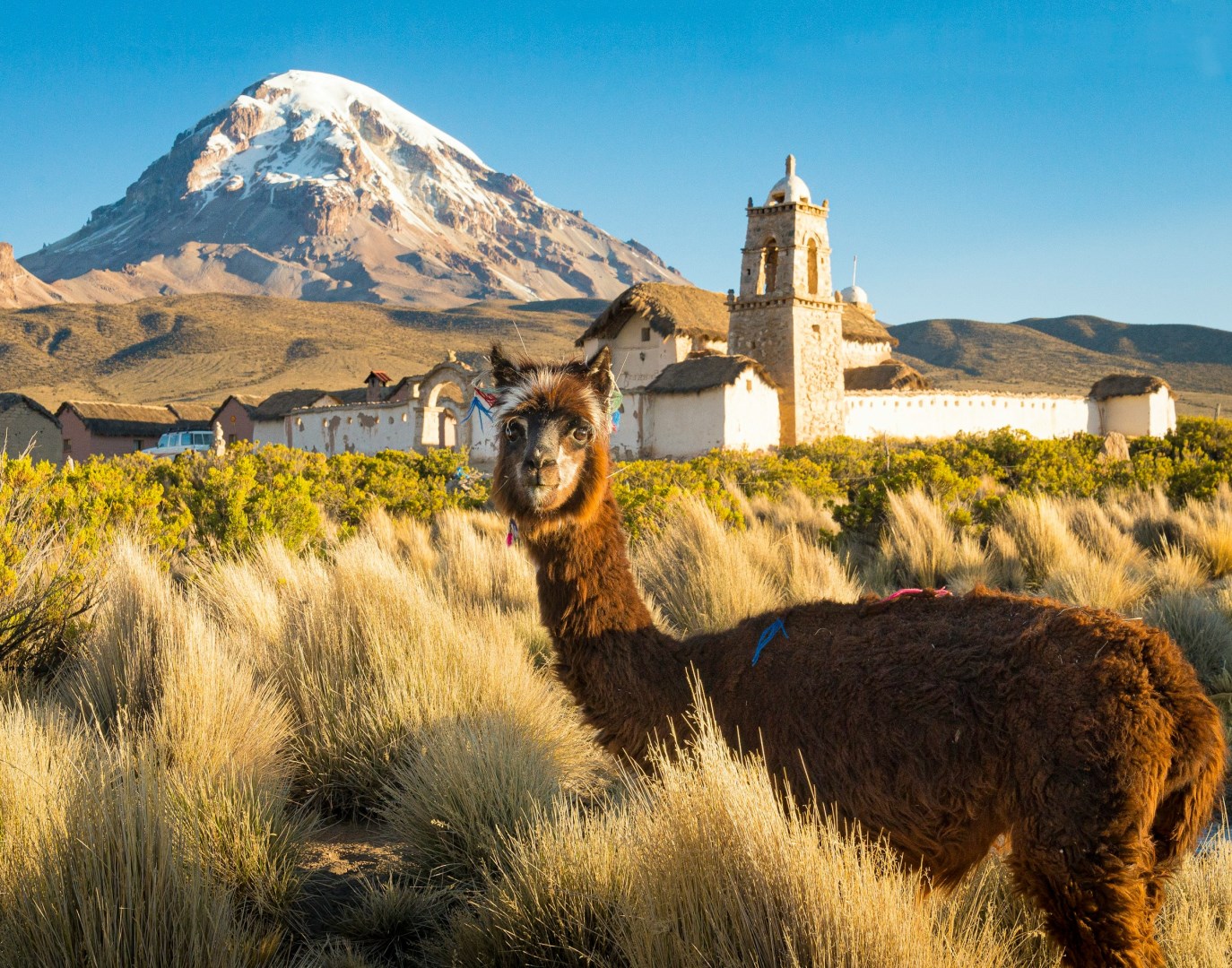
Sajama National Park lies in western Bolivia near the border with Chile, within the highlands of the Oruro Department. It protects a broad landscape of volcanoes, high-altitude grasslands, wetlands, volcanic formations, and native queñua forests. The park is centered on Nevado Sajama, Bolivia’s highest mountain, whose snow-covered summit rises above the surrounding Altiplano.
Muskegon
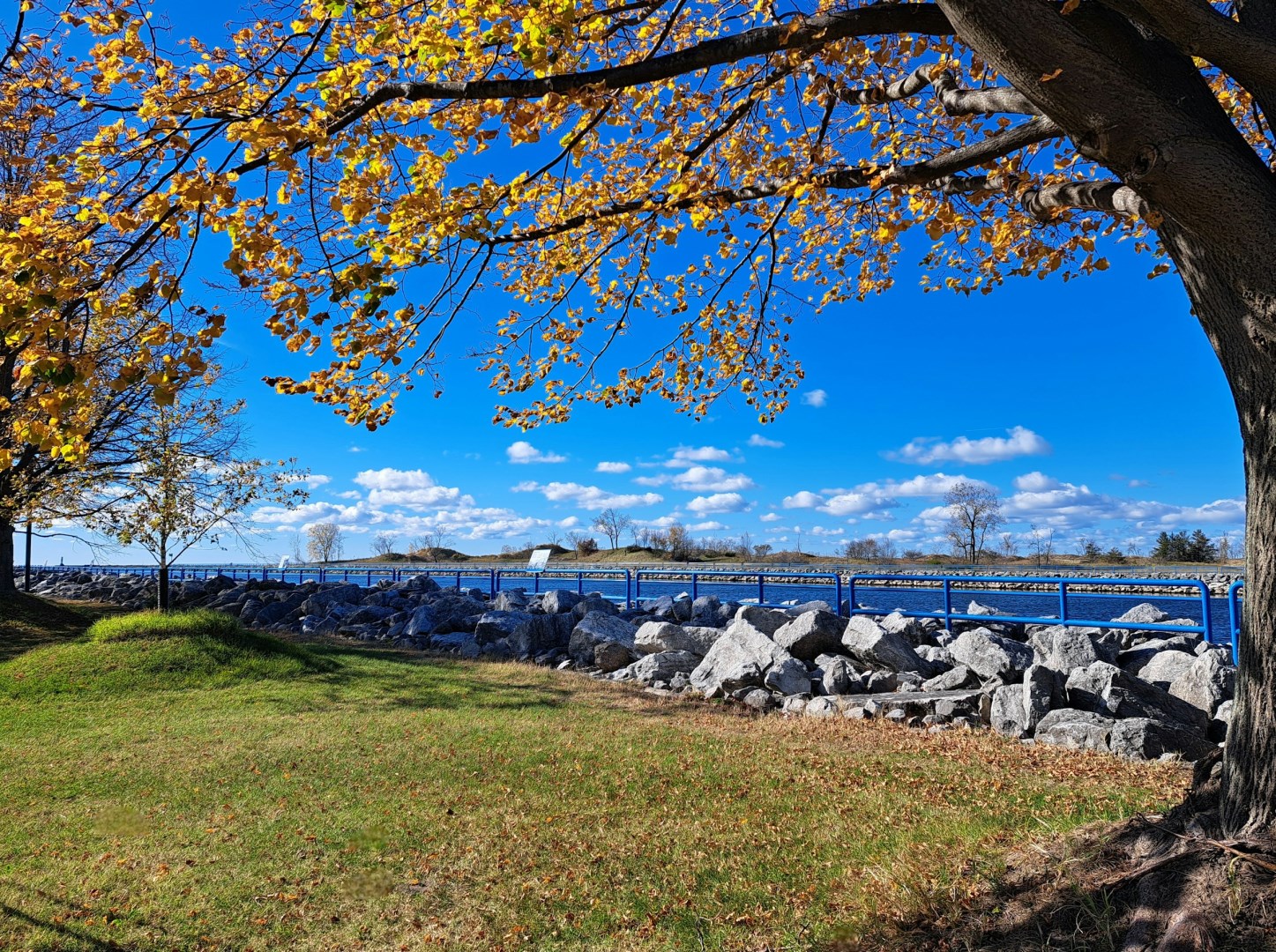
Northwest of Grand Rapids, it has a natural safe harbor off Lake Michigan
Lavrio
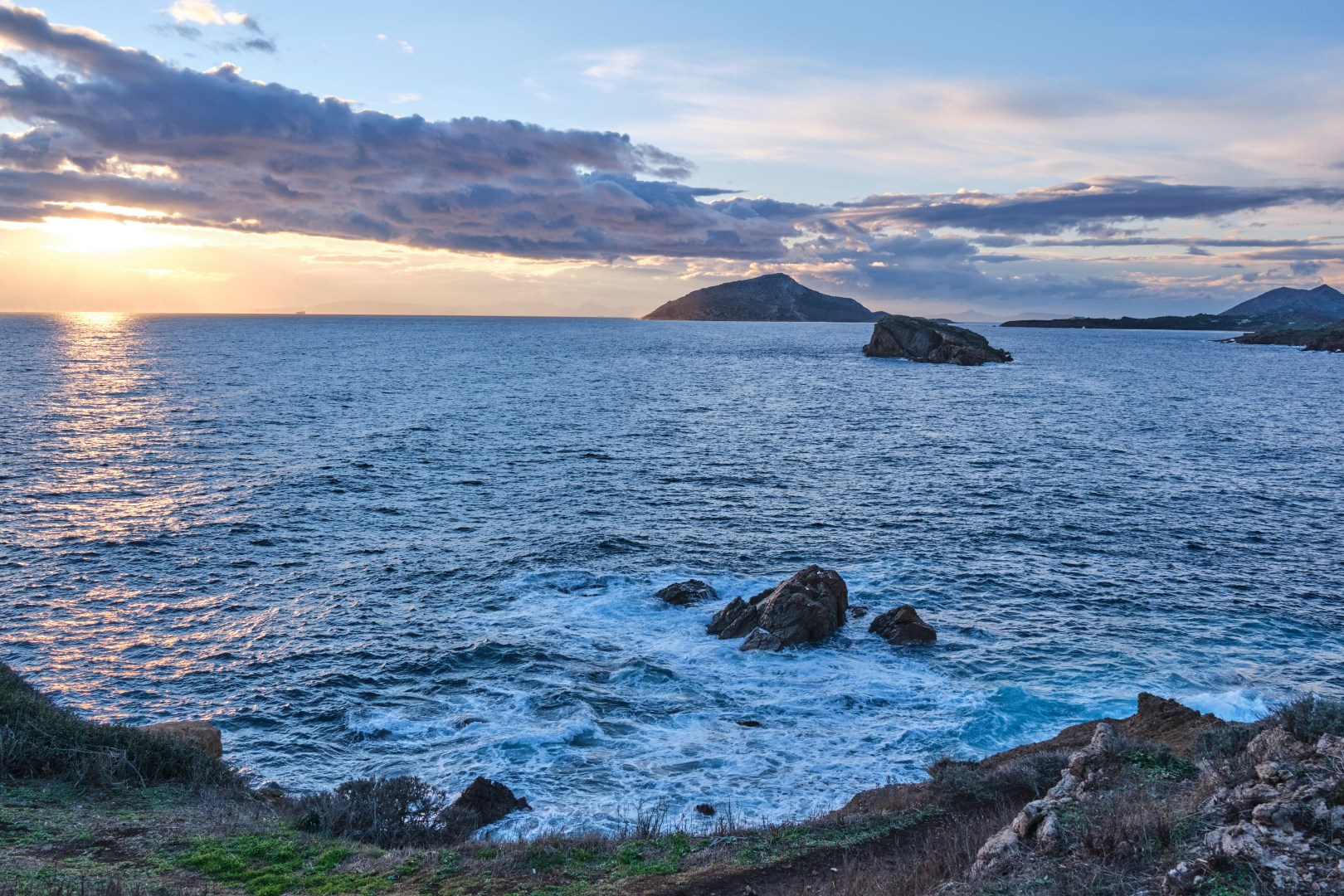
Lavrio is a port town on the southeastern coast of Attica, Greece, facing the Aegean Sea. Its harbour handles ferries, fishing vessels and recreational boats, while the surrounding hills contain extensive traces of mining.