

Le Havre
Le Havre is a captivating port city in Normandy, France where the English Channel meets the Seine River. Having evolved from a small fishing village into a bustling maritime hub, it is a blend of rich history, modern architecture, and stunning natural beauty. The city's historic roots are especially evident in landmarks such as the Graville Abbey, one of the oldest monuments in the area, and the impressive St. Joseph's Church, a modern architectural marvel designed by Auguste Perret.
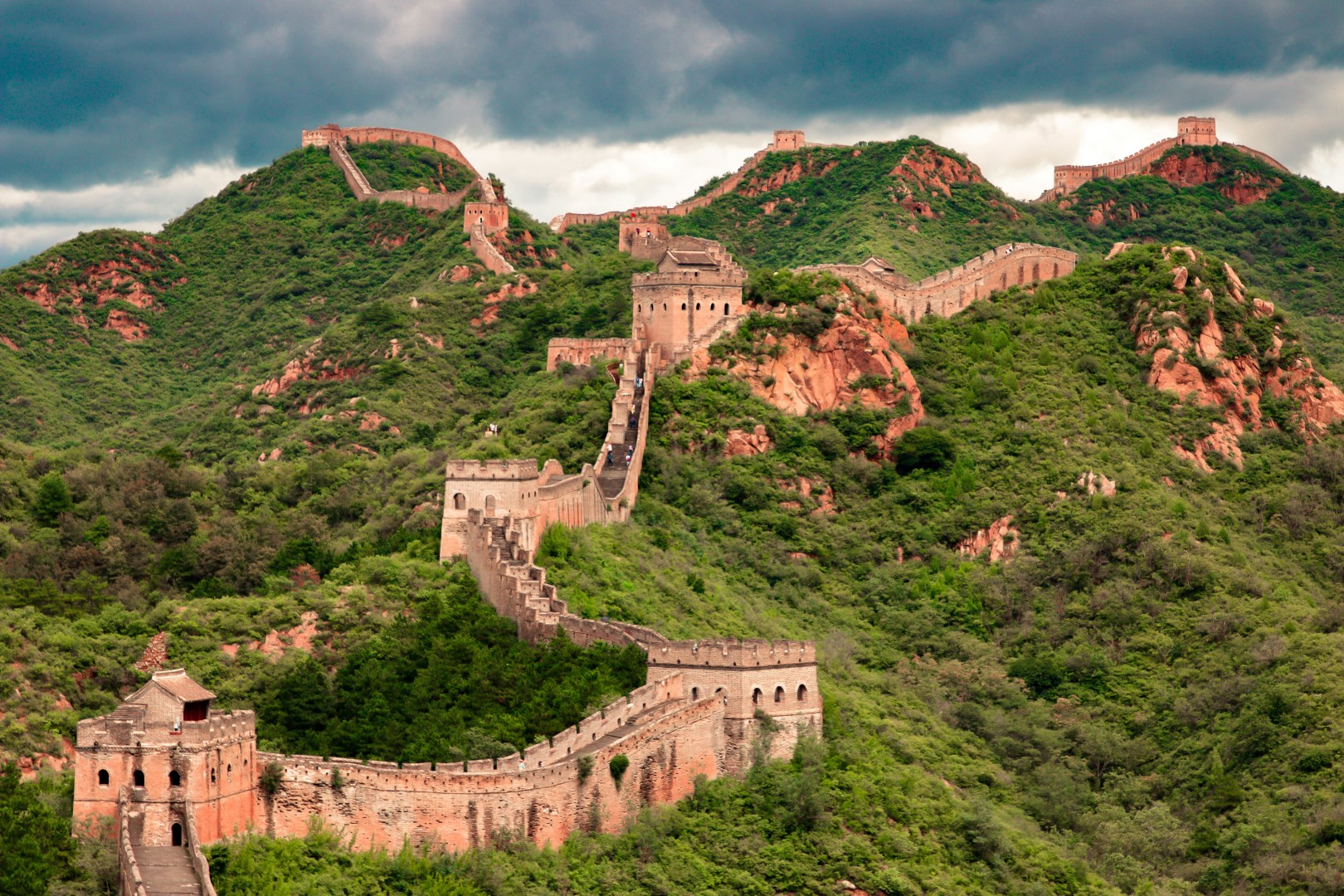
Great Wall
The Great Wall of China stretches across mountains, deserts, and grasslands, forming one of the most striking man-made landmarks in the world. Rather than a single continuous wall, it is a network of sections built with stone, brick, and packed earth, each shaped by the landscape it crosses. In areas near Beijing, such as Mutianyu, the wall winds along forested ridges, offering sweeping views that change with the seasons.

Punakha
Punakha sits in one of Bhutan’s most fertile valleys, cradled where the Mo Chhu and Pho Chhu rivers meet. For centuries it served as the kingdom’s capital and remains a place rich with stories woven through its fields, temples, and riverbanks. The city’s low elevation brings warmer weather than much of Bhutan’s highland regions, and rice paddies fill the landscape with vivid green during planting and golden hues at harvest.
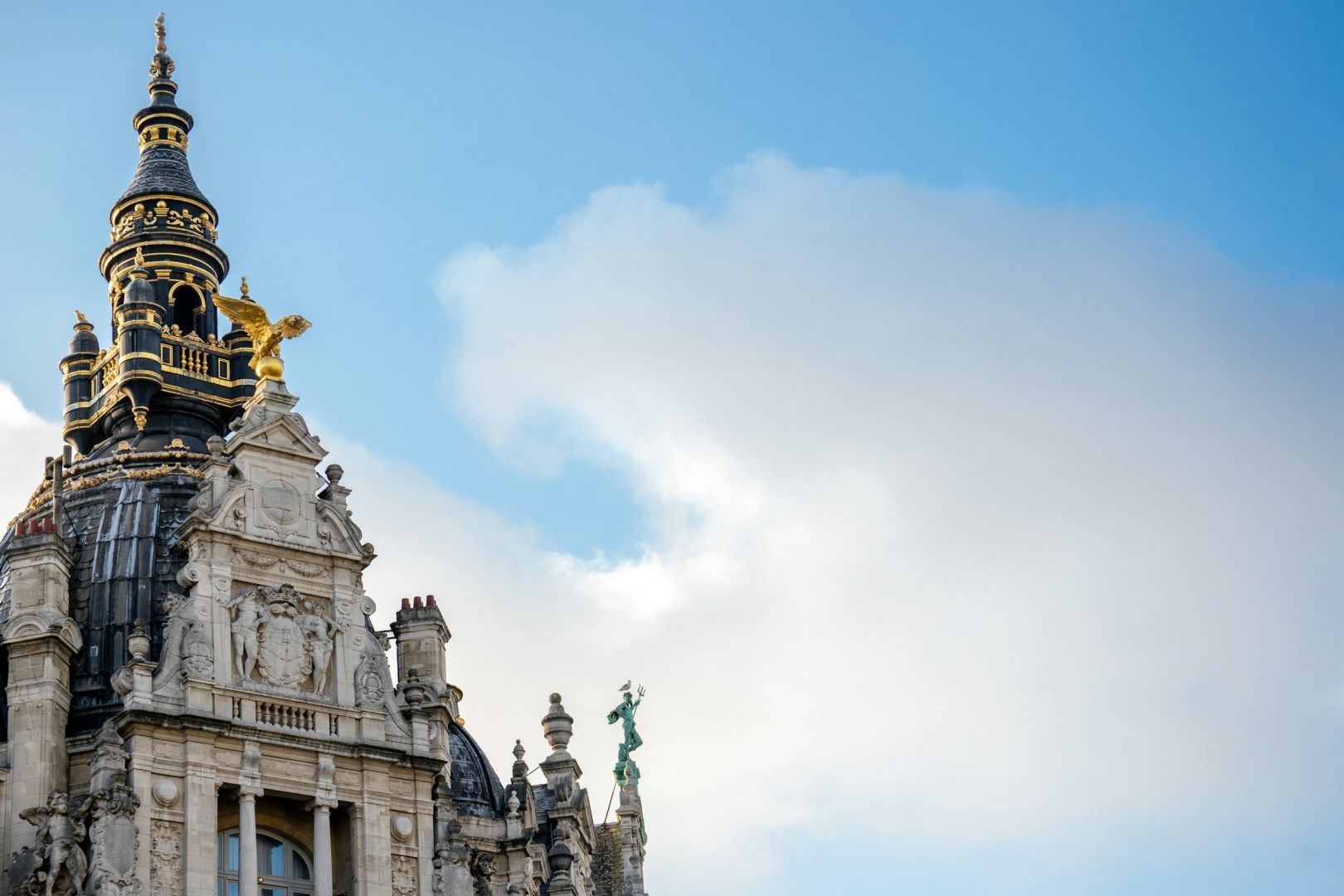
Antwerp
A major port city on the River Scheldt, Antwerp, Belgium, is a cultural, historical, and commercial hub and the country's most populous city. Known as the "diamond capital of the world," Antwerp is renowned for its cut diamonds.

Fiji
Fiji, a tropical haven in the heart of the South Pacific, is made up of over 330 islands, each with its own distinct character. The islands boast lush rainforests, soaring mountains, and white sandy beaches, offering a wide range of activities, from kayaking through calm lagoons and paddleboarding along scenic coastlines to zip-lining through lush rainforests and hiking across mountainous terrain.
